


TL;DR:
- Feeding dogs whole, minimally processed foods can improve coat, digestion, and energy.
- Proper balance requires careful inclusion of calcium, trace minerals, and variety across protein sources.
- Monitoring health signs and vet checkups help ensure a safe, effective real food diet.
Many dog owners feel uneasy reading the ingredient label on a bag of kibble. Ultra-processed fillers, rendered by-products, and synthetic vitamins in pet foods raise real questions about whether commercial diets truly meet a dog’s nutritional needs. The movement toward feeding dogs whole, real foods has grown steadily, and the science behind it is worth understanding. This guide walks you through why real food matters, how to set up a safe home-prepared diet, how to build balanced meals, and how to track your dog’s progress over time.
Table of Contents
- Why consider real food for your dog?
- What you need to get started: Tools, foods, and safety
- How to build a balanced real food meal plan
- Monitoring your dog’s health and troubleshooting common problems
- The real truth: Why perfection isn’t necessary (and what matters more)
- Discover whole food options for your dog’s next meal
- Frequently asked questions
Key Takeaways
| Point | Details |
|---|---|
| Real food benefits | Feeding dogs real, whole foods can improve body condition, metabolism, and coat quality. |
| Watch for nutrient gaps | Homemade diets often lack calcium, zinc, and iodine unless carefully balanced or supplemented. |
| Start simple and adjust | Begin with balanced meals and monitor your dog’s health, adjusting over time as needed. |
| Safety first | Practice strict food handling and hygiene to protect both you and your pet. |
Why consider real food for your dog?
Commercial dog food is convenient, but convenience comes with trade-offs. Most dry kibble is cooked at high temperatures, which degrades heat-sensitive nutrients and requires synthetic additives to compensate. Real food diets, by contrast, use minimally processed whole ingredients: raw or gently cooked meats, organ meats, vegetables, and natural calcium sources.
The differences in outcomes are measurable. Dogs fed real food diets often show:
- Leaner body condition and healthier weight
- Firmer, smaller stools (a sign of better digestibility)
- Shinier coats and less skin irritation
- Higher energy and improved muscle tone
“Raw diets may lower obesity, improve metabolic markers, and result in better stool quality and shiny coats, but can risk nutrient gaps including lower calcium-phosphorus ratio, low iodine, copper, and zinc.”
That last point matters. Real food feeding is not automatically complete or balanced. Without careful planning, gaps in calcium, trace minerals, and fat-soluble vitamins can develop over time. This does not mean real food is dangerous. It means it requires attention, the same way cooking for a child requires knowing what nutrients they need.
The contrast with commercial diets is important to understand. Kibble is formulated to meet AAFCO (Association of American Feed Control Officials) minimum nutrient standards, but “minimum” is not the same as “optimal.” Many commercial formulas rely heavily on synthetic vitamin and mineral premixes to hit those numbers, rather than nutrient-dense whole ingredients.
For dogs with chronic skin issues, digestive problems, or weight struggles, real food is often the first dietary change that produces visible results. That does not mean every dog needs a 100% homemade diet. Even partial shifts toward real food can improve outcomes.
What you need to get started: Tools, foods, and safety
Setting up a real food diet does not require a professional kitchen. It does require some basic tools, a clear ingredient list, and consistent hygiene practices.
Essential tools:
| Tool | Purpose |
|---|---|
| Digital kitchen scale | Accurate portioning by weight |
| Airtight glass containers | Safe storage in fridge or freezer |
| Dedicated cutting board | Separate raw meat from other prep |
| Meat grinder (optional) | Easier processing of raw meaty bones |
Core food categories to include:
- Muscle meat: Chicken, beef, turkey, pork, or lamb (60-70% of the diet)
- Organ meat: Liver, kidney, spleen (no more than 10-15% to avoid vitamin A toxicity)
- Calcium source: Raw meaty bones, ground eggshell, or bone meal
- Vegetables: Leafy greens, zucchini, carrots (lightly steamed or pureed for digestibility)
- Supplements: Zinc, iodine, and copper if not covered by whole food sources
Nutrient gaps are common in unbalanced homemade diets, especially for calcium and trace minerals. This is the most frequent mistake new real food feeders make, and it is entirely preventable with a structured approach.
Hygiene is non-negotiable when handling raw meat. Wash hands thoroughly before and after prep. Clean cutting boards and surfaces with hot water and soap after every use. Store raw meat in sealed containers at the back of the fridge, below other foods, and use within two to three days or freeze immediately.
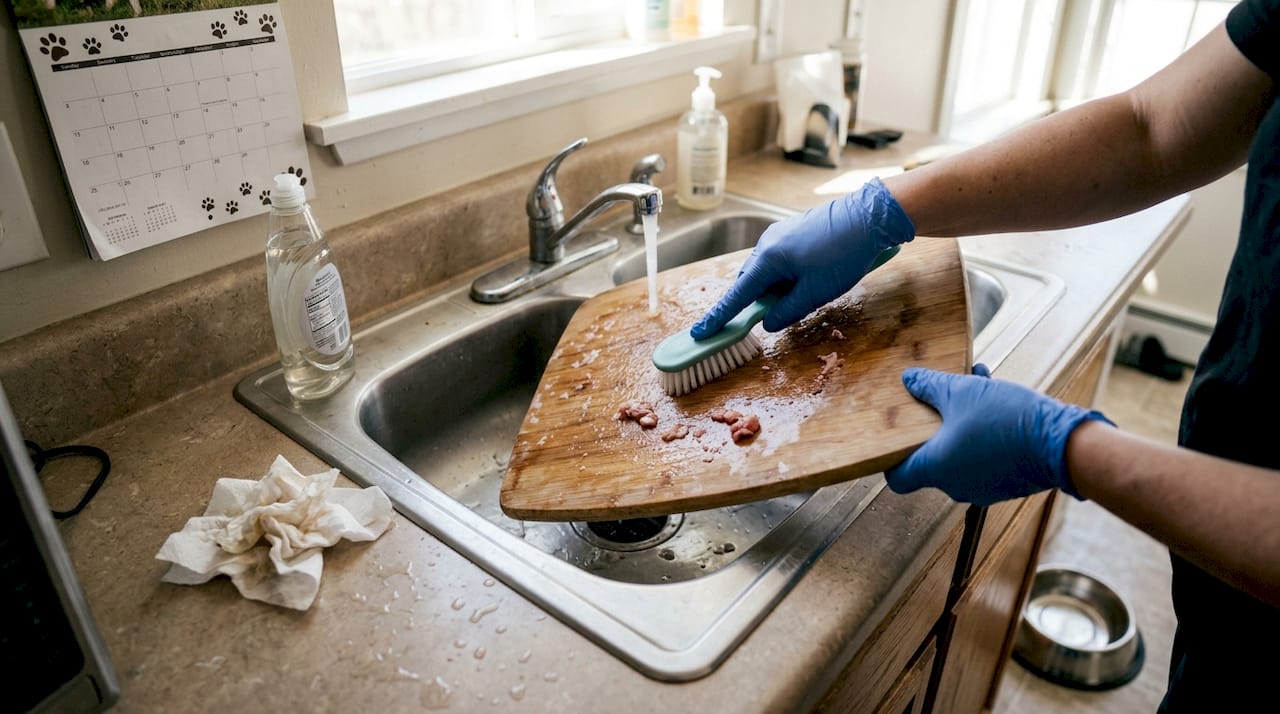
For food safety for homemade diets, freeze-dried whole food options can also serve as a safe, convenient base when fresh prep is not practical.
Pro Tip: Label all prepped meal containers with the date and protein type. Rotating proteins weekly reduces the risk of developing sensitivities and ensures a broader nutrient profile over time.
How to build a balanced real food meal plan
Now that you know what you need, the next step is putting it all together into balanced, nourishing meals.
Start by assessing your dog’s needs. A senior, low-activity dog has different caloric and protein requirements than a young, working-breed dog. Body weight, age, and activity level all affect daily calorie targets and macronutrient ratios.
Step-by-step meal building process:
- Calculate daily calorie needs using your dog’s ideal body weight (not current weight if overweight)
- Set protein as the foundation: 60-70% muscle meat by weight
- Add organ meat: 10% liver, 5% other secreting organs
- Include a calcium source: raw meaty bones or 900mg ground eggshell per pound of boneless meat
- Add lightly steamed or pureed vegetables: 10-15% of the meal
- Assess for missing trace minerals and add targeted supplements as needed
Proper nutrient ratios, such as calcium to phosphorus, are key. Raw diets often fall short without supplementation, with a typical ratio of 1.0 compared to the recommended 1.4.
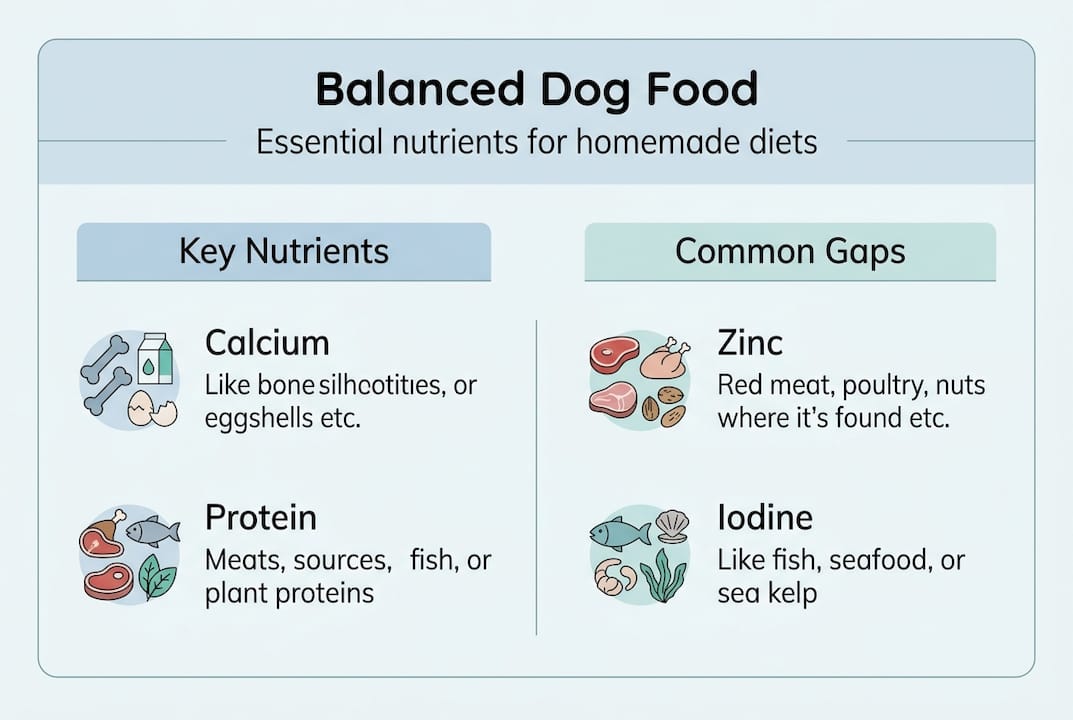
Protein and nutrient comparison:
| Protein source | Key nutrients provided | Typical gaps |
|---|---|---|
| Chicken with bone | Calcium, phosphorus, B vitamins | Low zinc, iodine |
| Beef muscle meat | Iron, zinc, B12 | Low calcium (boneless) |
| Salmon | Omega-3, iodine, vitamin D | Low calcium |
| Beef liver | Vitamin A, copper, folate | Use sparingly |
For how to supplement homemade diets, focus on filling specific gaps rather than adding a generic multivitamin. Targeted supplementation is more effective and reduces the risk of over-supplementing fat-soluble vitamins.
Pro Tip: Rotate between at least three different protein sources each week. Variety is the most practical way to cover a wide range of nutrients without obsessing over individual meal balance.
Monitoring your dog’s health and troubleshooting common problems
With your homemade meals prepared, ongoing monitoring helps ensure your real food approach truly supports your dog’s wellbeing.
Signs of a healthy transition:
- Stable or improving body weight
- Firm, well-formed stools
- Improved coat shine and reduced shedding
- Consistent energy levels
- Clear eyes and healthy gum color
Lower body condition scores and improved coat and stool are observed in dogs fed real rather than commercial diets, which confirms that visible physical changes are a reliable early indicator of dietary improvement.
Watch for red flags in the first four to eight weeks. Loose stools for more than a week, excessive gas, lethargy, or weight loss beyond the first adjustment period all warrant a closer look at your meal plan.
“Improvements in skin, fur, and digestion are among the first and most consistent changes owners report when switching to real food diets.”
Common mistakes and how to fix them:
- Inadequate calcium: Add ground eggshell or raw meaty bones to every meal
- Too much liver: Limit to 10% of total diet to avoid vitamin A overload
- No variety: Rotate proteins and vegetables weekly
- Skipping trace minerals: Zinc, copper, and iodine need direct attention
- Unsafe foods: Avoid onions, garlic, grapes, raisins, macadamia nuts, and xylitol
Schedule a vet check at three months and annually after that. Ask your vet to run a full blood panel, including calcium, phosphorus, and thyroid function. A veterinary nutritionist can also review your meal plan and flag any structural gaps before they become health issues.
The real truth: Why perfection isn’t necessary (and what matters more)
Here is something most real food feeding guides won’t tell you: no diet is perfect, not commercial, not homemade. Kibble formulated to AAFCO standards still contains ingredients that raise questions about long-term health. A home-prepared diet built with care still has days where the balance is slightly off.
The goal is not perfection. The goal is consistent improvement. When you balance real diets long-term by rotating proteins, including organ meats, and addressing known gaps like calcium and iodine, you are already doing more for your dog’s health than most commercial diets provide.
Variety is more protective than any single “perfect” recipe. A dog eating five different protein sources over a week, with rotating vegetables and a consistent calcium source, is far less likely to develop a nutrient deficiency than one eating the same ultra-processed kibble every day for years.
Incremental progress matters. Start with one or two real food meals per week if full transition feels overwhelming. Track what changes. Adjust based on what you observe. That practical, iterative approach is more sustainable than trying to nail a perfect formula from day one.
Discover whole food options for your dog’s next meal
Whether you cook everything yourself or want a reliable shortcut, you don’t have to build a real food diet from scratch alone.
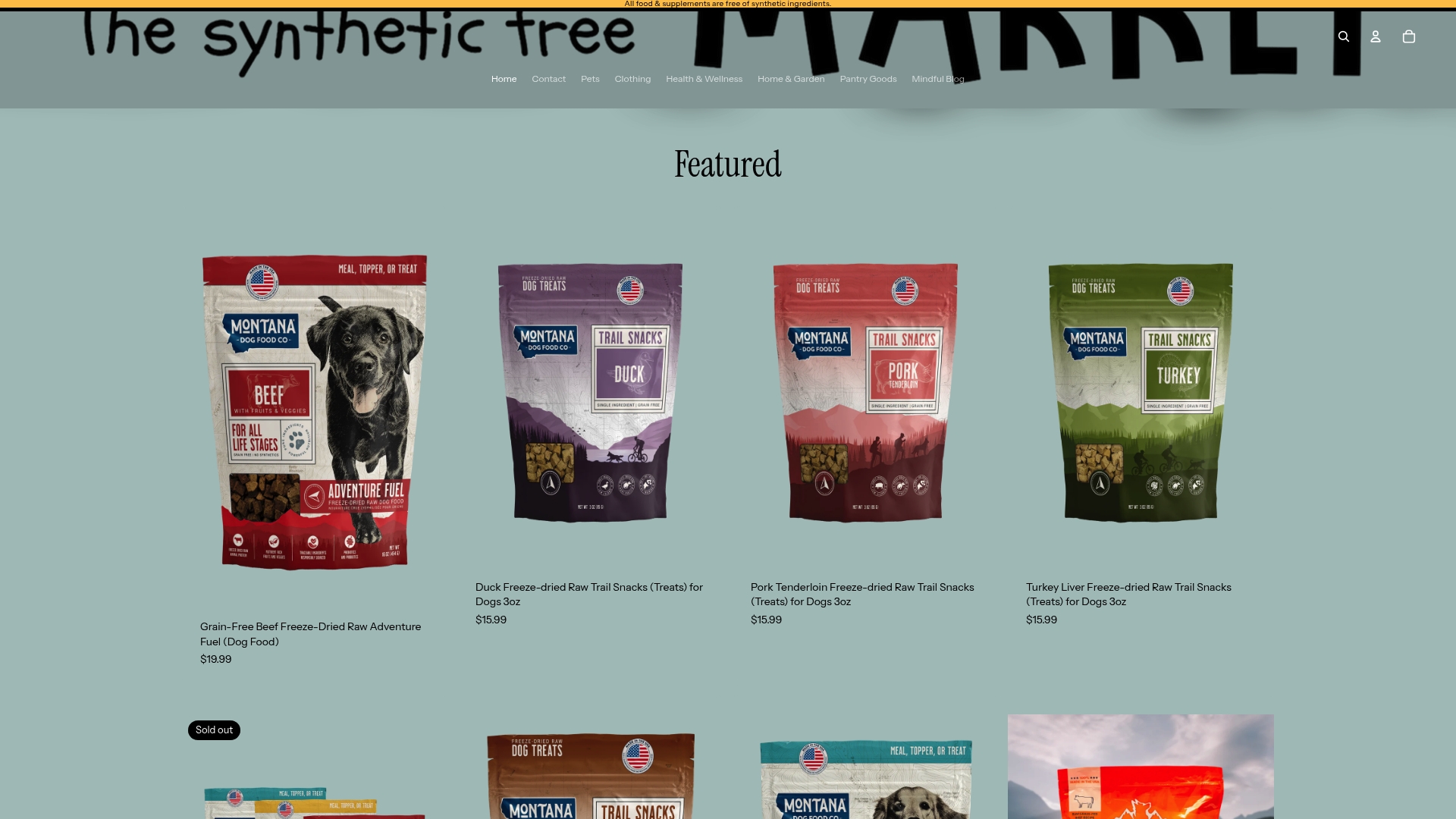
Mindful Botany Market carries a curated selection of whole food options designed for real food feeders. The pork whole food bites from Green Juju are freeze-dried, minimally processed, and easy to add to any homemade meal as a protein boost or standalone snack. For a complete single-protein option, the salmon wet dog food from Against the Grain contains 100% salmon with nothing else added. Both products support a real food approach without requiring hours of prep.
Frequently asked questions
Is a real food diet safe for all dogs?
Most dogs can thrive on real food, but puppies, seniors, and dogs with health conditions need specialized planning. Nutrient gaps, especially calcium and trace elements, can occur without careful meal structuring, so vet approval is recommended for dogs with existing health issues.
What supplements do I need when feeding my dog real food?
Calcium, zinc, copper, and iodine are the most commonly needed supplements in homemade diets. Raw diets’ calcium to phosphorus ratio typically measures 1.0, below the recommended 1.4, and copper, zinc, and iodine are frequently low without targeted whole food sources or supplementation.
How do I know my dog is getting enough nutrients?
Monitor energy levels, coat quality, stool consistency, and body condition week to week. Lower body condition scores and improved coat and stool reflect positive changes, and annual vet blood panels provide objective confirmation.
Can I mix real food with commercial dog food?
Yes, blending real food with quality kibble or wet food is a practical approach if full homemade feeding is not feasible. Even partial real food inclusion can improve digestibility and nutrient diversity over an all-kibble diet.
Recommended
- The Complete Guide to Synthetic Vitamins in Supplements & Pet Food – Mindful Botany Market
- Against The Grain All Life Stages Nothing Else! 100% Beef Wet Dog Food – Mindful Botany Market
- Against The Grain All Life Stages Nothing Else! 100% Salmon Wet Dog Fo – Mindful Botany Market
- Against The Grain All Life Stages Nothing Else! 100% Turkey Wet Dog Fo – Mindful Botany Market