


TL;DR:
- Grain-free diets benefit dogs with confirmed grain allergies and specific sensitivities.
- Most healthy dogs thrive on balanced, grain-inclusive, AAFCO-compliant dog foods.
- Consulting a vet is essential for personalized dietary decisions and monitoring your dog’s health.
Choosing the right food for your dog is harder than it should be. Grain-free formulas now fill entire store aisles, and the marketing behind them is loud and confident. But the science is more nuanced than the packaging suggests. Some dogs genuinely benefit from grain-free diets. Others do just as well, or better, on traditional grain-inclusive food. This guide cuts through the noise and breaks down the real benefits, the real risks, and the research behind both sides, so you can make a fact-based decision for your specific dog.
Table of Contents
- Key reasons pet owners consider grain-free dog food
- The pros of grain-free dog food
- The downsides of grain-free dog food
- Grain-free vs. grain-inclusive: Direct comparison
- Our take: Why a measured approach beats the hype
- Explore mindful, healthy options for your dog
- Frequently asked questions
Key Takeaways
| Point | Details |
|---|---|
| True grain allergies are rare | Most dogs tolerate grains and only a small number truly need grain-free diets. |
| Balanced nutrition is essential | AAFCO-compliant foods, whether grain-free or not, are safest and healthiest for long-term feeding. |
| Evidence doesn’t support broad risks | Recent research shows no heart risk in healthy dogs on properly balanced grain-free diets. |
| Individual needs matter | Your dog’s health should be the guide, not marketing trends or diet fads. |
Key reasons pet owners consider grain-free dog food
Pet owners switch to grain-free diets for a range of reasons, and not all of them are backed by strong evidence. Understanding what’s driving the trend helps you separate useful information from marketing.
The most common reasons owners go grain-free include:
- Suspected food allergies or sensitivities: Dogs that scratch, have loose stools, or experience recurring ear infections are sometimes assumed to have grain allergies.
- Desire for a more “natural” diet: Many owners believe grains are not a natural part of a dog’s ancestral diet and prefer food that reflects that.
- Digestive issues: Some dogs have trouble with certain grains, leading owners to try grain-free as a troubleshooting step.
- Marketing influence: Premium branding and terms like “ancestral,” “wild,” and “raw-inspired” push owners toward grain-free without always providing clear evidence.
First, it helps to know what “grain-free” actually means. These formulas contain no wheat, corn, rice, barley, or oats. Instead, they use alternative carbohydrate sources like sweet potatoes, peas, lentils, or chickpeas. The food still contains carbs. It just uses different sources.
Today’s pet food marketing is sophisticated. Labels use words like “raw,” “ancestral,” and “clean” to create a perception of superiority. That perception is not always grounded in nutritional science. For example, a single-ingredient beef wet dog food can be a clean, simple option, but it still needs to be part of a balanced diet.
Pro Tip: Not every adverse reaction is a grain allergy. True grain allergies in dogs are relatively rare. More often, dogs react to specific proteins like chicken or beef, not the grain itself. An elimination diet guided by your vet is the only reliable way to identify the actual trigger.
The pros of grain-free dog food
Grain-free diets do offer real advantages in specific situations. The key is knowing when those advantages actually apply to your dog.
Here are the main benefits worth considering:
- Helps dogs with confirmed grain allergies: If your vet has identified a true grain allergy through testing or an elimination diet, removing grains can meaningfully reduce symptoms like itching, digestive upset, and skin inflammation.
- Higher animal protein content: Many grain-free formulas prioritize meat-based ingredients, which can support muscle maintenance and overall energy in active dogs.
- Novel carbohydrate sources: Ingredients like sweet potato and lentils provide fiber and micronutrients that some dogs digest well.
- Coat and skin improvements: Some owners report shinier coats and reduced itching after switching, particularly in dogs with mild sensitivities.
One concern that held back grain-free adoption for years was the potential link to dilated cardiomyopathy (DCM), a serious heart condition. Recent research has added important context. An 18-month study found no cardiac changes in healthy dogs fed various carbohydrate sources, including grain-free formulas.
This does not mean all concerns are dismissed, but it does suggest that for healthy dogs eating a balanced diet, grain-free food does not automatically pose a cardiac risk.
A single-protein option like salmon wet dog food can be a useful starting point for dogs with suspected sensitivities, since it limits the number of ingredients and makes it easier to identify reactions.
Nutritional adequacy matters more than grain content. Whether you choose grain-free or grain-inclusive, always look for the AAFCO standards statement on the label. That statement confirms the food meets minimum nutritional requirements for your dog’s life stage.
The downsides of grain-free dog food
Grain-free diets are not a universal upgrade. There are real limitations and risks that every owner should understand before making the switch.
Here are the top concerns:
- Nutritional imbalance from substitute ingredients: Replacing grains with large amounts of peas, lentils, or potatoes can shift the nutritional profile in ways that are not always beneficial. Some of these ingredients contain compounds that may interfere with nutrient absorption.
- Possible cardiac risk for certain dogs: While recent research is reassuring for healthy dogs, some breeds and dogs with pre-existing heart conditions may still face elevated risk. The debate among veterinary cardiologists is ongoing.
- Higher cost without guaranteed benefit: Grain-free formulas typically cost more. If your dog has no diagnosed grain sensitivity, you may be paying a premium for no measurable health gain.
- Unclear allergy benefits for most dogs: Since true grain allergies are uncommon, many owners who switch for allergy reasons see no improvement because the actual trigger was something else entirely.
Knowing what goes into your dog’s food matters. Understanding synthetic vitamins in pet food is one way to evaluate whether a formula is genuinely nutritious or just well-branded.
AAFCO-compliant grain-inclusive foods remain a reliable, evidence-backed choice for most dogs. The balanced AAFCO-compliant foods standard means the food has been formulated or tested to meet your dog’s nutritional needs regardless of grain content.
Options like turkey wet dog food or freeze-dried beef dog food can offer high protein and clean ingredients without necessarily being grain-free, giving you flexibility based on your dog’s actual needs.
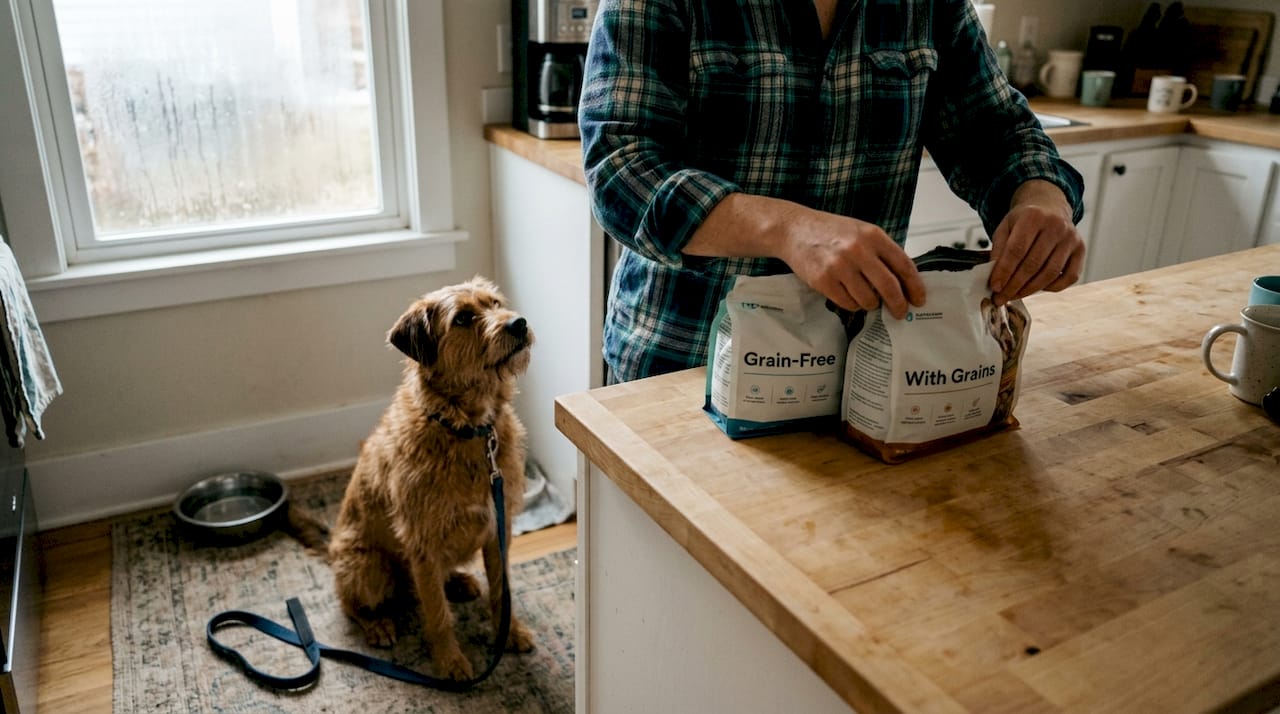
Grain-free vs. grain-inclusive: Direct comparison
Sometimes a direct side-by-side view makes the decision clearer. Here is how the two diet types stack up across the factors that matter most.
| Factor | Grain-free | Grain-inclusive |
|---|---|---|
| Best for | Dogs with confirmed grain allergies | Most healthy adult dogs |
| Protein sources | Often higher animal protein | Varies widely by brand |
| Carb sources | Potatoes, peas, lentils | Rice, oats, barley, corn |
| Cost | Generally higher | Generally lower |
| Clinical evidence | Mixed; no cardiac changes in healthy dogs | Strong long-term safety record |
| Allergy benefit | Only if grain is the confirmed trigger | Not applicable |
| AAFCO compliance | Available; always verify | Widely available |
Reading pet food labels is a practical skill worth developing. Look for the AAFCO nutritional adequacy statement, check that a named protein source appears first in the ingredient list, and note whether the formula is designed for your dog’s life stage.
A good option like freeze-dried lamb dog food shows how a minimally processed, single-protein formula can work well for dogs with sensitivities, grain-free or not.
Pro Tip: If your dog is healthy, active, and showing no signs of digestive or skin issues on their current food, a drastic dietary switch is rarely necessary. Stability in diet is often underrated. Constant switching can actually create new sensitivities over time.
Our take: Why a measured approach beats the hype
Grain-free dog food is not inherently better. It is also not inherently dangerous. The honest answer is that it depends entirely on the individual dog.
The pet food industry is driven by trends, and “grain-free” became a powerful marketing category before the science fully caught up. Most dogs do not have grain allergies. Most dogs thrive on balanced, AAFCO-compliant food, grain-free or inclusive. The label on the bag matters far less than what is actually inside it and whether it fits your dog’s specific health profile.
Vet guidance matters more than packaging claims. A vet who knows your dog’s history, breed, and health status will give you better direction than any marketing campaign. Options like duck wet dog food can be a practical, clean-ingredient choice, but only a vet can tell you if it is the right fit.
Watch your dog. Their coat, energy, digestion, and weight are the real indicators of whether a diet is working. No label can tell you that.
Explore mindful, healthy options for your dog
Finding quality dog food that fits your dog’s needs does not have to be complicated. Mindful Botany Market carries a curated selection of dog foods, including both grain-free and grain-inclusive options, chosen for ingredient quality and nutritional integrity.
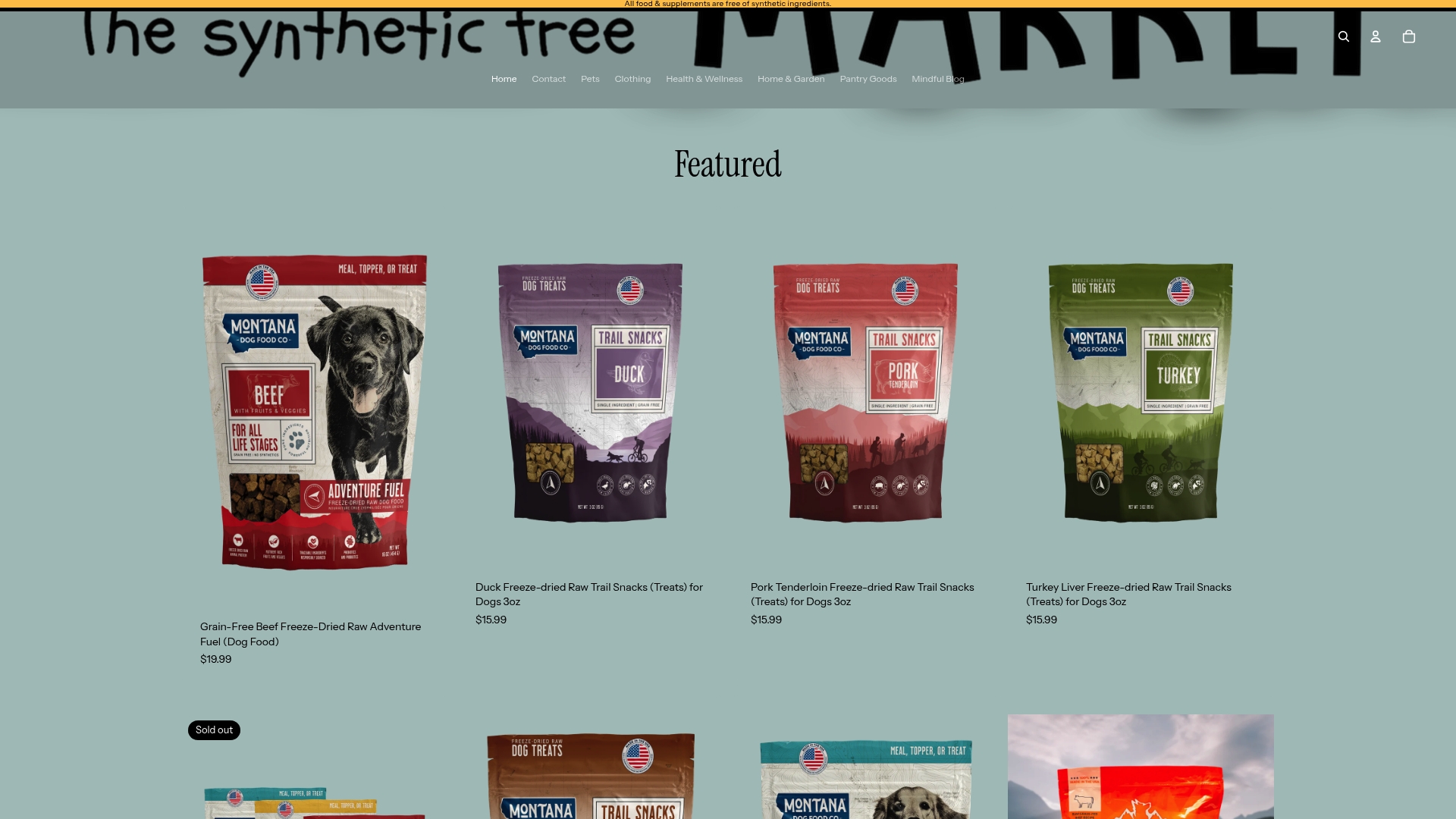
Browse options like 100% beef wet dog food or 100% salmon wet dog food for clean, single-protein formulas that make it easier to manage sensitivities. Whether you are looking for grain-free, freeze-dried, or raw-inspired options, Mindful Botany Market offers straightforward product information so you can make a clear, informed choice for your pet.
Frequently asked questions
Are grain-free dog foods safe for all dogs?
Grain-free diets are generally safe for healthy dogs when the formula is balanced and AAFCO-compliant, but an 18-month study found no cardiac changes in healthy dogs on grain-free food. Always check with your vet if your dog has a pre-existing condition.
Do most dogs need grain-free diets?
Most dogs do well on quality grain-inclusive diets unless they have a diagnosed grain allergy. Balanced AAFCO-compliant foods are considered safer long-term for heart health in the general dog population.
Can grain-free dog food help with skin allergies?
Grain-free food may help if your dog has a confirmed grain allergy, but many skin issues are caused by protein sensitivities or environmental factors, so a vet consultation is the right first step.
What should I look for when buying dog food?
Prioritize AAFCO-compliant formulas with a named protein source listed first, and ask your vet before making any significant dietary change for your dog.
Recommended
- Against The Grain All Life Stages Nothing Else! 100% Beef Wet Dog Food – Mindful Botany Market
- Against The Grain All Life Stages Nothing Else! 100% Salmon Wet Dog Fo – Mindful Botany Market
- Against The Grain All Life Stages Nothing Else! 100% Duck Wet Dog Food – Mindful Botany Market
- Against The Grain All Life Stages Nothing Else! 100% Turkey Wet Dog Fo – Mindful Botany Market