


TL;DR:
- Raw diets show higher digestibility and often result in leaner body conditions in dogs.
- They carry risks of nutritional deficiencies and bacterial contamination if not properly managed.
- Consulting a veterinarian is essential before switching to or choosing raw or alternative diets.
Most commercial dog foods claim to be complete and balanced, yet RMBD-fed dogs show leaner body conditions compared to dogs fed standard kibble. That single finding has pushed many pet owners to look more closely at what they are actually putting in their dog’s bowl. Raw meat-based diets, or RMBDs, are no longer a fringe idea. They are a growing category backed by emerging science, but also by real nutritional risks that deserve honest attention. This guide covers what raw feeding actually means, what the research supports, where the gaps are, and how to make a smart, informed choice for your dog.
Table of Contents
- What is raw dog food? Understanding the basics
- Digestibility and body composition: The science-backed advantages
- Metabolic effects: Energy, coat, and overall vitality
- Critical risks: Nutritional gaps and expert consensus
- A holistic perspective: What matters most when choosing your dog’s diet
- Explore your options for optimal pet health
- Frequently asked questions
Key Takeaways
| Point | Details |
|---|---|
| Superior digestibility | Raw diets are digested much more efficiently than typical kibble, resulting in better nutrient use. |
| Leaner body condition | Dogs fed raw diets generally have less body fat and better muscle tone than those on commercial kibble. |
| Nutritional risks | Many raw diets are deficient in essential minerals and may not provide balanced nutrition without expert oversight. |
| Observable improvements | Owners often report shinier coats and smaller stools, though these can occur with balanced cooked diets too. |
| Professional guidance needed | Veterinarians recommend that raw feeding be done only with careful planning and supervision to avoid health risks. |
What is raw dog food? Understanding the basics
Raw dog food, often called a raw meat-based diet or RMBD, is exactly what it sounds like. It is food made from uncooked animal ingredients, typically sourced and served without the high-heat processing used in kibble or canned food. RMBDs show different digestibility and body composition outcomes compared to commercial kibble, which is one of the core reasons holistic pet owners are drawn to them.
Kibble is made by extruding a mixture of ingredients at very high temperatures. That process extends shelf life but also alters proteins, destroys some heat-sensitive nutrients, and often requires synthetic vitamin and mineral supplementation to meet nutritional standards. Raw diets skip that step entirely. The food stays closer to its original form, which proponents argue preserves more bioavailable nutrients.
A typical raw diet includes several key components:
- Muscle meat: The primary protein source, such as beef, chicken, lamb, or pork
- Organ meat: Liver and kidney, which are dense in fat-soluble vitamins and minerals
- Raw meaty bones: A source of calcium and phosphorus, often ground or whole depending on the format
- Vegetables and fruit: Sometimes included in small amounts for fiber and phytonutrients
- Eggs and fish: Frequently added for omega-3 fatty acids and additional protein variety
Raw diets come in several formats: fresh/frozen raw, freeze-dried, and dehydrated. Freeze-dried options are particularly practical because they retain most of the nutritional profile of fresh raw while being shelf-stable and easy to portion. If you are exploring alternatives to raw but want something closer to whole food nutrition than kibble, wet dog food basics offer another angle worth considering. For dogs already on kibble, freeze dried toppers are a lower-commitment starting point.
Holistic pet owners tend to favor raw diets because they align with a whole-food philosophy: fewer synthetic additives, more recognizable ingredients, and a format closer to what dogs evolved eating.
Pro Tip: Switching to raw cold turkey can cause digestive upset. Transition gradually over 7 to 10 days, mixing increasing amounts of raw with your dog’s current food to allow the gut microbiome to adjust.
Digestibility and body composition: The science-backed advantages
Digestibility is a measure of how much of the food a dog actually absorbs versus what passes through as waste. It matters because a diet with poor digestibility can leave a dog nutritionally underfed even when calorie intake looks adequate on paper.
Recent research gives raw diets a clear edge here. Raw diets show a digestibility coefficient of 95.7% compared to just 57.1% for dry kibble. That is a substantial difference. It means a dog on a raw diet absorbs significantly more of the protein, fat, and micronutrients from each meal. Less goes to waste, and more goes to work.
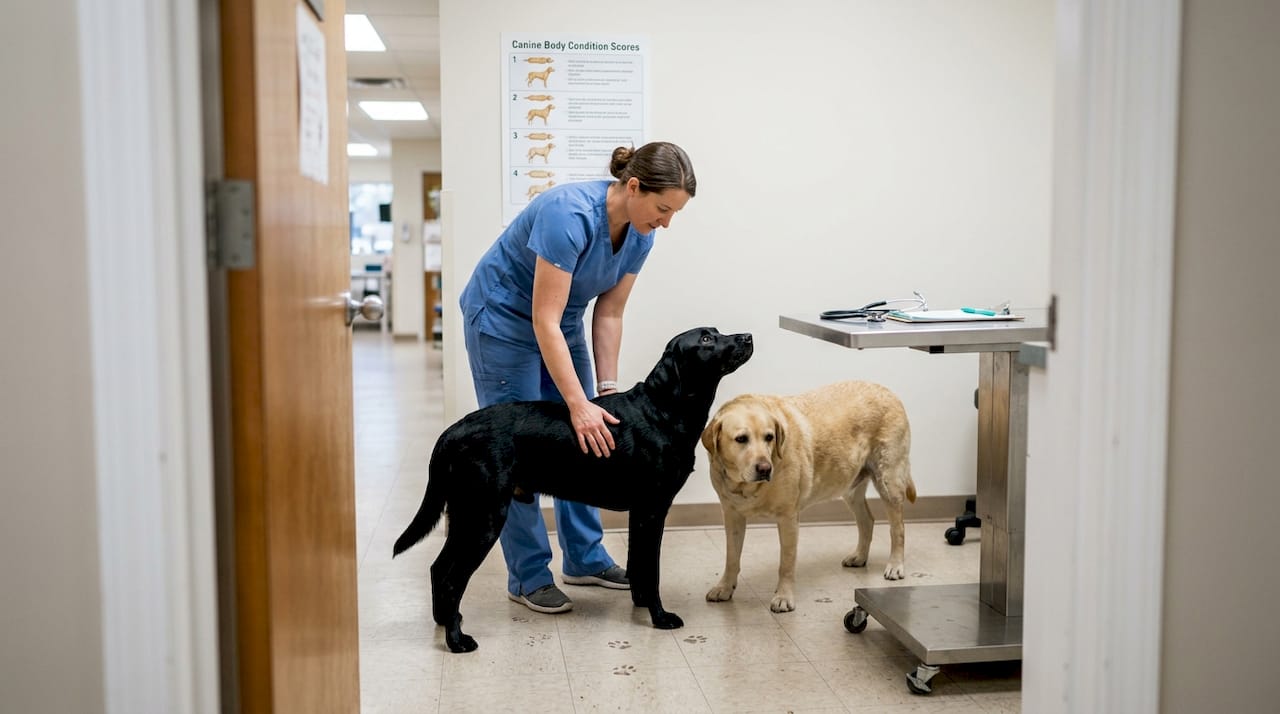
RMBDs show higher digestibility and lower obesity prevalence than kibble-fed dogs in controlled study comparisons. Body condition scores, which veterinarians use to assess whether a dog is underweight, ideal, or overweight, consistently trend leaner in raw-fed populations.
| Metric | Raw diet | Dry kibble |
|---|---|---|
| Digestibility coefficient | 95.7% | 57.1% |
| Body condition score | Leaner average | Higher obesity rates |
| Stool volume | Smaller | Larger |
| Obesity prevalence | Lower | Higher |
The reasons behind better digestibility are not fully settled, but several factors are likely at play:
- Protein structure: Undenatured proteins from raw meat may be more accessible to digestive enzymes
- Absence of fillers: Many kibble formulas include grain or starch-based binders that add bulk without nutritional payoff
- Moisture content: Raw food has high water content, which supports digestion and kidney function
- Enzyme activity: Raw food retains natural food enzymes that may assist in early-stage digestion
For pet owners looking for a freeze-dried option that delivers raw nutrition in a convenient format, a freeze dried beef diet preserves the nutritional density of raw without requiring frozen storage.
Metabolic effects: Energy, coat, and overall vitality
Beyond what gets absorbed, raw diets also appear to change how dogs metabolize nutrients at a systemic level. Raw diets improve glucose, cholesterol, and energy metabolism compared to kibble in documented metabolic studies. Blood glucose levels trend lower, total cholesterol drops, and triglycerides decrease. These are markers associated with reduced metabolic disease risk in both dogs and humans.
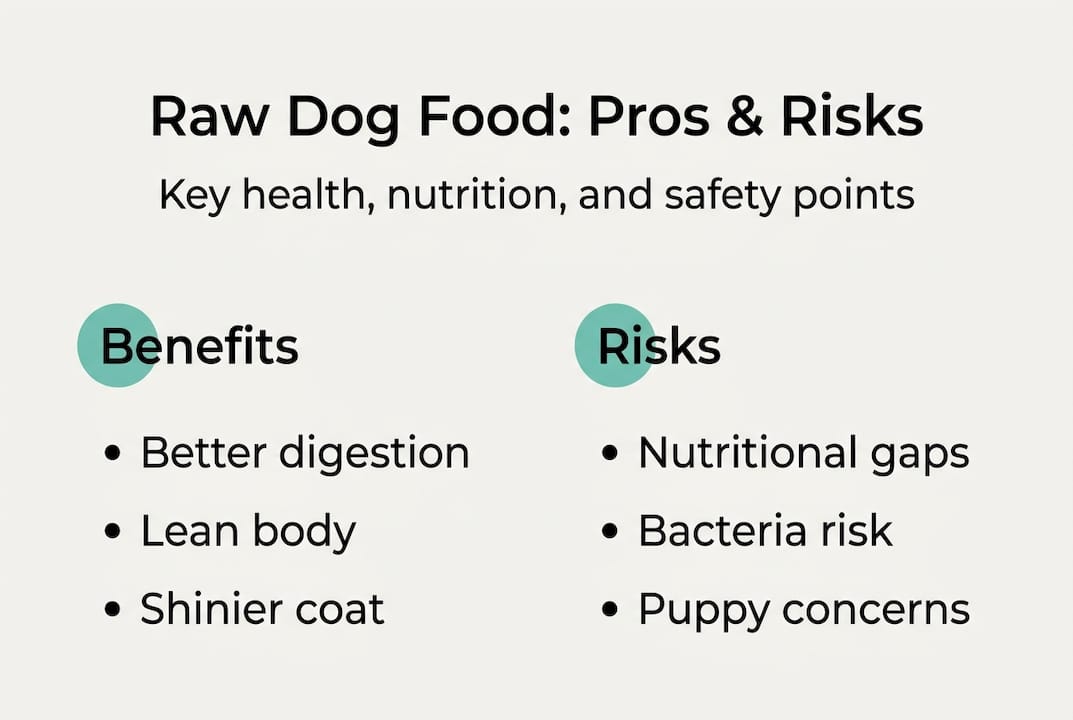
One particularly interesting finding is the increase in beta-hydroxybutyrate (BHB) in raw-fed dogs. BHB is a ketone body, a byproduct of fat metabolism. Elevated BHB suggests the body is efficiently burning fat for energy rather than relying heavily on glucose. This is not necessarily ketosis in the clinical sense, but it does indicate a metabolic shift that may support sustained energy levels and leaner body composition.
| Metabolic marker | Raw diet outcome | Kibble outcome |
|---|---|---|
| Blood glucose | Decreased | Elevated |
| Total cholesterol | Decreased | Higher baseline |
| Triglycerides | Decreased | Higher baseline |
| BHB (ketone body) | Increased | Lower |
Owner-reported observations often align with these lab findings. Common reports include:
- Shinier, softer coats: Likely linked to better fat absorption and omega-3 utilization
- More consistent energy: Less post-meal lethargy compared to carbohydrate-heavy kibble
- Smaller, firmer stools: A direct result of higher digestibility and less unabsorbed filler
- Reduced body odor: Anecdotally reported, possibly related to gut microbiome changes
Owner-reported benefits like shinier coats and smaller stools have some mechanistic support but are not exclusive to raw diets. Well-formulated cooked or freeze-dried diets can produce similar results. A freeze dried lamb formula is one example of a format that delivers whole-food nutrition with practical handling.
Pro Tip: If your primary goal is smaller stools and a shinier coat, a high-quality freeze-dried or cooked diet may achieve similar results without the handling complexity of fresh raw.
Critical risks: Nutritional gaps and expert consensus
The benefits above are real and documented. But the risks are equally real, and they deserve the same clear-eyed attention.
Many raw diets are deficient in essential minerals and may have improper calcium-to-phosphorus ratios. The minerals most commonly found lacking in home-prepared and commercial raw diets include:
- Selenium: Critical for immune function and thyroid health
- Zinc: Essential for skin integrity, wound healing, and immune response
- Copper: Needed for iron metabolism and connective tissue formation
- Manganese: Supports bone development and enzyme function
- Calcium and phosphorus balance: Improper ratios can cause skeletal problems, especially in growing puppies
These are not minor gaps. Chronic mineral deficiency can cause progressive health problems that are hard to detect until they become serious. Most commercial raw foods are not formulated to meet AAFCO (Association of American Feed Control Officials) standards for complete and balanced nutrition. That label matters because it signals that a food has been tested or formulated to meet minimum nutritional requirements across a dog’s life stage.
Veterinary consensus is clear: raw diets should only be fed under veterinary supervision, with regular nutritional assessment. The American Veterinary Medical Association and other major bodies advise against raw feeding due to both nutritional and pathogen risks.
Beyond nutritional gaps, raw meat carries bacterial contamination risks, including Salmonella and Listeria, which pose risks not just to the dog but to people in the household. Puppies, senior dogs, and immunocompromised animals face higher risk. If you are looking for a whole-food option with lower pathogen risk, salmon wet dog food offers quality protein in a safer, shelf-stable format.
A holistic perspective: What matters most when choosing your dog’s diet
The raw vs. kibble debate tends to get framed as a binary choice, and that framing does not serve pet owners well. Neither option is universally superior. The best diet for a dog is one that is nutritionally complete, appropriate for that dog’s life stage and health status, and consistently available in a safe format.
Raw feeding without proper formulation can cause real harm, particularly in puppies whose skeletal development depends on precise mineral ratios. At the same time, dismissing raw diets entirely ignores legitimate science on digestibility and metabolic benefits. The honest answer is that the format matters less than the formulation.
Many of the benefits associated with raw diets, including leaner body condition, better coat quality, and improved energy, are achievable through thoughtfully prepared cooked or freeze-dried diets. A pork freeze dried dog food can deliver whole-food nutrition with the safety and convenience that raw handling does not always offer.
The most important step any pet owner can take is to consult a veterinarian or board-certified veterinary nutritionist before making a significant diet change. Variety and professional guidance are the real foundations of long-term pet health.
Pro Tip: Rely on variety and professional advice when building your pet’s nutrition plan. Rotating protein sources and formats, including freeze-dried, wet, and cooked options, can cover nutritional gaps more effectively than any single diet approach.
Explore your options for optimal pet health
Understanding the science behind raw feeding is the first step. Finding quality products that meet high nutritional standards is the next one.
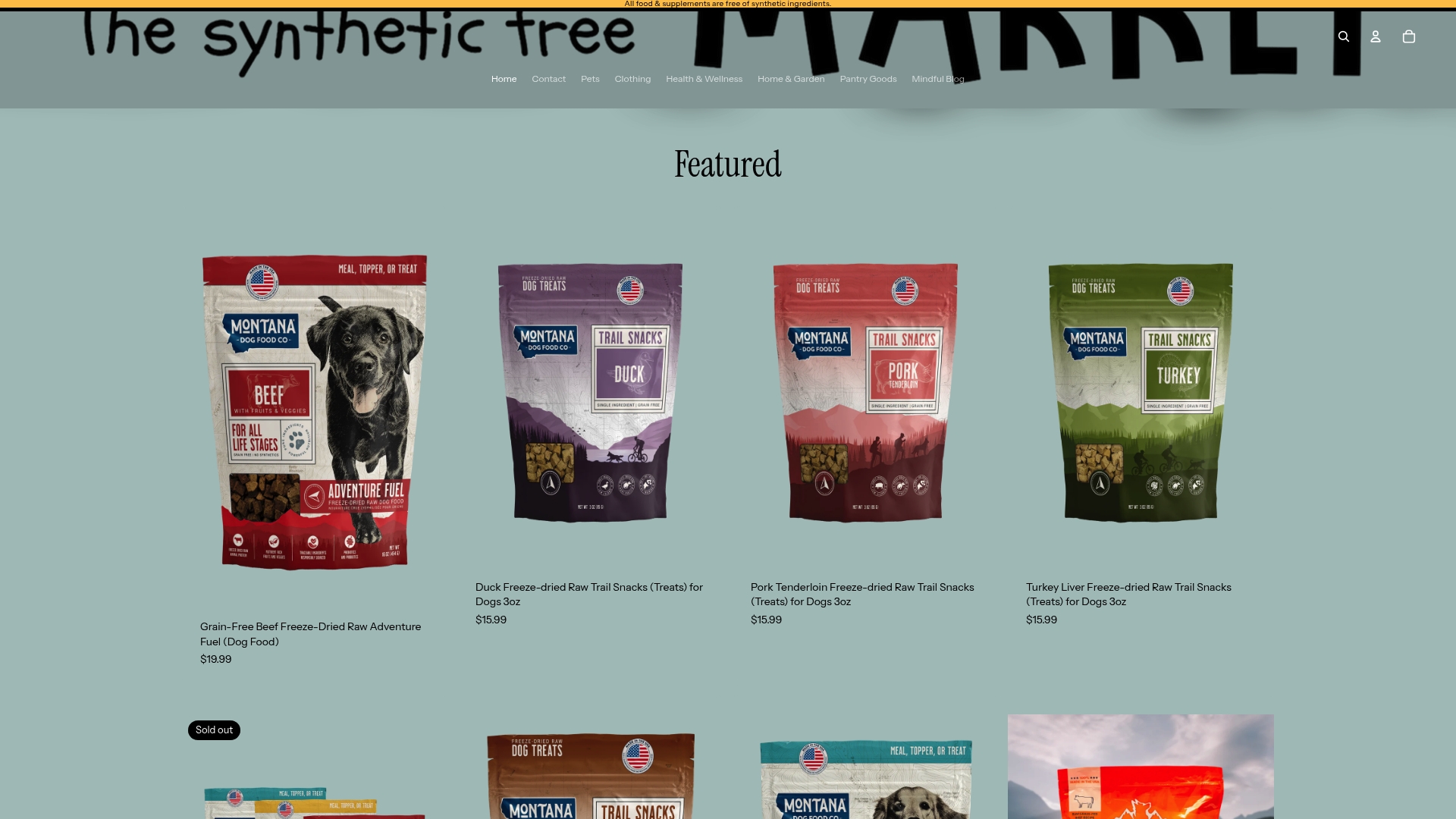
At Mindful Botany Market, the selection is built around natural, carefully sourced options for pets who deserve real food. From freeze dried pork bites to a full raw toppers selection, the catalog covers everything from complete freeze-dried meals to supplemental additions for dogs already on a base diet. Browse the full range of holistic pet nutrition options to find what fits your dog’s needs, life stage, and your household’s routine.
Frequently asked questions
Is raw dog food really better than kibble?
Raw diets offer metabolic and body composition benefits, but they also carry nutritional risks that can outweigh the advantages without proper formulation and veterinary guidance. Whether raw is better depends entirely on the specific diet and the individual dog.
What are the main health benefits of raw dog food?
Science supports improved digestibility, leaner body condition, and better metabolic markers in raw-fed dogs. Raw dog food improves energy metabolism and body condition scores compared to dry kibble in controlled comparisons.
Are there risks to feeding raw diets to my dog?
Nutritional deficiencies are frequent in RMBDs, particularly for minerals like selenium, zinc, and copper. Raw diets should only be fed under veterinary supervision to avoid progressive health problems.
Do the reported benefits of raw feeding last long-term?
Current research does not show that raw diets increase longevity or health span over well-balanced cooked diets. No proven longevity advantage exists for raw feeding when compared to other high-quality, complete diet formats.
Recommended
- Against The Grain All Life Stages Nothing Else! 100% Beef Wet Dog Food – Mindful Botany Market
- Against The Grain All Life Stages Nothing Else! 100% Salmon Wet Dog Fo – Mindful Botany Market
- Against The Grain All Life Stages Nothing Else! 100% Turkey Wet Dog Fo – Mindful Botany Market
- Against The Grain All Life Stages Nothing Else! 100% Duck Wet Dog Food – Mindful Botany Market