


Choosing health and wellness products that are truly non-toxic and ethically sourced is complicated when most retailers hide ingredient details or only carry mass-market brands. Many conventional marketplaces fail by grouping wellness, clothing, and home goods separately and rarely vet claims on transparency or sustainability, leaving buyers juggling multiple sites and second-guessing product origins. This comparison lets you judge safe ingredient lists, ethical sourcing, price ranges, and real buyer experiences across five health and wellness marketplaces so you can consolidate your shopping and align it with your values.
Table of Contents
- mindfulbotany.market
- UpHavin
- Indijiostore
- Truly Free
- KOVI Fabrics
- Comparative Analysis of Eco-Conscious Marketplaces
mindfulbotany.market
At a Glance
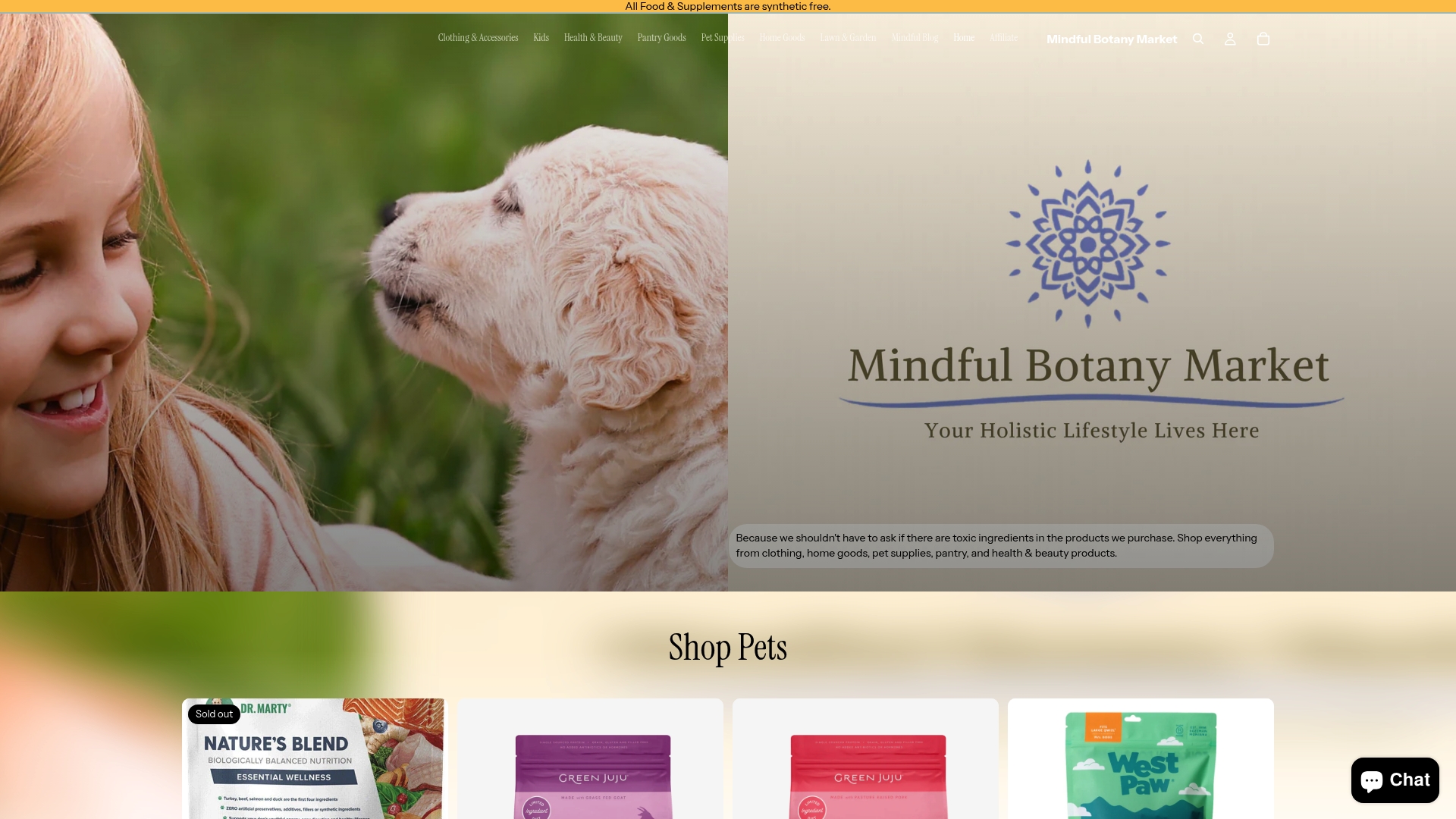
Most products on Mindfulbotany Market sit between $3.09 and $45.99, with pet foods commonly priced in the $35 to $45 band. The site aggregates curated, non-toxic items across clothing, pet supplies, home goods, personal care, pantry items, and botanical seeds.
Core Features
- Curated selection of natural and non-toxic products vetted per collection to reduce guesswork when you shop.
- Broad category coverage: pet, home, beauty, pantry, clothing, and garden seeds all searchable in one place.
- Visible ingredient and sourcing information on product pages so you can compare items quickly.
- Curated collections and category filters that let you browse by use case or lifestyle preference.
Key Differentiator
The single differentiator is a marketplace curated around ethical transparency. Mindfulbotany Market connects consumers with brands that emphasize toxin-free formulas and responsible sourcing, collecting those vendors into themed collections instead of leaving you to check dozens of brand sites.
Pros
-
The product focus on safety and ingredient clarity appeals directly to health-minded shoppers who want to avoid toxic inputs in everyday goods.
-
A broad multi-category catalog means you can buy pet food, personal care items, and eco-friendly home goods in a single checkout rather than juggling multiple specialty shops.
-
Collections reduce decision friction. Themed groupings such as “baby safe” or “pet wellness” speed up selection when you already know the attribute you need.
-
The marketplace style supports ethically driven producers by giving smaller brands visibility alongside established natural labels.
Cons
- Limited physical presence; shopping is mainly online which can hinder same-day pickup or in-person inspection before purchase.
Who It’s For
You if you are an eco-conscious buyer building a safe home or shopping for toxin-free pet food. Families, pet owners, and gardeners who prioritize sustainability and transparency and who are willing to pay a premium for verified sourcing will find this marketplace useful.
Unique Value Proposition
A single, curated catalog replaces multiple supplier searches. Instead of vetting separate brand sites for ingredient lists and ethical claims, you can compare those attributes side by side in one cart. That saves time and reduces the risk of buying products with hidden additives.
Real World Use Case
A parent subscribes to Mindfulbotany Market to restock non-toxic personal care, buy holistic pet food monthly, and source botanical seeds for a kitchen plot. Collections surface ready-made shopping lists and the checkout consolidates items from several small brands into one shipment.
Pricing
Most items fall between $3.09 and $45.99. Pet foods are often priced around $35 to $45, reflecting small-batch and ethically sourced ingredients. Prices skew toward premium but match the marketplace focus on safer formulations and responsible sourcing.
Website: https://mindfulbotany.market
UpHavin
At a Glance
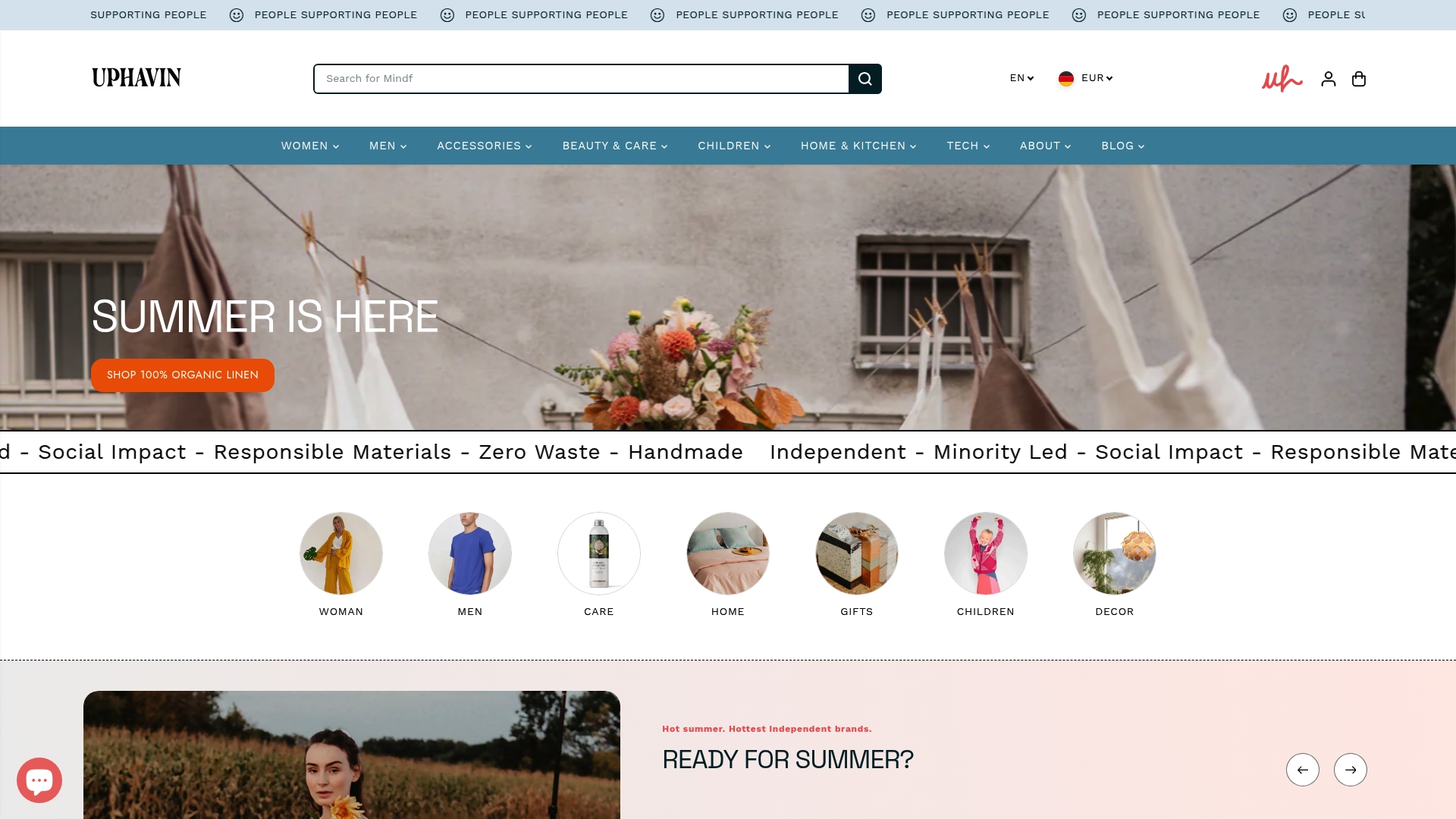
Fashion pieces on UpHavin typically range from €22 to €410, and home goods can top €1,210 — a pricing spread that reflects small-batch and handcrafted production costs. The marketplace focuses on curated, minority-led, eco-friendly brands and foregrounds each maker’s social impact and origin story.
Core Features
- Curated marketplace of independent, sustainable brands across fashion, beauty, home, accessories, and technology.
- Transparent brand pages that include sourcing, wage practices, and artisan background to help you judge provenance.
- Editorial blog and guides offering practical sustainability content and brand features for shoppers who want context.
- Curations and seasonal collections that highlight minority-led and small-scale artisans rather than mass-market items.
Key Differentiator
The site prioritizes storytelling alongside product listings: each brand entry emphasizes artisan roots, social impact, and responsible materials. That approach turns shopping into discovery; you buy a garment and also learn which workshop made it and what labor or waste practices were used.
Pros
- Supports diverse independent brands with ethical missions, making it easier to find minority-led designers and small artisan labels you would otherwise miss.
- Emphasizes transparency so you can read about materials, wages, and production methods before buying, which helps when comparing claims.
- Promotes handcrafted items and fair wages, which often means products have distinct details and a stronger local provenance.
- Educational content helps inexperienced shoppers make smarter choices on textile care, packaging waste reduction, and ingredient lists for beauty items.
- Community-minded curation encourages repeat discovery rather than a single purchase event, useful if you like rotating small-batch makers into your wardrobe.
Cons
- Customer feedback points to mixed product quality and inconsistency in fabric and sizing across sellers, which creates more returns and uncertainty.
- Delivery reliability varies by brand since fulfillment is controlled by individual artisans — some buyers report delays and weak tracking updates.
- Prices skew higher than mass-market alternatives because small-batch production and ethical wages raise costs; that matters if budget is the primary filter.
- The product range can feel uneven; high-quality finds sit next to items that need closer inspection before purchase.
When It May Not Fit
If you need consistent sizing, tightly controlled quality, or fast, uniform shipping, UpHavin’s model may frustrate you. Buyers who prioritize low price over provenance or who require enterprise-level guarantees on fulfillment should look elsewhere.
Who It’s For
Eco-aware European shoppers who want to support small, independent, and minority-led brands and who value transparency about sourcing and labor. Ideal if you shop for handcrafted home goods, responsibly made clothing, or ethical beauty and enjoy learning each maker’s story.
Real World Use Case
A shopper seeking a sustainable gift browses curated collections, reads a brand’s social impact profile, and selects an eco-friendly skincare set. They complete a secure checkout and benefit from free shipping above a threshold, then follow the artisan’s updates until the package arrives.
Pricing
Prices vary by category: fashion generally runs €22 to €410, beauty from €4.95 to €119, and home items from €9.90 to over €1,210. The site advertises free shipping on select orders and occasional discounts offered by participating brands.
Website: https://uphavin.com
Indijiostore

At a Glance
Partner-funded programs on Indijiostore support reforestation, biodiversity, and community projects worldwide, a visible commitment tied to many product listings. Customer reviews, however, flag recurring shipping delays and uneven product quality, which temper the appeal for buyers who need dependable delivery.
Core Features
- Vets each item for regenerative, zero-waste, and carbon-neutral impact so product claims are filtered before listing.
- Partners with artisans and regenerative brands that prioritize fair wages and responsible sourcing.
- Runs carbon offset programs that direct funds to reforestation and biodiversity initiatives.
- Curated categories across home, personal care, food, fashion, kids, outdoor gear, and wellness to support eco-conscious lifestyles.
Key Differentiator
The marketplace pairs a curated catalog with a visible funding model for environmental projects. That positioning makes purchases feel like donations with utility rather than pure retail transactions. This approach narrows the audience: shoppers who want traceable impact alongside product utility, rather than bargain hunters or same-day buyers.
Pros
- The public link between purchases and environmental projects helps shoppers track impact and feel connected to results. That transparency is rare among mainstream marketplaces.
- Curated categories reduce discovery friction for sustainable essentials so you spend less time hunting for vetted options.
- Artisan partnerships mean many items offer craftsmanship and social benefit rather than mass production.
- Emphasis on circular economy principles encourages compostable and refillable options that cut household waste.
- The platform’s mission aligns with conscious consumers who prioritize ethical sourcing and community support.
Cons
- Customer feedback points to unreliable shipping times and delays that undermine repeat purchases for time-sensitive households.
- Product quality appears inconsistent across sellers, which conflicts with the store’s high-standards messaging.
- Higher price points limit accessibility for budget-minded buyers preferring lower-cost alternatives.
- The site provides limited granular detail on specific factories or manufacturing audits, leaving some sourcing questions unanswered.
When It May Not Fit
If you need predictable delivery windows or live outside the store’s effective shipping region, this marketplace will likely frustrate you. If your priority is lowest possible price or same-day convenience, the curated regenerative model will feel restrictive and costly.
Who It’s For
Conscious consumers who are willing to invest more per item to support fair wages, regenerative agriculture, and biodiversity projects. Best for households seeking toxin-free daily products and buyers who value traceable impact over price competition.
Real World Use Case
A buyer selects a regenerative food box and household staples on a monthly subscription to reduce their carbon footprint. They remain engaged with the program because of the visible project funding, even after experiencing a delayed shipment and one product that arrived below expectation.
Pricing
Prices vary by category and trend toward mid to premium ranges that reflect ethical sourcing and small-batch production. Shipping costs and subscription terms are not clearly detailed on the site, so expect to review checkout estimates before committing.
Website: https://indijiostore.com
Truly Free
At a Glance
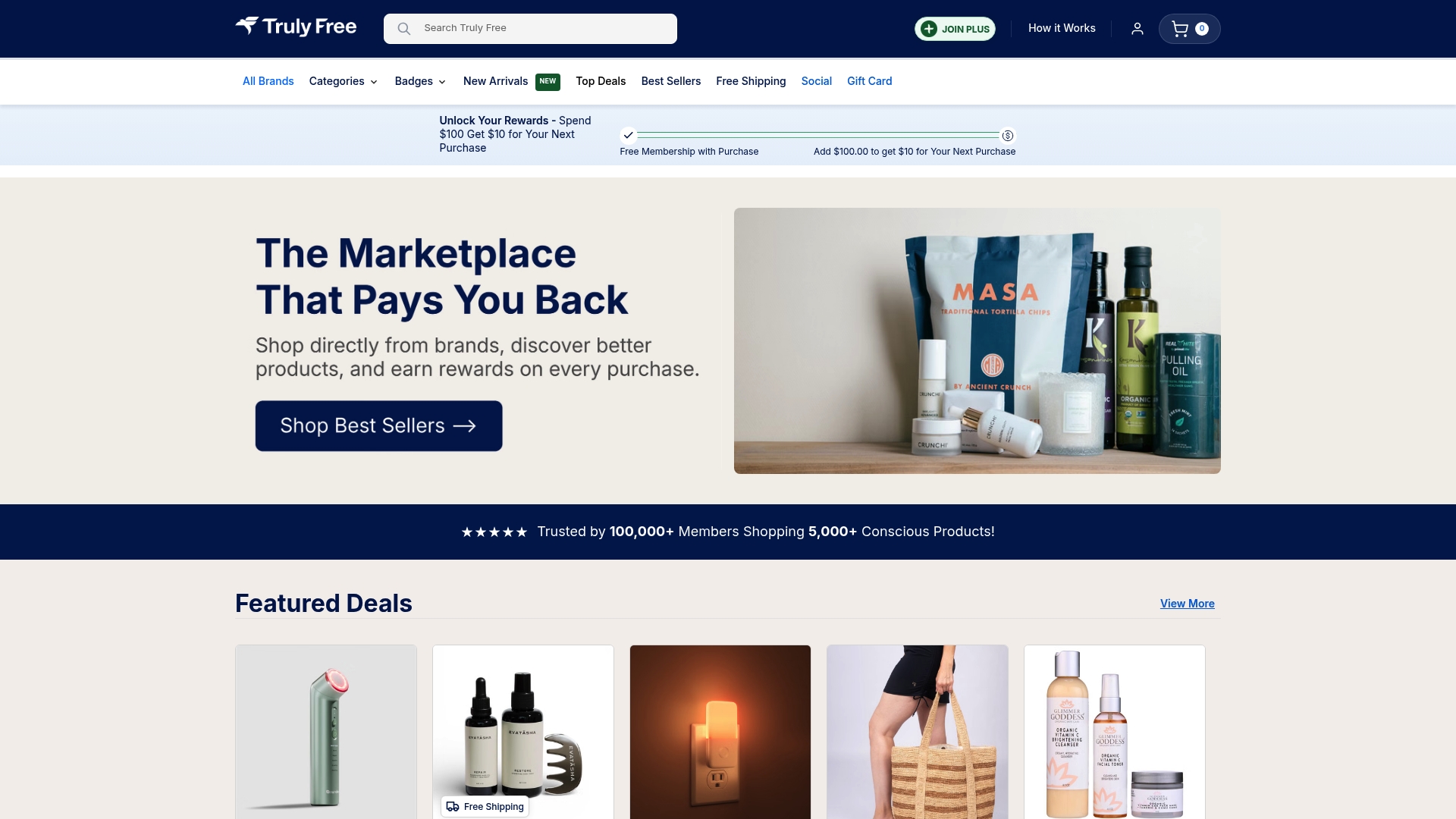
The standout feature is the reward system called Talents that customers earn with purchases and redeem for future discounts. Truly Free centers its marketplace on independent brands that promise transparency, safety, and eco friendly sourcing.
Core Features
Truly Free vets brands for transparency and sustainability, highlighting ingredient lists and sourcing notes for each product. The site supports small brands across personal care, wellness, pet supplies, and apparel while offering community content and creator collaborations.
Free membership comes with purchase and gives members cashback and savings through the Talents program. Shipping thresholds and promotional mechanics are visible on product pages so members know when they reach free shipping.
Key Differentiator
What separates Truly Free is the combination of a community focus plus a built in reward loop. Talents ties purchases to repeat savings and educational content nudges customers toward brands that publish sourcing and safety details.
That design nudges loyalty toward small transparent brands rather than generic discount chasing. The result feels curated for shoppers who want values aligned with purchases.
Pros
-
Supports independent, transparency focused brands across everyday categories so you can consolidate shopping for home, body, and pets.
-
Talents rewards make repeat orders tangible; earned credits cut future spending and stack with member promotions.
-
Strong educational content and creator collaborations help you assess product origins without digging through dense labels.
-
Free membership with purchase unlocks cashback and member savings immediately instead of waiting for a threshold or annual fee.
-
Visible product pages that call out cruelty free and eco friendly practices reduce guesswork when comparing similar items.
Cons
-
Several users report slow shipping and fulfillment delays, which undermines the marketplace promise of dependable delivery.
-
Reported aggressive marketing and subscription enrollment practices may frustrate shoppers who prefer opt in only communications.
-
Promotions and discounts have confused customers, with some reporting misleading offer language during checkout.
-
International shipping is limited, so non domestic buyers will find selection and delivery options constrained.
When It May Not Fit
If you need fast, predictable fulfillment for repeat shipments, Truly Free’s reported delays and limited international reach are poor fits. If you dislike subscription prompts, the reported marketing style will feel off putting. Bulk buyers seeking enterprise arrangements will find this marketplace focused on smaller orders.
Who It’s For
Conscious shoppers who prioritize ingredient transparency, cruelty free labeling, and eco friendly sourcing. Ideal for people who enjoy community content and earning rewards that directly reduce future purchases while supporting small brands.
Real World Use Case
A customer orders eco friendly personal care and pet supplies, earns Talents on that purchase, and applies those credits at checkout two months later. Along the way they use educational posts to verify sourcing and choose a brand that publishes third party testing details.
Pricing
Most items fall between $10 and $50 with premium products up to $500. The vendor advertises free shipping on orders over $75 and member discounts and cashback through Talents that lower out of pocket costs.
Website: https://trulyfree.com
KOVI Fabrics
At a Glance
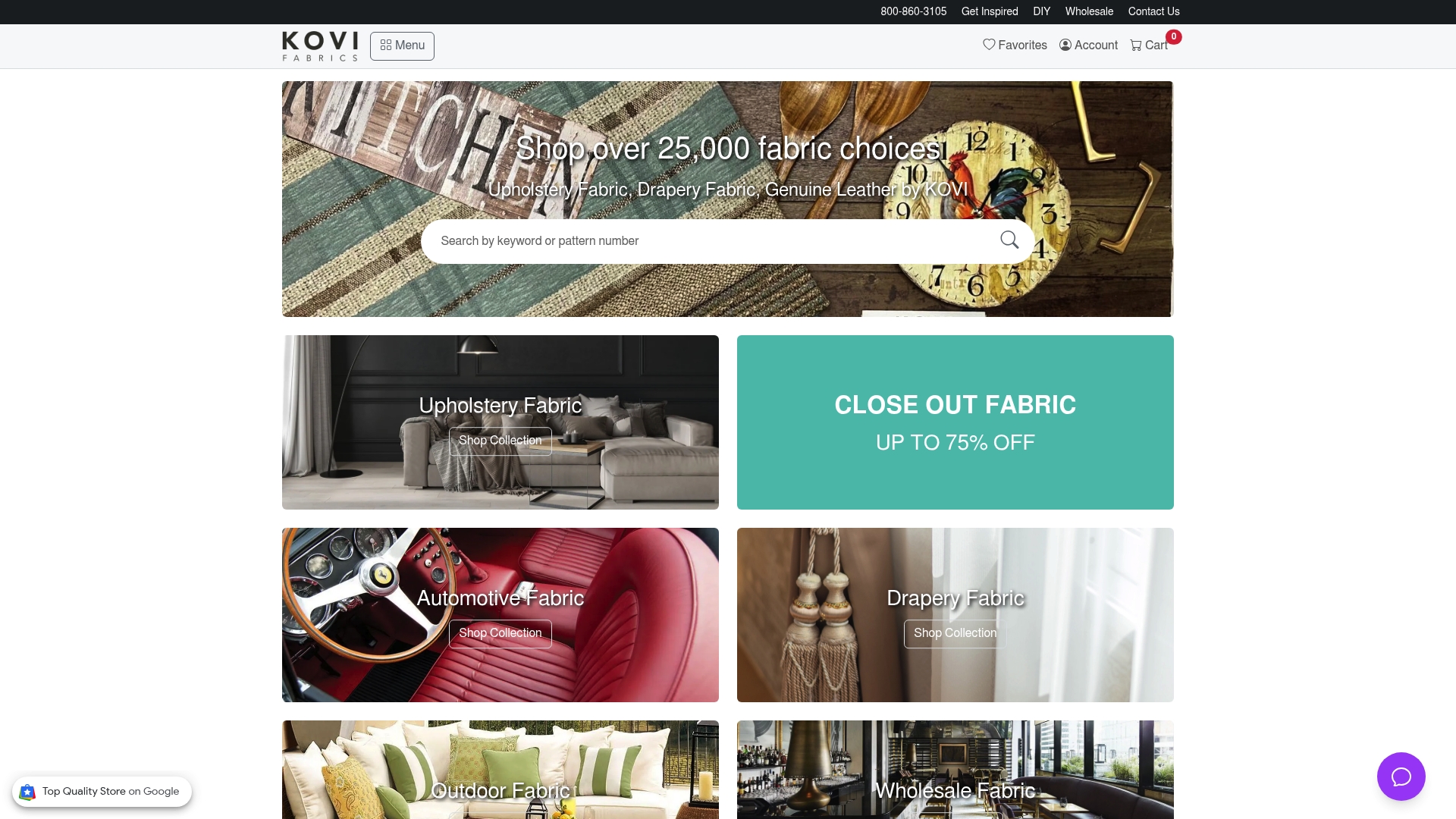
KOVI Fabrics advertises a selection exceeding 25,000 fabric options, covering upholstery, drapery, performance textiles, vinyl, and leather. The site pairs that breadth with a sample program and free shipping on orders over five yards, which helps speed material decisions for projects.
Core Features
KOVI groups fabrics by color, pattern, type, and application so you can narrow choices quickly for a given use.
- Extensive categories for upholstery, drapery, outdoor, automotive, and leather fabrics.
- Sample program with credits toward future purchases, letting you test texture and color before committing.
- Trade and wholesale programs for industry buyers plus free shipping on orders over five yards within the United States.
Key Differentiator
What sets KOVI apart is the direct-from-manufacturer sourcing paired with a marketplace layout. That combination keeps a wide catalog in one place and often reduces markup compared with multi-tier distribution. The platform focuses on enabling bulk purchases with trade pricing and practical fulfillment features for design and upholstery workflows.
Pros
- Wide selection that spans specialty categories. You can find performance fabrics next to leather and vinyl without hopping between suppliers.
- Intuitive filters let you shop by color or application, which cuts browsing time when matching a client palette.
- Free shipping on larger orders reduces per-yard cost for upholstery runs and trade projects.
- The sample credits program lowers risk for color-critical decisions in client work.
- Dedicated wholesale and trade support simplifies volume ordering and project discounting for pros.
Cons
- International buyers face limits: shipping is primarily within North America, which restricts access for global customers.
- Price variance across the catalog can confuse newcomers; entry-level textiles sit near $10 per yard while luxury collections run much higher.
- Some custom or specialty fabrics have longer lead times and sample delays, which can slow tight renovation schedules.
When It May Not Fit
If you need same-day, in-person fabric inspection, this marketplace will frustrate you; KOVI has no brick-and-mortar sampling locations. Also, designers working on international projects should expect higher shipping complexity and costs because service focuses on the United States.
Who It’s For
Interior designers, upholsterers, furniture makers, and small resellers who buy in yards and value a wide catalog will get the most from KOVI. DIY renovators who want lots of choices and an easy sample process also benefit, provided they can wait for specialty lead times.
Real World Use Case
A small design studio orders multiple samples to match a client’s living room palette, credits samples toward a bulk upholstery purchase, and uses the wholesale program for discounted yardage. Customer support helps confirm abrasion and cleaning ratings before installation.
Pricing
Most fabrics are listed between $10 and $50 per yard, with premium collections priced above that range. Free shipping applies to orders over five yards within the United States; smaller orders incur standard shipping fees.
Website: https://kovifabrics.com
Comparative Analysis of Eco-Conscious Marketplaces
When considering eco-conscious marketplaces, it’s essential to evaluate the specific features, product offerings, and user experience provided to determine the best fit for individual needs. Here we explore the differences among five contenders: mindfulbotany.market, UpHavin, Indijiostore, Truly Free, and KOVI Fabrics.
Breadth of Ethical Offerings
Mindfulbotany.market stands out by offering a broad selection across multiple essential categories, from personal care to pet food to gardening supplies, all in one cart. By contrast, platforms like UpHavin and Indijiostore focus heavily on furnishing artisanal and ethically sourced goods within more niche categories (fashion and regenerative goods respectively). The ability to access diverse essentials in one transaction makes Mindfulbotany.market particularly suited for families and individuals managing a sustainable household.
Focus on Storytelling and Transparency
UpHavin excels in connecting purchases to makers through detailed brand stories and transparent disclosures about sourcing and production. This emphasis makes shopping on UpHavin a more intimate and informed experience, particularly appealing to customers who value the social impact of their purchases and enjoy learning about artisan creators. Similarly, Truly Free uses a rewards-focused model to incentivize repeated purchases, appealing to those who value long-term benefits in loyalty programs.
Delivery and Accessibility
Mindfulbotany.market’s primary focus on online services may result in limitations regarding immediate local fulfillment. On the other hand, challenges such as shipping delays and product variance are common across competitors like Indijiostore and Truly Free, where artisan or small-batch sourcing can impact lead times and consistency. A reliable delivery approach is vital for users requiring time-sensitive supply chains.
Best Fit Uses
- mindfulbotany.market: For customers needing a one-stop solution for multiple product categories emphasizing toxin-free and sustainable goods.
- UpHavin: For those who appreciate detailed craftsmanship stories and support minority-led designer brands.
- KOVI Fabrics: For professionals and DIYers needing high-quality, varied textile options with sampling opportunities.
- Indijiostore: Perfect for conscious consumers willing to trade immediate convenience for impact-focused buying.
- Truly Free: Ideal for users who frequently buy eco-friendly essentials and wish to benefit from rewards.
Our Pick
Out of the options, mindfulbotany.market demonstrates the most approach for eco-conscious buyers looking for everyday essentials sourced with transparency. While it may not offer the granular storytelling found with competitors like UpHavin, its curated product diversity ensures a reliable hub for managing a toxin-free lifestyle. However, individuals prioritizing artisanal narratives or rewards-based loyalty might explore the other contenders to better meet these preferences.
Health and Wellness Marketplaces Compared
Explore which platform combines transparency, curation, and eco-consciousness to cater to your wellness-focused shopping needs.
| Platform | Core Feature | Key Differentiator | Best For | Pricing | Notable Limitation |
|---|---|---|---|---|---|
| Mindfulbotany | Curated natural and non-toxic goods | Single catalog for vetted ethical products | Eco-conscious families | $3.09–$45.99 | Limited to online shopping |
| UpHavin | Ethical independent fashion brands | Focus on artisan and minority-led creators | European sustainable shoppers | €9.90–€1,210 | Mixed sizing and material consistency between vendors |
| Indijiostore | Regenerative, zero-waste products | Purchases support environmental projects | Sustainability-invested buyers | Not disclosed | Shipping reliability varies significantly |
| Truly Free | Rewards system for sustainable brands | Cashback rewards with Talents program | Transparency-focused shoppers | $10–$500 | Reports of slow shipping and aggressive marketing practices |
| KOVI Fabrics | Wide range of upholstery textiles | Direct-from-manufacturer sourcing | Interior designers | $10–$50 per yard | Limited to North American shipping |
Choose Safer Fabrics and Wellness Products with Mindfulbotany
The search for high-quality fabrics that align with your values can feel challenging. Many marketplaces struggle with inconsistent quality, lack of ingredient clarity, or slow fulfillment. Mindfulbotany is different. As a Health & Wellness Marketplace for people and pets, Mindfulbotany focuses on curated non-toxic products that put ingredient transparency and ethical sourcing first. Whether you seek fabrics or wellness items, you can shop confidently knowing every product meets strict standards.
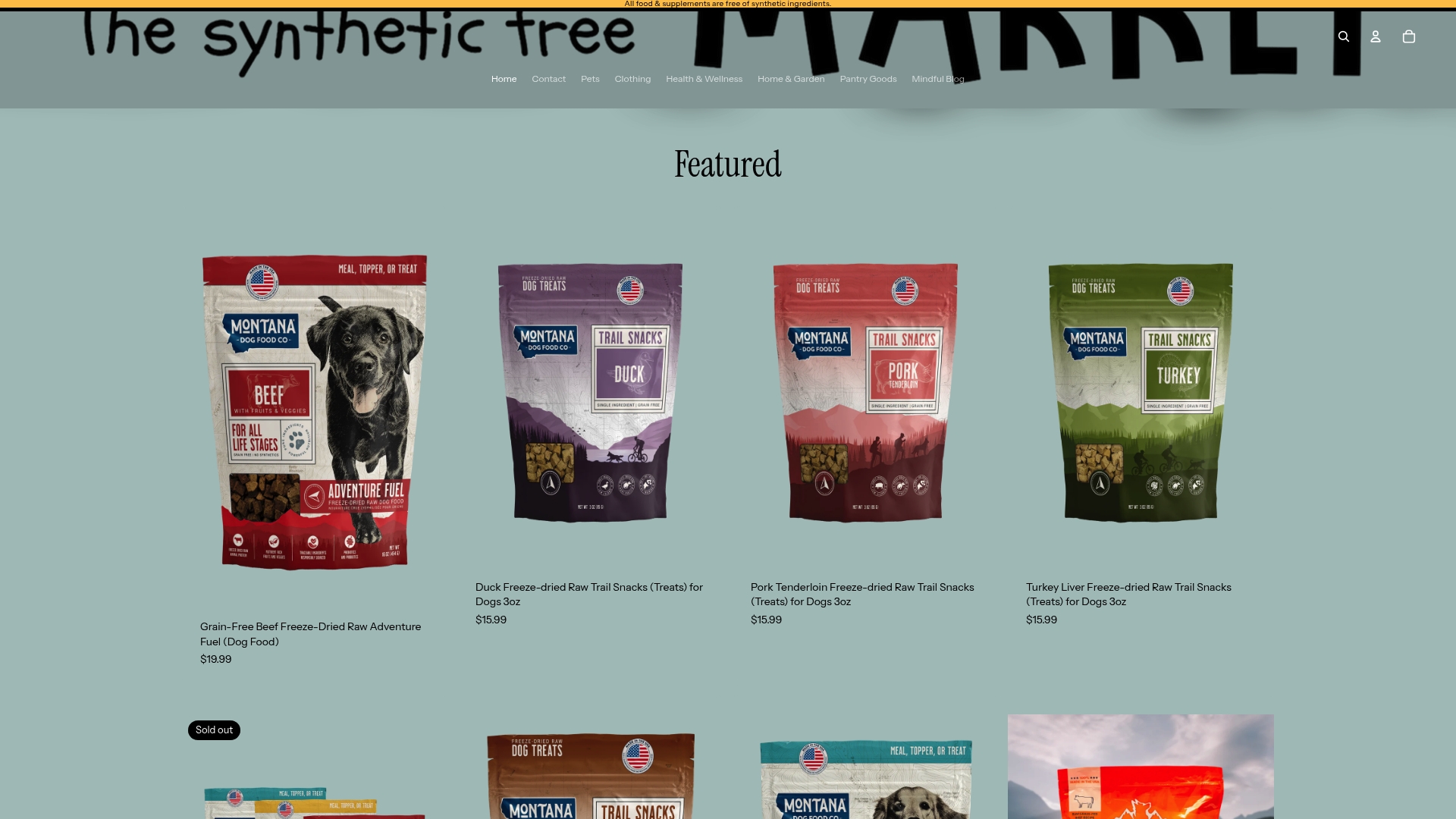
Stop guessing about what’s in your fabrics and personal care. Visit Mindfulbotany to explore a carefully vetted catalog designed for health-conscious shoppers. Take control of your purchase decisions and reduce the risk of hidden toxins by comparing product information side by side all in one place.
Frequently Asked Questions
How does Mindfulbotany support eco-conscious shoppers?
Mindfulbotany offers a curated selection of natural and non-toxic products across diverse categories including clothing, personal care, and pet supplies. This marketplace emphasizes toxin-free formulas and responsible sourcing, which is particularly appealing for health-minded shoppers. You can conveniently shop for a range of essentials in one place, ensuring your purchases align with your eco-friendly values.
What is the difference between Mindfulbotany and UpHavin?
UpHavin prioritizes curated, minority-led brands and focuses on the social impact of each maker. In contrast, Mindfulbotany provides a broader multi-category catalog that allows you to buy everything from pet food to beauty products in a single checkout. If you prefer supporting independent designers with unique stories, UpHavin may be more suitable, while Mindfulbotany excels in providing a comprehensive array of toxin-free products.
What pricing range can I expect from Mindfulbotany products?
Most items on Mindfulbotany range from $3.09 to $45.99, with pet foods often priced between $35 and $45. This pricing reflects the marketplace’s focus on premium, non-toxic items ensuring safety in everyday goods. You can plan your budget accordingly if you’re looking for safe, ethically sourced alternatives.
Can I find detailed ingredient information on Mindfulbotany products?
Yes, Mindfulbotany provides visible ingredient and sourcing information on product pages to facilitate quick comparisons. This transparency is particularly beneficial for customers looking to make informed choices about their purchases, especially if you want to avoid hidden additives in the products you choose.
How does Mindfulbotany reduce decision-making stress for shoppers?
Mindfulbotany curates collections of products grouped by specific themes or lifestyles, such as “baby safe” or “pet wellness.” This organization makes it easier for shoppers to find items that meet their specific needs without wading through a sea of choices. You can efficiently navigate options that cater to your preferences and quicken your purchase decisions.
0 comments