


TL;DR:
- Choosing truly synthetic-free clothing is challenging due to misleading marketing claims and incomplete product components. Certification standards like GOTS and OEKO-TEX ensure fiber authenticity, chemical safety, and supply chain integrity, making them essential for genuine sustainability. Prioritizing fully certified natural fibers and examining all garment parts helps align wardrobe choices with environmental and personal health values.
Choosing clothing free of synthetic materials is harder than it should be. Labels say “natural” while the garment contains elastane. Products are marketed as “organic” with no certification to back the claim. For anyone prioritizing genuinely synthetic-free fashion apparel, the gap between marketing language and what’s actually in the fabric can be significant. This guide cuts through that confusion with clear criteria: fiber type, certifications, chemical safety, and practical tips for building a wardrobe that actually matches your values.
Table of Contents
- Key takeaways
- 1. Organic cotton: soft, scalable, and widely available
- 2. Linen and flax: breathable choices for warm climates
- 3. Hemp: durable, low-impact, and underrated
- 4. Wool and merino: temperature regulation and odor resistance
- 5. Silk and alpaca: niche natural fibers worth knowing
- 6. How the three key certifications actually differ
- 7. How to spot hidden synthetics in “natural” clothing
- 8. Organic cotton vs. hemp: a direct comparison
- 9. Making the right call based on your lifestyle and priorities
- My take on the synthetic-free clothing market in 2026
- Supporting your synthetic-free lifestyle with Mindfulbotany
- FAQ
Key takeaways
| Point | Details |
|---|---|
| Check all garment components | Shell, lining, threads, and trims all need to be synthetic-free, not just the outer fabric. |
| Prioritize GOTS for full-chain assurance | GOTS certification covers the entire supply chain, not just fiber content. |
| Use OEKO-TEX for chemical safety | OEKO-TEX STANDARD 100 confirms no harmful substances, even in non-organic garments. |
| Hemp beats organic cotton for durability | Hemp requires less water and produces a stronger, longer-lasting fiber than organic cotton. |
| Dual certification is the gold standard | Combining GOTS and OEKO-TEX gives you both organic integrity and chemical safety confirmation. |
1. Organic cotton: soft, scalable, and widely available
Organic cotton is the most accessible entry point into sustainable clothing. It’s soft against skin, available across price points, and found in everything from casual wear collections to trendy dresses. The key distinction is certification. Without third-party verification, “organic cotton” on a label is a marketing claim, not a guarantee.
GOTS-certified organic cotton requires at least 70 to 95 percent certified organic fiber content depending on the label tier, and covers processing, dyeing, and social standards throughout the supply chain. That is a fundamentally different standard than a brand simply claiming natural origins.
Pro Tip: When buying organic cotton clothing for sensitive skin, look for GOTS certification plus an OEKO-TEX STANDARD 100 label. Together, they confirm both the fiber and the chemical safety.
2. Linen and flax: breathable choices for warm climates
Linen is made from flax, and few natural fibers match it for breathability in summer fashion styles. It wicks moisture efficiently, gets softer with each wash, and has a low-impact growing cycle that requires minimal pesticides and irrigation.
The trade-off is texture. Linen starts stiffer than cotton and wrinkles easily, which puts some buyers off. But for warm-climate wear or summer casual outfits, it is one of the most practical sustainable clothing options available. Linen blends are common in trendy dresses and lightweight tops, though blends often introduce synthetic content, so check the full fiber breakdown before purchasing.
3. Hemp: durable, low-impact, and underrated
Hemp is durable and breathable, and its farming footprint is significantly lower than most crops. It requires no synthetic pesticides, minimal water, and actually improves soil health with each growing cycle.

The fabric itself is coarser than organic cotton, but modern processing has improved texture considerably. Hemp is particularly strong for winter wardrobe essentials like outerwear and heavy layering pieces, where durability matters more than softness. Price is a real factor. Hemp clothing typically costs more than comparable organic cotton pieces, partly due to smaller-scale production and more complex fiber processing.
4. Wool and merino: temperature regulation and odor resistance
Wool is one of the most functionally versatile natural fibers available. It regulates temperature in both cold and warm conditions, resists odor naturally, and can handle months of wear before needing a wash. Merino wool specifically is fine enough to wear directly against skin without irritation, making it a strong choice for men’s clothing trends in base layers and activewear options.
Animal welfare is a legitimate concern with wool. Certifications like the Responsible Wool Standard (RWS) address land management and animal treatment. If that matters to your purchase decision, look for RWS alongside your fiber and chemical certifications.
5. Silk and alpaca: niche natural fibers worth knowing
Silk and alpaca are not everyday staples, but they deserve a mention for specific use cases. Silk is a genuinely natural protein fiber, lightweight, and temperature-regulating. It suits those avoiding synthetics in occasion wear or delicate layering pieces.
Alpaca is hypoallergenic, warmer than wool by weight, and naturally free of lanolin, which makes it an option for people sensitive to standard wool. Both fibers carry a higher price point, which limits their role in affordable outfits, but they are legitimate choices in the synthetic-free fiber category.
6. How the three key certifications actually differ
Not all certifications protect the same things. Understanding the difference between GOTS, OCS, and OEKO-TEX is the most useful knowledge you can have when shopping for genuinely clean clothing.
Here is how they break down:
- GOTS (Global Organic Textile Standard): Covers the entire supply chain from raw fiber through finished garment. It sets requirements for processing chemicals, wastewater treatment, and social working conditions. GOTS full-chain coverage is what separates it from every other organic textile standard.
- OCS (Organic Content Standard): Verifies that a stated percentage of organic fiber is present in the final product. It confirms traceability but does not regulate processing chemicals or social conditions.
- OEKO-TEX STANDARD 100: Tested for harmful substances at every component level, including threads and dyes. Products are sorted by skin-contact class, with Class I being the strictest, designed for items touching baby skin or worn in prolonged direct contact.
GOTS Version 8.0, effective March 2027, adds stricter requirements for air emissions, microfiber controls, and circularity. Brands working toward that standard now are ahead of the curve. That update raises already high requirements around traceability and environmental accountability.
Pro Tip: Dual certification combining GOTS and OEKO-TEX gives you the strongest possible assurance. A brand like Nomad the Label uses both certifications to confirm organic status and chemical safety simultaneously.
7. How to spot hidden synthetics in “natural” clothing
This is where a lot of buyers get caught. A garment can be labeled “organic cotton” and still contain synthetic materials in the stretch fibers, lining, sewing thread, or elastic waistband. Synthetic blends like elastane appear regularly in organic cotton garments because manufacturers add them for stretch without disclosing the impact on synthetic-free claims.
Here is what to check on any garment:
- Outer shell: Confirm the percentage and fiber type. “100% organic cotton” is the only phrase that rules out blends.
- Lining: Many garments, including winter outerwear and trendy dresses, have polyester linings even when the outer fabric is natural.
- Sewing thread: Often polyester. GOTS-certified garments require thread to also meet standards.
- Elastic and trims: Waistbands, cuffs, and collar interfacing frequently use synthetic rubber or spandex.
- Buttons and zippers: Not fiber-based, but worth checking for garments targeting full natural material profiles.
All garment components require verification for a truly synthetic-free result. The care label lists fiber content for the main fabric only in most cases. Ask brands directly, or rely on GOTS certification, which requires compliance across all inputs.
8. Organic cotton vs. hemp: a direct comparison
Both are strong choices for sustainable clothing. The right pick depends on what you need from the garment.
| Factor | Organic cotton | Hemp |
|---|---|---|
| Softness | High, especially after washing | Moderate, improving with modern processing |
| Durability | Good | Excellent, stronger fiber by weight |
| Water use | Higher than hemp | Significantly lower |
| Farming impact | Low with certification | Very low, soil-positive |
| Cost | More affordable | Higher, less scalable currently |
| Best use | Everyday casual wear, base layers, affordable outfits | Outerwear, bags, durable workwear |
Organic cotton is the better fit for garments worn daily against skin, including t-shirts, underwear, and light casual wear collections. Hemp holds up better in high-wear items and is the stronger environmental choice when you factor in full agricultural inputs. For activewear options, merino wool or GOTS cotton with no synthetic stretch fiber added is the most practical combination.
9. Making the right call based on your lifestyle and priorities
Applying all of this to an actual purchase decision comes down to a few practical filters.
- Sensitive skin or chemical concerns: Prioritize OEKO-TEX Class I or Class II. These tighter chemical limits are calibrated for prolonged, direct skin contact and offer the strongest protection.
- Maximum environmental impact reduction: Choose GOTS-certified hemp or organic cotton with confirmed synthetic-free construction across all components.
- Budget-conscious sustainable choices: GOTS-certified organic cotton gives the best coverage at accessible price points. It is the most scalable sustainable fiber in fashion apparel.
- Layering and winter wardrobe essentials: Merino wool base layers with RWS certification, topped with organic cotton or hemp mid-layers, covers warmth without synthetics.
- Activewear without synthetics: This is genuinely harder. Most activewear options rely on synthetic stretch fibers. Look for merino-based or organic cotton jersey options labeled 100% natural fiber with no elastane added.
Consumer demand for hybrid certifications is growing, which is pushing more brands to pursue GOTS alongside OEKO-TEX. That shift benefits buyers directly. More certified options are entering the market at more accessible prices each year.
My take on the synthetic-free clothing market in 2026
I’ve spent years looking at sustainable apparel claims across hundreds of brands, and the single most consistent problem I see is the gap between marketing language and actual fiber composition. Brands know “organic” and “natural” drive purchasing decisions. What they don’t advertise as loudly is the 5% elastane in the waistband or the polyester lining sewn into the jacket.
What I’ve found is that certification is not optional for buyers who are serious about synthetic-free clothing. Self-reported claims from brands without third-party verification are unreliable, full stop. GOTS is the most trustworthy single certification because it covers chemistry, processing, and social conditions together. OCS alone is not enough if you care about what happens to the fiber after it leaves the farm.
The trade-off I hear most often is price. Certified organic, synthetic-free clothing costs more. That is true. But the gap has narrowed as certified organic options have scaled. If the full price is a barrier, start with the items worn directly against skin and work outward. Base layers, underwear, and sleep clothing matter most for chemical exposure.
The market is moving in the right direction. GOTS 8.0 raising the bar is real progress.
— Ashley
Supporting your synthetic-free lifestyle with Mindfulbotany
For those building a life around natural, synthetic-free choices, clothing is one piece of a larger picture.
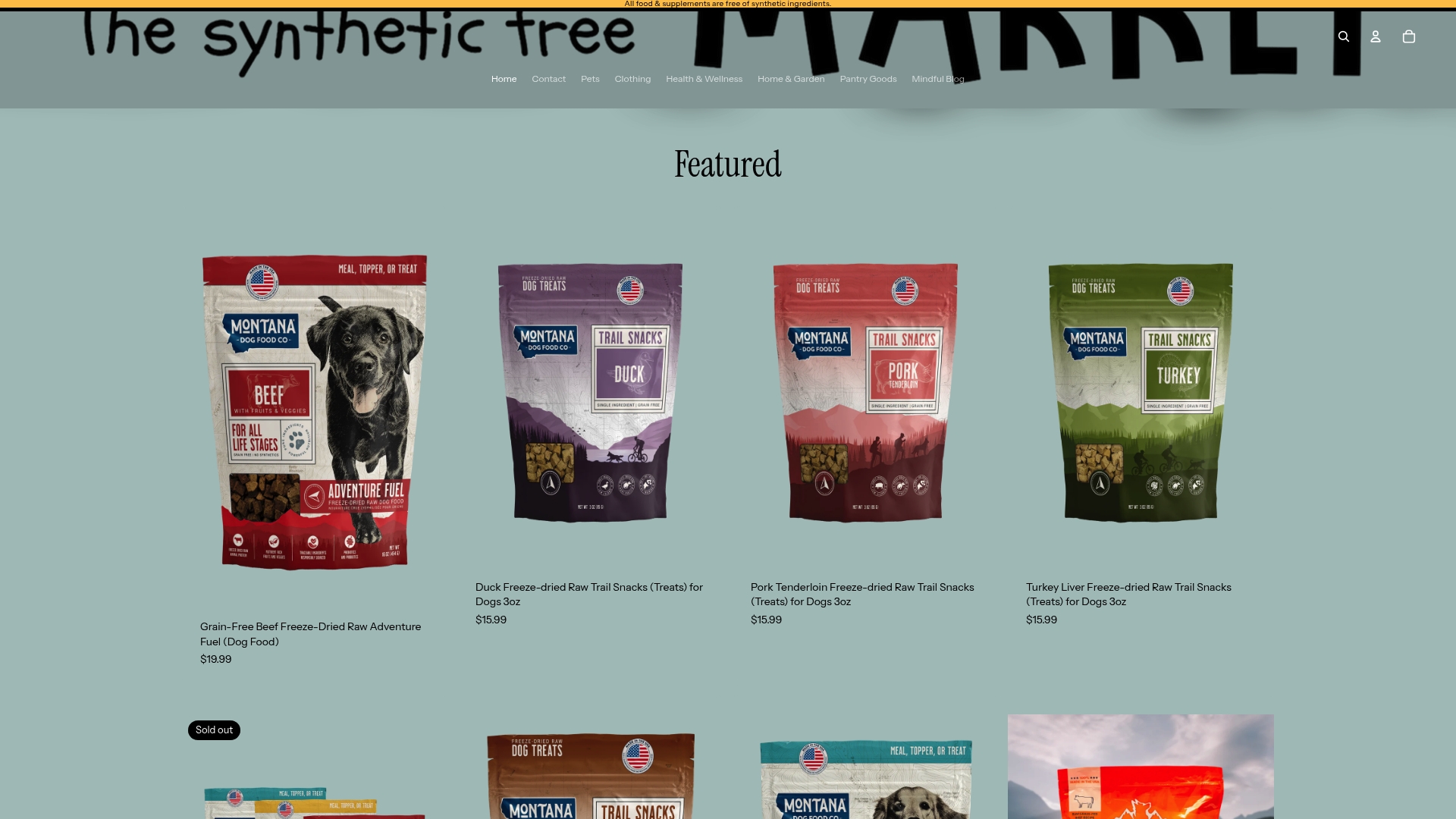
Mindfulbotany is a health and wellness marketplace for people and pets, with products selected for quality and integrity across categories. If you extend the same synthetic-free thinking to other parts of your wellness routine, the Couples’ Wellness Pack is a practical complement to a clean living approach, offering hydration and micronutrient support without synthetic additives. For pet owners applying the same standards to their animals, Mindfulbotany also carries products aligned with natural, ingredient-conscious standards. Explore the full range at Mindfulbotany.market.
FAQ
What certifications confirm clothing is truly organic?
GOTS is the strongest certification because it covers the full supply chain including processing and social requirements. OCS confirms organic fiber content and traceability but does not regulate chemical processing.
Can organic cotton clothing still contain synthetic materials?
Yes. Organic cotton garments frequently contain elastane, polyester linings, or synthetic threads. Checking all components, not just the outer fabric, is necessary to confirm a garment is fully synthetic-free.
What does OEKO-TEX STANDARD 100 actually test for?
OEKO-TEX STANDARD 100 tests every component of a textile product for harmful substances. Class I is the strictest level and is recommended for items with prolonged direct skin contact.
Is hemp or organic cotton better for sustainable clothing?
Hemp uses significantly less water and produces a stronger fiber, making it the stronger environmental choice. Organic cotton is softer and more scalable, making it better suited to everyday wear and affordable outfits.
What is the safest clothing choice for people with chemical sensitivities?
OEKO-TEX Class I or Class II certified garments offer the tightest chemical limits for direct skin contact. Pairing that with GOTS certification confirms both chemical safety and organic fiber integrity.
0 comments