


TL;DR:
- Regular structured routines and quick daily cleaning sessions effectively prevent buildup and maintain hygiene in homes.
- Cleaning from corners to exits and respecting disinfectant dwell times ensure thoroughness and germ elimination.
- Using tiered hygiene strategies and pet-safe products minimizes chemical overuse, promoting a safe environment for pets and people.
Cleaning is the process of removing unwanted substances, dirt, and pathogens from surfaces and environments to protect health and maintain comfort. A consistent cleaning practice reduces allergens, controls germs, and supports a safer space for both people and pets. The American Cleaning Institute and Good Housekeeping both confirm that structured routines outperform sporadic deep cleans in long-term hygiene outcomes. For households with animals, product safety matters as much as effectiveness. This guide covers the top methods, products, and schedules that make home cleaning efficient, eco-friendly, and safe.
1. Start with a structured weekly cleaning routine
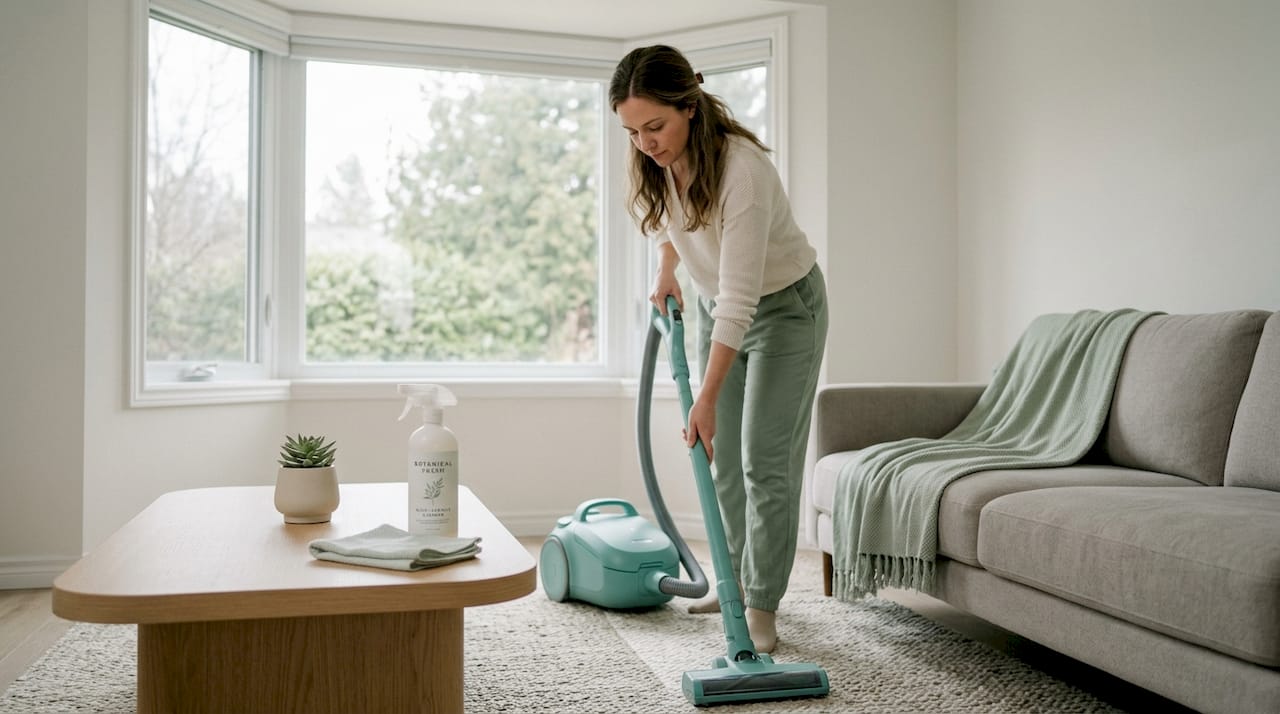
A weekly cleaning routine from the American Cleaning Institute includes dusting, vacuuming, mopping, wiping counters, and cleaning bathrooms as core tasks. Deep cleaning of ceiling fans and baseboards is scheduled periodically rather than weekly. This tiered approach prevents buildup without requiring daily intensive effort. Consistent routine and workflow planning are the primary factors that reduce both chemical use and physical labor over time.
2. Use the 15-minute daily cleaning method
Real Simple reports that a 15-minute daily routine improves cleaning consistency more reliably than longer, infrequent sessions. Set a timer, assign one room or task per session, and stop when the timer ends. This method works because it removes the psychological weight of open-ended cleaning. Over a week, these short sessions cover the entire home without a single overwhelming block of time.
Pro Tip: Rotate rooms on a fixed schedule so no area goes more than seven days without attention. Write the rotation on a whiteboard in the kitchen so every household member can follow it.
3. Clean in a logical direction to avoid re-cleaning
The American Cleaning Institute advises cleaning from a corner toward the room exit to prevent walking over cleaned areas. Work top to bottom in every room: dust ceiling fans and shelves before vacuuming floors. This sequence means debris falls onto uncleaned surfaces rather than ones you have already finished. Applying this rule consistently cuts total cleaning time without requiring any new products or tools.
4. Always clean before you disinfect
Martha Stewart’s experts clarify that sanitizing reduces bacteria to safe levels, while disinfecting eliminates a broader range of pathogens. Both processes require a clean surface first. Dirt and grease physically block disinfectants from contacting germs, making the product ineffective regardless of its strength. Skipping the cleaning step is the single most common mistake in home hygiene, and it renders even premium disinfectants useless.
5. Respect dwell time when disinfecting
Disinfectants must remain wet for the labeled contact time to kill germs. Wiping a surface dry immediately after spraying leaves it only visually clean, not microbiologically safe. Most household disinfectants require between 30 seconds and 10 minutes of wet contact time, depending on the pathogen targeted. Check the product label before use and apply enough product to keep the surface visibly wet for the full duration.
Pro Tip: Spray high-touch surfaces like door handles and light switches first, then move to other tasks. By the time you return, the dwell time is complete and you can wipe without rushing.
6. Use a tiered hygiene approach to reduce chemical overuse
Tiered home hygiene means applying routine cleaning for general maintenance, sanitizing for food-contact and children’s areas, and disinfecting only when illness or immunocompromised residents are present. This approach reduces unnecessary chemical exposure for both people and pets. Sanitizing is adequate for everyday household maintenance. Reserve full disinfection for situations that genuinely require it, such as after a stomach illness or before hosting someone with a compromised immune system.
7. Apply professional bathroom cleaning techniques
Professional bathroom cleaning begins with laundering soft items like bath rugs and shower curtains, then sprays all hard surfaces before attending to other tasks. Good Housekeeping recommends applying toilet cleaner and letting it sit for five minutes before scrubbing, then disinfecting the seat and handle. Cleaning grout weekly prevents the dingy buildup that requires aggressive scrubbing later. The sequence matters: spray everything, let products sit, then wipe mirrors and fixtures from top to bottom before finishing the toilet and floor.
The multi-tasking principle is central to professional bathroom cleaning. Letting cleaning products sit while working on other areas reduces total scrubbing effort and speeds up the entire process. A bathroom that takes 25 minutes with sequential cleaning often takes 12 minutes with this overlap method.
8. Follow a kitchen cleaning sequence
Kitchen cleaning works best in a fixed order: wipe counters and appliances first, then clean the stovetop, then address the refrigerator exterior and interior on a weekly and monthly basis respectively. Run the dishwasher on a cleaning cycle monthly using a dishwasher cleaner tablet to prevent grease and mineral buildup inside the machine. Wipe down cabinet fronts near the stove weekly because cooking grease accumulates faster there than anywhere else in the kitchen. Consistent attention to these surfaces prevents the kind of buildup that requires harsh degreasers.
9. Use a cleaning caddy to eliminate wasted trips
A portable cleaning caddy holds all supplies needed for one room and travels with you through the home. This eliminates the time lost walking back to a supply closet between tasks. Stock the caddy with a multi-surface spray, a glass cleaner, microfiber cloths, a scrub brush, and gloves. Mindfulbotany recommends keeping a separate caddy for pet-specific products to avoid cross-contamination between general household cleaners and pet-safe formulas.
10. Select eco-friendly and pet-safe products
Tropiclean pet-safe wipes and sprays are formulated to clean effectively without ingredients that harm animals. Routine cleaning with gentler products reduces the need for heavy disinfectants, which is better for both pets and indoor air quality. For homes with dogs or cats, avoid products containing phenols, benzalkonium chloride, or pine oil, as these compounds are toxic to animals even at low concentrations. Checking ingredient labels before purchasing any new cleaning product is a non-negotiable step for pet owners.
Maintaining a clean home environment for pets extends beyond surface cleaning. Regular grooming, pet-specific wipes for paws and coats, and odor-control sprays reduce the cleaning load on the home overall. Preparing fresh food for pets in a clean kitchen also reduces bacterial risk. Mindfulbotany covers fresh pet food preparation in detail for households that prioritize both nutrition and hygiene.
For households with protection or working dogs, preparing your home systematically includes establishing cleaning zones and routines that account for higher traffic and outdoor exposure. This is especially relevant for mud rooms, entryways, and crate areas.
| Method | Best use case | Key benefit |
|---|---|---|
| 15-minute daily session | General maintenance | Prevents buildup without time pressure |
| Top-to-bottom sequencing | Every room | Eliminates re-cleaning |
| Dwell time compliance | Disinfecting high-touch surfaces | Actual germ elimination |
| Tiered hygiene approach | Households with pets or children | Reduces chemical overuse |
| Professional bathroom overlap | Weekly bathroom cleaning | Cuts time by up to half |
Key takeaways
Effective cleaning requires the right sequence, correct product use, and a consistent routine rather than occasional intensive effort.
| Point | Details |
|---|---|
| Clean before disinfecting | Dirt blocks disinfectants from working; always remove surface grime first. |
| Respect dwell time | Keep disinfectant wet for the full labeled contact time or it will not kill pathogens. |
| Use tiered hygiene | Match cleaning intensity to actual risk level to reduce unnecessary chemical exposure. |
| Build a weekly routine | A structured schedule from the American Cleaning Institute prevents buildup and reduces total effort. |
| Choose pet-safe products | Avoid phenols and pine oil; use Tropiclean-formulated products in homes with animals. |
What I’ve learned from years of watching people clean wrong
Most people treat cleaning as a single undifferentiated task. They grab a spray bottle, wipe something down, and consider it done. The research tells a different story. The dwell time issue alone explains why so many homes feel clean but still harbor pathogens on frequently touched surfaces. Wiping a counter dry 10 seconds after spraying is not disinfecting. It is moving a wet surface around.
The tiered hygiene model changed how I think about product selection. Full disinfection is not necessary every day in a healthy household. Routine cleaning with gentler products, including plant-based multi-surface sprays and microfiber cloths, handles 80% of what most homes need. Reserving stronger disinfectants for genuine risk situations also means less chemical residue on surfaces where pets walk and children play.
The 15-minute method from Real Simple is not a productivity trick. It is a psychological reframe. Cleaning feels manageable when it has a defined endpoint. Households that adopt this approach consistently report that their homes stay cleaner with less total effort than those who rely on weekend deep cleans. The math supports it: seven 15-minute sessions per week equals 105 minutes of focused cleaning, distributed in a way that prevents the buildup that makes deep cleaning necessary in the first place.
— Ashley
Pet-safe cleaning products from Mindfulbotany
Mindfulbotany carries a curated selection of cleaning and wellness products formulated for homes with pets.

The Tropiclean Papaya and Coconut Luxury 2-in-1 Pet Cleaning Wipes (100ct) clean and condition pet coats without harsh chemicals, making them a practical addition to any pet household cleaning routine. For overall pet wellness alongside a clean home environment, the Soft Chew Dog Supplements from Mindfulbotany support daily health maintenance. Both products are available directly through the Mindfulbotany marketplace, which stocks freeze-dried, grain-free, and raw-format pet nutrition alongside grooming and cleaning supplies.
FAQ
What is the difference between sanitizing and disinfecting?
Sanitizing reduces bacteria to safe levels and is adequate for everyday household maintenance. Disinfecting eliminates a broader range of pathogens and is recommended when illness or immunocompromised residents are present.
How long should disinfectant sit on a surface?
Most household disinfectants require between 30 seconds and 10 minutes of wet contact time to be effective. Check the product label for the specific dwell time before wiping.
What cleaning products are unsafe for pets?
Products containing phenols, benzalkonium chloride, and pine oil are toxic to dogs and cats even at low concentrations. Use pet-safe formulas like Tropiclean wipes and sprays in homes with animals.
How often should I deep clean my bathroom?
Professional cleaning guidance from The Spruce recommends weekly grout cleaning and a full bathroom deep clean at least monthly, with daily quick wipes of high-touch surfaces like faucets and handles.
Is a daily cleaning routine actually more effective than weekly cleaning?
Real Simple confirms that a 15-minute daily routine improves consistency and prevents buildup more effectively than longer, infrequent sessions. Distributed effort over seven days reduces total cleaning time and keeps the home in better condition throughout the week.
0 comments