


TL;DR:
- Most homemade pet diets are nutritionally incomplete and can cause health issues.
- Proper kitchen setup, vet-advised formulations, and careful supplementation are essential for safe feeding.
- Gently cooked meals are safer than raw diets, which often carry bacterial risks for pets and humans.
Making fresh food at home for your pet puts you in control of every ingredient. But that control comes with real risk. 95% of online recipes for homemade pet food are nutritionally incomplete and can quietly cause serious health problems over time. Most owners discover this too late, after their pet shows signs of deficiency or illness. This guide covers exactly what you need to prepare safe, balanced, fresh meals at home, from kitchen setup to nutrient verification, so you can feed with confidence rather than guesswork.
Table of Contents
- What you need before starting: Ingredients, tools, and preparation
- Step-by-step guide: Safely preparing balanced, fresh pet food at home
- How to balance nutrition: Avoiding deficiencies and mistakes
- Edge cases and safety: Special needs and common pitfalls
- The truth about homemade fresh pet food: What most owners miss
- Fresh nutrition made easy: Safe next steps for mindful pet owners
- Frequently asked questions
Key Takeaways
| Point | Details |
|---|---|
| Nutritional balance is critical | Homemade fresh food must be vet-formulated to avoid dangerous deficiencies. |
| Cook for safety | Gently cooked meals are far safer than raw due to lower contamination risk. |
| Special pets need extra care | Puppies, seniors, pregnant, and ill pets require specialized formulas and guidance. |
| Watch for imbalance signs | Monitor your pet’s coat, energy, and digestion for clues to dietary gaps. |
What you need before starting: Ingredients, tools, and preparation
Before you cook a single batch, your kitchen setup matters more than you might expect. Missing the right tools or using low-quality ingredients creates problems that no recipe can fix. Think of this phase as laying the foundation for every meal you’ll prepare going forward.
The most critical step here is not shopping for ingredients. It’s understanding that homemade food must be formulated by a board-certified veterinary nutritionist to be nutritionally balanced. Most online recipes skip this entirely, which is why so many pets on homemade diets develop hidden deficiencies over months or years.
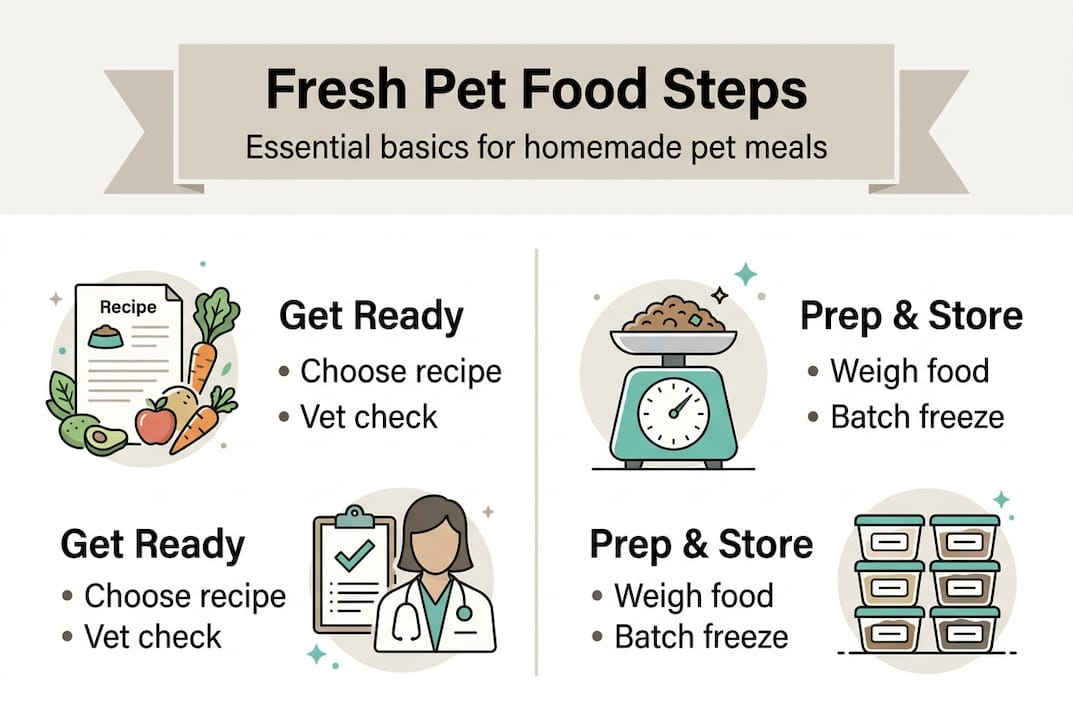
For those ready to commit properly, here’s what the kitchen needs:
| Tool or ingredient | Why it matters |
|---|---|
| Kitchen scale (grams) | Accurate portioning of protein, carbs, and supplements |
| Food processor or blender | Breaks down vegetables for better digestibility |
| BPA-free storage containers | Safe storage without chemical leaching |
| Human-grade protein (chicken, turkey, beef) | Higher safety standards than feed-grade meat |
| Cooked complex carbohydrates (rice, sweet potato) | Digestible energy source |
| Vet-approved supplements | Fills nutrient gaps the whole food doesn’t cover |
Beyond tools, ingredient quality directly affects safety. Human-grade proteins reduce bacterial load compared to feed-grade options. Fresh vegetables like carrots, zucchini, and leafy greens add micronutrients. For a deeper look at what distinguishes minimally processed options, what is fresh dog food offers a useful breakdown of categories and standards.
One thing worth noting: labels matter when you buy ingredients. Understanding what clean label dog food means can help you apply the same ingredient scrutiny at the grocery store that you’d expect from a pet food brand.
- Use a scale every time, not cups or visual estimates
- Prep protein in bulk and freeze in daily portions
- Wash all produce thoroughly before chopping
- Avoid onions, garlic, grapes, raisins, and xylitol entirely
- Label all containers with date and portion weight
Pro Tip: Batch-prep two to three weeks of portioned meals on one day per week. Freeze individual servings in labeled containers. This keeps nutrient levels consistent and reduces daily prep time significantly.
Step-by-step guide: Safely preparing balanced, fresh pet food at home
Once your kitchen is organized and your ingredient list is vet-reviewed, the actual cooking process is straightforward. The goal is not just freshness but safety and nutritional completeness in every batch.
The core debate in fresh pet feeding is raw versus cooked. The evidence is clear: raw food is frequently contaminated with harmful bacteria, and gently cooked food is the safer option for most households. Studies also show that dogs shed Salmonella after eating raw diets, which poses a risk to human family members, not just the pet.
“Raw pet food is frequently contaminated with bacteria including Salmonella and Listeria. Feeding gently cooked food dramatically reduces this risk for both pets and people sharing the home.” — Cornell University College of Veterinary Medicine
Here are the steps to prepare each batch safely:
- Weigh all ingredients separately before cooking. Never eyeball portions.
- Cook proteins gently at low to medium heat. Boiling or baking to a safe internal temperature (165°F for poultry) works well without destroying all nutrients.
- Steam or lightly cook vegetables rather than serving them raw or overcooked. Steaming preserves more vitamins than boiling.
- Cool everything fully before mixing proteins, carbs, and vegetables together.
- Add supplements after cooling, not during cooking. Heat degrades some vitamins and enzymes.
- Weigh and portion into individual servings based on your pet’s target daily calorie intake.
- Store refrigerated portions for up to 3 days, and freeze the rest in dated containers.
For practical guidance on transitioning your pet to real food, how to feed your dog real food covers the transition schedule in detail, which matters especially for dogs with sensitive digestive systems.
When evaluating specific recipes or commercial fresh options to compare against, reviewing choosing healthy dog food gives useful benchmarks for ingredient quality and nutritional targets.
Pro Tip: Freeze meals in silicone molds to create single-serving pucks. Thaw one day’s worth in the fridge overnight. This method protects nutritional consistency and eliminates guesswork at feeding time.
How to balance nutrition: Avoiding deficiencies and mistakes
Cooking fresh food at home does not automatically make it balanced. This is where most well-intentioned pet owners run into serious problems.
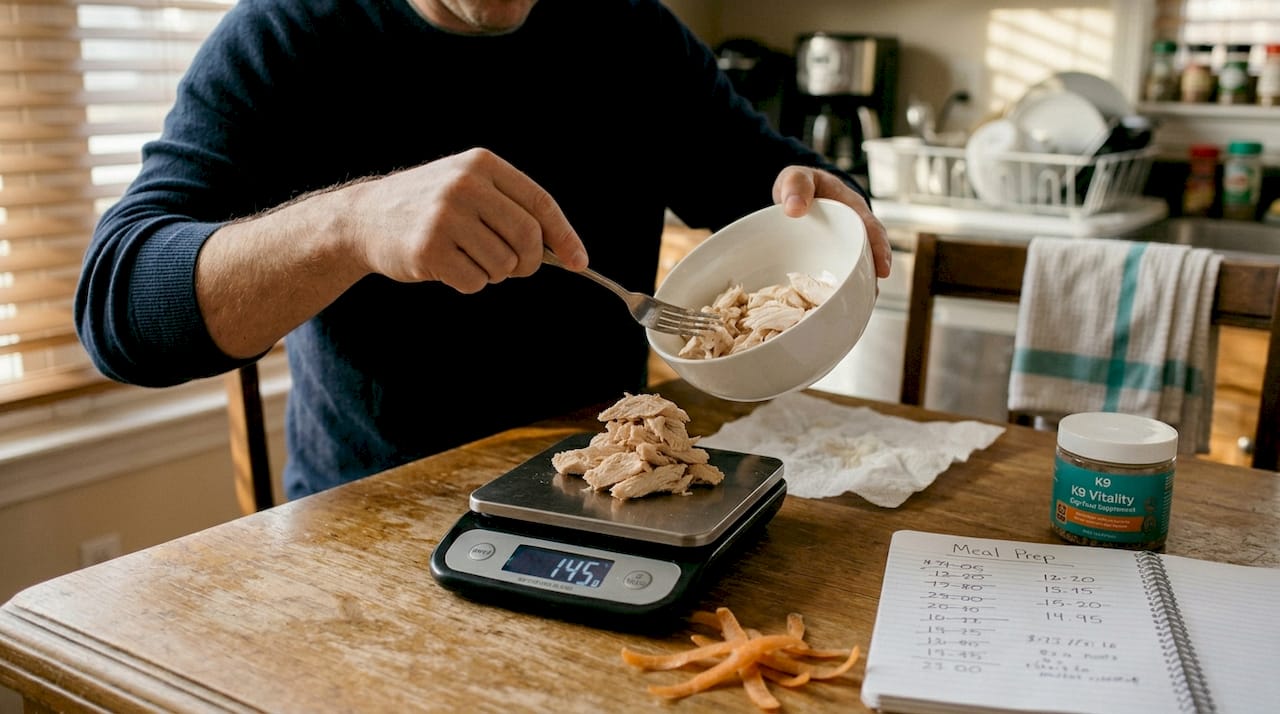
The numbers are stark: only 6% of homemade dog diets tested in a major study were nutritionally complete. That means 94 out of 100 homemade meals are missing something critical. Calcium and phosphorus imbalances are among the most common, and long-term deficiency can cause bone and growth issues, particularly in younger dogs.
Here is how a complete versus incomplete meal typically compares:
| Meal component | Complete homemade meal | Typical online recipe |
|---|---|---|
| Protein source | Weighed, human-grade | Estimated, variable |
| Calcium supplement | Included, dosed by weight | Often missing |
| Phosphorus balance | Calculated by nutritionist | Rarely considered |
| Zinc and vitamin E | Supplemented | Usually absent |
| Omega-3 source | Fish oil added | Sometimes included |
| Total nutrient profile | Meets AAFCO standards | Incomplete in most cases |
Supplements are not optional additions. They are required components of most homemade diets because whole foods alone rarely meet every AAFCO nutrient target. Calcium from ground eggshell or a vet-approved supplement, fish oil for omega-3s, and a complete multivitamin are standard in properly formulated recipes.
Adding certain whole-food superfoods can also help close small gaps. For a breakdown of which ones are safe and effective, dog superfoods covers evidence-based options. And if you want to support your pet between meals, healthy dog treats provides options that align with a clean-ingredient philosophy.
Watch for these signs that a homemade diet may be nutritionally off:
- Dull, brittle, or excessively shedding coat
- Low energy or unexplained lethargy
- Digestive issues including loose stool or constipation
- Slow wound healing or recurring skin problems
- Weight loss or muscle wasting despite adequate food volume
Edge cases and safety: Special needs and common pitfalls
Not every pet is a candidate for standard homemade fresh food, even when the recipe is properly balanced. Life stage and medical condition significantly change what a safe diet looks like.
Puppies, seniors, and pregnant dogs need specialized formulas that are different from standard adult maintenance recipes. A puppy’s calcium-to-phosphorus ratio, for example, is critical for bone development and extremely difficult to achieve without professional formulation. Feeding an adult recipe to a puppy creates real risk of skeletal deformity over time.
For pets with medical conditions, the risks are even more direct:
- Pets with kidney disease need strict phosphorus restriction
- Pets with diabetes need controlled carbohydrate levels
- Pets with pancreatitis require very low fat
- Pets on medication may need specific nutrients limited or increased
- Immunocompromised pets face higher infection risk from any dietary pathogen
“Raw diets pose a greater health risk in households with immunocompromised individuals, infants, elderly family members, or pets undergoing cancer treatment or immune-suppressing therapy.” — Cornell University College of Veterinary Medicine
For owners curious about raw feeding and wanting a grounded look at actual risk versus benefit, raw food risks for pets is worth reading before making any decision.
Red flags that your pet’s homemade diet is not working:
- Noticeable weight changes within the first 4 to 6 weeks
- Increased thirst or urination (possible kidney or metabolic stress)
- Vomiting more than once per week
- Behavioral changes like increased anxiety or restlessness
- Veterinary bloodwork showing abnormal calcium, phosphorus, or vitamin D levels
If any of these appear, stop the current diet and consult a veterinarian before continuing homemade feeding.
The truth about homemade fresh pet food: What most owners miss
Here is the part most guides skip: the idea that homemade automatically means healthier is one of the most persistent and damaging myths in pet nutrition. Owners put real effort and genuine care into DIY meals, and still end up with deficient diets, because effort and expertise are not the same thing.
The real time burden is significant. Sourcing human-grade ingredients, batch cooking, accurate supplementation, and regular vet checkups to monitor bloodwork adds up to a meaningful weekly commitment. That is not a reason to avoid it, but it is a reason to go in with realistic expectations.
The uncomfortable truth is that for most pet owners, a vet-formulated recipe paired with targeted supplements, or a commercially prepared fresh food diet, is a safer and more reliable starting point than building from scratch. That is not a failure of commitment. It is an honest acknowledgment that pet nutrition is a science, not just cooking.
For those who want to DIY properly, treat it the way you would treat your own medical diet. Get professional input. Test regularly. And use resources like practical real food guidance as part of an ongoing, informed process rather than a one-time setup.
Fresh nutrition made easy: Safe next steps for mindful pet owners
If you are committed to feeding your pet fresh, whole-ingredient meals, the right support makes that goal both safer and more achievable. Mindful Botany offers vet-reviewed wellness products designed specifically to fill the gaps that homemade diets commonly leave behind.
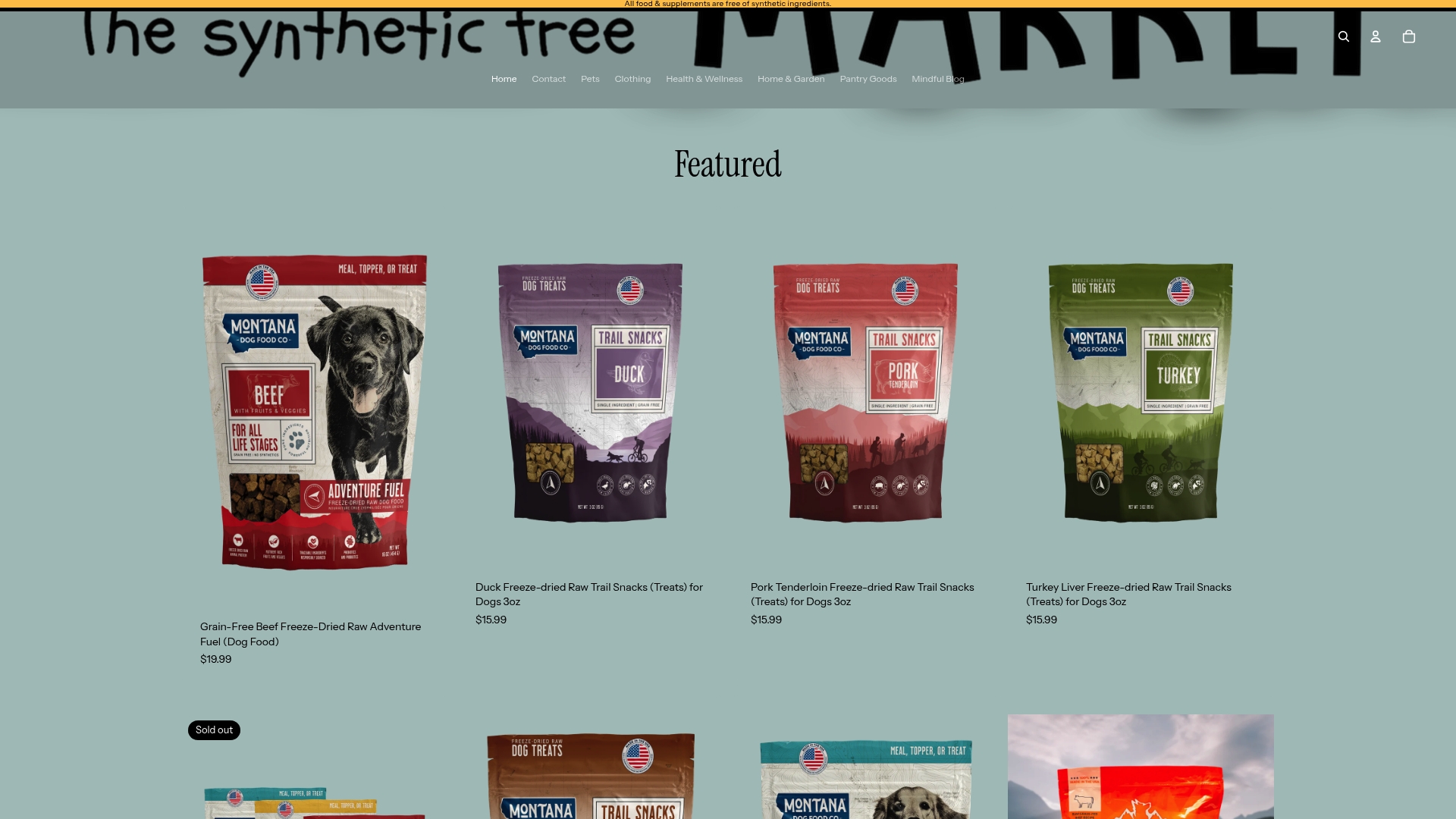
From dog nutrition supplements that address calcium, omega-3, and vitamin deficiencies to a full range of clean-ingredient pet wellness options, the catalog is built around the same no-synthetic-ingredient standard you apply in your own kitchen. Explore the complete selection of pet wellness options to find products that complement your homemade feeding routine without compromising on quality or ingredient integrity.
Frequently asked questions
Can I feed my pet only homemade fresh food?
You can, but only with veterinary guidance to ensure all nutrients are present, since most homemade diets are nutritionally incomplete and pose long-term health risks without professional formulation.
Is raw fresh food safe for pets?
Raw food is frequently contaminated with dangerous bacteria including Salmonella and Listeria; gently cooked meals are the safer choice for most households.
How do I know if my pet’s homemade diet is balanced?
Consult a veterinary nutritionist and schedule regular bloodwork; nutritional deficiencies are common in homemade diets and may appear as poor coat condition, low energy, or digestive problems.
What pets should NOT have homemade fresh food?
Avoid homemade food for pets with kidney disease, diabetes, pancreatitis, puppies, seniors, or pregnant animals unless the diet is directly supervised by a veterinarian or board-certified nutritionist.
Recommended
- What is fresh dog food? A complete guide to healthier choices – Mindful Botany Market
- Raw food for pets: benefits, risks & smart choices – Mindful Botany Market
- Feed your dog real food: a practical how-to guide – Mindful Botany Market
- Healthy dog food: how to choose the best for your pet – Mindful Botany Market