


TL;DR:
- Many pet food labels use vague terms like “natural” and “wholesome,” which often mislead consumers.
- Clean eating for dogs emphasizes whole, minimally processed ingredients, transparent labeling, and no artificial additives.
Many pet food bags display words like “natural,” “wholesome,” and “clean” in bold print. For pet owners focused on holistic health, those claims feel reassuring. But the truth is that regulatory definitions are loose, marketing fills the gaps, and not every product that uses these words actually meets the standard you expect. Understanding what clean eating really means for your dog cuts through that noise and gives you a practical framework for making food decisions that genuinely support your pet’s long-term health.
Table of Contents
- What does clean eating mean for pets?
- Key elements: Ingredients, processing, and labels
- Benefits of clean, minimally processed foods for dogs
- Raw, cooked, or processed: Comparing clean food options
- Building a safe, balanced clean eating plan for your pet
- Why “clean” isn’t simple: Our take on feeding pets naturally
- Support your pet’s clean eating journey with Mindful Botany Market
- Frequently asked questions
Key Takeaways
| Point | Details |
|---|---|
| Defined by whole foods | Clean eating for pets means using whole, minimally processed ingredients and avoiding artificial additives. |
| Read labels wisely | Labels should name proteins, vegetables, and grains—vague terms and chemicals signal lower quality. |
| Digestibility advantage | Fresh, natural diets are often more digestible, leading to improved nutrient uptake and pet health. |
| Raw isn’t always better | Raw diets need careful balancing and veterinary guidance to be safe and complete. |
| Balance over perfection | Combining clean ingredients with expert advice ensures your pet’s well-being without unnecessary risks. |
What does clean eating mean for pets?
The term “clean eating” migrated from human nutrition into the pet food space without a single, agreed-upon definition following it. That gap creates confusion and, frankly, opportunity for misleading labels.
At its core, clean eating for dogs is commonly defined as feeding whole, minimally processed ingredients that support health without unnecessary chemical additions. This means real, identifiable foods, not ambiguous derivatives.
Here is what clean eating actually involves in practice:
- Whole ingredients: Named proteins (chicken, salmon, lamb), whole vegetables (sweet potato, peas, carrots), and recognizable grains or grain alternatives.
- Minimal processing: Foods prepared in ways that preserve nutrient integrity, such as freeze-drying, cold baking, or light cooking rather than high-heat extrusion.
- No artificial additives: No synthetic colors, artificial flavors, or chemical preservatives like BHA, BHT, or ethoxyquin.
- Transparent labeling: Every ingredient listed clearly with no vague catch-all terms.
- No unnecessary fillers: No corn syrup, excessive starch fillers, or low-nutrient bulk agents.
On the regulatory side, AAFCO defines “natural” pet food ingredients as those derived solely from plant, animal, or mined sources, processed only by physical, thermal, or fermentation methods, without the use of synthetic chemistry. The exception is added vitamins, minerals, and trace nutrients, which can be synthetic while still meeting the definition.
“Natural” on a pet food label is a regulated term, but it does not automatically mean complete, balanced, or free from processing. Clean eating goes one step further by applying a more rigorous standard to ingredient quality, sourcing, and processing method.
Understanding this distinction is the foundation for understanding clean label dog food and avoiding products that use health-adjacent language without the substance behind it.
Key elements: Ingredients, processing, and labels
Defining clean eating is one thing. Applying it in the pet food aisle requires knowing exactly what to look for and what to skip.
Ingredients
The ingredient list is the most useful tool you have. Ingredients are listed by weight, so the first several items make up the bulk of the food.
- Named meat first: Look for chicken, beef, turkey, or salmon as the first ingredient, not “meat meal” or “animal by-product meal.”
- Identifiable vegetables and starches: Sweet potato, lentils, peas, and brown rice are clean choices. “Grain fragments” or “potato starch” as primary carbohydrate sources are not.
- Recognizable fats: Chicken fat or salmon oil, not “animal fat” with no species specified.
- Limited additives: Some vitamins and minerals are necessary and safe. A short list of recognizable additives is a good sign.
- No artificial preservatives: Tocopherols (vitamin E) and rosemary extract are natural preservation options. Avoid BHA, BHT, and propyl gallate.
Processing methods and their impact
| Processing method | Nutrient retention | Microbial safety | Clean status |
|---|---|---|---|
| Freeze-dried raw | Very high | Moderate (varies) | High |
| Cold baked / air dried | High | High | High |
| Lightly cooked | Moderate to high | High | Moderate to high |
| High-heat extruded kibble | Lower | High | Low to moderate |
| Canned (retort) | Moderate | High | Moderate |
High-heat extrusion, the most common kibble production method, destroys a portion of heat-sensitive vitamins, enzymes, and amino acids. Manufacturers then re-add synthetic nutrients after processing to meet AAFCO nutritional adequacy standards. That is not inherently dangerous, but it does make the resulting product less “whole food” in nature.
Pro Tip: Look for “AAFCO complete and balanced” on the label. This confirms the food meets minimum nutrient profiles for your dog’s life stage, regardless of whether it is raw, cooked, or kibble-based.
Learning to read labels connects directly to natural pet food benefits and helps you source the best natural nutrition sources for your specific dog.
Benefits of clean, minimally processed foods for dogs
When pet owners commit to clean, whole food diets for their dogs, the results are measurable. These are not just marketing claims.

Digestibility and nutrient absorption. Fresh, minimally processed foods show higher digestibility, with protein and fat digestibility often exceeding 90%, compared to approximately 80% in standard kibble. That gap means more nutrients absorbed per meal, which can support better muscle maintenance, organ function, and energy levels.
Coat and skin health. Dogs eating diets rich in omega-3 fatty acids from clean sources like salmon oil or fresh organic oils often show visibly improved coat texture, reduced shedding, and fewer skin flares. The difference is usually visible within several weeks of consistent feeding.
Weight management. Lower-filler diets tend to be more nutrient-dense and satiating. Dogs feel full on smaller volumes of food, which helps manage caloric intake without constant hunger signals. Obesity is one of the most common preventable health issues in dogs, and diet quality plays a central role.
Digestive health. Minimally processed foods typically contain fewer fermentable fillers and more bioavailable fiber from whole vegetables. This results in smaller, more consistent stools and lower rates of gas, bloating, and intermittent diarrhea in many dogs.
Joint and immune support. Whole food sources of glucosamine (found in raw meaty bones and certain cuts of meat), antioxidants from colorful vegetables, and anti-inflammatory fats from fish and plant oils all contribute to joint and immune system support over time. Exploring canine superfoods is one practical way to add targeted nutrients through food rather than relying solely on supplements.
Consider this simple comparison:
| Health marker | Standard kibble diet | Clean, minimally processed diet |
|---|---|---|
| Protein digestibility | ~78 to 81% | ~90 to 95% |
| Coat quality | Variable | Often visibly improved |
| Stool volume | Higher | Lower |
| Ingredient transparency | Often low | High |
| Additive load | Moderate to high | Low |
Looking at fresh food options for dogs gives you a broader picture of which formats deliver these benefits most consistently.
Raw, cooked, or processed: Comparing clean food options
Not all clean diets look the same. The format you choose matters for both safety and nutritional completeness.
Raw meat-based diets (RMBD) are often associated with a natural, ancestral approach. Research shows that raw meat-based diets correlate with lower obesity prevalence but carry a higher risk of nutritional imbalances when not formulated carefully. Calcium-to-phosphorus ratios, adequate organ meat inclusion, and omega-3 to omega-6 balance all require attention.
Lightly cooked and air-dried options hit a practical middle ground. They reduce pathogen risk while preserving more nutrients than high-heat processing. These formats are increasingly popular and well-suited for owners who want clean ingredients without the complexity of managing a raw diet at home.
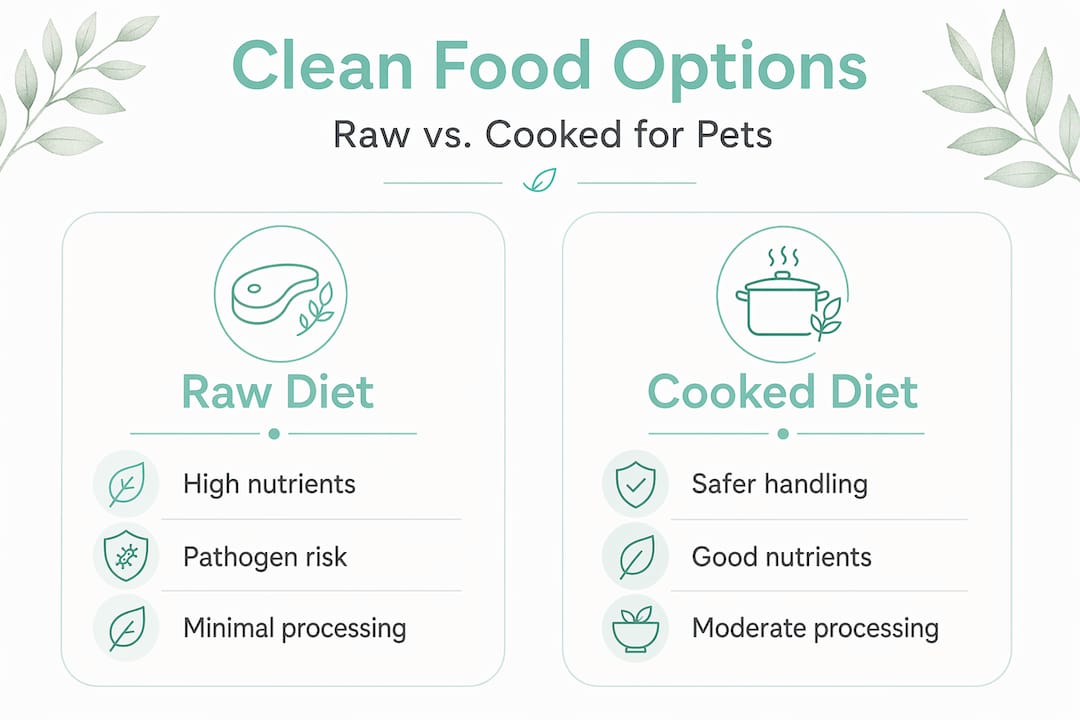
Freeze-dried raw preserves nutrient profiles very well. The freeze-drying process removes moisture without high heat, leaving proteins, fats, and enzymes largely intact. This format is convenient, shelf-stable, and often considered one of the cleanest commercial options available.
Homemade cooked diets give you full ingredient control but require careful planning. Most home-cooked diets, even well-intentioned ones, are deficient in key minerals and vitamins unless formulated by a veterinary nutritionist and supplemented appropriately.
Here are key points to keep in mind when choosing a format:
- Raw diets require balanced sourcing, correct bone-to-meat ratios, and organ meat inclusion.
- Raw feeding options vary widely in quality; commercial raw is generally safer than unguided home raw.
- AAFCO-approved additives are not automatically harmful. Evidence shows no harm from AAFCO-approved additives when used in correct doses.
- Veterinary involvement is not optional with home-prepared or raw diets. A veterinary nutritional protocol tailored to your dog’s breed, age, and health status is the safest approach.
- If preparing fresh meals at home, review a detailed guide on preparing fresh dog meals before starting.
Pro Tip: If you are transitioning from kibble to a cleaner diet, do it gradually over 10 to 14 days to avoid digestive upset. Swap 25% of the old food for new food every few days, watching stool consistency and energy levels throughout.
Building a safe, balanced clean eating plan for your pet
Commitment to clean eating is the starting point. Building a plan that is both clean and nutritionally complete is the actual goal.
-
Consult a vet or veterinary nutritionist first. Before changing your dog’s diet significantly, get a professional assessment. Breed, age, activity level, health conditions, and reproductive status all affect what “balanced” looks like for your dog specifically.
-
Set clear dietary goals. Are you managing weight? Supporting a senior dog’s joints? Addressing skin sensitivities? Having a clear health goal helps you choose the right food format and ingredients rather than chasing trends.
-
Read every label carefully. Look for named proteins in the first ingredient position, a short and recognizable ingredient list, and an AAFCO nutritional adequacy statement. Skip anything with vague terms, artificial colors, or chemical preservatives.
-
Choose AAFCO-compliant commercial options where possible. The FDA’s guidance on animal food labeling makes clear that holistic nutrition goals and AAFCO nutritional adequacy are not in conflict. Prioritize completeness over marketing language.
-
Supplement home-prepared diets correctly. If you cook for your dog at home, work with your vet to identify nutrient gaps and fill them with targeted, vet-approved supplements. Do not guess on calcium, zinc, or vitamin D levels.
-
Monitor and adjust. Keep a simple log of your dog’s energy, coat condition, digestion, and weight for the first 60 to 90 days on a new diet. Review this with your vet at the next appointment and adjust as needed.
Pro Tip: A quarterly vet visit is more useful than a yearly one when you are actively managing your dog’s diet. Blood panels can flag deficiencies or imbalances before they become visible symptoms.
For a broader view of how to apply these principles, explore wellness nutrition for pets as a practical resource.
Why “clean” isn’t simple: Our take on feeding pets naturally
Here is the uncomfortable reality: clean eating for pets gets wrapped in the same wellness culture that sometimes prioritizes aesthetics over science. A food can look clean on the label and still miss critical nutritional benchmarks. A food with a few AAFCO-approved synthetic vitamins can be far safer and more complete than a “100% natural” homemade recipe with calcium deficiency.
The holistic health community is right to question ultra-processed foods and synthetic overload. That instinct has real merit. But rejecting any additive or any processing as inherently harmful is where the logic breaks down. Some nutrients, such as vitamin D3 and specific B vitamins, are added synthetically because bioavailable food-source versions are difficult to achieve in stable commercial formulations. That is not a compromise. That is sound nutritional practice.
What we find most reliable is a middle path: start with whole, named ingredients, use minimal processing where practical, choose commercial products that meet AAFCO standards, and work with a veterinarian when feeding outside conventional formats. The full picture of risks and criteria for clean label dog food makes this balance very clear.
Trendy diets come and go. Your dog’s nutritional needs stay constant. Let evidence and your vet guide the decisions, and use the clean eating framework as a useful filter, not an absolute rule.
Support your pet’s clean eating journey with Mindful Botany Market
Applying clean eating principles to your dog’s daily routine is straightforward when you have reliable, well-sourced products to work with. Mindful Botany Market curates natural pet wellness products designed for owners who prioritize ingredient quality and transparency.
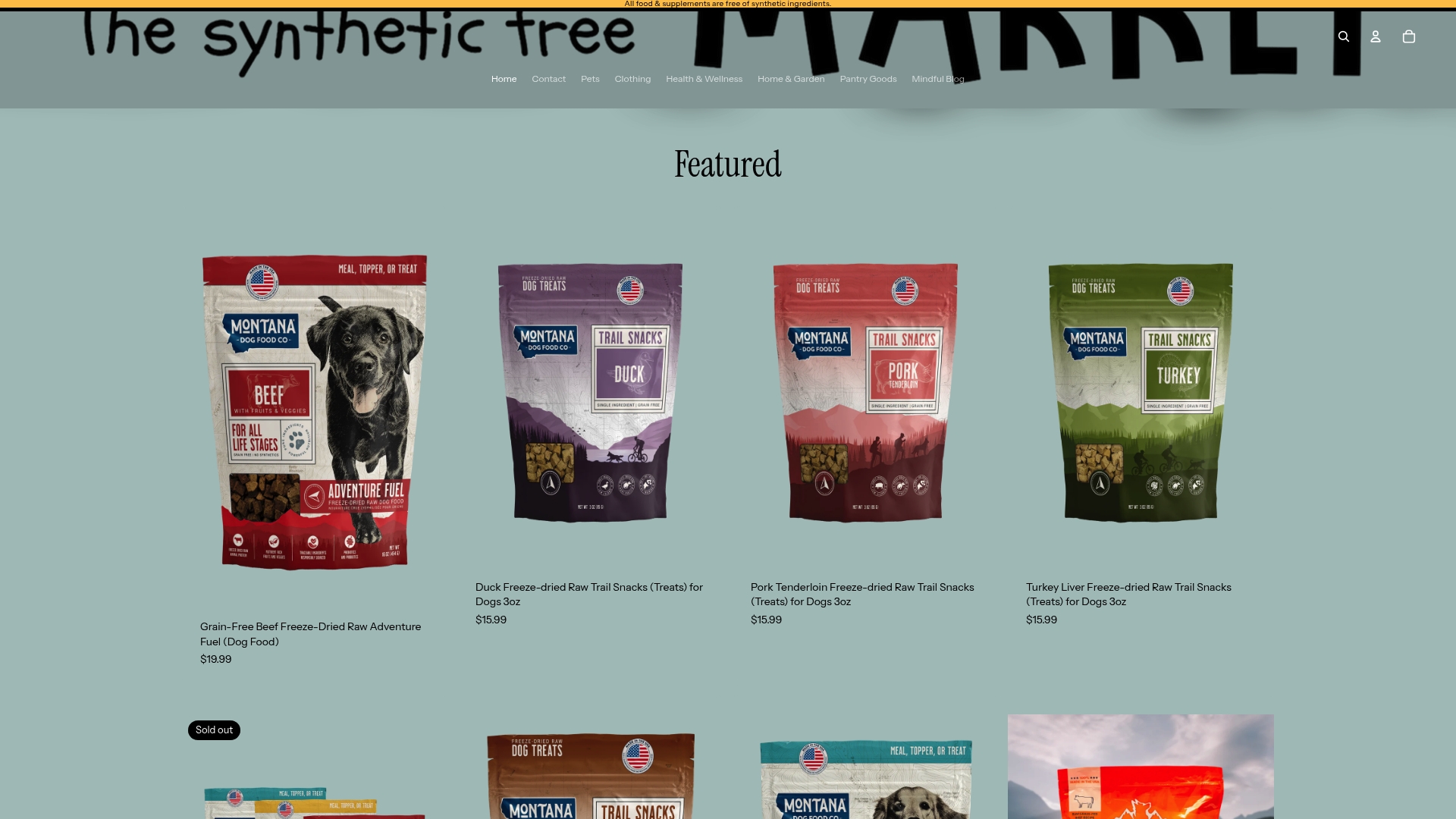
From targeted natural dog supplements in soft chew format to family wellness essentials for every member of your household, the product selection focuses on clean ingredients and functional nutrition. Each product reflects the same standard you apply to your dog’s food bowl: real ingredients, clear labeling, and practical health support without unnecessary additives. Browse the catalog to find options that complement your clean feeding approach.
Frequently asked questions
What ingredients should I avoid when buying clean pet food?
Avoid generic “meat by-products,” artificial colors, and chemical preservatives like BHA or BHT. Focus on whole, minimally processed ingredients with named proteins and recognizable vegetables in the top positions on the ingredient list.
Is raw feeding the best way to practice clean eating for my dog?
Raw feeding can align with clean eating goals, but it carries real risks. Raw meat-based diets are associated with lower obesity rates but higher risk of nutritional imbalances, so always consult a vet before switching.
Are natural additives and vitamins safe for pets?
Yes, when used correctly. AAFCO-approved additives show no evidence of harm at appropriate doses, and some synthetic vitamins are necessary to ensure nutritional completeness in commercial pet foods.
Do I need to add supplements to a home-cooked clean diet for pets?
Most home-cooked diets require vet-approved supplements to cover nutrient gaps. The FDA’s guidance on pet food claims emphasizes that nutritional adequacy should always take priority over marketing language or trending diet formats.
Recommended
- Pet wellness nutrition guide: safer, natural meals – Mindful Botany Market
- Raw food for pets: benefits, risks & smart choices – Mindful Botany Market
- Best natural sources for dog nutrition: a complete guide – Mindful Botany Market
- How to prepare fresh food for pets: owner’s guide – Mindful Botany Market
0 comments