


TL;DR:
- Not all treats labeled “natural” are free of artificial additives or fillers.
- Treats should be limited to 10% of daily caloric intake to prevent obesity.
- Choose nutrient-dense, minimally processed treats with simple, high-quality ingredients tailored to your dog’s needs.
Most dog owners want the best for their pets, but treat labels can be misleading. A bag labeled “natural” may still contain artificial preservatives, synthetic colors, or fillers that offer zero nutritional value. The good news is that genuinely healthy treat options are available across every budget and dietary need. This guide covers what makes a treat truly healthy, how to read labels, safe portion sizes, homemade recipes, and how to match treat types to your dog’s specific age, weight, and health needs. Whether you’re shopping for a puppy, a senior dog, or a pet with food sensitivities, clear and practical guidance is here.
Table of Contents
- What makes a treat healthy for dogs?
- Key requirements: Safety, nutrition, and portion control
- Top healthy treat types and safe human foods
- Homemade recipes, ingredient guides, and treat rotation
- Special cases: Puppies, seniors, allergies, weight management, and dental needs
- A fresh perspective: Why natural treats aren’t always ‘better’
- Shop healthy dog treats and wellness supplements
- Frequently asked questions
Key Takeaways
| Point | Details |
|---|---|
| Natural ingredients matter | Treats made with limited, natural ingredients support dog wellness and reduce health risks. |
| Portion control prevents obesity | Ensure treats make up no more than 10% of your dog’s daily calories to maintain healthy weight. |
| Vet-approved treat selection | Choose treats with high digestibility, proper texture for age, and avoid artificial additives for optimal health. |
| Safe human foods work | Certain human foods can be used as healthy dog treats if given in moderation and properly prepared. |
| Special needs require tailored treats | Puppies, seniors, dogs with allergies or weight issues need specific treat types and supervision. |
What makes a treat healthy for dogs?
Not all treats are created equal. The difference between a healthy treat and a low-quality one often comes down to the ingredient list. Shorter is usually better. Natural, limited-ingredient treats free from artificial additives are the standard to aim for. That means no artificial colors, no synthetic flavors, and no chemical preservatives like BHA, BHT, or ethoxyquin.
Why does this matter? Artificial additives have been linked to digestive issues, skin problems, and long-term organ stress in dogs. Minimally processed treats retain more of their original nutrients compared to heavily processed alternatives. A freeze-dried chicken breast, for example, holds onto proteins, amino acids, and moisture-sensitive vitamins that a highly processed kibble-style treat would lose during manufacturing.
Here are the core criteria for a healthy dog treat:
- Single or limited ingredients: Fewer ingredients mean fewer chances for hidden additives
- High-quality protein source listed first: Chicken, beef, salmon, or lamb should appear at the top
- No artificial preservatives: Look for natural alternatives like mixed tocopherols (vitamin E)
- No added sugars or sweeteners: Xylitol is toxic to dogs and must be avoided entirely
- Appropriate texture for your dog’s size and chewing style: Avoid anything too hard for small breeds
| Feature | Processed treats | Natural treats |
|---|---|---|
| Ingredient count | Often 15+ | Typically 1 to 5 |
| Preservatives | Synthetic (BHA, BHT) | Natural or none |
| Nutrient retention | Lower | Higher |
| Digestibility | Variable | Generally better |
| Calorie density | Often high | More controlled |
When choosing healthy dog food, the same principles apply to treats. High-quality proteins support muscle maintenance, and rotating treat types prevents nutritional gaps. Options like natural crunchy treats made from single-ingredient animal proteins or grass-fed beef heart treats offer nutrient density without unnecessary fillers.
Pro Tip: Flip the bag over before buying. If you can’t pronounce more than two ingredients, put it back on the shelf.
Key requirements: Safety, nutrition, and portion control
Healthy ingredients are only part of the equation. How you use treats matters just as much as what’s in them. Treats serve different purposes: training rewards, dental support, calming aids, or enrichment. Matching the treat type to its purpose keeps your dog’s diet balanced.
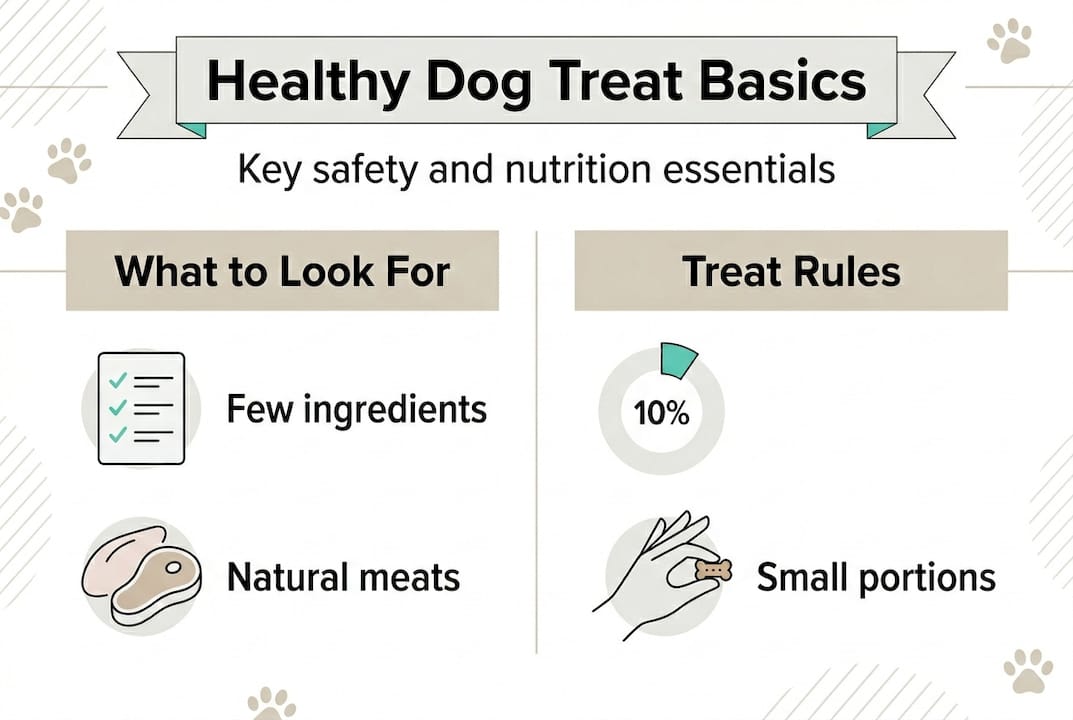
The most important nutritional rule is the 10% guideline. Treats should not exceed 10% of your dog’s total daily caloric intake. For a 30-pound dog eating 800 calories per day, that’s just 80 calories from treats. Most owners dramatically underestimate how quickly treat calories add up.
The numbers back this up. 84% of dog owners ignore treat calories entirely, which is a leading driver of canine obesity. Overweight dogs face increased risks of joint disease, diabetes, and shortened lifespans.
| Treat type | Avg. calories | Choking risk | Best age group |
|---|---|---|---|
| Soft chews | 10 to 25 cal | Low | All ages |
| Freeze-dried bites | 5 to 15 cal | Low | All ages |
| Bully sticks | 50 to 100 cal | Medium | Adult dogs |
| Hard dental chews | 30 to 70 cal | Medium-High | Adult dogs only |
| Rawhide | Variable | High | Not recommended |
Common mistakes dog owners make with treats:
- Overfeeding: Even healthy treats add up fast in calories
- Giving hard chews unsupervised: Splintering is a real choking and intestinal risk
- Ignoring age-specific needs: Puppies and seniors need softer textures
- Skipping allergy checks: New treats should be introduced one at a time
For dogs managing their weight, reviewing healthiest dog food types alongside treat choices gives a fuller picture of caloric balance.
Pro Tip: Use a food scale or measuring cup for treats during training sessions. It’s easy to give 10 treats in 10 minutes without realizing you’ve hit the daily limit.
Top healthy treat types and safe human foods
With safety and nutrition covered, here are the most trusted healthy treat types and safe human food options available.
Vet-recommended treat categories include:
- Freeze-dried meats: Single-ingredient, high-protein, and shelf-stable without synthetic preservatives
- Bully sticks: Digestible, long-lasting, and satisfying for moderate to heavy chewers
- Soft treats: Ideal for training, puppies, and senior dogs with dental sensitivity
- Low-calorie options: Carrot sticks, cucumber slices, or commercial light treats for weight-conscious dogs
- Dental chews: Designed to reduce plaque and tartar, but must be appropriately sized
Recommended treat types from veterinary sources consistently include bully sticks, freeze-dried meats, and soft treats for dogs with specific needs.
Safe human foods that work as occasional treats:
- Plain bread (small amounts)
- Unsalted cashews or peanuts
- Low-fat cheese
- Coconut (unsweetened)
- Plain cooked fish
- Honey (very small amounts)
- Xylitol-free peanut butter
- Plain popcorn (no butter or salt)
- Quinoa
- Plain yogurt (no artificial sweeteners)
Safe human foods can supplement a treat routine when used correctly, but they should never replace balanced dog-specific treats.
| Dog type | Best treat options |
|---|---|
| Puppies | Soft chews, small freeze-dried bites |
| Seniors | Soft treats, low-calorie chews |
| Allergy-prone | Single-ingredient, grain-free options |
| Overweight | Raw vegetables, light commercial treats |
For dogs that enjoy variety, nutrient-rich mango treats combine animal protein with fruit-based antioxidants. Immune-supporting beetroot chips offer a functional ingredient profile without artificial additives.
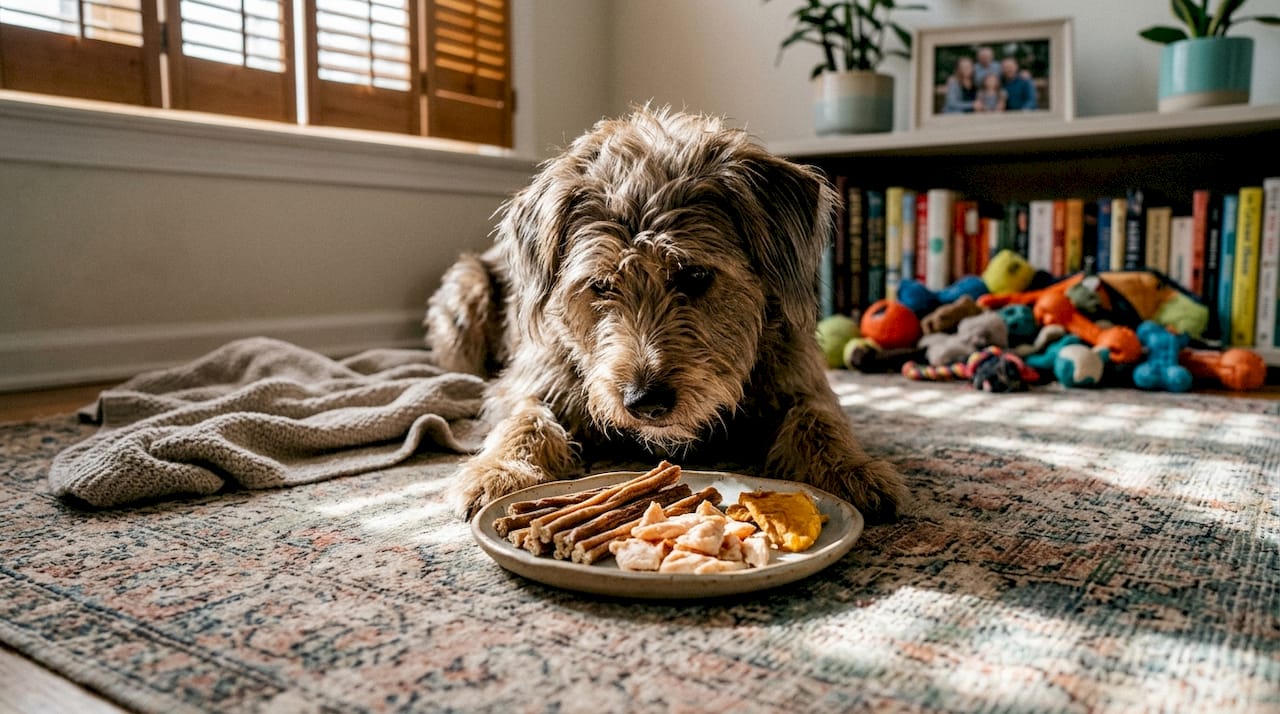
Pro Tip: Rotate treat types weekly. Different proteins and textures prevent boredom and reduce the risk of developing food sensitivities over time.
Homemade recipes, ingredient guides, and treat rotation
Making treats at home gives you full control over ingredients and portion sizes. It’s simpler than most owners expect.
A basic vet-approved recipe: A pumpkin and peanut butter treat made with pumpkin puree, xylitol-free peanut butter, one egg, and whole wheat flour comes in at roughly 45 calories per treat and supports healthy digestion.
Step-by-step:
- Preheat oven to 350°F
- Mix 1 cup whole wheat flour, 1/2 cup pumpkin puree, 2 tablespoons xylitol-free peanut butter, and 1 egg
- Roll dough to 1/4 inch thickness and cut into small shapes
- Bake for 20 to 25 minutes until firm
- Cool completely before storing in an airtight container
- Refrigerate and use within 7 days, or freeze for up to 3 months
Key ingredients and their benefits:
- Pumpkin: High in fiber, supports digestion and regularity
- Peanut butter (xylitol-free): Protein and healthy fats, highly palatable
- Eggs: Complete protein, biotin, and omega fatty acids
- Oats: Gentle on sensitive stomachs, good fiber source
- Sweet potato: Beta-carotene, vitamin C, and natural sweetness
Dehydrated natural feeds show higher nutrient retention compared to baked or extruded alternatives, making dehydration a strong method for homemade treat preparation.
For treat rotation, pair homemade baked treats with dehydrated or freeze-dried commercial options. Veggie and fruit toppers add variety without adding significant calories. Dehydrated beef heart treats bring in taurine and iron, nutrients that support heart health and energy.
Pro Tip: Dehydrated and freeze-dried treats are excellent for travel or training because they’re lightweight, shelf-stable, and retain most of their original nutrition without refrigeration.
Special cases: Puppies, seniors, allergies, weight management, and dental needs
General treat rules apply broadly, but some dogs need a more tailored approach.
Puppies need soft textures that won’t damage developing teeth. Teething puppies benefit from chilled soft chews or small freeze-dried bites. Avoid hard chews entirely until adult teeth are fully in, typically around 6 to 7 months.
Senior dogs often have dental sensitivity, reduced kidney function, and lower activity levels. Soft treats and low-calorie options are best. Avoid anything that requires aggressive chewing.
Allergy-prone dogs do best with single-ingredient treats. Novel proteins like ostrich, rabbit, or venison reduce the chance of triggering a known sensitivity. Grain-free options help dogs with confirmed grain intolerances.
Overweight dogs need treats under 10 calories each. Raw vegetables like carrot sticks, green beans, or cucumber slices are effective low-calorie rewards.
Dental health benefits from crunchy treats, but hardness matters. A treat that can’t be dented with your thumbnail is too hard and risks cracking teeth.
What to avoid across all special cases:
- Rawhide: Overly hard chews and rawhide carry choking, splintering, and digestive blockage risks
- Excess liver treats: High in vitamin A, which causes toxicity in large amounts
- High-fat treats: Pancreatitis risk, especially in breeds predisposed to the condition
Raw treats carry risks including bacterial contamination, heavy metal exposure, and mineral imbalance. This is especially relevant for puppies, seniors, and immunocompromised dogs.
Soft chew supplements designed for specific health needs offer a practical middle ground. For dogs that need a safe chewing outlet, hypoallergenic chewy treats made from single-protein sources reduce allergy risk. A natural rubber chew toy also satisfies chewing instincts without any caloric impact.
Pro Tip: Avoid introducing more than one new treat at a time. Wait 5 to 7 days between new additions so you can identify any adverse reactions clearly.
A fresh perspective: Why natural treats aren’t always ‘better’
The word “natural” on a treat bag does not automatically mean safe or nutritionally complete. This is one of the most common misconceptions in pet nutrition. Raw treats, in particular, carry documented risks: bacterial contamination, heavy metal exposure, and inconsistent mineral profiles are all real concerns backed by veterinary research.
Commercial vetted options that prioritize natural ingredients but go through quality control and safety testing often provide more consistent nutrition than unprocessed raw alternatives. The goal is not to avoid all processing. It’s to avoid unnecessary additives while choosing products that meet safety standards.
True wellness for your dog comes from vetting ingredient lists, understanding portion sizes, and trusting evidence-backed choices rather than marketing language. The best approach combines choosing healthy dog food and treats with the same critical eye you’d apply to your own diet.
Shop healthy dog treats and wellness supplements
Putting these recommendations into practice starts with having the right products on hand. Mindful Botany Market carries a curated selection of natural, minimally processed treats and supplements for dogs at every life stage.
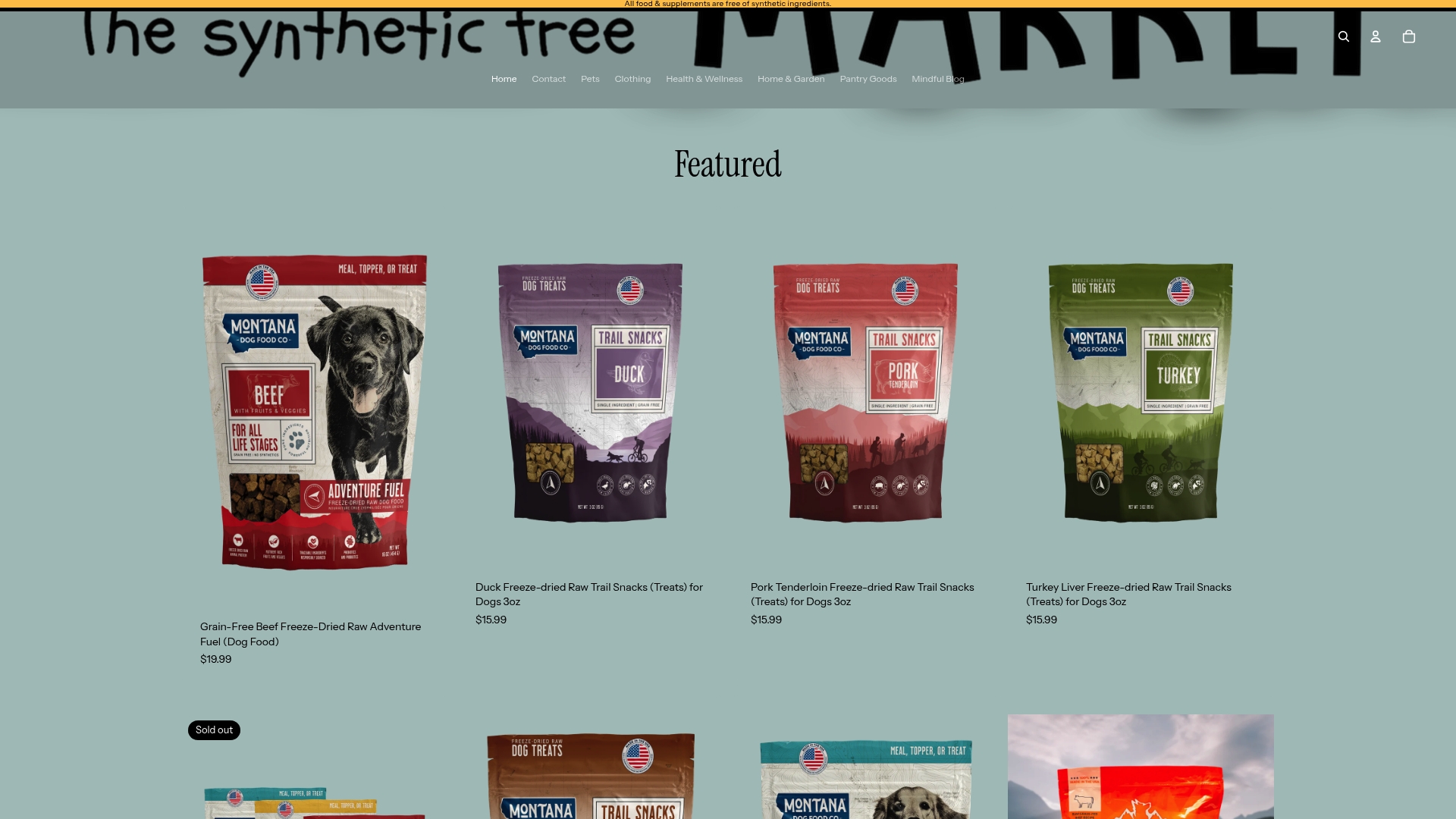
From beef heart treats made from grass-fed, dehydrated protein to veggie and fruit toppers that add functional nutrition without fillers, each product is selected with ingredient quality and pet wellness in mind. For dogs with specific health needs, the soft chew supplement selection covers joint support, digestion, and immune health in formats dogs actually enjoy.
Frequently asked questions
How many treats can I safely give my dog each day?
Treats should not exceed 10% of your dog’s daily caloric intake to prevent obesity and nutritional imbalance. Calculate your dog’s daily calorie needs first, then work backward from there.
What are the healthiest treat types recommended by vets?
Vets recommend natural, digestible bully sticks, freeze-dried meats, soft treats for puppies and seniors, and low-calorie options for weight control. Single-ingredient treats are consistently preferred.
Are homemade treats safer for dogs than store-bought?
Homemade recipes using ingredients like pumpkin puree and peanut butter can be safe when portioned correctly, but commercial vet-approved treats often provide more consistent nutrition and safety standards.
Which human foods are safe for dogs as treats?
Safe human foods include plain bread, unsalted nuts, low-fat cheese, coconut, plain cooked fish, honey in small amounts, xylitol-free peanut butter, plain popcorn, quinoa, and plain yogurt without artificial sweeteners.
What treats should I avoid for my dog?
Avoid rawhide, overly hard chews, treats with artificial additives, and high-fat or excessive liver treats. These carry choking risks, digestive issues, or toxicity concerns depending on the dog.
Recommended
- Healthy dog food: how to choose the best for your pet – Mindful Botany Market
- What is fresh dog food? A complete guide to healthier choices – Mindful Botany Market
- Top types of synthetic-free dog food for healthier pets – Mindful Botany Market
- Guide to the healthiest dog food types for canine wellness – Mindful Botany Market