


TL;DR:
- Fresh dog food is made from whole, minimally processed ingredients without synthetic additives.
- Switching to fresh food can improve a dog’s coat, digestion, energy, and skin health.
- Gradual transition and careful label evaluation are essential for a successful switch to fresh dog food.
Not all commercial dog foods are created equal, and many pet owners are now questioning what actually goes into their dog’s bowl. Fresh dog food has moved from a niche concept to a mainstream option as more people connect the dots between whole ingredients and better pet health. This guide breaks down exactly what fresh dog food is, why it matters, how to evaluate your options, and how to make the switch without stressing out your dog’s digestive system. Whether you’re just curious or ready to act, this is a practical starting point.
Table of Contents
- Defining fresh dog food: What sets it apart
- Key benefits of fresh dog food for your pet
- Evaluating fresh dog food options: What to look for
- How to transition your dog to fresh food safely
- Our perspective: The real reason fresh dog food matters
- Find natural supplements and fresh dog food solutions
- Frequently asked questions
Key Takeaways
| Point | Details |
|---|---|
| Whole food matters | Fresh dog food uses real ingredients for better nutrition and fewer chemicals. |
| Read labels | Always check for hidden additives, even in products marketed as natural or fresh. |
| Transition gradually | Switch your dog to fresh food slowly to avoid stomach upset. |
| Health improves | Many dogs show better energy, digestion, and skin health with fresh food. |
Defining fresh dog food: What sets it apart
Not all dog foods are created equal, and the differences go far deeper than price or packaging. Fresh dog food is made from whole, minimally processed ingredients with no synthetic additives. That means real cuts of meat, recognizable vegetables, and whole grains or legumes, not rendered meal or artificial preservatives.
Kibble, by contrast, is typically produced through a process called extrusion. Ingredients are cooked at very high temperatures, which can degrade proteins and vitamins. To compensate, manufacturers add synthetic vitamins and minerals back in after processing. The result is a shelf-stable product, but one that looks very different from the original food sources.
Canned dog food sits somewhere in the middle. It uses more moisture and sometimes whole ingredients, but still often contains gums, thickeners, and added colorings. The ingredient quality varies widely across brands.
Fresh dog food skips most of that. Here’s a quick comparison:
| Feature | Fresh dog food | Kibble | Canned food |
|---|---|---|---|
| Main ingredients | Whole meats, vegetables | Rendered meal, grains | Meat byproducts, broth |
| Processing level | Minimal | High heat extrusion | Moderate |
| Synthetic additives | None or very few | Common | Common |
| Shelf life | Short (refrigerated) | Long | Moderate |
| Moisture content | High | Very low | High |
The key advantages of fresh dog food come down to what’s in it and what’s not in it. Common ingredients you’ll find include:
- Whole protein sources: Chicken, beef, turkey, salmon, or lamb
- Vegetables: Sweet potato, carrots, peas, spinach, or zucchini
- Healthy fats: Fish oil, flaxseed, or coconut oil
- Grains or legumes (optional): Brown rice, lentils, or chickpeas
- No synthetic preservatives: No BHA, BHT, or ethoxyquin
For pet owners exploring synthetic-free dog food types, fresh food is often the most straightforward option because the ingredient list reads like a grocery receipt, not a chemistry textbook. That transparency is one of its biggest selling points.
Key benefits of fresh dog food for your pet
Understanding what fresh dog food is lays the groundwork for exploring why more pet owners are making this switch. The benefits are not just theoretical. Pet owners who transition their dogs to fresh food often report visible changes within weeks.
The most commonly observed improvements include:
- Coat quality: Shinier, softer fur due to higher levels of natural omega fatty acids
- Digestion: Firmer stools, less gas, and fewer episodes of stomach upset
- Energy levels: Dogs often appear more active and alert
- Skin health: Reduction in itching, flaking, and hotspots linked to food sensitivities
- Weight management: Fresh food tends to be more satiating with fewer empty calories
Fresh, whole-food diets can improve digestion, skin health, and energy in dogs. These are not small quality-of-life upgrades. For dogs with chronic allergies or recurring digestive issues, switching to fresh food can reduce or eliminate symptoms that were previously managed with medications.

Food sensitivities in dogs are often triggered by common fillers like corn, soy, and wheat, or by artificial colors and flavor enhancers. Fresh dog food eliminates most of these triggers by default.
Statistic to note: Studies on canine nutrition suggest that dogs fed whole-food diets show measurable improvements in gut microbiome diversity, which supports immune function and long-term health.
Pro Tip: Watch your dog’s stool consistency and coat texture during the first three to four weeks after switching. These two indicators are the earliest and most reliable signs that the new diet is working. Firmer stools and a shinier coat usually appear before any other changes.
For a deeper look at the science behind these benefits, the raw dog food benefits guide covers the nutritional research in more detail.
Evaluating fresh dog food options: What to look for
Once you know the advantages, the next challenge is picking a truly high-quality fresh dog food. The market is crowded, and label language can be misleading. Not all products labeled ‘fresh’ or ‘natural’ meet the highest ingredient and processing standards.
Here’s what the common label terms actually mean:
| Label term | What it means | What it doesn’t guarantee |
|---|---|---|
| Fresh | Minimally processed, no preservatives | Specific ingredient quality |
| Natural | No artificial additives | Organic sourcing or processing method |
| Organic | USDA-certified growing practices | Nutritional completeness |
| Human-grade | Fit for human consumption standards | That every ingredient is premium |
| Grain-free | No wheat, corn, or rice | Lower carbohydrate content overall |
Reading the ingredient list is the most reliable method. Ingredients are listed by weight, so the first three or four items tell you the most about what your dog is actually eating. Look for a named protein source (chicken, beef, salmon) in the top position, not a vague term like “meat meal.”
Here’s a step-by-step approach to evaluating fresh dog food:
- Check the first ingredient. It should be a whole, named protein source.
- Scan for synthetic preservatives. Avoid BHA, BHT, ethoxyquin, and propylene glycol.
- Look for added vitamins. A complete fresh diet should include natural sources of key vitamins, not just synthetic supplements.
- Verify the AAFCO statement. This confirms the food meets minimum nutritional standards for your dog’s life stage.
- Research the brand’s sourcing. Reputable brands are transparent about where their ingredients come from.
Pro Tip: Ask your vet or food supplier two specific questions: “Where do your protein sources come from?” and “How is the food processed and stored?” Brands with nothing to hide answer these questions clearly and quickly.
For dogs with specific dietary needs, reviewing a grain-free dog food guide can help you understand whether that format fits your pet’s health profile.
How to transition your dog to fresh food safely
After choosing a reputable fresh dog food, transitioning thoughtfully is key to your pet’s well-being. Dogs have digestive systems that adapt to whatever they eat regularly. Switching too fast can cause loose stools, gas, or vomiting, even if the new food is genuinely better.
A gradual transition is best to prevent stomach issues as dogs adapt to new ingredients. Here’s a practical schedule:
- Days 1 to 3: Serve 75% old food, 25% fresh food
- Days 4 to 6: Serve 50% old food, 50% fresh food
- Days 7 to 9: Serve 25% old food, 75% fresh food
- Day 10 onward: Serve 100% fresh food
Some dogs, especially older ones or those with sensitive stomachs, may need a slower schedule over three to four weeks. That’s completely normal.
During the transition, watch for these signs:
- Positive signs: Firmer stools, increased water intake, more energy
- Caution signs: Loose stools for more than three days, excessive gas, or reduced appetite
- Stop and consult your vet if: You see vomiting, blood in stool, or significant lethargy
“The goal of transitioning is to let your dog’s gut bacteria and digestive enzymes adjust gradually. Rushing the process is the most common reason transitions fail, not the food itself.”
Your vet is a valuable resource during this period. Bring your dog’s current food label and the new fresh food label to the appointment so your vet can compare nutrient profiles. The real food transition guide offers additional practical steps for making the switch as smooth as possible.
Our perspective: The real reason fresh dog food matters
The fresh dog food movement mirrors what happened in human nutrition over the past two decades. People started reading labels, questioning ultra-processed foods, and choosing whole ingredients. The same shift is now happening in pet care, and it’s overdue.
The most common misconception is that fresh diets are nutritionally incomplete compared to fortified kibble. In reality, a well-formulated fresh diet can meet all of a dog’s nutritional needs without relying on synthetic vitamin packs added back after high-heat processing destroys the originals.
What most pet owners miss is that convenience foods, even premium ones, are engineered for shelf life first and nutrition second. That’s not a flaw in the product. It’s a design requirement. But it does mean that synthetic-free nutrition insights point consistently in one direction: fewer additives and more whole ingredients produce better long-term outcomes.
Small ingredient changes, like swapping a filler-heavy kibble for a fresh protein-forward option, can shift a dog’s health trajectory noticeably over months. That’s not a trend. That’s basic nutrition applied consistently.
Find natural supplements and fresh dog food solutions
If you’re ready to make the transition or find natural ways to support your dog’s health, Mindful Botany Market offers a range of products built around the same principles covered in this guide: whole ingredients, no synthetic additives, and transparent sourcing.
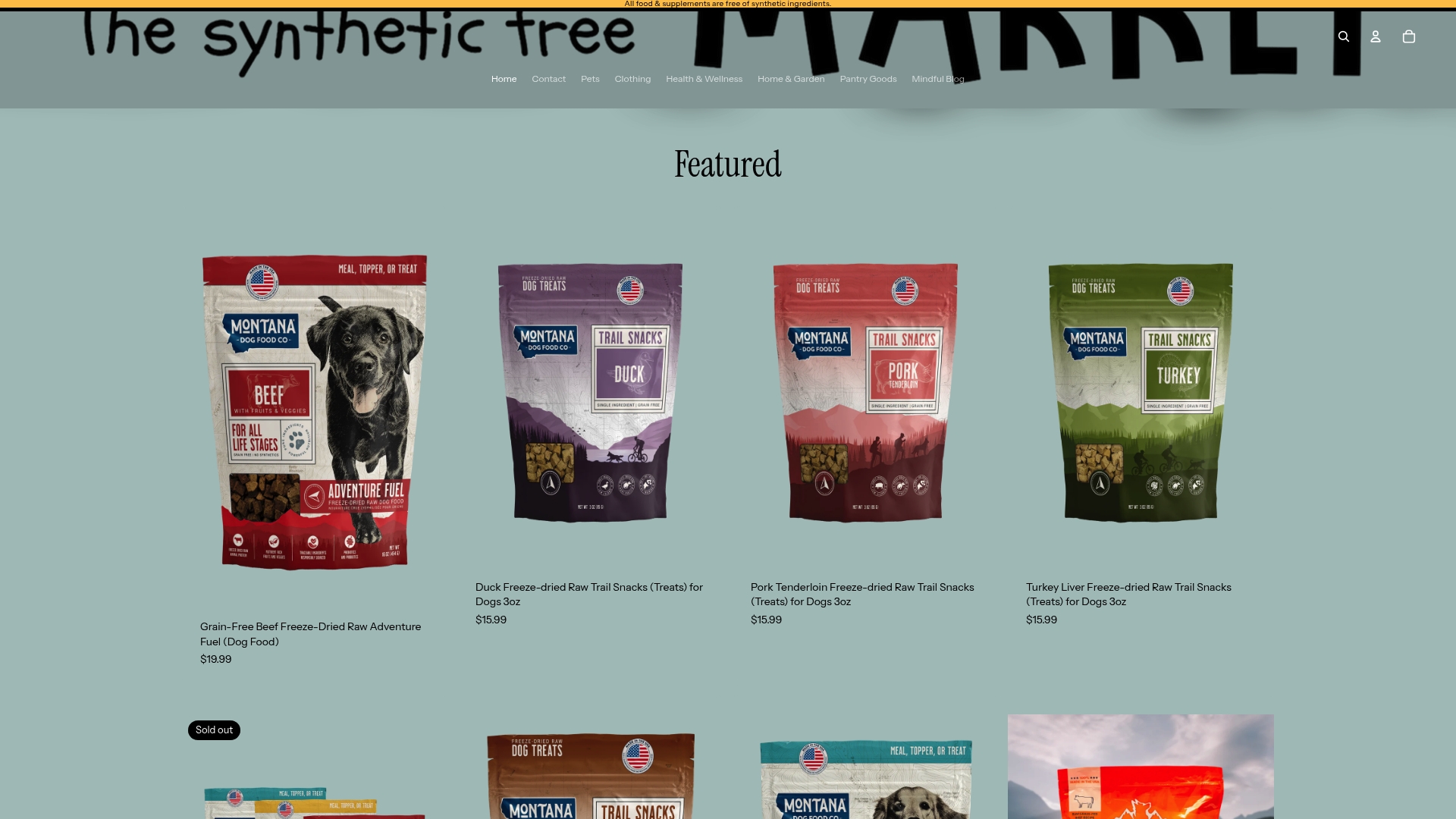
From soft chew dog supplements that complement a fresh food diet to a full selection of natural pet wellness products, the marketplace is designed for pet owners who take ingredient quality seriously. Whether you’re supplementing an existing diet or building a completely new feeding routine, you can explore healthy dog food options and find products that align with a natural, additive-free approach to pet care.
Frequently asked questions
Is fresh dog food better than kibble?
Fresh dog food generally contains fewer additives and is made from whole, minimally processed ingredients, making it a healthier choice for many dogs compared to most kibbles.
Can I make fresh dog food at home?
Yes, but homemade diets require solid knowledge of canine nutrition. Homemade diets must be carefully balanced to meet all of your dog’s nutritional needs across life stages.
How do I know if a fresh dog food is truly natural?
Read the ingredient list closely and look for familiar, whole foods without synthetic preservatives or colorings. Ingredient transparency and the absence of additives are the clearest indicators of a genuinely natural product.
What are the risks of switching to fresh dog food?
Switching too quickly can cause digestive upset, so a gradual transition over seven to ten days is recommended to reduce the risk of stomach problems.
Recommended
- Top types of synthetic-free dog food for healthier pets – Mindful Botany Market
- Feed your dog real food: a practical how-to guide – Mindful Botany Market
- Raw Dog Food Benefits: Health, Nutrition & Risks – Mindful Botany Market
- GMO-free dog food: what it means for your dog’s health – Mindful Botany Market
- Fresh vs Meat Meal: Why Fresh Ingredients Make a Better Dog Food