


TL;DR:
- “Non toxic” labels lack universal standards, certification verification, and guarantee safety for everyone.
- Third-party certifications like EPA Safer Choice and MADE SAFE offer more reliable assurance of ingredient safety and environmental impact.
The term “non toxic” appears on everything from paint cans to baby shampoo to packaged snacks. It sounds reassuring. But the label carries no universal legal definition, no pre-market testing requirement, and no guarantee of safety for every person who uses the product. That gap between marketing and reality matters, especially if you are building a lifestyle around cleaner food, safer clothing, and wellness products free from synthetic chemicals. This guide breaks down what the term actually means, which certifications carry real weight, and how to shop with confidence across every product category.
Table of Contents
- Key takeaways
- What “non toxic” actually means
- Certifications that actually verify the claim
- Risks that “natural” labels can hide
- Applying these principles to food, clothing, and wellness
- My take on shopping for safer products
- Build your non-toxic routine with Mindfulbotany
- FAQ
Key takeaways
| Point | Details |
|---|---|
| No universal standard | “Non toxic” has no legal safety threshold; the FTC requires substantiation but no pre-approval. |
| Certifications carry more weight | Programs like EPA Safer Choice, MADE SAFE, and OEKO-TEX verify specific claims that unqualified labels cannot. |
| Even “green” products have risks | Some natural cleaning formulas still emit VOCs and irritants, particularly in unventilated spaces. |
| Context matters for safety | Products that are acutely non-poisonous can still pose chronic risks through inhalation or residue exposure. |
| Individual sensitivity counts | Asthma, allergies, and skin conditions change what is actually safe for a specific person. |
What “non toxic” actually means
Here is the part most product labels skip. Cambridge and Merriam-Webster define “non toxic” as simply “not poisonous.” That is a language definition, not a safety certification. It tells you a product will not kill you in an acute dose. It says nothing about chronic exposure, ingredient interactions, or environmental impact.
The Federal Trade Commission fills some of that gap through its Green Guides, codified at 16 CFR 260.10. The FTC requires that non toxic claims be substantiated with competent scientific evidence covering both human and environmental safety. That sounds strict. The reality is softer.
There is no pre-approval process. A brand can print “non toxic” on a bottle today without submitting a single test result to any agency. Enforcement is largely reactive, meaning the FTC investigates after a complaint is filed, not before a product hits shelves. Most violations go unaddressed unless they attract significant attention.
The FTC does offer one practical guidance point: qualifying the claim with language like “non toxic when used as directed” narrows its scope and makes it more defensible. When you see an unqualified “non toxic” with no further context, that is a signal to dig deeper.
A few things the average “non toxic” label does not tell you:
- Whether the formula was independently tested
- Which specific chemicals were or were not included
- Whether the product is safe for children, pregnant people, or those with sensitivities
- What happens at repeated or prolonged exposure levels
- Whether the environmental safety claim covers aquatic toxicity, biodegradation, or both
Pro Tip: When evaluating a product’s safety claim, search for the brand’s Safety Data Sheet (SDS). Brands with legitimate formulations make these available on request or on their website. If you cannot find one, treat the label with skepticism.
The distinction between “non toxic” and “chemical free” is worth stating clearly. Everything is a chemical, including water. “Chemical free” is scientifically meaningless. What most people mean when they use that phrase is “free from synthetic or harmful chemicals,” which is a much more specific and testable claim.
Certifications that actually verify the claim
Since the label itself cannot be trusted at face value, third-party certifications do a lot of the verification work. The key is understanding what each program covers and what it does not.
| Certification | Best for | What it covers |
|---|---|---|
| EPA Safer Choice | Safe cleaning products, detergents | Screens every ingredient against chemical safety criteria |
| Green Seal | Cleaning products, non toxic paint | Evaluates environmental and health impact, product performance |
| MADE SAFE | Skincare, baby products, household | Screens for known toxic chemicals across hundreds of categories |
| USDA Organic | Food, some personal care | Verifies absence of prohibited synthetics, GMOs, and certain pesticides |
| OEKO-TEX Standard 100 | Clothing, textiles, bedding | Tests finished textiles for harmful substances and residues |
EPA Safer Choice and Green Seal are the most recognized certifications for household and cleaning products. Safer Choice evaluates every ingredient in a formula against a defined screening criteria. Green Seal covers both environmental and human health impacts, and it also applies to non toxic paint products.
MADE SAFE goes further than most by screening against a broad list of known toxicants including carcinogens, endocrine disruptors, and reproductive toxins. It is particularly relevant for non toxic skincare and baby care products where skin absorption is a factor.
For food, USDA Organic certification verifies the absence of prohibited synthetic pesticides and fertilizers. It does not guarantee that a product has zero synthetic residue, since contamination from neighboring farms is possible, but it sets a meaningful threshold.
Certifications clarify scope, which is the critical piece most shoppers miss. A cleaning product certified by EPA Safer Choice has been evaluated for the chemicals that program tests. That does not automatically mean it has been evaluated for VOC emissions, packaging safety, or manufacturing practices. Reading a certification’s scope statement tells you exactly what was verified and what remains unaddressed.
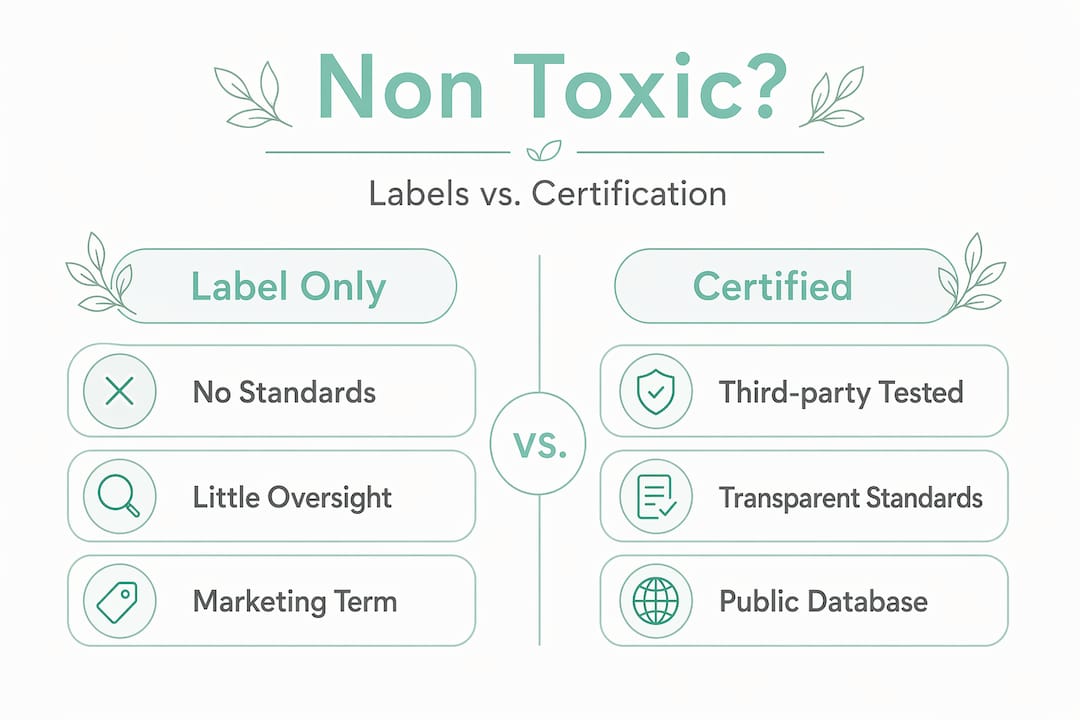
Pro Tip: Look up the certification’s public database before you buy. EPA Safer Choice, MADE SAFE, and OEKO-TEX all maintain searchable product registries. If a brand claims certification but does not appear in the registry, the claim may be outdated or inaccurate.
Risks that “natural” labels can hide
This section matters most if you use green or natural cleaning products and assume they are automatically safe. Some are. Some are not.
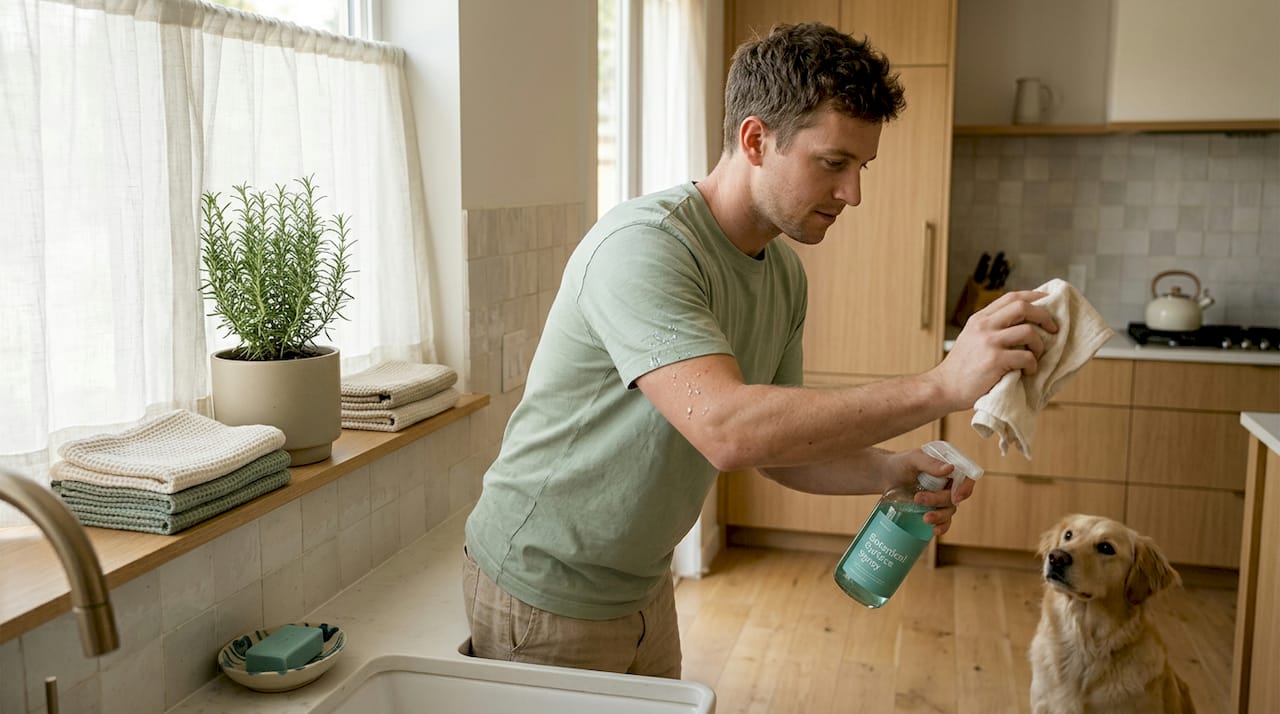
The American Lung Association warns that many green and natural cleaning products still emit VOCs and irritants that affect respiratory health. Terpenes, which are the naturally occurring compounds in citrus and pine, react with indoor ozone to form secondary pollutants including formaldehyde. That reaction happens whether the source is synthetic or plant-derived.
Specific risks to know:
- Fragranced “natural” cleaners can trigger asthma, allergies, and headaches even when plant-based
- Essential oil concentrations in some eco-friendly sprays exceed what sensitive individuals can tolerate
- Products labeled “biodegradable” may still contain surfactants that cause skin or eye irritation
- Lack of ingredient disclosure on some natural products makes it impossible to screen for personal triggers
Ventilation and reduced fragrance selection are the most effective ways to limit exposure regardless of how a product is labeled. Open windows, run fans, and avoid using multiple scented products in the same space at the same time.
Individual susceptibility changes the risk picture significantly. A product that causes no reaction in a healthy adult may trigger a serious response in someone with asthma or chemical sensitivities. “Non toxic” cannot account for that variation. You have to.
For households with pets, pet hair removal and cleaning routines often involve frequent use of sprays and wipes. Since pets spend more time at floor level and groom themselves by licking, their exposure to residues and VOCs from cleaning products is higher than most people realize. That makes ingredient transparency even more relevant when shopping for pet-safe options.
Applying these principles to food, clothing, and wellness
Knowing what the term means is useful. Applying it consistently is where the real work happens. Here is how to approach each product category.
-
Food. Look for USDA Organic certification on fresh produce, packaged goods, and pantry staples. For processed foods, organic certification does not guarantee a product is free from all additives, so reading the ingredient list remains necessary. Prioritize single-ingredient foods when possible and choose brands that disclose their sourcing practices. For pet nutrition specifically, Mindfulbotany’s pet wellness nutrition guide covers how to evaluate ingredient labels on pet food with the same critical lens.
-
Clothing. OEKO-TEX Standard 100 is the most accessible textile certification for everyday shoppers. It tests finished garments for over 100 harmful substances including formaldehyde, heavy metals, and pesticide residues. Look for it on baby clothing, bedding, and activewear where skin contact is prolonged. Wash new clothes before wearing them, as manufacturing residues can remain in fabric even after packaging.
-
Non toxic skincare and wellness products. The personal care industry has minimal federal oversight compared to food. The FDA does not require pre-market approval for most cosmetics. That puts the burden on you. MADE SAFE and EWG Verified are the most meaningful third-party certifications for this category. Check the brand’s full ingredient list against a database like EWG’s Skin Deep before committing. If a brand resists ingredient transparency, that is a reason to move on.
-
Cleaning products. Prioritize EPA Safer Choice or Green Seal certified products. Avoid products that list “fragrance” as a single ingredient without further disclosure, since that term can cover hundreds of undisclosed compounds. Unscented products with short ingredient lists are generally lower-risk options.
-
Supplements and herbal products. This category has some of the loosest regulations of all. The FDA regulates supplements as food, not drugs, which means manufacturers do not need to prove efficacy or safety before selling. Third-party testing by NSF International or USP provides meaningful verification. Mindfulbotany’s resource on herbal remedies for people and pets addresses this specifically, including which herbs carry known risks at certain doses.
Expert recommendations consistently emphasize skepticism toward marketing and a focus on transparency. A brand that openly publishes its ingredient list, third-party test results, and sourcing information is always a stronger choice than one that relies on a label claim alone.
My take on shopping for safer products
I have spent years looking at ingredient lists, cross-referencing certifications, and occasionally returning products that turned out to be less transparent than their labels suggested. Here is what I have learned.
The biggest mistake people make is treating “non toxic” as a binary. It is not. It is a spectrum that depends on the chemical in question, the dose, the route of exposure, and the person being exposed. A product that is genuinely safe for a healthy adult may not be safe for a toddler, a pregnant person, or someone with a compromised respiratory system. That nuance rarely makes it onto the label.
I trust certifications over marketing, but I also verify scope. Seeing MADE SAFE on a moisturizer tells me the formula has been screened against a specific list of toxicants. It does not tell me about the packaging, the preservatives, or whether the brand’s supply chain meets the same standards. Certifications are a starting point, not a final answer.
What I have found actually works is combining certification verification with ingredient list review and usage habits like ventilation and limiting layered product use. No single step covers everything. Together, they reduce exposure meaningfully without requiring a complete lifestyle overhaul.
— Ashley
Build your non-toxic routine with Mindfulbotany
If you are ready to move beyond label reading and start building a product routine you can trust, Mindfulbotany makes that process practical.
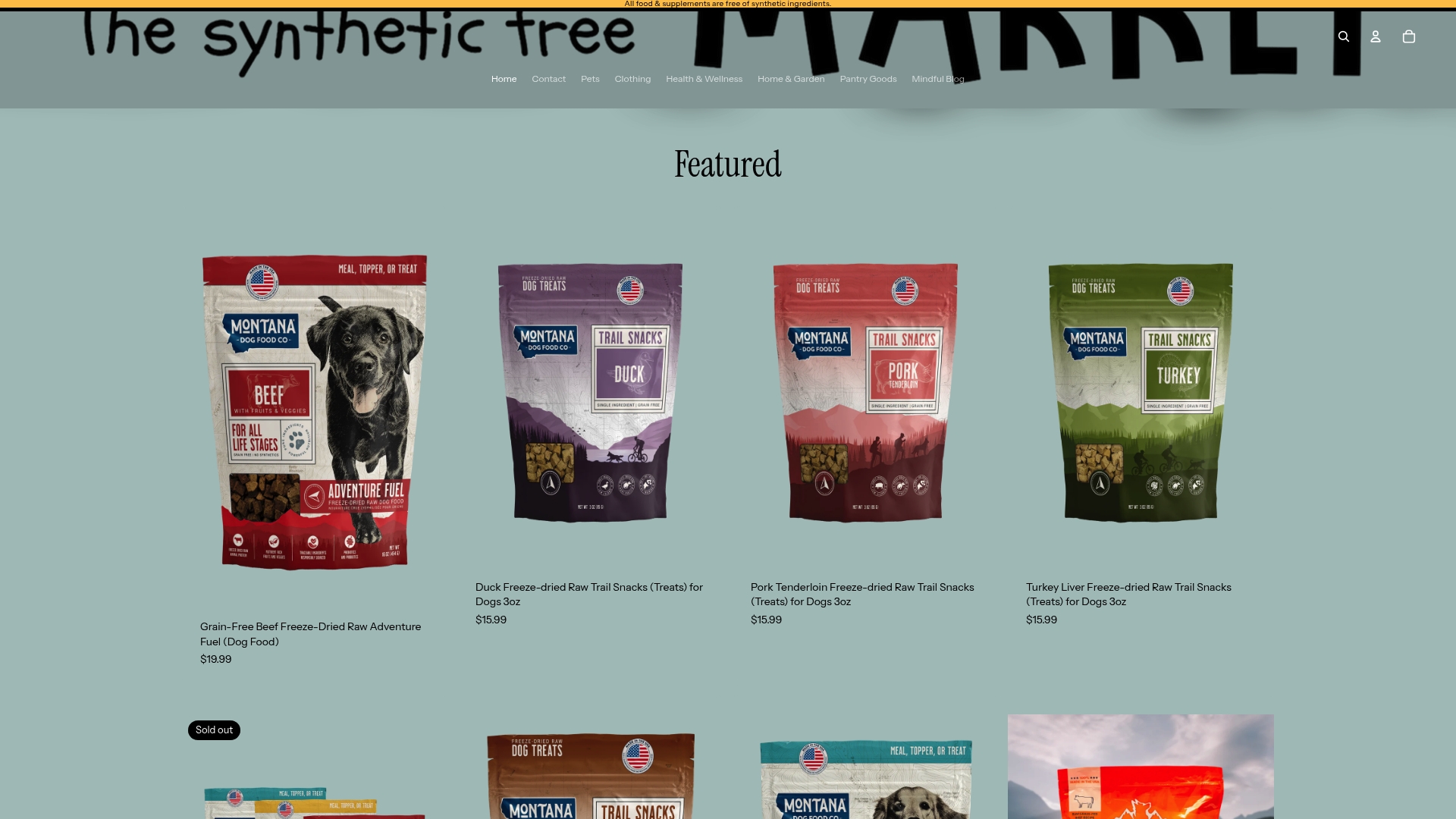
Mindfulbotany stocks wellness products for both people and pets with transparent ingredient lists and recognized formulations. The Couples’ Wellness Pack Hydrating Multivitamin is a straightforward option for households looking to replace synthetic supplement stacks with clearly labeled alternatives. For pet owners, the Tropiclean Papaya and Coconut Waterless Shampoo and Soft Chew Dog Supplements provide gentle, ingredient-forward options for daily pet care. Mindfulbotany also carries pet-safe cleaning wipes formulated for use around animals.
FAQ
What does “non toxic” mean on a product label?
“Non toxic” means the product is not acutely poisonous, based on dictionary definitions. It does not mean the product has been independently tested for safety or meets any legal certification standard.
Is non toxic safe for everyone?
Not necessarily. Individual sensitivities like asthma or allergies mean a product that is safe for one person may cause reactions in another. Usage conditions such as ventilation also affect safety outcomes.
Which certifications verify non toxic skincare claims?
MADE SAFE and EWG Verified are the most credible third-party certifications for personal care products. Both screen formulas against lists of known or suspected toxic substances.
Do green cleaning products emit harmful chemicals?
Some do. The American Lung Association notes that certain green cleaners still emit VOCs and irritants, particularly those containing terpenes or fragrance compounds. Ventilation reduces the risk.
How do I verify a brand’s non toxic claim?
Check whether the product appears in a certification registry such as EPA Safer Choice or MADE SAFE. If the claim lacks substantiation, the FTC considers it potentially misleading under its Green Guides.
Recommended
- Herbal Remedies: Safe Use for People and Pets – Mindful Botany Market
- Guide to safe ingredients for dogs: natural homemade recipes – Mindful Botany Market
- What Is Eco Friendly Pet Food? Your Practical Guide – Mindful Botany Market
- Healthy dog food: how to choose the best for your pet – Mindful Botany Market
0 comments