


TL;DR:
- The herbal medicine market is rapidly expanding, driven by increased interest in natural health solutions for people and pets. However, herbal products carry risks due to lack of regulation, potential herb-drug interactions, and toxicity in animals. Safe use requires professional guidance, selecting quality products, and a thorough understanding of individual responses and pet safety precautions.
The herbal medicine market is growing fast, projected to reach US$ 429.5 billion by 2034, and it’s not hard to see why. People are looking for natural ways to support their health, manage stress, and care for their pets without reaching for pharmaceuticals first. But the surge in interest has also created a flood of products, claims, and confusion. Herbal does not automatically mean harmless. This guide covers the real benefits, the actual risks, and the practical steps you need to use herbal products wisely for both yourself and your animals.
Table of Contents
- Key takeaways
- What herbal products are and how they work
- Risks, side effects, and the regulatory gap
- How to integrate herbal remedies safely
- Herbal products and pets: a different risk profile
- How to choose quality herbal products
- My perspective on the herbal wellness space
- Explore curated herbal wellness at Mindfulbotany
- FAQ
Key takeaways
| Point | Details |
|---|---|
| Natural does not mean risk-free | Herbs contain bioactive compounds that can interact with medications and cause side effects. |
| FDA oversight has real gaps | Herbal supplements don’t require pre-market approval, so quality and safety vary widely by brand. |
| Pets need different precautions | Many herbs and essential oils safe for humans are toxic to dogs and cats. |
| Third-party testing matters | Look for USP, NSF, or ConsumerLab seals before buying any herbal supplement. |
| Professional guidance improves safety | Consulting a pharmacist or integrative clinician before starting herbs reduces adverse events significantly. |
What herbal products are and how they work
Herbs have been used medicinally for thousands of years, but the modern herbal products market looks very different from a handful of dried leaves in a cup. Today, herbal ingredients arrive in teas, tinctures, standardized capsules, soft gels, topical creams, and essential oils. Each delivery format affects how potent the dose is and how your body processes it.
Some of the most studied herbs include:
- Chamomile for mild anxiety and sleep support, most commonly consumed as herbal tea
- Turmeric (curcumin) for its anti-inflammatory properties, widely available in capsule and extract form
- Peppermint for digestive support, used in both teas and enteric-coated capsules
- Echinacea for immune support during cold season
- Ashwagandha as an adaptogen for stress and cortisol regulation
- Ginger for nausea, motion sickness, and digestive discomfort
The distinction between a simple herbal tea and a standardized extract matters a lot. Herbal tea benefits are generally mild because the active compound concentrations are low. A standardized capsule concentrate, on the other hand, delivers measured quantities of specific compounds, which increases both efficacy and the potential for side effects.
Evidence-based support exists for several herbs. Research confirms that curcumin has measurable anti-inflammatory effects, peppermint oil reduces symptoms in irritable bowel syndrome, and St. John’s Wort shows efficacy comparable to some antidepressants for mild depression. That last example, however, also illustrates the biggest risk: St. John’s Wort is one of the most documented offenders when it comes to herb-drug interactions.
Pro Tip: When choosing between herbal tea and a supplement capsule, consider your goal. Teas are appropriate for gentle, daily wellness support. Capsules and extracts are better suited for targeted therapeutic use, but they require closer attention to dose and safety.
Risks, side effects, and the regulatory gap
Here is where most herbal content glosses over the details. Natural does not equate to safe. Herbs contain pharmacologically active compounds. They have real effects on body chemistry, and that cuts both ways.
How herb-drug interactions actually happen
Drug-herb interactions occur through two main mechanisms. The first is pharmacokinetic: an herb alters how your liver processes a medication, either speeding up its elimination (reducing effectiveness) or slowing it down (raising drug levels to potentially toxic ranges). St. John’s Wort, for instance, induces the CYP3A4 enzyme system and can significantly reduce the effectiveness of birth control, antiretrovirals, and blood thinners. The second mechanism is pharmacodynamic: herbs add to or oppose the effect of a drug directly. Ginkgo biloba, for example, can increase bleeding risk when combined with anticoagulants like warfarin.
Populations that need to exercise extra caution include:
- Anyone taking prescription blood thinners, antidepressants, immunosuppressants, or diabetes medications
- Pregnant or breastfeeding women, since many herbs have unknown effects on fetal development
- Children, whose smaller body weight amplifies dosing risks
- Older adults managing multiple medications simultaneously
- People with liver or kidney disease, since these organs process herbal compounds
The FDA regulation problem
FDA regulates herbal supplements as dietary supplements, not drugs. This is a critical distinction. No pre-market approval is required. Manufacturers do not need to prove their product is effective or even safe before selling it. The FDA enforces Good Manufacturing Practices and monitors post-market reports of adverse events, but the burden of proof falls on the FDA to demonstrate harm before a product is removed from the market.
This structure means consumers are largely relying on manufacturer honesty. That is not always a safe bet. Investigations have found products containing levels of heavy metals well above safe thresholds, and some herbal supplements have been found to contain unlisted pharmaceutical drugs.
Pro Tip: Before starting any herbal supplement, write down every medication and supplement you take and run it past your pharmacist. It takes five minutes and can prevent a serious interaction.
| Herb | Common use | Key risk |
|---|---|---|
| St. John’s Wort | Mild depression, anxiety | Reduces effectiveness of many medications via enzyme induction |
| Ginkgo biloba | Cognitive support | Increases bleeding risk with anticoagulants |
| Kava | Stress, anxiety | Liver toxicity risk with prolonged or high-dose use |
| Valerian root | Sleep, relaxation | Additive sedation with prescription sleep aids |
| Licorice root | Digestive health | Raises blood pressure with extended use |
How to integrate herbal remedies safely
Safe use starts with a structured approach, not a shopping cart full of supplements purchased based on a social media recommendation. The goal is to build a clear picture of what you are taking and how your body responds over time.
Practical steps for safe herbal integration:
- Start with one herb at a time. Adding multiple new supplements simultaneously makes it impossible to identify what is helping or causing a problem.
- Keep a detailed supplement log. Record what you take, the dose, the brand, and any symptoms or changes. This log becomes critical if something goes wrong.
- Consult a professional before starting. Professional consultation before herbs significantly improves safety outcomes. Integrative physicians, naturopathic doctors, and pharmacists trained in botanicals are your best resources.
- Start at the lowest effective dose. The label dose is a starting point, not a requirement. Your body may respond to less.
- Know the red flags. Unexpected rashes, nausea, heart palpitations, or changes in how your prescription medication feels are all signals to stop and consult a professional.
- Avoid unverified products. If a brand won’t share third-party test results or a Certificate of Analysis, that tells you something.
The WHO has documented cases where herbal remedies used for millennia in food-based doses are genuinely safe, but that safety profile changes when you concentrate the same compound into a 500mg capsule taken three times daily. Respect the dose.
Pro Tip: If you’re already taking prescription medications, bring your supplement bottles to your next doctor’s appointment. Let the physician see the actual products, not just a verbal description.
Herbal products and pets: a different risk profile
Pets metabolize compounds differently than humans. What is a calming evening tea for you could send your dog to the emergency vet. OTC items including many herbal products account for nearly 17% of pet toxin exposure calls to the ASPCA, covering over 376,000 substance exposures reported in 2025.

Toxic herbs and essential oils for pets
Essential oils such as tea tree, peppermint, and citrus can cause lethargy, tremors, and respiratory distress in pets through both skin contact and inhalation. There is no regulated pet-safe standard for essential oils. If you diffuse these oils at home, your pet is being exposed.
Common herbal and botanical hazards for pets include:
- Tea tree oil (Melaleuca): Toxic to dogs and cats even in small topical amounts
- Peppermint oil: Can cause respiratory distress and neurological symptoms in cats
- Pennyroyal: Highly toxic, used historically as a flea repellent but dangerous to dogs
- Xylitol-containing products (sometimes in herbal gum or supplements): Potentially fatal to dogs
- Citrus-based products: Can cause skin irritation and gastrointestinal distress
| Substance | Risk to dogs | Risk to cats |
|---|---|---|
| Tea tree oil | High toxicity | High toxicity |
| Peppermint oil | Moderate toxicity | High toxicity |
| Citrus oils | Low to moderate | Moderate toxicity |
| Chamomile (tea) | Generally low risk | Low risk at food doses |
| Turmeric (food dose) | Low risk | Moderate, monitor closely |
For pet owners who want to incorporate herbal ingredients into their animals’ routines, the right approach looks very different from the human side. Start with products specifically formulated for pets, not human supplements divided into smaller doses. Review the ingredient list using reliable references like the pet wellness nutrition guide from Mindfulbotany to understand what belongs in a pet’s diet.
Signs of herbal toxicity in pets include drooling, vomiting, tremors, difficulty breathing, or sudden lethargy. Contact the ASPCA Animal Poison Control Center or your veterinarian immediately if you observe these symptoms.
Owners must monitor pets carefully when introducing any herbal product, given their different metabolism and greater susceptibility to harm.
Pro Tip: If you use an essential oil diffuser, run it only in well-ventilated rooms your pets can leave freely. Never diffuse in a closed room where a pet is confined.
How to choose quality herbal products
With no mandatory pre-market testing required, product quality in the herbal supplements market varies enormously. Contamination, adulteration, and mislabeling are documented problems, including findings of lead, mercury, arsenic, and unlisted pharmaceutical compounds in tested products.
How to evaluate a product before you buy:
- Check for third-party testing seals. USP, NSF International, and ConsumerLab are the most credible. Third-party lab seals like these confirm identity, potency, and purity of ingredients.
- Look for botanical names on the label. A product listing only “echinacea” tells you less than one specifying Echinacea purpurea aerial parts, standardized to 4% cichoric acid. Specificity signals quality.
- Request a Certificate of Analysis. Reputable brands make these available on request or publish them online.
- Avoid products with excessive proprietary blends. Proprietary blends let manufacturers list ingredients without disclosing exact amounts, making it impossible to evaluate doses.
- Be cautious with cheap international sellers. Products sourced from unverified overseas suppliers carry higher risk of contamination and adulteration. If the price seems too good to be true, it often reflects a quality compromise.
For guidance on safe herbal ingredients in pet care specifically, the safe ingredients for dogs guide from Mindfulbotany is a practical starting point.
My perspective on the herbal wellness space
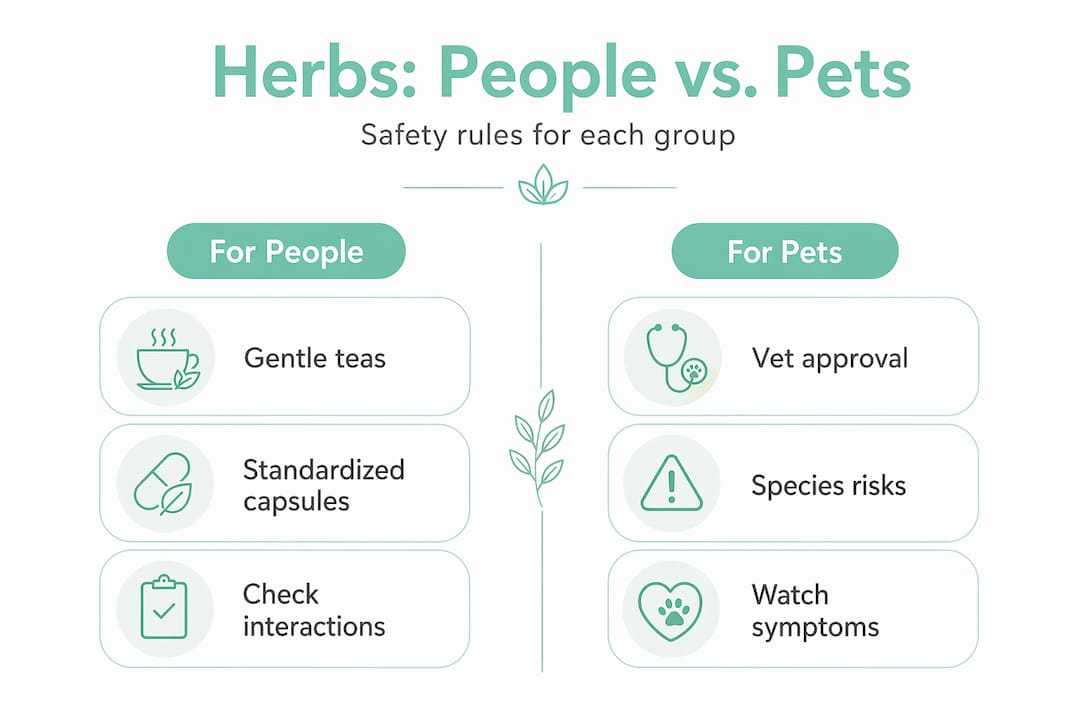
I’ll say it plainly: the “natural equals safe” assumption is the most dangerous misconception in the wellness space today. I’ve watched people layer herb after herb onto existing medication regimens with zero professional guidance, treat their pets with human herbal products, and trust social media influencers over pharmacists. The outcomes are not always benign.
What I’ve found consistently is that the people who get the most value from herbal remedies are those who treat them with the same respect they’d give a pharmaceutical. They research interactions, track their responses, and involve professionals early. They don’t take ten supplements at once and wonder why they feel off.
The pet side concerns me even more. Cats and dogs cannot tell you they feel sick. By the time symptoms are visible, significant harm may have already occurred. My take is that pet owners need a completely separate mental framework for animal wellness, not a scaled-down version of human herbalism.
Stay curious about herbal health benefits. There is real, documented value in this space. But pair that curiosity with critical thinking, reliable sourcing, and professional input. That combination works.
— Ashley
Explore curated herbal wellness at Mindfulbotany
Mindfulbotany is a health and wellness marketplace for people and pets, focused on safe-sourced, quality-verified products.
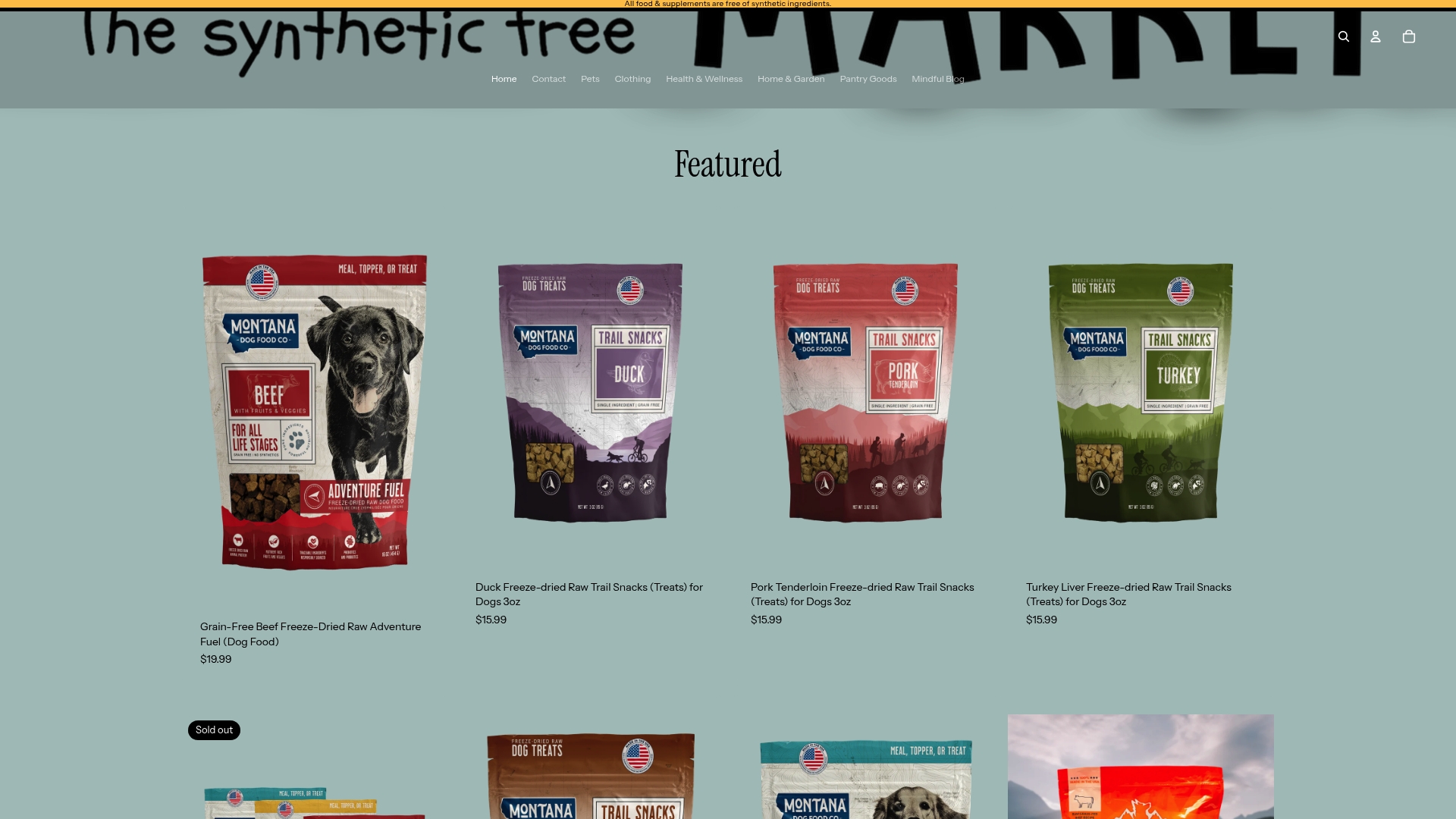
For adults building a natural wellness routine, the Couples’ Wellness Pack includes hydrating multivitamins formulated with natural herbal ingredients for both partners. For pet owners, the Soft Chew Dog Supplements deliver herbal-based support in a pet-specific format designed with dog metabolism in mind. For skin and coat care, the Tropiclean OxyMed Pet Shampoo uses oatmeal and botanical ingredients in a gentle, vet-friendly formula. All products at Mindfulbotany are curated for quality and safety, covering both human wellness and natural pet health tips you can apply right away.
FAQ
Are herbal supplements regulated by the FDA?
FDA regulates herbal supplements as dietary supplements, not drugs, meaning no pre-market approval is required. Manufacturers are responsible for safety, and the FDA intervenes only after harm is reported.
What are the most dangerous herb-drug interactions?
St. John’s Wort reduces the effectiveness of many prescription medications by inducing liver enzymes, and Ginkgo increases bleeding risk with anticoagulants like warfarin. Always consult a pharmacist before combining herbal supplements with any prescription drug.
Can I give my dog herbal supplements meant for humans?
No. Dog metabolism differs significantly from human metabolism, and many herbal ingredients safe for people are toxic to dogs. Use only pet-specific formulations and consult your veterinarian before introducing any new supplement.
What should I look for on an herbal supplement label?
Look for the full botanical name, standardized extract percentage, dose per serving, and a third-party testing seal from USP, NSF, or ConsumerLab. Avoid products that list only proprietary blends without individual ingredient amounts.
Are herbal teas safer than herbal capsules?
Generally, yes. Herbal tea benefits come from lower concentrations of active compounds, making adverse effects less likely. Capsules and standardized extracts deliver higher doses and carry greater risk of interactions, especially when taken alongside medications.
Recommended
- Guide to safe ingredients for dogs: natural homemade recipes – Mindful Botany Market
- Pet wellness nutrition guide: safer, natural meals – Mindful Botany Market
- Raw food for pets: benefits, risks & smart choices – Mindful Botany Market
- Why natural diets can improve your pet’s health – Mindful Botany Market
0 comments