


TL;DR:
- Feeding dogs homemade food requires avoiding toxic ingredients like xylitol, onions, grapes, and chocolate to prevent emergencies.
- Ensuring a balanced diet with proper nutrient ratios, especially calcium and phosphorus, is essential to prevent long-term health issues.
- Consulting a veterinary nutritionist and thoroughly verifying ingredients and nutrient profiles are crucial for safe and effective home-prepared meals.
Making homemade food and treats for your dog sounds straightforward until you realize how many common human foods are actually dangerous for them. This guide to safe ingredients for dogs cuts through the confusion, covering which proteins, vegetables, and grains belong in your dog’s bowl, which ingredients cause immediate emergencies, and how to build a nutritionally complete recipe without relying on synthetic additives. Whether you are making weekly meal batches or occasional treats, the practical steps here will help you feed confidently and safely.
Table of Contents
- Understanding ingredient safety: toxins and common hazards
- Setting up safe homemade dog food: essential nutrient balance
- Choosing and preparing safe natural ingredients for your dog
- Verifying safety and nutrient adequacy for homemade dog food
- The overlooked key to safe homemade dog food: nutrient balance over ingredient hype
- Enhance your dog’s health with natural supplements and care essentials
- Frequently asked questions
Key Takeaways
| Point | Details |
|---|---|
| Avoid xylitol | Xylitol is extremely toxic even in tiny amounts, so always check for it and never feed sugar-free products containing it to dogs. |
| Balance nutrients | Proper calcium, phosphorus, and micronutrient ratios are critical in homemade diets to prevent serious bone and health issues. |
| Use fully cooked proteins | Only feed fully cooked animal proteins and eggs to avoid nutritional deficiencies and foodborne infections. |
| Verify labels | Do not rely on ‘natural’ claims; carefully check ingredient labels and nutritional standards to ensure safety and adequacy. |
| Vet guidance essential | Consulting a veterinary nutritionist is key to creating safe, balanced homemade recipes and supplement plans for your dog. |
Understanding ingredient safety: toxins and common hazards
The first step in any guide to safe ingredients for dogs is knowing what to eliminate entirely. Not “feed less of” but never feed at all. Some ingredients are dose-dependent risks. Others cause serious harm in any amount.
Xylitol tops the list. It is a sugar alcohol used as a sweetener, and it is extremely toxic to dogs even in small amounts. Dogs metabolize xylitol differently than humans. Within 30 to 60 minutes of ingestion, blood sugar crashes sharply, requiring emergency intervention. At higher doses above 100 mg/kg, xylitol can cause severe liver failure. These are not vague risks. They are documented, fast-moving emergencies.
The problem is where xylitol hides. Most owners know to check sugar-free gum. But it also appears in:
- Peanut butter (certain brands market it as “healthy sugar-free”)
- Protein bars and meal replacement shakes
- Flavored vitamins and some medications
- Sugar-free baked goods and certain nut butters
- Candy and mints
Always read the full ingredient list on any peanut butter or nut butter before sharing it with your dog. A product labeled “natural” can still contain xylitol. Check the clean label dog food risks involved with trusting marketing terms over actual ingredient panels.
Beyond xylitol, other hazards include onions and garlic in any form (raw, cooked, powdered), grapes and raisins, macadamia nuts, chocolate, and alcohol. Raw egg whites present a subtler risk: avidin, a protein in raw whites, blocks biotin absorption over time and can lead to deficiency with regular feeding.
Setting up safe homemade dog food: essential nutrient balance
Removing toxic ingredients is step one. Step two is harder: building a diet that actually meets your dog’s full nutritional needs. Most homemade dog food problems are not caused by a single toxic ingredient. They come from nutrient imbalances that develop slowly and cause serious physical damage.
Calcium and phosphorus are the most critical ratio to get right. Meat is high in phosphorus and low in calcium. Feed straight meat without supplementation and you create a calcium deficit. The body compensates by pulling calcium from bones, a condition called nutritional secondary hyperparathyroidism. The result is weakened bones, fractures, and severe orthopedic problems. Many home-prepared diets lack proper calcium along with correct phosphorus, zinc, iodine, and selenium levels. These are not rare edge cases.
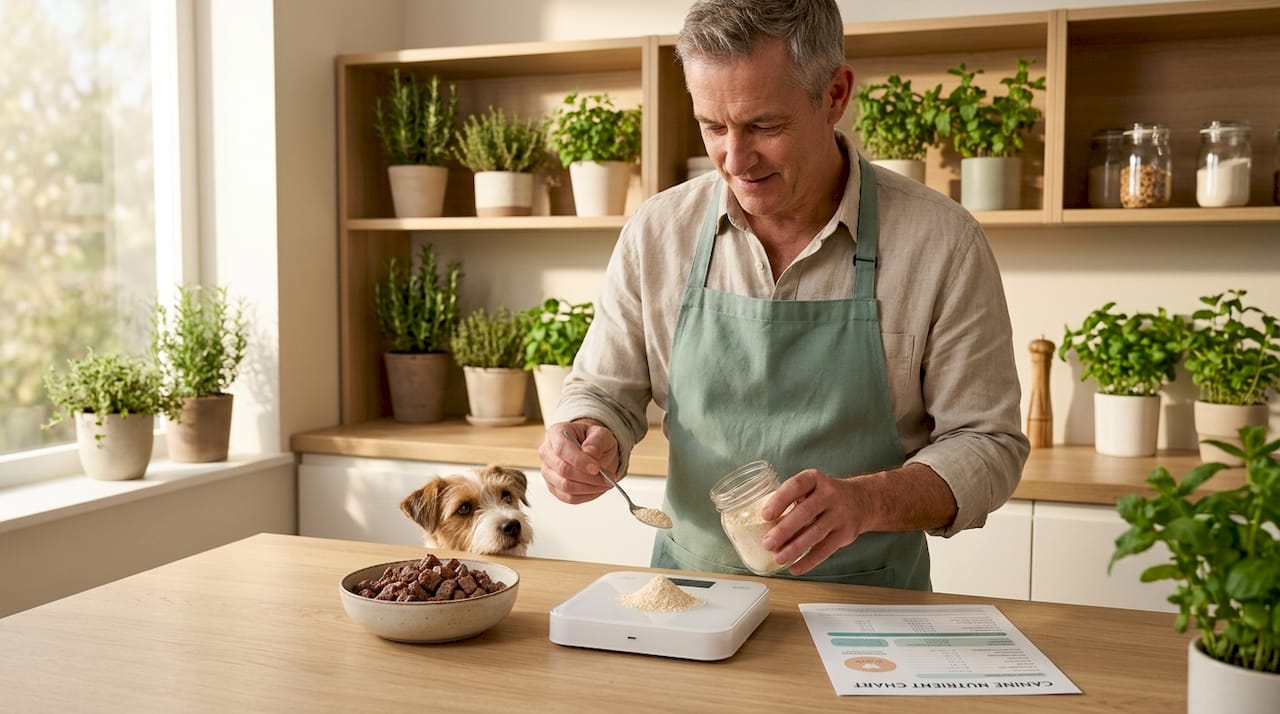
Here is a reference table for key nutrients often missing or imbalanced in homemade diets:
| Nutrient | Common deficiency source | Risk if imbalanced |
|---|---|---|
| Calcium | Meat-only diets | Bone fractures, joint damage |
| Phosphorus | Excess without calcium | Kidney stress, bone loss |
| Zinc | Low-variety diets | Skin issues, immune problems |
| Iodine | No fish or seaweed | Thyroid dysfunction |
| Selenium | Regional soil variation | Muscle weakness, heart issues |
| Vitamin D | No organ meats or sunlight | Bone malformation |
When you supplement, precision matters. Human multivitamins frequently contain iron doses, vitamins, or minerals at levels unsafe for dogs. Always use supplements formulated specifically for dogs and confirmed by a veterinary nutritionist. Getting the essential nutrients for dogs right before committing to a homemade diet is not optional. It is the foundation.
Pro Tip: Before starting a homemade diet, have a veterinary nutritionist review your planned recipe, not just your vet. Nutritionists specialize in calculating precise macro and micronutrient targets for your dog’s breed, age, weight, and health status.
Choosing and preparing safe natural ingredients for your dog
With the hazard and nutrient framework in place, selecting the best ingredients for dogs becomes clearer. The goal is simple: whole, recognizable ingredients that provide protein, fiber, and nutrients without added seasonings, sweeteners, or preservatives.
Step-by-step preparation approach:
- Choose a fully cooked animal protein as the base. Chicken, turkey, and beef are reliable, widely available, and nutritionally dense. Cook thoroughly to eliminate bacteria like Salmonella and Campylobacter.
- Add a digestible carbohydrate. Brown rice, oats, and plain cooked sweet potato provide energy and fiber. Avoid flavored or instant versions that contain salt or additives.
- Include a safe vegetable. Carrots, pumpkin (plain canned or cooked fresh), green beans, and zucchini work well. Skip onions, garlic, leeks, and chives entirely.
- Add a fat source carefully. A small amount of fish like salmon or sardines (cooked, boneless) provides beneficial omega-3 fatty acids without the risks associated with raw fish.
- Supplement with vet-approved minerals and vitamins. Do not skip this step or substitute with human products.
Safe dog food ingredients to keep on hand:
- Chicken breast or thigh (cooked, unseasoned)
- Ground turkey (cooked, no added fat or seasoning)
- Canned pumpkin (plain, not pie filling)
- Carrots (raw or cooked, no seasoning)
- Oats (plain, cooked)
- Brown rice (cooked)
- Eggs (fully cooked only; raw egg whites risk biotin deficiency, and always check labels for hidden xylitol in any egg-containing product)
- Sardines in water (no added salt)
Peanut butter deserves a specific call-out. It is a popular ingredient in homemade dog treats, but it must be checked every single time you buy a new jar. Formulations change. What was safe last year may contain xylitol now. Stick to simple peanut butter with only peanuts and possibly salt as ingredients.
Pro Tip: Store homemade dog food in airtight containers and refrigerate for no more than four days. For longer storage, freeze individual portions. Bacterial contamination from improper storage is one of the most common and preventable risks in homemade feeding. For more ideas, browse safe natural dog treats that work well alongside homemade meals.
Verifying safety and nutrient adequacy for homemade dog food
Preparing safe food is one thing. Knowing it meets your dog’s actual needs requires a verification step many owners skip. This is where a lot of well-intentioned homemade diets fall short.
Practical verification checklist:
- Read every ingredient label in full, not just the front panel
- Cross-reference your recipe against AAFCO (Association of American Feed Control Officials) nutrient profiles for your dog’s life stage
- Avoid trusting terms like “natural,” “clean,” or “grain-free” as quality signals
- Keep ingredient labels and packaging accessible in case of suspected toxin exposure
- Schedule periodic blood panels to catch nutrient deficiencies before they become clinical problems
The AAFCO nutrient profiles are the most practical public standard for assessing whether a diet provides adequate nutrition. They are not perfect, but they give you a concrete benchmark to check against. If your recipe provides less than the AAFCO minimum for calcium, for example, you know exactly what to adjust.
Marketing language is not a substitute for label reading. Natural or clean labels do not guarantee safety. Commercial products carrying those terms have shown wide variation in nutrient content and have been found to contain contaminants including listeria. This applies to commercial products you might use as ingredient bases or toppers alongside homemade food.
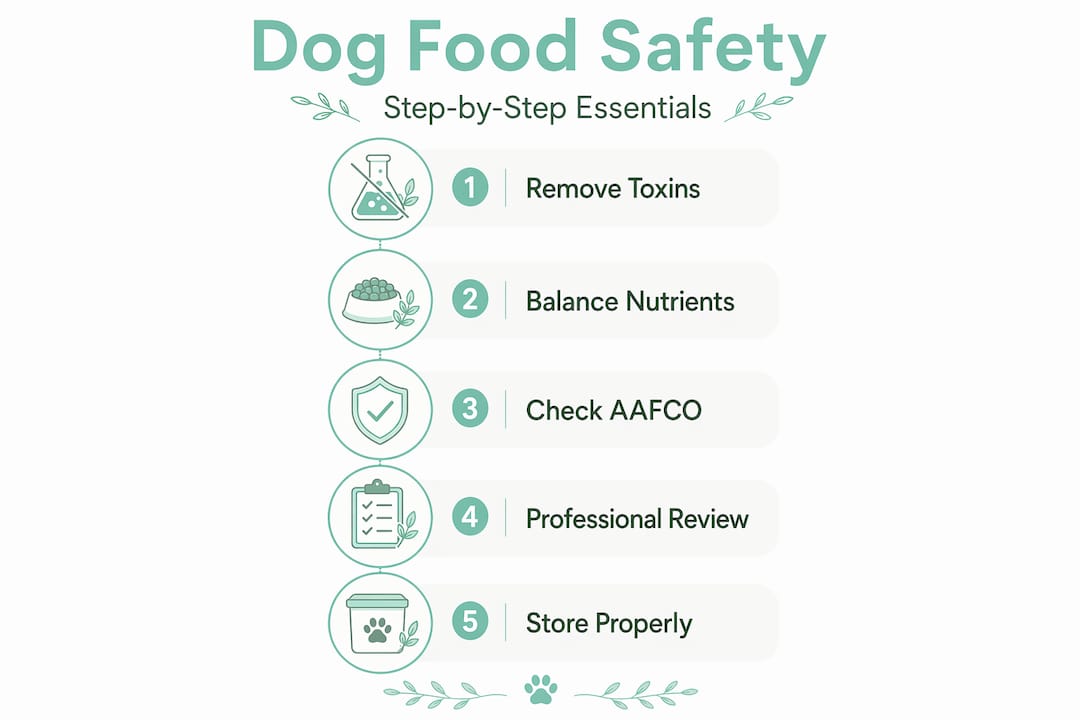
| Verification method | What it checks | Limitation |
|---|---|---|
| AAFCO nutrient comparison | Macro and micronutrient levels | Does not confirm bioavailability |
| Veterinary blood panel | Actual nutrient levels in your dog | Requires regular scheduling |
| Label ingredient review | Presence of toxins, additives | Requires up-to-date knowledge |
| Veterinary nutritionist review | Full recipe balance and safety | Cost, access varies |
For a fuller picture of what balanced pet feeding looks like in practice, the natural dog nutrition sources guide and this pet wellness nutrition guide offer ingredient-level breakdowns that complement this framework.
The overlooked key to safe homemade dog food: nutrient balance over ingredient hype
Here is what most homemade dog food content gets wrong: it focuses almost entirely on ingredient safety and almost nothing on nutritional architecture. The result is owners who know never to feed grapes but have no idea their dog’s diet is dangerously low in zinc.
The biggest risk in homemade feeding is not a single toxic ingredient. It is poor nutrient ratios that quietly cause severe orthopedic and metabolic damage over months. A diet of chicken, rice, and carrots sounds responsible. But without proper calcium supplementation, it is actively harmful. This is not a minor caveat. It is the central fact that most casual homemade feeding guides skip.
The “natural” label creates false confidence. An ingredient being natural does not make it complete, balanced, or appropriate in the amounts a dog needs. Liver is natural and beneficial in small amounts. Feed too much and you cause vitamin A toxicity. The framing of “natural equals safe” is the most persistent and damaging misconception in pet nutrition.
Xylitol is another area where urgency gets underestimated. “Sugar-free” is not a benign descriptor. It is a warning label for dog owners. If something in your home is sugar-free and the dog has access to it, verify the ingredient list immediately. The window between ingestion and life-threatening hypoglycemia is narrow. There is no “wait and see” with xylitol.
Finally, if you are going to invest in homemade feeding, invest in proper professional guidance. A consultation with a veterinary nutritionist and a recipe built to optimize nutrients for dogs will cost less than one emergency vet visit. The math is straightforward.
Enhance your dog’s health with natural supplements and care essentials
Building a safe, balanced homemade diet is a strong foundation. Supporting it with targeted supplements helps close any remaining nutritional gaps.
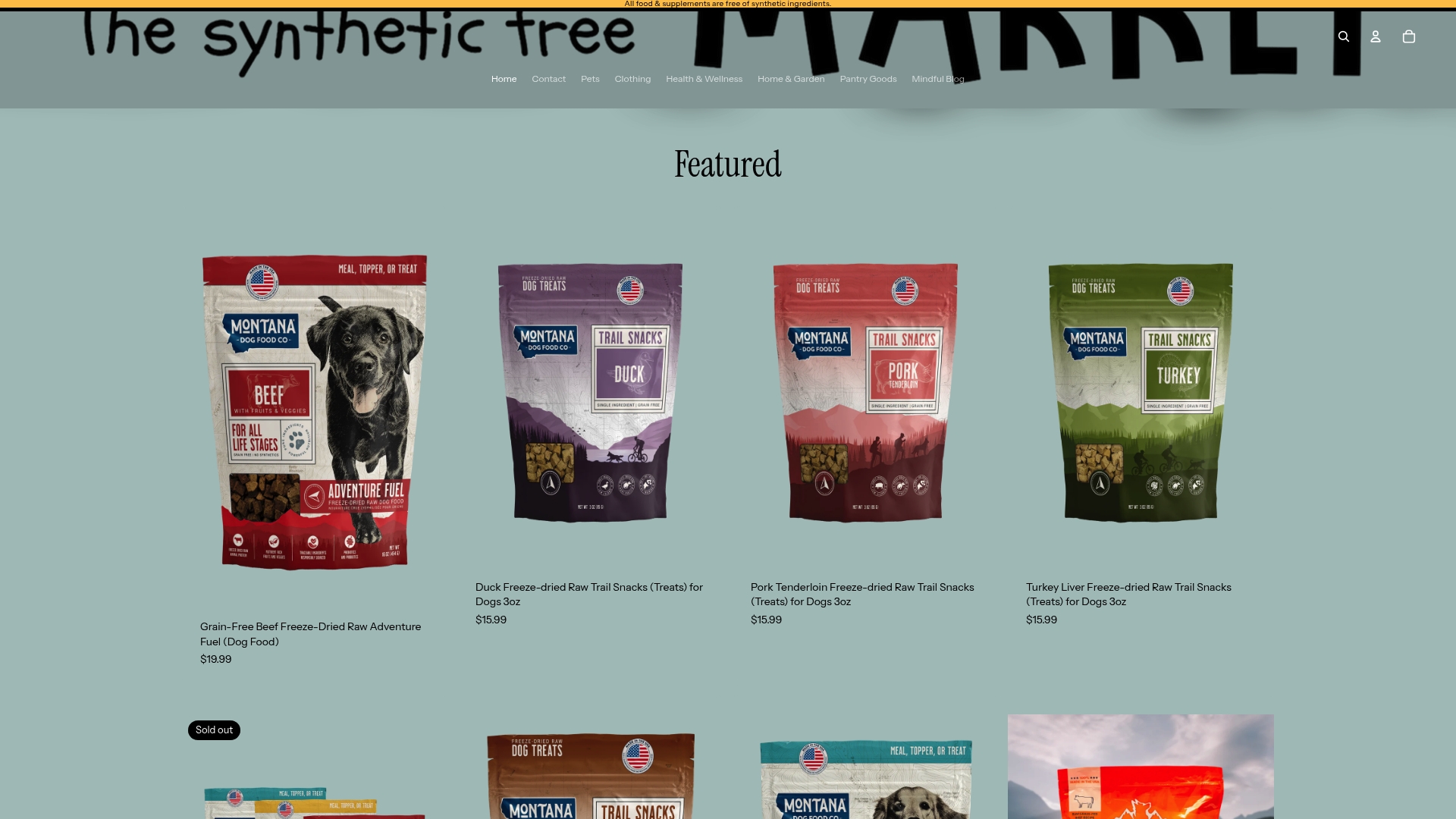
Soft chew dog supplements are a practical complement to homemade feeding, providing specific nutrients like joint support, omega fatty acids, or probiotics that whole food diets may not supply in consistent amounts. For coat and skin care, natural pet shampoo formulated with oatmeal supports healthy skin without harsh chemical exposure. And if you are prioritizing natural wellness across your household, natural multivitamins for pet owners provide clean-formulation support for you as well. These products are designed to work alongside natural feeding routines, not replace them.
Frequently asked questions
Is xylitol found only in foods or in other household products too?
Xylitol is present not only in sugar-free foods like gum and candy but also in non-food items like toothpaste, medications, lotions, and cosmetics. Keep all of these out of reach.
Can I feed my dog raw eggs safely?
No. Raw egg whites contain avidin, a protein that blocks biotin absorption and can cause deficiency over time. Always feed fully cooked eggs.
How can I make sure my homemade dog food has the right nutrient balance?
Consult a veterinary nutritionist and follow a balanced, approved recipe. Many homemade diets fall short on critical nutrients, and improper ratios can cause severe and irreversible health problems.
Are all ‘natural’ labeled dog foods safe for my pet?
No. Natural or clean claims do not confirm safety or nutrient adequacy. Always verify with full label review and, where possible, veterinary confirmation.
Recommended
- Healthy dog treats: Natural, safe, and vet-approved options – Mindful Botany Market
- Best natural sources for dog nutrition: a complete guide – Mindful Botany Market
- How to mix supplements with dog food naturally – Mindful Botany Market
- How to store natural dog food safely and keep it fresh – Mindful Botany Market
0 comments