


TL;DR:
- Hypoallergenic pet food is a marketing term that lacks a legal or medical standard and does not guarantee allergy relief. A proper diagnosis requires an at least eight-week elimination diet trial overseen by a veterinarian, using validated therapeutic diets to avoid cross-contamination. Selecting the right diet depends on the pet’s history and strict adherence to protocols, as unregulated products and improper testing can hinder effective allergy management.
Hypoallergenic pet food is defined as any diet formulated to reduce the risk of allergic reactions by avoiding common allergens or using specially processed proteins. Defining hypoallergenic pet food accurately matters because the term carries no legal or medical standard. AAFCO does not define “hypoallergenic” as a regulated labeling claim, which means any manufacturer can print it on a bag without meeting a clinical threshold. For pets with confirmed food sensitivities, that gap between marketing and medicine is the difference between relief and continued suffering.
How is hypoallergenic pet food clinically defined?
Clinically, a hypoallergenic diet is not a product category. It is a feeding protocol. The only validated method to diagnose food allergies in dogs and cats is the elimination diet trial, which must run for at least 8 weeks. During that window, your pet eats one specific diet exclusively, with zero deviation.
The trial works in three phases:
- Baseline assessment. Your vet reviews your pet’s full dietary history, including every protein and grain source ever consumed. This determines which ingredients are safe to use in the trial diet.
- Exclusive feeding phase. Your pet eats only the prescribed novel or hydrolyzed protein diet. No treats, no table scraps, no flavored medications, and no chew toys with protein additives. Non-food exposures like flavored parasite preventatives can invalidate the entire trial.
- Provocation phase. After improvement is observed, the original diet is reintroduced. Reintroduction confirms whether the reaction returns, which is the only way to verify a true food allergy rather than a coincidental improvement.
Owner compliance is the most common reason elimination trials fail. A single treat from a well-meaning family member can reset the clock entirely.
Pro Tip: Write down every item your pet contacts orally during the trial, including toothpaste, pill pockets, and flavored supplements. Bring that log to each vet check-in.
What are the main types of hypoallergenic pet diets?
Three major diet types serve as the foundation of hypoallergenic feeding: novel protein, hydrolyzed protein, and elemental diets. Each works differently and suits different clinical situations.

Novel protein diets use a single protein source the pet has never eaten before. Common options include rabbit, venison, kangaroo, and duck. The logic is straightforward: the immune system cannot react to a protein it has never encountered. The challenge is that many pets have already been exposed to a wide range of proteins through commercial foods, which narrows the available options. A pet nutrition checklist from a vet can help map prior exposures before selecting a novel protein.
Hydrolyzed protein diets take a common protein, such as chicken or soy, and break it into fragments too small for the immune system to recognize. Hydrolyzed diets with molecular weight under 5 kilodaltons are considered hypoallergenic for most patients. That threshold matters because most immune reactions target larger protein structures. Products like Royal Canin Ultamino®, Purina Elemental®, and Farmina VetLife Derma HF® are cited as reliable options that meet or approach this criterion.
Elemental diets go one step further. They contain free amino acids rather than intact proteins, making them the least allergenic option available. They are rarely used outside of severe or refractory cases because palatability is poor and cost is high.
| Diet Type | Protein Source | Allergenic Potential | Best Used For |
|---|---|---|---|
| Novel Protein | Single unfamiliar protein (rabbit, venison) | Low to moderate | First-line elimination trials |
| Hydrolyzed Protein | Enzymatically broken-down common protein | Very low (if under 5 kDa) | Pets with broad exposure history |
| Elemental | Free amino acids | Minimal | Severe or refractory allergy cases |

Pro Tip: If your dog has eaten a “variety” formula at any point, assume most common proteins are already off the novel protein list. Ask your vet about kangaroo or insect-based proteins as less common alternatives.
Why does the “hypoallergenic” label have limited clinical value?
The word “hypoallergenic” on a pet food bag is a marketing claim, not a clinical guarantee. AAFCO does not regulate this term, so manufacturers apply it without meeting any defined standard. That creates real risk for pet owners who rely on the label to manage a diagnosed allergy.
The core problems with over-the-counter hypoallergenic products include:
- Cross-contamination. Most commercial facilities process multiple proteins on shared equipment. An “insect protein” food may contain trace chicken or beef from the same production line.
- Ingredient vagueness. Terms like “meat meal” or “natural flavors” can mask allergen sources that never appear on the label.
- No quality testing requirement. Only veterinary therapeutic diets with PCR or ELISA testing can reliably exclude cross-contamination. Over-the-counter products are not held to this standard.
- Misleading “limited ingredient” claims. A food with three ingredients can still contain a protein your pet reacts to. Fewer ingredients do not equal safer ingredients.
Hypoallergenic does not guarantee suitability for a pet with confirmed allergies. Individual allergen avoidance, guided by a vet, is the only reliable approach. For diagnostic or therapeutic use, only veterinary-formulated therapeutic diets with documented quality control should be used.
How do you choose and manage a hypoallergenic diet safely?
Selecting the right diet starts before you open a bag. The most effective diet choice depends on your pet’s dietary history, prior protein exposures, and your ability to maintain strict feeding protocols over weeks. There is no universal answer.
Follow these steps to select and manage a hypoallergenic diet safely:
- Document your pet’s full food history. List every food, treat, and supplement your pet has consumed in the past year. This prevents selecting a “novel” protein your pet has already encountered.
- Consult your veterinarian before switching. A vet can recommend a therapeutic diet appropriate for your pet’s specific allergy profile and confirm whether a diagnostic trial is needed.
- Choose a veterinary therapeutic diet for diagnostic use. Over-the-counter options are not reliable for elimination trials. Brands like Royal Canin, Purina Pro Plan Veterinary Diets, and Hill’s Prescription Diet offer tested formulas.
- Remove all other food sources during the trial. This includes flavored medications, dental chews, and any supplement with a protein base. Review your pet’s diet plan with your vet to confirm nothing is missed.
- Track your pet’s response weekly. Note changes in skin condition, coat quality, digestion, and behavior. Most dogs show improvement by 4–6 weeks into a strict trial. Cats commonly respond by 8 weeks, with approximately 90% showing clinical improvement when the diet is followed correctly.
- Complete the provocation phase. Do not stop at symptom improvement. Reintroduce the original diet to confirm the allergy diagnosis before committing to a long-term hypoallergenic feeding plan.
Pro Tip: Ask your vet for a written feeding protocol before starting the trial. A written plan reduces the chance of accidental exposure and gives every household member a clear reference.
For a broader look at allergen-free nutrition and how it differs from hypoallergenic feeding, the Mindfulbotany blog covers the distinction in practical detail.
Key takeaways
Hypoallergenic pet food is a clinically meaningful concept only when paired with veterinary guidance, strict feeding protocols, and quality-controlled therapeutic diets.
| Point | Details |
|---|---|
| “Hypoallergenic” is unregulated | AAFCO does not define the term; any brand can use it without meeting a clinical standard. |
| Elimination trials are the gold standard | An 8-week exclusive feeding trial is the only validated method to diagnose food allergies in pets. |
| Three diet types serve different needs | Novel protein, hydrolyzed protein, and elemental diets each suit different allergy profiles and exposure histories. |
| OTC products carry contamination risk | Only veterinary therapeutic diets with PCR or ELISA testing reliably exclude cross-contamination. |
| Owner compliance determines trial success | A single off-protocol treat or flavored medication can invalidate weeks of dietary management. |
What i’ve learned about hypoallergenic diets after years of watching owners struggle
The most common mistake I see is pet owners spending months on an over-the-counter “hypoallergenic” food and wondering why their dog is still scratching. The label gave them confidence the ingredients did not earn. That is not a small problem. It delays diagnosis, prolongs discomfort, and erodes trust in the process.
The second mistake is treating the elimination trial as optional. Some owners see improvement at week four and reintroduce their pet’s old food immediately. Without completing the provocation phase, you never actually confirm the allergy. You just know the symptoms got better, which could mean anything.
What actually works is a personalized approach built on your pet’s specific history. A vet-approved nutrition strategy that accounts for prior exposures, household compliance, and the pet’s palatability preferences will outperform any off-the-shelf solution every time. Hydrolyzed diets are not automatically better than novel protein diets. Elemental diets are not the answer for every severe case. The right choice depends on the individual animal and the household’s ability to maintain strict protocols.
My honest recommendation: treat the elimination trial like a clinical procedure, not a diet switch. Write everything down. Involve every person in the household. And do not trust a label that has no legal definition behind it.
— Ashley
Support your allergic pet with the right products from Mindfulbotany
Managing a food-sensitive pet goes beyond the bowl. Skin irritation, coat changes, and inflammation often accompany dietary allergies and need direct support alongside a hypoallergenic feeding plan.
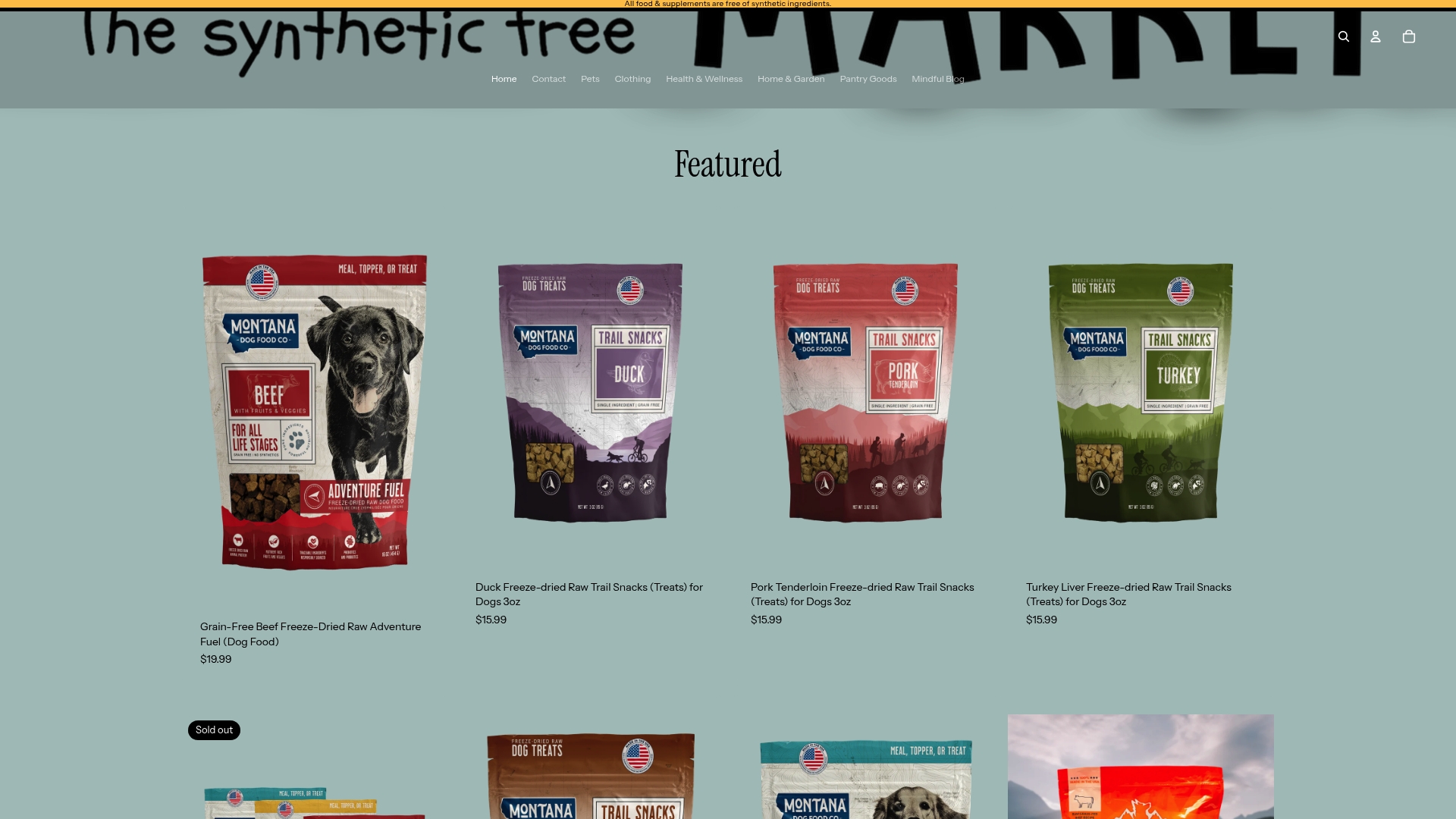
Mindfulbotany carries products selected for allergy-prone pets. The soft chew dog supplements are formulated to support immune and skin health without common allergens, making them compatible with active elimination protocols. For topical relief, the TropiClean OxyMed Oatmeal Treatment Shampoo soothes irritated skin with oatmeal-based ingredients. Both products are available at Mindfulbotany alongside a broader selection of pet wellness nutrition resources to support your pet’s full care plan.
FAQ
What does hypoallergenic pet food actually mean?
Hypoallergenic pet food refers to diets formulated to reduce allergic reactions by avoiding common allergens or using processed proteins. The term has no legal definition from AAFCO, so it functions as a marketing label rather than a clinical standard.
How long does a food allergy elimination trial take for dogs and cats?
Elimination diet trials require at least 8 weeks of strict exclusive feeding. Most dogs show improvement by 4–6 weeks, while cats typically respond by the 8-week mark when the protocol is followed correctly.
Can i use store-bought hypoallergenic food for a diagnostic trial?
Over-the-counter hypoallergenic foods are not recommended for diagnostic elimination trials. Only veterinary therapeutic diets with quality control testing, such as PCR or ELISA, can reliably exclude cross-contamination that would invalidate the trial.
What proteins are considered novel for dogs?
Novel proteins are those the pet has not previously eaten. Common options include rabbit, venison, kangaroo, and duck. The correct choice depends on your dog’s full dietary history, which a vet should review before the trial begins.
Is hydrolyzed protein food better than novel protein food?
Neither type is universally better. Hydrolyzed protein diets work well for pets with broad prior exposure histories, while novel protein diets are often the first choice when a truly unfamiliar protein is available. The best option depends on the individual pet’s history and the owner’s ability to maintain strict feeding protocols.
0 comments