


TL;DR:
- Most people only consider health when issues arise, but true health is a daily system involving diet, movement, sleep, and wellness choices. Integrating all four areas enhances benefits, while focusing on one leaves potential gains unrealized. A whole-food, consistent diet combined with regular exercise, good sleep, and cautious use of supplements forms the foundation for lasting health improvements.
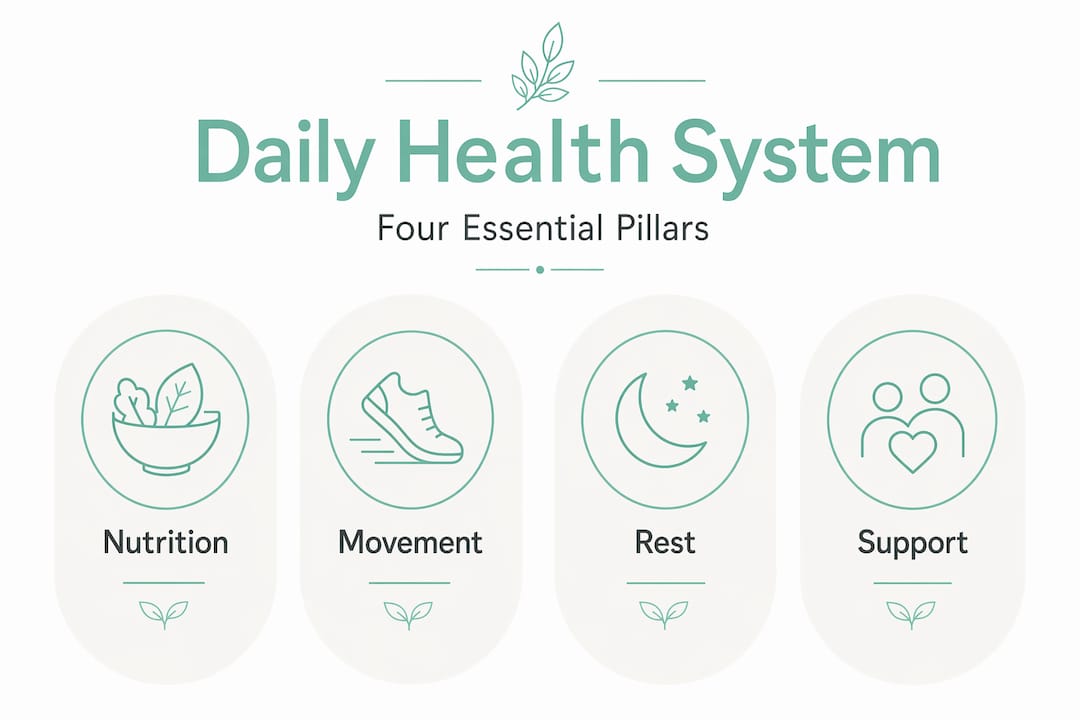
Most people think about health only when something goes wrong. A doctor’s visit, a sore knee, a sleepless week. But real health is not a reaction. It is a system you run every day across four interconnected areas: what you eat, how you move, how well you sleep, and how carefully you choose wellness products. Get all four working together and the results compound. Focus on just one and you are leaving most of the benefit on the table.
Table of Contents
- Key takeaways
- Nutrition: building your health from the plate up
- Movement, rest, and sleep: the 24-hour framework
- Natural remedies and supplements: what you need to know
- The obesity challenge: scale, risk, and what works
- My take on why one-track health plans fail
- Whole-health support from Mindfulbotany
- FAQ
Key takeaways
| Point | Details |
|---|---|
| Whole foods drive nutrition | Prioritize protein, fiber, vegetables, and healthy fats while cutting packaged, high-sodium foods. |
| Movement and sleep are linked | Meeting physical fitness goals requires quality sleep; treating them separately limits your progress. |
| Natural is not always safe | Check evidence and safety data before using supplements or herbal products. |
| Obesity is a global health crisis | Over 1 billion people live with obesity; structured, phased lifestyle changes produce lasting results. |
| Mental wellness connects everything | Sleep, stress, nutrition, and movement all feed into mental health outcomes, not just physical ones. |
Nutrition: building your health from the plate up
Food is the foundation of everything else in this guide. Not because eating perfectly eliminates all health risks, but because what you consume shapes your energy, your immune response, your digestion, and your long-term disease risk. The goal is not a perfect diet. It is a consistent one.
Healthy eating means consistently choosing whole, nutrient-dense foods while reducing highly processed foods, added sugars, added sodium, and refined carbohydrates. That means building most meals around vegetables, fruits, lean proteins, healthy fats like olive oil and nuts, and whole grains like oats, quinoa, and brown rice.
Here is where most people underestimate the sodium problem. More than 70% of sodium in the U.S. diet comes from packaged and prepared foods, not the salt shaker on your table. Frozen meals, canned soups, deli meats, and restaurant food quietly push sodium intake far past recommended levels. Reading nutrition labels is not optional; it is the most practical form of preventive healthcare strategies available to you today.
Fiber deserves special attention. Most Americans eat far less than the recommended 25 to 38 grams per day. Fiber supports digestion, extends the feeling of fullness after meals, helps regulate blood sugar, and lowers LDL cholesterol. You find it in lentils, black beans, broccoli, apples, flaxseed, and whole grain bread. Add one high-fiber food to each meal and you will feel the difference within days.
Practical nutrition advice for everyday eating:
- Read labels for added sugar and sodium before buying packaged foods
- Fill half your plate with non-starchy vegetables at lunch and dinner
- Choose whole grain versions of bread, pasta, and rice when possible
- Limit sugary drinks including juice, soda, and sweetened coffee
- Batch-cook proteins like chicken, eggs, or legumes to make weekday meals faster
Pro Tip: Meal planning one day per week is more effective than relying on willpower in the moment. Consistency in food choices is the largest practical lever for improving nutrition over time. Pick five meals, shop once, and repeat.
Movement, rest, and sleep: the 24-hour framework
Most fitness advice treats exercise as the only variable that matters. But integrating exercise, sedentary time, and sleep as a unified daily system is more effective than treating these components separately. Adding workouts while neglecting sleep or sitting for ten hours straight limits how much your body can actually recover and adapt.
Australia’s 24-hour movement guidelines frame health as an integration of physical activity, sedentary behavior, and sleep across every hour of the day. That framing is useful because it stops you from thinking “I went to the gym, so I am fine.” Going to the gym is one input. What you do the other 23 hours matters too.
Here is how the guidelines break down for different age groups:
| Group | Daily activity | Sleep target | Screen or sedentary limit |
|---|---|---|---|
| Adults (18 to 64) | 30+ min moderate to vigorous most days, strength training 2+ days/week | 7 to 9 hours with consistent bedtime | Break up long sitting periods regularly |
| Youth (5 to 17) | At least 60 minutes moderate to vigorous, muscle and bone strengthening included | 9 to 11 hours (ages 5 to 13) | Max 2 hours recreational screen time |
| Older adults (65+) | Moderate activity most days including balance exercises | 7 to 8 hours | Minimize prolonged sedentary periods |
Physical fitness goals are not just about weight or muscle. They include metabolic health, cardiovascular capacity, and the ability to move through daily life without pain or fatigue. Strength training twice a week is not optional for adults over 40. It preserves muscle mass, supports bone density, and protects against metabolic decline.
Sleep is where most people leak the most potential. Poor sleep impairs glucose regulation, increases hunger hormones, reduces cognitive performance, and weakens immune function. Consistent sleep and wake times, even on weekends, significantly improve sleep quality. Avoiding screens for 30 to 60 minutes before bed is not a wellness trend. It is supported by solid research on how blue light disrupts melatonin production.

Pro Tip: If you cannot add a gym session, start by simply standing up and walking for five minutes every hour during your workday. Breaking up sedentary time has measurable benefits for blood pressure and blood sugar independent of formal exercise.
Natural remedies and supplements: what you need to know
The natural remedy market is growing fast, and so is the risk of harm from products that skip the basic safety checks. Mental health and physical health are deeply connected, so it is understandable that people look for holistic supports beyond conventional medicine. But “natural” does not mean safe, and it does not mean effective.
The Arthritis Foundation notes that supplement claims often lack FDA approval and that practitioners recommend screening for contaminants and reviewing clinical evidence before use. Quality matters. Interactions with medications matter. The label “herbal” or “plant-based” guarantees nothing about purity, dosage accuracy, or safety.
A clear warning came in 2024 when mushroom-containing microdosing chocolate products caused severe illness and deaths. Products like Diamond Shruumz were linked to higher rates of hospitalization and seizures. The FDA issued alerts prohibiting certain ingredients in conventional food products. This is not an argument against plant-based wellness. It is an argument for caution, verification, and sourcing from reputable suppliers.
Before using any supplement or herbal product, run through this checklist:
- Look for third-party testing certifications (USP, NSF International, or ConsumerLab)
- Check for known drug interactions if you take prescription medications
- Consult a pharmacist or physician for any product you plan to use long-term
- Avoid products that make disease-treatment claims without clinical backing
- Know the Poison Help Line number (1-800-222-1222) if accidental exposure occurs
For guidance on plant-based and herbal products, the safe use of botanicals guide at Mindfulbotany covers both people and pets with evidence-grounded recommendations.
The obesity challenge: scale, risk, and what works
The global health picture on obesity is stark. Over 1 billion people worldwide live with obesity. That number has doubled among adults and quadrupled among youth since 1990. The WHO links obesity directly to increased risk of cardiovascular disease, type 2 diabetes, certain cancers, and mental health disorders.
What works at scale, and what can individuals learn from public health frameworks?
The WHO’s acceleration plan to stop obesity outlines a four-phase operational model: set goals, plan, execute with evidence, and scale up what is working. That same logic applies at the individual level. Vague intentions like “I want to get healthier” produce weak results. Structured goals, plans, and ongoing adjustment produce measurable progress. Decide what specifically you want to change, build a plan around it, track results, and adjust based on what the data tells you.
| WHO phase | Individual equivalent | Practical example |
|---|---|---|
| Goal setting | Define a specific health metric | Lose 10 lbs in 12 weeks |
| Planning | Create a weekly food and movement schedule | Sunday meal prep plus 3 gym days |
| Evidence execution | Apply research-backed strategies | Calorie tracking plus strength training |
| Scaling | Maintain what works, drop what does not | Keep meal prep, drop unsustainable 6-day workouts |
Individual lifestyle change does not happen in isolation. Environments, food access, and social factors all shape behavior. Recognizing that is not an excuse. It is a starting point for designing better systems around you.
My take on why one-track health plans fail
I have spent years watching people commit hard to one aspect of their health while completely ignoring the others. Someone runs five days a week but sleeps five hours a night and wonders why their performance is plateauing. Someone else cuts out gluten, buys forty supplements, and does not touch a vegetable. The effort is real. The strategy is fragmented.
What I have learned from observing patterns in wellness adoption is that the people who see lasting improvement are rarely the ones doing the most extreme thing. They are the ones doing the most consistent thing. A reasonable diet they can sustain. Exercise they actually enjoy. Sleep they protect like a priority, not an afterthought.
I have also seen real harm from supplement misuse. Readers who trust a product because it is “mushroom-based” or “adaptogenic” without checking what is actually in it or at what dose. The CDC warnings about microdosing chocolate products are not an edge case. They reflect a pattern of marketing outpacing safety.
My view is this: mental wellness and physical health cannot be separated, and neither can daily habits. You do not get to outsource your health to a supplement and ignore your sleep. You do not get to run ten miles a week and eat processed food for three meals a day and call it balanced. The science, and the people who actually feel good long-term, support a whole-system approach. Start there, and add natural supports carefully on top.
— Ashley
Whole-health support from Mindfulbotany
If you are building a more consistent health routine, the right foundational products make it easier to stay on track. Mindfulbotany carries the Couples’ Wellness Pack, a hydrating multivitamin formulated for both her and him, designed to cover nutritional gaps without unnecessary fillers. It aligns with the whole-food, low-additive approach covered throughout this article.

Mindfulbotany is a health and wellness marketplace for people and pets, with a catalog focused on clean-label, quality-verified products. Whether you are looking for daily nutritional support or exploring natural supplements, the store is organized for easy comparison and transparent ingredient information. Browse the full wellness range at Mindfulbotany to find products that fit your specific goals.
FAQ
What does “health” really mean beyond not being sick?
Health includes physical fitness, mental wellness, quality sleep, and consistent nutrition. The WHO defines it as a state of complete physical, mental, and social well-being, not merely the absence of disease.
How many hours of sleep do adults actually need?
Adults need 7 to 9 hours of sleep per night according to movement and rest guidelines. Consistency in bedtime and wake time matters as much as total duration.
Are natural supplements safe to take without a doctor’s approval?
Not automatically. Natural does not guarantee safety or effectiveness. Supplements can interact with medications, contain contaminants, and lack standardized dosing. Always screen for quality certifications and consult a healthcare provider for long-term use.
How can I improve my health without overhauling my entire lifestyle?
Start with the highest-leverage habits: add one serving of vegetables per meal, walk for 30 minutes most days, and set a consistent bedtime. Small, repeated changes compound significantly over months.
What is the link between mental wellness and physical health?
Sleep, stress, movement, and nutrition all affect mental health directly. Treating mental wellness as separate from physical health misses most of the picture. A whole-person approach addresses both simultaneously.
0 comments