


TL;DR:
- Use an ingredient-first checklist to choose high-quality, minimally processed dog food.
- Prioritize naturally recognizable ingredients, named proteins, and avoid artificial preservatives and fillers.
- Fresh and gently cooked foods offer better nutrient retention and fewer health risks than heavily processed kibble.
Walking the pet food aisle or scrolling through online options feels overwhelming when nearly every bag claims to be “natural,” “premium,” or “wholesome.” The reality is that many of those labels are unregulated marketing terms with no legal weight behind them. Ingredients and processing methods have a direct impact on your dog’s long-term health, digestion, and immune function. This guide gives you a practical, ingredient-first checklist so you can cut through the noise and make confident, health-focused choices every time you shop.
Table of Contents
- How to use a dog food shopping checklist
- Checklist essentials: What to look for (and avoid)
- Comparing dog food options: Fresh, kibble, raw, or canned?
- Special situations: Shopping tips for unique dietary needs
- Beyond the label: The real secret to healthy dog food shopping
- Take your pet’s wellness further with natural supplements
- Frequently asked questions
Key Takeaways
| Point | Details |
|---|---|
| Read ingredients first | Whole, recognizable ingredients without artificial additives signal healthier, quality options. |
| Prioritize fresh formats | Fresh or gently cooked dog foods may offer better nutrition and fewer contaminants than processed kibble. |
| Look for AAFCO compliance | Ensuring foods meet AAFCO standards helps guarantee balanced nutrition for your dog. |
| Customize for unique needs | Adapt your checklist for allergies, sensitivities, and life stage to find the most appropriate food. |
How to use a dog food shopping checklist
A checklist is not just a convenience tool. It is a filter. The pet food market is crowded with thousands of SKUs, and brands spend significant budgets on front-of-package claims designed to catch your eye before you flip to the ingredient panel. Without a structured approach, it is easy to grab a bag based on a photo of a golden retriever running through a field rather than what is actually in the food.
A good checklist keeps your priorities in order: ingredient quality first, nutritional completeness second, processing method third, and price last. This sequence matters because a less expensive food that meets all three quality criteria is a better buy than a premium-priced product that fails on ingredient integrity.
When choosing the best dog food, you want to evaluate every option against the same fixed criteria rather than letting packaging guide your decision. A checklist also makes comparison shopping faster, whether you are standing in a store aisle or browsing multiple tabs online.
Here is what a practical, health-focused dog food checklist covers:
- Ingredient transparency: Are ingredients whole and recognizable, or vague and chemical-sounding?
- Protein placement: Is a named animal protein (chicken, salmon, beef) listed first?
- AAFCO compliance: Does the label include a statement of nutritional adequacy?
- Preservation method: Are preservatives natural (mixed tocopherols, rosemary extract) or synthetic (BHA, BHT, ethoxyquin)?
- Filler check: Are grains or starches present as bulk fillers, or is the formula genuinely meat-forward?
- Processing level: Is this fresh, freeze-dried, raw, gently cooked, or heavily extruded kibble?
- Sourcing transparency: Does the brand disclose where protein and produce are sourced?
Research shows that nutrient retention varies by format, with fresh and gently cooked foods performing better on certain microbiome health markers compared to highly processed kibble. Reviewing your dog food types guide before shopping helps you understand which format aligns with your dog’s specific needs.
Pro Tip: Save your checklist as a note on your phone so it is always with you, whether you are shopping in-store or comparing products on a brand’s website at midnight.
Checklist essentials: What to look for (and avoid)
Armed with your checklist structure, the next step is knowing exactly what signals to look for and which red flags to walk away from. This is where label literacy becomes your most important skill.
What to look for:
- Named animal protein in the first position. “Chicken,” “beef,” or “wild-caught salmon” should appear before any grain, starch, or vegetable. Generic terms like “meat” or “poultry” are not acceptable substitutes.
- AAFCO nutritional adequacy statement. This confirms the food meets minimum standards for either maintenance or all life stages. Look for the phrase “formulated to meet AAFCO nutrient profiles” or “feeding trials.”
- Whole food ingredients. Ingredients like sweet potato, blueberries, spinach, and pumpkin indicate a food made with real produce rather than synthetic nutrient sprays applied after processing.
- Natural preservatives only. Mixed tocopherols (a form of vitamin E), ascorbic acid, and rosemary extract are acceptable. BHA, BHT, and ethoxyquin are synthetic preservatives associated with health concerns.
- Short, readable ingredient list. A shorter list with recognizable items generally signals a less processed, cleaner formula.
- Clearly sourced proteins. Brands that specify “cage-free chicken” or “grass-fed beef” are being more transparent than those using generic animal protein descriptors.
What to avoid:
- Artificial colors (Red 40, Yellow 5, caramel coloring)
- Artificial flavors listed generically
- Corn syrup or sugar as an ingredient
- “Meat by-products” without species identification
- Fillers like corn, wheat, and soy listed high in the ingredient panel
Research from the Clean Label Project found higher heavy metals in dry kibble compared to fresh and gently cooked alternatives, and microbiome studies suggest fresh diets may reduce GI and skin issues. Most formulas still meet AAFCO minimums, but meeting minimums is a floor, not a ceiling.
Understanding the fresh dog food guide helps clarify what “gently cooked” and “minimally processed” actually mean in practice. You should also review essential nutrients for dogs to understand which vitamins and minerals are critical and whether they appear naturally in a formula or as synthetic additions. If you want to explore whole-food sources of those nutrients, a guide to natural dog nutrition sources breaks down which real ingredients deliver the most nutritional value.

Pro Tip: If you see more than three or four chemical-sounding additive names in the ingredient list, that is a strong signal the food is relying on synthetic supplementation rather than whole-food nutrition.
Comparing dog food options: Fresh, kibble, raw, or canned?
Now that you know what to look for, it helps to compare the main dog food formats side by side. Each has tradeoffs in ingredient quality, digestibility, convenience, cost, and contamination risk.
| Format | Ingredient quality | Digestibility | Preservation method | Cost | Contamination risk |
|---|---|---|---|---|---|
| Fresh/Gently cooked | High | High | Refrigeration/freezing | High | Low |
| Dry kibble | Variable | Lower | Synthetic or natural preservatives | Low | Moderate to high |
| Raw (freeze-dried or frozen) | High | High | Freeze-drying or freezing | High | Moderate (pathogen risk if handled poorly) |
| Canned/Wet | Moderate to high | Moderate to high | Heat sterilization | Moderate | Low |
Fresh and gently cooked formats consistently perform well on nutrient retention and digestibility. The natural pet food benefits of these formats include better bioavailability of proteins and fats, reduced exposure to synthetic additives, and potential improvements in stool quality and coat condition.
Key observations from this comparison:
- Dry kibble is convenient and cost-effective, but heavy metals in dry kibble were found at higher levels compared to fresh alternatives in Consumer Reports testing. This does not make all kibble dangerous, but it is a factor worth considering for long-term feeding.
- Raw formats (freeze-dried or frozen) preserve enzymes and nutrients well but carry a moderate pathogen risk if not handled and stored correctly. Proper thawing and sanitation practices are essential.
- Canned food is often underrated. It contains higher moisture content, which supports kidney and urinary health, and typically uses fewer synthetic preservatives than kibble.
- Fresh and gently cooked options are the closest to home-cooked meals, with whole proteins and produce visible in the formula.
If you are transitioning to a whole-food approach, the real food feeding guide provides step-by-step instructions for making the switch without upsetting your dog’s digestion. For those interested in preparing food at home, a guide on how to prepare fresh food for pets covers safety, balance, and portioning in practical terms.
Bottom line on format: If health and minimal synthetic exposure are the priority, fresh or gently cooked food is the strongest choice when budget allows. High-quality canned food is a solid second option. Raw is effective when handled correctly. Kibble remains acceptable if you select a formula with a named protein first, natural preservatives, and no artificial additives.
Special situations: Shopping tips for unique dietary needs
Most general shopping checklists cover average, healthy adult dogs. But many dogs have specific needs that require a more targeted approach. Puppies, seniors, dogs with food allergies, and those with sensitive stomachs all need somewhat different criteria applied to the same checklist framework.
Dogs with food allergies or sensitivities:
- Prioritize limited-ingredient diets (LID) with a single named protein source and minimal added ingredients
- Avoid formulas that list multiple protein sources, as cross-contamination during manufacturing is common
- Novel proteins like venison, rabbit, duck, or kangaroo are often better tolerated by dogs with chicken or beef sensitivities
- Grain-free is not automatically hypoallergenic. The protein is usually the allergen, not the grain
Dogs with sensitive stomachs:
- Look for added probiotics or prebiotics in the ingredient list
- Easily digestible proteins like turkey or white fish are often gentler on the GI tract
- Microbiome studies suggest fresh diets may reduce GI and skin issues, making fresh or gently cooked food a strong option for dogs with chronic digestive complaints
- Avoid high-fat formulas during flare-ups, as fat is harder to digest
Senior dogs:
- Look for formulas with added joint-support ingredients like glucosamine and chondroitin
- Protein should remain high since older dogs need adequate protein to preserve muscle mass
- Lower calorie density helps prevent weight gain in less active seniors
- Omega-3 fatty acids (from fish oil or flaxseed) support cognitive and joint health
Puppies:
- Choose formulas labeled “for growth” or “all life stages” per AAFCO guidelines
- DHA from fish oil supports brain and eye development
- Calcium and phosphorus ratios matter significantly for large-breed puppies to prevent developmental bone issues
- Avoid adult-only formulas for puppies, as they may not meet the higher nutrient demands of growth
Supplementing your dog’s diet with targeted support is also worth considering. A guide to dog superfoods covers which whole-food additions deliver meaningful health benefits. When buying treats alongside food, consult the safe dog treats guide to ensure treat ingredients align with your food standards.
Pro Tip: Keep a simple food diary when introducing a new formula. Note stool consistency, skin condition, energy level, and coat quality over the first 30 days. Patterns in this log make it much easier to identify whether a food is working or causing problems.
Beyond the label: The real secret to healthy dog food shopping
Here is a perspective that most pet food articles skip: no label claim will ever do the work of reading the ingredient list yourself. “Natural,” “holistic,” “human-grade,” and “grain-free” are all marketing terms. Some are loosely defined by industry associations. None are federally regulated in a way that guarantees quality.
The grain-free trend is a useful example. Grain-free formulas were widely marketed as healthier, and pet owners responded by buying them in large numbers. The FDA then opened an investigation into a potential link between grain-free diets and dilated cardiomyopathy (DCM) in dogs. The science is still evolving, but the episode illustrates what happens when marketing outpaces evidence.
“Grain-free” is not inherently good or bad. What matters is what replaces the grain. If legumes like peas and lentils make up a large percentage of the formula, that is a different nutritional profile than one using sweet potato or brown rice. The ingredient list tells you what is actually in the food. The front of the bag tells you what the brand wants you to feel about it.
The most effective approach is ingredient-first shopping, every time. Read the back of the bag before the front. Check the fresh food guide to understand what minimally processed formats actually look like. Even a well-marketed kibble with a nature photo and claims of “balanced nutrition” may rely heavily on synthetic vitamin and mineral packs to meet AAFCO standards because the base ingredients are so heavily processed that natural nutrients are largely destroyed.
Owner diligence is the variable that actually separates good feeding decisions from poor ones. Checklists, ingredient knowledge, and a skeptical eye toward front-of-package claims are your real tools.
Take your pet’s wellness further with natural supplements
Food quality is the foundation of your dog’s health, but targeted supplementation can address specific gaps that even the best diet may leave. Digestive enzymes, omega-3 fatty acids, joint support compounds, and immune-boosting antioxidants are all examples of support that food alone does not always cover in therapeutic amounts.
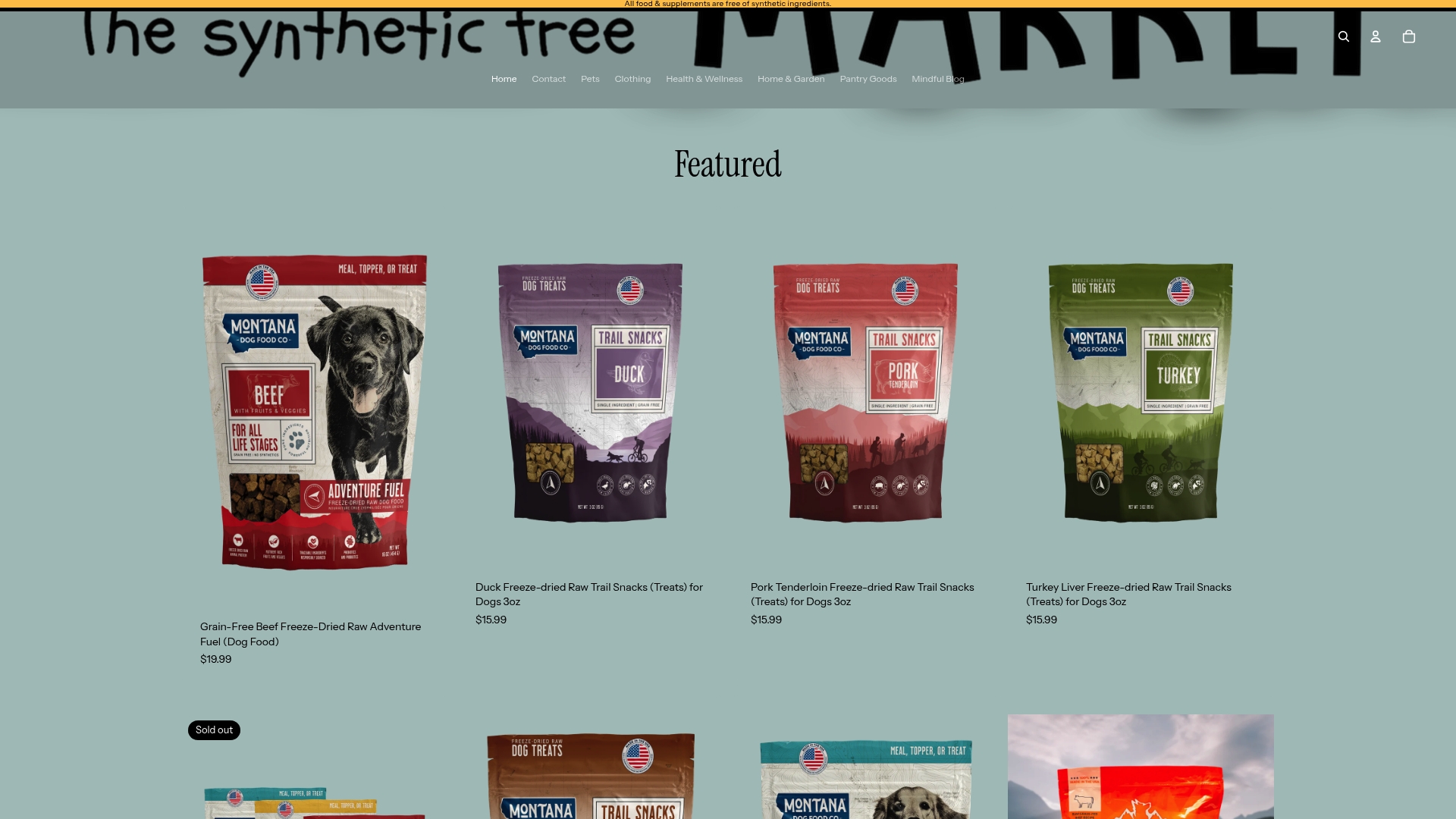
At Mindful Botany Market, a curated selection of wellness products for pets is available alongside the food options and educational resources you need for informed decisions. For dogs that need targeted digestive or immune support, natural dog supplements in soft-chew format offer a convenient way to fill nutritional gaps without adding complexity to your feeding routine. Combining a clean, whole-food diet with the right supplemental support gives you a complete, practical approach to long-term canine wellness.
Frequently asked questions
What is the healthiest type of dog food?
Fresh or gently cooked dog food is often the healthiest option due to better nutrient retention and fewer contaminants compared to dry kibble, provided it meets AAFCO nutritional adequacy standards.
How can I tell if a dog food is truly “natural”?
“Natural” is not a regulated term in pet food, so check that ingredients are whole and recognizable, and confirm there are no artificial additives or synthetic preservatives listed in the ingredient panel.
What are the top red flags on a dog food label?
Red flags include generic “meat by-products” without species identification, artificial preservatives like BHA or BHT, and fillers such as corn, wheat, or soy listed near the top of the ingredient list.
Should I avoid all dry kibble for my dog’s health?
Not necessarily, but be aware that dry kibble may contain more heavy metals and fewer digestive benefits compared to fresh alternatives, making formula selection within the kibble category especially important.
Recommended
- Healthy dog food: how to choose the best for your pet – Mindful Botany Market
- What is fresh dog food? A complete guide to healthier choices – Mindful Botany Market
- Guide to the healthiest dog food types for canine wellness – Mindful Botany Market
- Healthy dog treats: Natural, safe, and vet-approved options – Mindful Botany Market