


TL;DR:
- Choosing natural wellness options for pets requires a foundation of veterinary care and sound nutrition to ensure safety and effectiveness. Evidence-based practices like vaccination, parasite control, and balanced diets should underpin any natural supplement or remedy used, working in partnership with your veterinarian. Prioritizing complete nutrition and lifestyle measures over unproven trends yields the most sustainable health benefits for dogs and cats.
Choosing natural wellness options for your dog or cat has never been more complicated. The market is packed with supplements, raw diets, herbal remedies, and functional treats, each promising remarkable results. But WSAVA’s wellness principles make one thing clear: integrative natural wellness must still be anchored in veterinary care and sound nutrition. This guide cuts through the noise with 10 evidence-based, practical tips, showing you how to use natural methods wisely, safely, and in full partnership with your vet.
Table of Contents
- Set the foundation: Veterinary care and core wellness essentials
- Prioritize complete, balanced nutrition for natural health
- Support natural comfort: Pain management, enrichment, and safe non-drug therapies
- Boost hydration: Simple feeding and drinking strategies for wellbeing
- Natural wellness options at a glance: Comparison summary
- Why evidence, not trends, leads to truly natural wellness
- Products to support your natural pet wellness goals
- Frequently asked questions
Key Takeaways
| Point | Details |
|---|---|
| Start with core care | True natural wellness begins with vaccinations, parasite control, and complete, balanced nutrition. |
| Vet-guided is best | Always involve your veterinarian before trying supplements or making big diet changes. |
| Evidence beats trends | Prioritize interventions with real animal-clinical proof over marketing claims. |
| Hydration matters | Hydration-friendly feeding strategies can boost urinary health and overall wellness. |
| Personalize routines | Adapt natural wellness tips to fit your pet’s age, health, and lifestyle for safer, better results. |
Set the foundation: Veterinary care and core wellness essentials
Before adding any natural product or remedy to your pet’s routine, the basics need to be solid. Core veterinary care is not optional, and it is not something natural alternatives can replace. Skipping foundational care in favor of unproven remedies is one of the most common mistakes pet owners make, often with serious consequences.
WSAVA’s principles of wellness discourage unproven alternatives to core preventive care and emphasize complete, balanced diets appropriate to the pet’s life stage. That’s the baseline. Everything natural you add should build on top of it, not replace it.
The three pillars every pet needs:
- Vaccination: Keeps your pet protected from serious, preventable disease. No herbal product offers comparable protection.
- Parasite control: Fleas, ticks, heartworm, and intestinal parasites cause real harm. Evidence-based parasite control is non-negotiable.
- Complete, balanced nutrition: Feeding a diet that meets your pet’s life stage requirements is the single most impactful daily health decision you make.
True wellness means preventing problems before they start. Vaccination, parasite control, and balanced nutrition are not “conventional medicine.” They are the foundation of any responsible natural wellness routine.
Self-directed supplement use is risky territory. Without a vet review, it is easy to over-supplement certain nutrients, create imbalances, or mask symptoms that need proper diagnosis. Work with your vet to personalize any additions to your pet’s wellness program. Explore our natural meals guide for a starting point, and review essential nutrients for dogs to understand what your dog actually needs day to day.
Pro Tip: Before your next vet visit, write down every supplement or natural product your pet currently receives. Your vet needs the full picture to give you the safest guidance.
Prioritize complete, balanced nutrition for natural health
Diet is the most powerful natural wellness tool available. What your pet eats every single day either supports or undermines nearly every body system, from immune function and coat quality to joint health and gut bacteria. The good news is that evidence-based dietary choices are also some of the most accessible.
Here is a step-by-step approach to evaluating and improving your pet’s nutrition:
- Check for AAFCO or WSAVA compliance: Look for foods that meet AAFCO nutritional profiles or are formulated in line with WSAVA guidelines. This ensures the diet is complete and balanced for your pet’s life stage.
- Review the ingredient list: Whole proteins (chicken, beef, salmon) should appear at the top. Avoid foods with excessive fillers, artificial preservatives, or unspecified “meat by-products.”
- Consider life stage and lifestyle: A senior, sedentary dog has very different caloric and nutrient needs than an active young adult. Puppies and kittens require specific nutrient ratios for development.
- Rotate proteins thoughtfully: Rotating protein sources under vet guidance can reduce the risk of food sensitivities and broaden nutrient variety.
- Evaluate enrichment options: Freeze-dried toppers, raw food additions, or functional ingredients like pumpkin and blueberries can add nutritional variety without disrupting balance.
Tailored nutrition can also play a measurable role in managing specific conditions. A randomized placebo-controlled trial found that tailored nutrition as an adjunct may improve feline atopic skin syndrome while reducing medication dependency. This is a meaningful finding. It does not mean diet alone cures allergies, but it does confirm that the right food at the right time has clinical value.
| Nutritional intervention | Condition targeted | Observed outcome |
|---|---|---|
| Tailored elimination diet | Food allergies/skin conditions | Reduced symptoms, lower medication use |
| Omega-3 fatty acid supplementation | Joint inflammation, skin health | Moderate improvement in mobility and coat |
| High-fiber diet | Weight management, digestion | Improved satiety, more consistent stools |
| Hydrolyzed protein diet | Inflammatory bowel disease | Reduced GI inflammation in some cases |
| Life-stage specific formula | Puppies/kittens/seniors | Supports appropriate development and aging |
When supplements are genuinely worthwhile, they are usually addressing a specific, confirmed deficiency or condition. Omega-3s for skin and joint support, probiotics for gut health after antibiotic use, and joint supplements for diagnosed arthritis are among the better-supported options. General “immune booster” supplements with vague claims deserve more skepticism.
Pro Tip: If your dog or cat has a chronic condition, ask your vet about running a structured diet trial alongside their current treatment plan. A 6 to 8 week trial with a novel or hydrolyzed protein can reveal a lot. See our guides on personalized dog diets, natural food benefits, and natural sources for dog nutrition for practical next steps.
Support natural comfort: Pain management, enrichment, and safe non-drug therapies
Pain in pets is underdiagnosed and undermanaged. Arthritis affects a significant portion of senior dogs and cats, yet many owners only notice signs like reluctance to jump, slower movement, or behavior changes when the condition is already well advanced. Natural approaches to pain comfort do exist, but they need to be the right fit for the right pet.
Evidence-based non-drug therapies worth discussing with your vet include:
- Physical therapy and controlled exercise: Structured movement maintains muscle mass, joint flexibility, and body weight. Underwater treadmill therapy is particularly useful for dogs recovering from orthopedic issues.
- Acupuncture: Growing evidence supports acupuncture for chronic pain management in dogs. Results vary, and it works best as part of a broader management plan.
- Targeted massage: Gentle massage can reduce muscle tension and improve circulation around painful joints. Your vet or a certified veterinary rehabilitation therapist can show you the right technique.
- Environmental adjustments: Orthopedic bedding, ramps instead of stairs, and non-slip flooring reduce daily strain on arthritic or post-surgical pets.
- Weight management: Excess body weight amplifies joint pain significantly. Even modest weight reduction produces measurable improvements in mobility.
According to the Merck Veterinary Manual, non-drug therapies for pain in dogs and cats, including physical therapy, acupuncture, and massage, are cause-specific. Nutraceutical supplements are not uniformly proven, and the right option depends entirely on the pain cause and the individual pet.
| Non-drug therapy | Best fit | Key benefit | Limitation |
|---|---|---|---|
| Physical therapy | Post-surgery, arthritis | Muscle preservation, mobility | Requires certified therapist |
| Acupuncture | Chronic pain, nerve conditions | Non-invasive, low side effects | Variable evidence by condition |
| Massage | Muscle tension, mild discomfort | Low cost, owner can learn | Not suitable for acute injury |
| Orthopedic bedding | Senior or arthritic pets | Daily joint pressure relief | Benefit depends on severity |
| Weight management | Overweight pets with joint pain | Reduces load on all joints | Requires dietary discipline |
The risks of overdoing exercise or using unvetted supplements are real. Too much high-impact activity in a pet with joint disease can accelerate cartilage breakdown. Supplements marketed for pain without clear formulations or veterinary endorsement may interact with medications or provide no measurable benefit. Learn how to safely add support products in our guide on supplements with dog food, and check out superfoods for dogs for ingredient-based approaches.
Pro Tip: Not all glucosamine products are created equal. Product quality, dosage accuracy, and formulation matter. Ask your vet to recommend a specific brand rather than picking one off the shelf independently.
Boost hydration: Simple feeding and drinking strategies for wellbeing
Hydration is a quiet wellness pillar that most pet owners underestimate. Dogs and cats on dry kibble diets often consume far less water than their bodies need, which has downstream effects on kidney function, urinary tract health, and digestive efficiency.
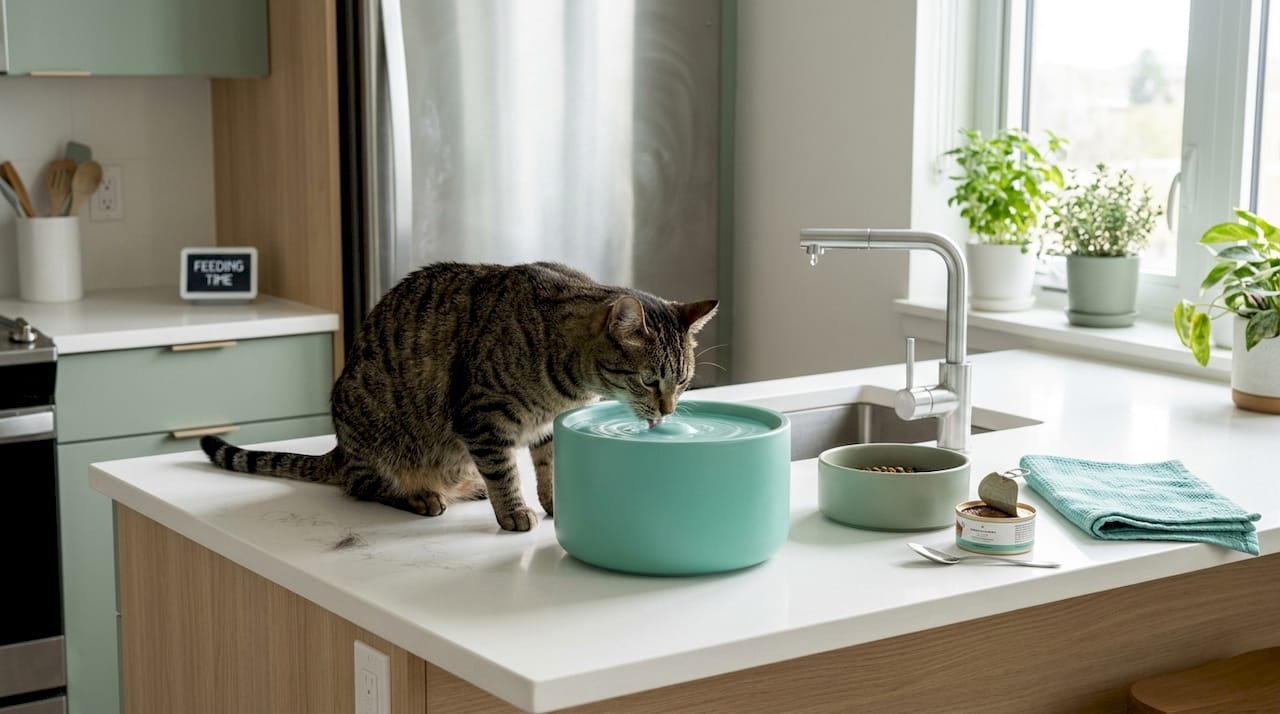
A study examining fresh food diets in dogs reported increased water intake meeting calculated daily requirements and a measurable effect on urine relative supersaturation relevant to crystal risk. In plain terms, what your pet eats directly affects hydration status and urinary health.
Practical strategies to boost daily hydration:
- Add wet food to meals: Even replacing 25 to 50 percent of kibble with wet or fresh food significantly increases daily water intake.
- Use unsalted broths as toppers: Low-sodium chicken or beef broth added to kibble encourages more fluid consumption. Never use store-bought broth with onion, garlic, or high sodium content.
- Invest in a water fountain: Many cats and some dogs drink more when water is moving. Circulating water also stays fresher longer.
- Distribute water bowls: Multiple water stations around the home remove the “effort barrier” for pets, especially seniors with mobility limits.
- Monitor urine output and color: Light yellow urine is a general sign of good hydration. Dark or infrequent urination signals a need for dietary review.
Foods and practices to avoid: salt-based treat rewards, high-sodium commercial broths, and letting water bowls go stale. For cats especially, fresh water and food moisture content are critical to kidney health over the long term. Find practical preparation ideas in our guide on fresh food for pets.
Natural wellness options at a glance: Comparison summary
Here is a side-by-side overview to help you match the right natural wellness strategy to your pet’s actual situation.
| Wellness tip | Main benefit | Possible risk | Best fit |
|---|---|---|---|
| Core vet care (vaccines, parasite control) | Disease prevention | None when properly done | All pets, all life stages |
| Complete, balanced diet | Full-body health support | Imbalance if self-formulated | All pets |
| Tailored diet trials | Symptom management | Nutritional gaps if unsupervised | Pets with allergies or chronic conditions |
| Omega-3 supplementation | Skin, coat, joint support | Excess can affect clotting | Dogs and cats with inflammatory conditions |
| Physical therapy | Mobility, muscle health | Overexertion risk | Post-surgery, arthritic seniors |
| Acupuncture | Chronic pain, nerve conditions | Cost, variable results | Dogs with chronic pain |
| Environmental enrichment | Stress and pain reduction | Minimal | All pets, especially seniors |
| Wet food and broth additions | Hydration, urinary health | Caloric increase if not adjusted | Dry-food-fed pets, cats |
| Water fountains | Increased water intake | Maintenance required | Cats and low-water-intake dogs |
| Weight management | Joint pain, metabolic health | Requires long-term commitment | Overweight pets |
Quick guidelines for personalizing these tips:
- Senior pets: Prioritize joint comfort, hydration, and life-stage nutrition.
- Active adult dogs: Focus on complete nutrition, weight management, and recovery support.
- Cats with urinary history: Make hydration and wet food a non-negotiable daily practice.
- Pets with skin or allergy issues: Work with your vet on WSAVA-aligned diet trials before adding supplements.
Why evidence, not trends, leads to truly natural wellness
The most persistent problem in pet natural wellness is not a shortage of options. It is the flood of marketing that makes every trend sound like a breakthrough. Owners who genuinely love their pets are targeted with claims that bypass veterinary science entirely, promising cures from essential oils, crystals, or unregulated herbal compounds.
Here is the uncomfortable reality: some of those products cause harm. Others simply cost money while doing nothing measurable. The Merck Veterinary Manual is direct about this: many popular holistic pain treatments have not been scientifically tested for pets, and some may be harmful. Natural does not mean safe. Arsenic is natural. So is xylitol in birch trees, which is highly toxic to dogs.
What actually delivers results is far less exciting to market but far more effective. Consistent, complete nutrition. Controlled weight. Evidence-backed pain management. Regular veterinary check-ins that catch problems early. Hydration strategies suited to your pet’s diet type. These are not glamorous. They do not fill a social media post. But they work.
The real natural advantage is not found in the newest supplement on the market. It is built through lifestyle, environment, and vet-validated nutrition. The pet owners who see the best long-term outcomes are the ones who get excited about the fundamentals, not the ones chasing trends. Use natural products to support a strong foundation, not as a shortcut around it.
Products to support your natural pet wellness goals
Building a natural wellness routine is simpler when you have the right products behind it.
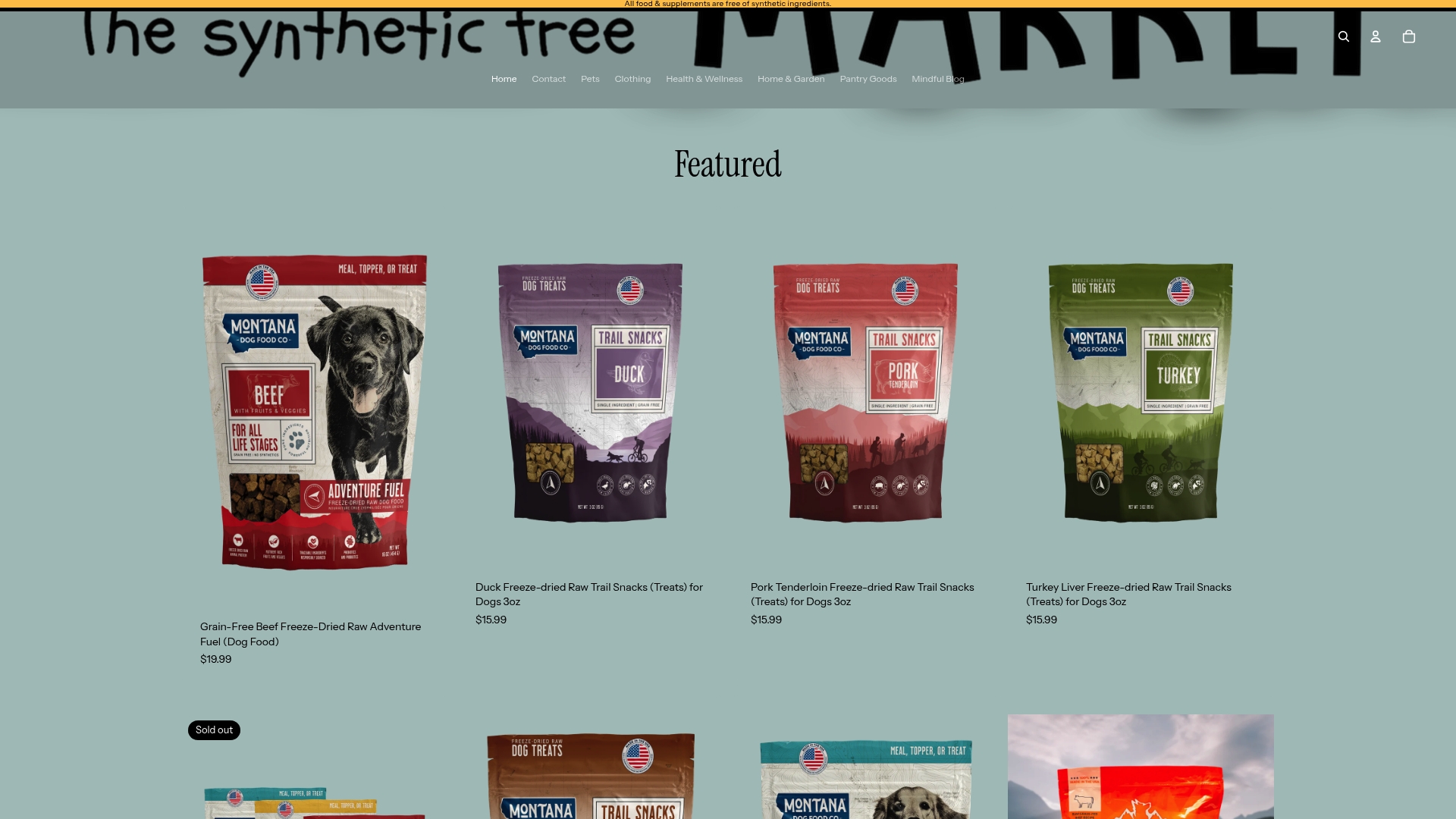
At Mindful Botany Market, you will find products selected to complement the evidence-based strategies covered in this guide. For daily supplementation, soft chew dog supplements offer a straightforward, palatable way to support joint health, skin quality, and immune function without guesswork on dosing. For routine hygiene that supports skin and coat wellness, deep cleaning pet wipes from TropiClean provide gentle, effective cleaning between baths. Browse the full collection for treats, grooming products, and functional nutrition options that align with responsible, vet-guided care.
Frequently asked questions
Are there any risks with natural remedies for pets?
Yes. As WSAVA’s wellness principles confirm, supplements and human-food-like remedies are not automatically safe or effective, and many should be reviewed by a vet before use.
How can I safely add hydration to my cat or dog’s diet?
Use wet foods, unsalted broths, and water fountains as practical daily strategies. Hydration-focused feeding has shown measurable effects on urinary health in dogs, and your vet can help you calibrate the right approach.
Do natural diets cure allergies and chronic illness?
They may reduce symptoms in specific conditions. A randomized diet trial found tailored nutrition improved feline atopic skin syndrome and reduced medication dependency, but dietary changes should complement vet-prescribed treatment, not replace it.
What is the safest way to try a new supplement for my pet?
Only introduce supplements after your veterinarian has reviewed your pet’s full health history and current medications. WSAVA’s principles specifically caution against unsupervised supplement use, noting that some popular holistic remedies may cause harm.
Recommended
- Pet wellness nutrition guide: safer, natural meals – Mindful Botany Market
- Natural pet food benefits for your dog’s health – Mindful Botany Market
- Essential nutrients for dogs: optimize health with natural foods – Mindful Botany Market
- Healthy dog treats: Natural, safe, and vet-approved options – Mindful Botany Market
0 comments