


TL;DR:
- Raw pet diets resemble ancestral foods but involve nutritional, safety, and practical challenges.
- Owners report benefits like better coat, digestion, and leaner body but scientific evidence is limited.
- Significant risks include bacterial contamination and nutritional imbalances, leading experts to advise caution.
Many pet owners believe that feeding animals like their wild ancestors automatically means better health. The idea is appealing: skip the processed kibble, go back to basics, and watch your pet thrive. But raw food for pets is not a simple fix. It comes with real nutritional complexity, documented safety risks, and practical challenges that most guides gloss over. This article covers what raw diets actually are, what the evidence says about their benefits, where the dangers lie, and how to make genuinely informed choices for your specific pet.
Table of Contents
- What is raw food for pets?
- How raw pet food is formulated and fed
- Potential benefits of raw food diets for pets
- Risks, safety concerns, and expert warnings
- Safer alternatives and best practices
- What most guides miss about raw feeding for pets
- Explore holistic wellness options for your pet
- Frequently asked questions
Key Takeaways
| Point | Details |
|---|---|
| Raw food basics | Raw pet food diets include muscle meat, organs, bones, and sometimes produce, but carry safety risks. |
| Benefits and limitations | Some pets may show improvements like better coat or digestion, yet studies do not confirm clear health perks over cooked diets. |
| Safety matters | Risks from bacteria and nutritional imbalances make expert guidance and safer alternatives important for most owners. |
| Safer choices available | Gently cooked and commercial freeze-dried foods offer many benefits with fewer health hazards. |
What is raw food for pets?
Raw food diets for pets go by several names. The most common terms are RMBD (raw meat-based diet), BARF (biologically appropriate raw food), and PMR (prey model raw). Each has a different philosophy, but all share one core idea: feed pets uncooked, minimally processed ingredients that resemble what their ancestors would have eaten.
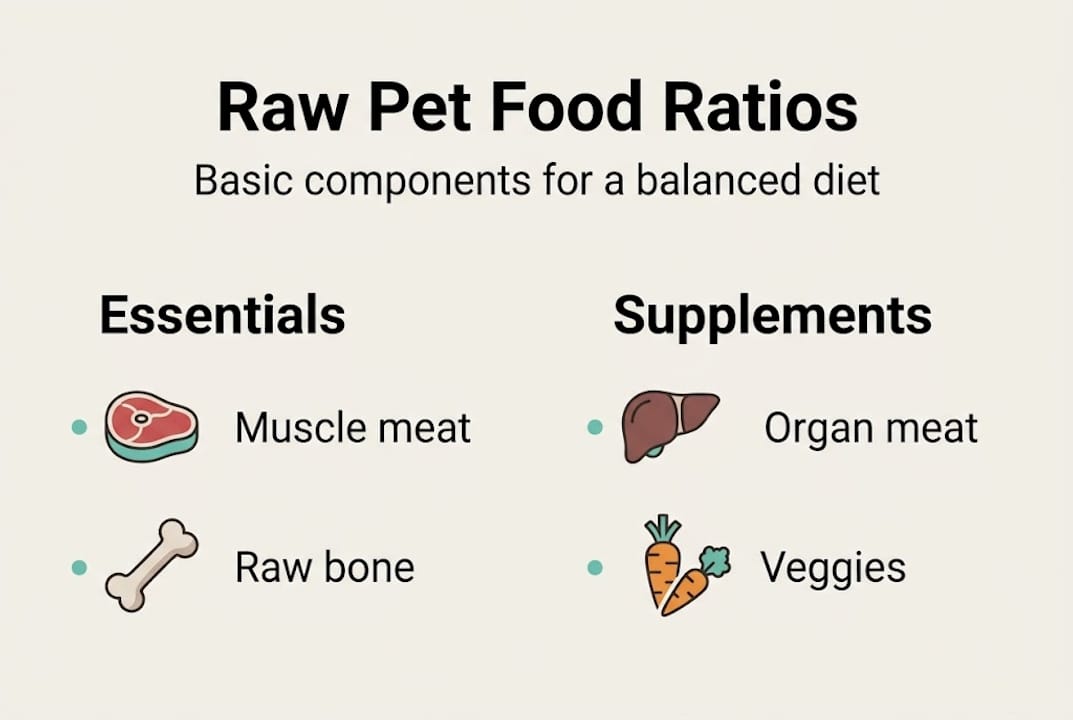
Raw diets can include muscle meat, organs, bones, sometimes fruits, vegetables, or supplements, in uncooked forms. The BARF model adds plant matter to the mix, while PMR focuses almost entirely on animal-based ingredients.
Common raw diet formats include:
- Homemade raw: owner-prepared meals using fresh ingredients
- Commercial frozen raw: pre-portioned, frozen raw patties or chunks
- Freeze-dried raw: moisture removed for shelf stability, rehydrated before serving
- Dehydrated raw: low-heat dried ingredients, often used as freeze-dried raw toppers
- Pre-mix blends: base mixes that owners combine with their own protein source
BARF vs PMR nutritional ratios:
| Component | BARF | PMR |
|---|---|---|
| Muscle meat | 70% | 75-80% |
| Raw bone | 10% | 10-12% |
| Organ meat | 10% | 10% |
| Vegetables/fruit | 5-10% | 0-5% |
| Supplements | Optional | Rare |
Compared to traditional kibble, raw diets are higher in moisture and protein, and lower in carbohydrates. Fresh cooked diets fall somewhere in between, offering whole food ingredients with the safety advantage of heat processing. The PetMD discussion on raw vs fresh notes that both approaches have merit, but they serve different priorities. Understanding the raw dog food benefits alongside the trade-offs helps you choose what fits your pet’s actual needs.
How raw pet food is formulated and fed
Building a raw diet correctly takes more precision than most people expect. The BARF and PMR diets use specific ratios for muscle meat, bones, and organs, and recommend a slow transition approach. Getting those ratios wrong, even slightly, can lead to nutritional imbalances over time.
A practical starting point for daily feeding is 2 to 3 percent of your pet’s body weight. A 50-pound dog would eat roughly 1 to 1.5 pounds of food per day. This is a baseline, not a fixed rule. Activity level, age, and metabolism all shift that number.
Steps for transitioning to a raw diet:
- Start with a single protein source (chicken is common for beginners)
- Introduce raw gradually over 10 to 14 days, mixing with current food
- Watch for digestive changes: loose stools, vomiting, or lethargy
- Add a second protein only after the first is well tolerated
- Introduce organ meat last, as it is the richest and most likely to cause loose stools
One important principle in raw feeding is that balance happens across days, not within every single meal. You do not need to hit every nutritional target at breakfast and dinner. Variety over the week is what matters.
For pet owners who want the raw feeding approach without daily prep, commercial options make it more manageable. Frozen raw patties, freeze-dried formats, and pre-mix blends reduce prep time significantly. High-pressure processing (HPP) is a safety step some commercial brands use. It applies intense pressure to kill pathogens without heat, preserving the raw nutritional profile. Research on raw diet formulations continues to examine how these processing methods affect nutrient retention and microbial safety.
For practical feeding guidance beyond raw, the how to feed real food guide covers real-world strategies for whole food feeding.
Pro Tip: Freeze raw meat for at least 72 hours before feeding to reduce (but not eliminate) some parasitic risk. It does not replace proper sourcing or hygiene.
Potential benefits of raw food diets for pets
Owner-reported benefits of raw feeding are consistent across surveys and community reports. Smaller stools, shinier coats, improved digestion, and leaner body condition are commonly reported by owners. These are real observations from real pet owners, and they deserve to be taken seriously.
Commonly reported improvements include:
- Firmer, smaller stools (due to higher digestibility of raw protein)
- Shinier coat and healthier skin
- Improved breath and dental health (especially with raw meaty bones)
- Better energy levels and muscle tone
- Reduced allergy symptoms in some pets
- Leaner body condition compared to kibble-fed peers
The empirical picture is more nuanced. Studies do show that raw-fed dogs tend to have leaner body composition and lower obesity rates compared to kibble-fed dogs. However, no high-quality randomized controlled trials (RCTs) have proven a clear longevity advantage for raw-fed pets. Most studies rely on owner surveys or observational data, which are useful but not definitive.
“The absence of strong clinical trial data does not mean raw diets don’t work. It means we need more rigorous research before making broad claims.”
Results also vary significantly from pet to pet. A dog with a robust digestive system may thrive on raw. Another with a sensitive gut or underlying health condition may struggle. The comparison of diet types shows that no single diet format works universally. More detail on the health effects of raw diets can help you weigh these outcomes against your pet’s specific profile.
Pro Tip: Document your pet’s weight, coat condition, stool firmness, and energy levels weekly for the first two months on any new diet. Patterns in that data tell you far more than general claims.
Risks, safety concerns, and expert warnings
The risks of raw feeding are real and documented. Raw diets have high rates of bacterial contamination and many homemade versions are not nutritionally complete. This is not fearmongering. It is a consistent finding across multiple studies.
Key risks associated with raw pet food:
- Salmonella contamination: found in 7 to 23% of raw pet food samples
- Listeria contamination: detected in 16 to 54% of samples in some studies
- E. coli and other pathogens present in commercially sourced raw meat
- Zoonotic risk: humans in the household can contract these bacteria through handling or pet contact
- Nutritional imbalances: improper calcium-to-phosphorus ratios can damage bone development
- Micronutrient deficiencies from incomplete recipes
- Choking hazards and gastrointestinal injury from bone fragments
Research on raw diet hazards confirms that 95% of homemade raw recipes reviewed were found to be nutritionally inadequate. That is not a small margin of error.

Certain pets face elevated risk. Puppies, senior dogs, and immunocompromised animals are particularly vulnerable to pathogen exposure. Multi-pet households where one animal is immunocompromised add another layer of risk even if only one pet eats raw.
Major veterinary organizations, including the AVMA, AAHA, and WSAVA, have issued official advisories against raw diets, citing contamination risks and nutritional concerns. For pet owners focused on minimizing infection risk, understanding these warnings is the starting point for any honest conversation about raw feeding.
Safer alternatives and best practices
If the risks of raw feeding concern you but you still want whole food nutrition for your pet, there are solid middle-ground options. Alternatives like gently cooked foods can match many raw diet benefits with reduced pathogen risk. Heat processing eliminates most bacterial contamination while preserving much of the nutritional value of whole ingredients.
Safer feeding options to consider:
- Gently cooked commercial diets: whole ingredients, low-heat processed, nutritionally balanced
- HPP-treated commercial raw: pathogen reduction without heat, preserves raw nutrition profile
- Freeze-dried raw toppers: lower-risk way to add raw nutrition to a base diet
- Fresh dog food subscription services: pre-portioned, cooked, and formulated by veterinary nutritionists
Safe handling practices for raw food:
- Use separate cutting boards and utensils for pet food
- Never rinse raw meat in the sink (spreads bacteria via splashing)
- Wash hands thoroughly after every handling session
- Disinfect food prep surfaces after each use
- Store raw food sealed and away from human food
Pro Tip: When selecting any commercial raw or fresh product, look for brands that list a veterinary nutritionist on their formulation team and provide a complete nutrient analysis. That label transparency is a strong indicator of quality.
Exploring fresh dog food alternatives and synthetic-free dog foods can help you find options that align with holistic nutrition goals without the full risk profile of homemade raw.
What most guides miss about raw feeding for pets
Most raw feeding guides fall into one of two camps: passionate advocates who dismiss all safety concerns, or cautious critics who reject raw feeding entirely. Neither approach serves pet owners well.
The uncomfortable reality is that anecdotal success stories dominate raw feeding communities, and they often crowd out careful scrutiny. A dog that looks great on raw may be thriving despite nutritional gaps, not because of a perfectly balanced diet. Confirmation bias is strong when you are emotionally invested in a feeding philosophy.
Food safety is also dramatically underplayed. Small errors in hygiene or sourcing can expose both pets and people in the household to serious pathogens. This is not a theoretical risk. It happens in real households with well-intentioned owners.
A wise approach treats every pet as an individual. What works for one dog may cause problems for another. The goal is not to pick a side in a debate. It is to use the best current evidence alongside your pet’s specific health profile. For a grounded look at both sides, the raw feeding risks and benefits resource offers a balanced starting point.
Explore holistic wellness options for your pet
Navigating raw and whole food diets takes time, research, and the right products. Mindful Botany Market carries a curated selection of natural, holistic pet wellness options designed to complement sound nutrition choices.
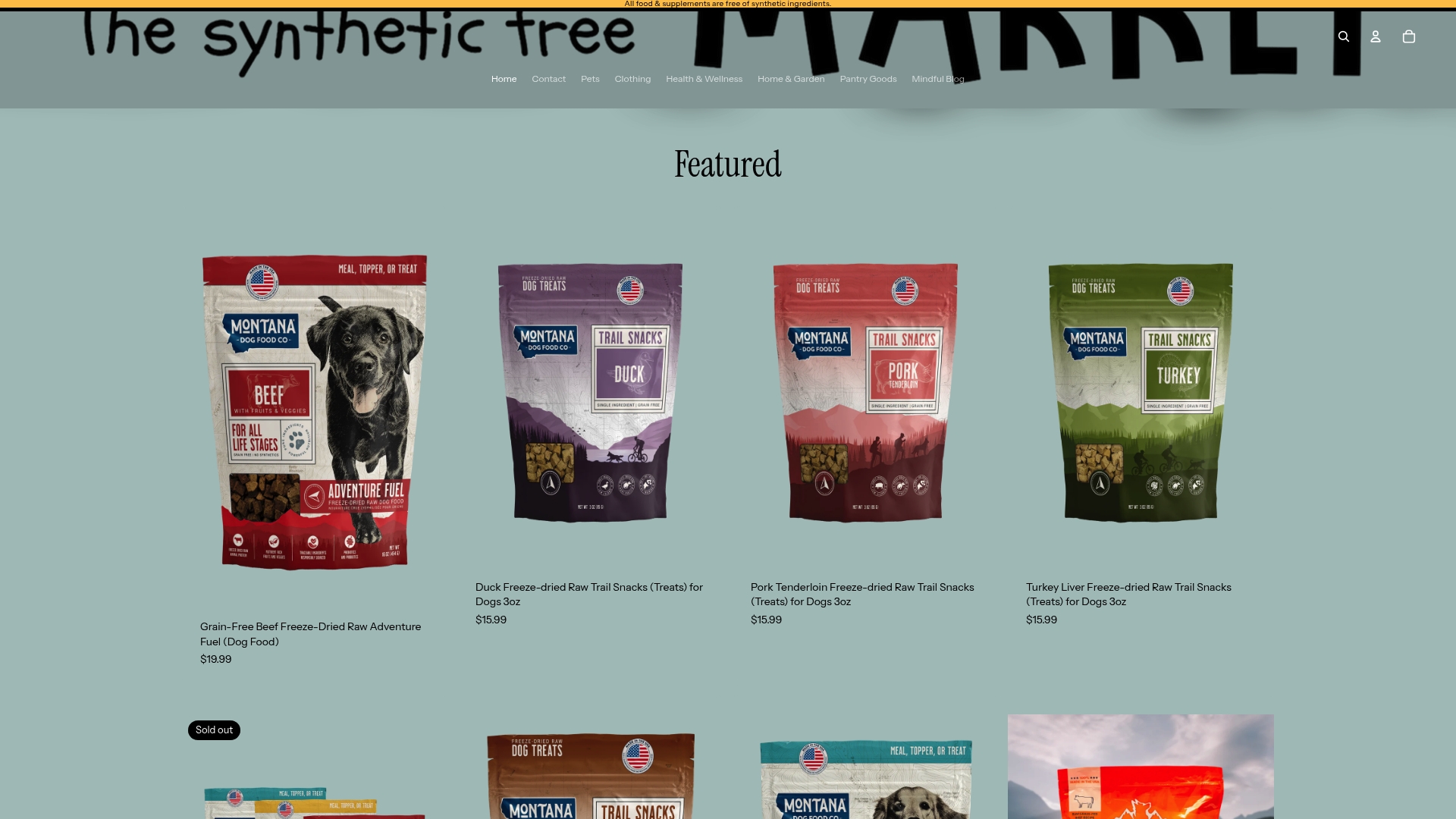
For pet owners adding raw elements to their pet’s diet, freeze-dried beef toppers offer a lower-risk way to introduce raw nutrition without full meal prep. Soft chew dog supplements support joint, coat, and digestive health alongside any diet format. Browse the full holistic pet wellness catalog to find products aligned with your pet’s health goals and your feeding philosophy.
Frequently asked questions
Is raw food safe for all pets?
Raw food is not recommended for certain pet populations, including puppies, senior animals, and immunocompromised pets, due to elevated pathogen exposure and nutritional risks.
How can I make a raw food diet safer?
Use reputable commercial products with HPP treatment or freeze-dried formats, follow strict hygiene practices during handling, and consider gently cooked alternatives if contamination risk is a concern.
What should be included in a balanced raw diet for pets?
A balanced raw diet typically includes 70-80% muscle meat, 10 to 15% raw bone, 10% organ meat, and small amounts of vegetables and supplements depending on the model used.
Are there proven health benefits to raw feeding?
Owners consistently report firmer stools and shinier coats, but independent research has not proven clear health or longevity advantages over other well-formulated diets.
Recommended
- Raw Dog Food Benefits: Health, Nutrition & Risks – Mindful Botany Market
- Clean label dog food: Benefits, risks, and how to choose – Mindful Botany Market
- Feed your dog real food: a practical how-to guide – Mindful Botany Market
- What is fresh dog food? A complete guide to healthier choices – Mindful Botany Market