


TL;DR:
- Monitoring pet health through nutrition involves regular body assessments, weight tracking, and physical observation to catch issues early. Consistent Body Condition Scoring and observation of coat, energy, and stool provide a reliable picture of nutritional status, while gradual diet changes and vet collaboration ensure safe and effective management. Home monitoring combined with veterinary input enables proactive adjustment of your pet’s diet, promoting long-term wellness.
Monitoring pet health with nutrition means using structured body assessments, dietary tracking, and physical observation to detect problems before they become serious. Tools like Body Condition Scoring (BCS), weight tracking, coat evaluation, and energy level observation give you a clear, repeatable picture of your pet’s nutritional status. Veterinary guidelines now classify nutritional status as the 5th vital assessment alongside temperature and pulse. That shift reflects how central diet is to long-term pet wellness. This guide walks you through each method, step by step.
How to monitor pet health with nutrition using body condition scoring
Body Condition Scoring (BCS) is the most reliable starting point for assessing your pet’s nutritional status at home. The scale runs from 1 to 9, with BCS 4–5 as the ideal range for most dogs and cats. A score of 6 or above signals excess body fat and typically calls for a 10–15% caloric reduction. Scores of 8–9 require veterinary supervision.
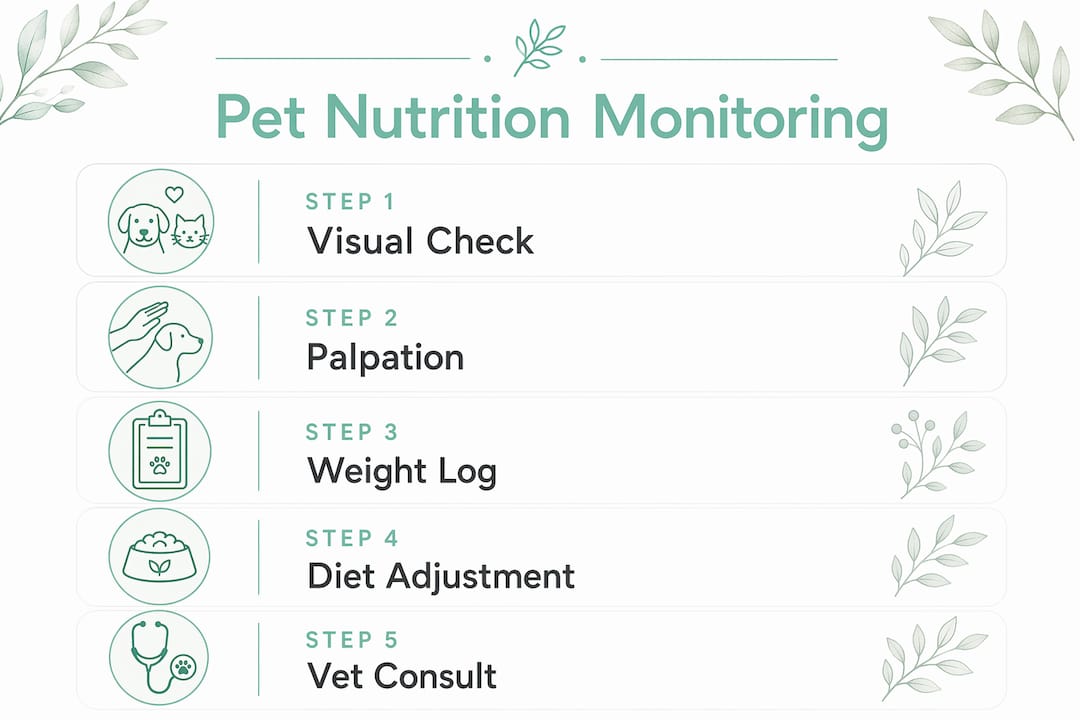
The assessment combines two methods: visual observation and hands-on palpation. Visually, you look for a visible waistline when viewing your pet from above, and a slight abdominal tuck from the side. For the tactile check, run your fingers along your pet’s ribcage. You should feel each rib without pressing hard, but the ribs should not be visible through the skin.
BCS and MCS assessments every 2–4 weeks provide better metabolic insight than weight alone. Muscle Condition Scoring (MCS) pairs with BCS to distinguish fat gain from muscle loss, two conditions that look similar on a scale but require different responses. Record your scores in a notebook or a simple spreadsheet after each check.
Pro Tip: Set a recurring calendar reminder every two weeks to perform a BCS check. Consistency matters more than precision at first. Your ability to detect changes improves with practice.
| BCS Score | Body Condition | Recommended Action |
|---|---|---|
| 1–3 | Underweight | Increase caloric intake; consult a vet |
| 4–5 | Ideal | Maintain current diet and feeding schedule |
| 6–7 | Overweight | Reduce calories by 10–15%; increase activity |
| 8–9 | Obese | Veterinary-supervised weight loss program required |
Why weight tracking alone is not enough
Weight is a useful data point, but it tells an incomplete story. A dog can hold a stable weight while losing muscle and gaining fat, a shift that BCS catches but the scale misses. Hands-on palpation combined with monthly weigh-ins creates the most reliable picture of feeding adequacy.
Here is how to weigh your pet accurately at home:
- Small pets: Place your pet directly on a baby scale or a kitchen scale rated for their weight.
- Medium to large dogs: Weigh yourself on a bathroom scale, then hold your dog and weigh again. Subtract your weight from the combined total.
- Cats: Use a postal or kitchen scale for cats under 15 pounds. For heavier cats, use the hold-and-subtract method.
- At the vet: Ask your veterinary clinic to record the weight at every visit so you have a consistent baseline from a calibrated scale.
Weight trends matter more than single readings. A rising weight combined with a rising BCS score confirms fat gain. A stable weight with a dropping BCS score suggests muscle loss, which is a more urgent concern. A dropping weight with a stable or improving BCS may indicate your pet is burning stored fat appropriately during a planned weight loss program.
Pro Tip: Keep a simple log with the date, weight, and BCS score after each check. Three months of data gives you a trend line that is far more useful than any single measurement.
What physical signs reveal about your pet’s diet
Your pet’s body communicates nutritional status through visible and behavioral signals. Coat quality is one of the clearest indicators. A well-nourished pet has a coat that is smooth, shiny, and free of excessive shedding. A dull, dry, or patchy coat often points to deficiencies in omega-3 fatty acids, zinc, or protein. Excessive scratching without a flea or allergy diagnosis frequently traces back to diet.
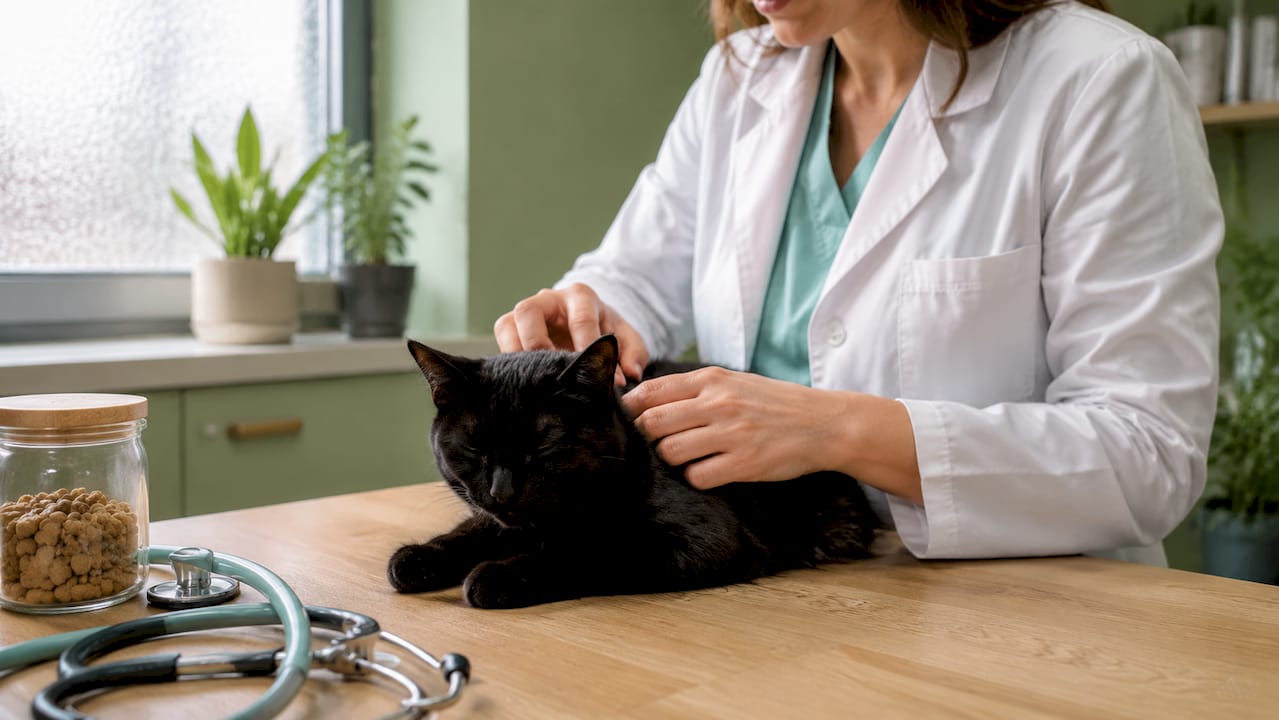
Energy level is equally telling. A pet eating a nutritionally complete diet maintains consistent activity and recovers quickly from play or exercise. Persistent lethargy, reluctance to move, or sudden hyperactivity can all signal dietary imbalance. These changes are easy to dismiss as aging or mood, but they deserve attention when they appear alongside other signs.
Stool quality rounds out the physical picture. Healthy stools are firm, well-formed, and consistent in color. Loose stools, excessive gas, or frequent vomiting after meals suggest the current diet is not agreeing with your pet’s digestive system. Watch for these warning signs:
- Loose or watery stools lasting more than 48 hours
- Mucus or blood in stool
- Sudden increase in stool volume, which may indicate poor digestibility
- Coat patches or skin redness appearing after a diet change
- Significant drop in activity level over one to two weeks
Any of these signs warrants a call to your veterinarian. Physical observation is a monitoring tool, not a diagnostic one.
How to implement and track dietary changes safely
Changing your pet’s diet without a structured plan creates two problems. First, abrupt transitions cause digestive upset, which makes it impossible to tell whether a new food is working. Second, rapid changes muddle your health assessments because you cannot separate food reactions from pre-existing conditions. A gradual 7–14 day transition minimizes gastrointestinal upset and gives you clean data to work with.
Follow this process when switching foods:
- Days 1–3: Mix 75% old food with 25% new food. Observe stool consistency and energy level daily.
- Days 4–6: Shift to a 50/50 mix. Check for skin redness, itching, or digestive changes.
- Days 7–10: Move to 25% old food and 75% new food. Note coat condition and appetite.
- Days 11–14: Feed 100% new food. Perform a BCS check and record your findings.
- Week 4: Schedule a vet visit to review weight, BCS, and any observed reactions.
Treat calories deserve specific attention during any diet change. Treats should not exceed 10% of daily caloric intake to avoid obesity and related complications like diabetes, arthritis, and heart disease. Most owners underestimate treat volume significantly. Measure treats by weight or count, not by feel. For guidance on safe treat choices, look for options with clear calorie counts per piece.
Pro Tip: Read pet food labels carefully, but do not stop there. Feeding trials and digestibility data reveal how well your pet actually uses the nutrients in a food, which label percentages alone cannot tell you.
| Diet Change Step | Action | What to Monitor |
|---|---|---|
| Days 1–3 | 75% old / 25% new | Stool consistency, appetite |
| Days 4–6 | 50% / 50% mix | Skin condition, energy level |
| Days 7–10 | 25% old / 75% new | Coat quality, digestion |
| Days 11–14 | 100% new food | BCS score, overall behavior |
| Week 4 | Vet checkup | Weight, BCS, MCS review |
Common mistakes that undermine nutrition monitoring
Most nutrition monitoring errors come from shortcuts, not negligence. Recognizing them early saves you from weeks of inaccurate data.
- Relying on visual assessment only. Thick fur hides body fat effectively. Always combine visual checks with hands-on rib palpation for an accurate BCS reading.
- Ignoring treat calories. Tracking treats and water intake can reveal early systemic problems before physical signs appear. Treats that seem small add up fast across a day.
- Switching foods abruptly. A sudden diet change causes digestive upset that mimics food intolerance, making it impossible to assess whether the new food is actually suitable.
- Skipping regular weigh-ins. Monthly weighing creates the trend data you need. A single weight reading has almost no diagnostic value on its own.
- Avoiding veterinary input. Nutritional status is a dynamic, ongoing process that changes as pets age or shift activity levels. A vet provides the calibrated perspective that home monitoring cannot replace.
“Hands-on body condition checks empower owners to make proactive dietary changes rather than reacting to advanced symptoms.” — Age & Geiger Pet Nutrition
Key takeaways
Consistent BCS checks combined with monthly weigh-ins and physical observation give you the most complete picture of your pet’s nutritional health.
| Point | Details |
|---|---|
| BCS is the core tool | Score your pet every 2–4 weeks using both visual and tactile checks for accuracy. |
| Weight needs context | Combine scale readings with BCS and MCS to distinguish fat gain from muscle loss. |
| Physical signs matter | Coat quality, energy level, and stool condition each signal dietary adequacy or problems. |
| Transition diets slowly | Use a 7–14 day gradual switch and log reactions daily to get clean assessment data. |
| Treats count as calories | Keep treat intake under 10% of daily calories to avoid undetected weight gain. |
What consistent monitoring has taught me
I have worked with enough pet owners to know that most nutrition problems are not discovered at the vet. They are discovered at home, by someone paying close attention. The owners who catch weight gain early, who notice a coat going dull before it becomes a skin problem, are the ones doing BCS checks every few weeks and writing down what they find.
The biggest obstacle I see is not laziness. It is overconfidence in visual assessment. Fluffy breeds especially fool their owners. A Golden Retriever can carry two extra pounds of fat under a thick coat and look completely normal. The rib check takes 10 seconds and tells you what your eyes cannot.
The second thing I have learned is that treat calories are the silent saboteur of every weight management plan. Owners cut back on meals and wonder why their dog is not losing weight. The answer is usually in the treat jar. Measure them. Count them. It changes everything.
Veterinary collaboration is not optional for serious monitoring. Home assessments give you frequency. Vets give you calibration. Use the pet wellness nutrition guide at Mindfulbotany to build a baseline before your next appointment. Bring your BCS log. Your vet will notice.
— Ashley
Support your pet’s nutrition goals with Mindfulbotany
Mindfulbotany carries products selected specifically to support the kind of hands-on, consistent pet care this article describes.

The Soft Chew Dog Supplements at Mindfulbotany are formulated to fill nutritional gaps that even a well-planned diet can leave, particularly for aging pets or those in active weight management. For coat health monitoring, the Four Paws Magic Coat Professional Series Self-Cleaning Slicker Brush makes regular grooming sessions double as a coat condition check. Both products fit naturally into the monitoring routines described above. Browse the full pet health range at Mindfulbotany to find tools that match your pet’s specific nutritional needs.
FAQ
What is body condition scoring for pets?
Body Condition Scoring (BCS) is a 9-point scale used to assess a pet’s body fat and overall nutritional status through visual and tactile evaluation. A score of 4–5 is considered ideal for most dogs and cats.
How often should i weigh my pet at home?
Monthly weigh-ins combined with BCS checks every 2–4 weeks provide the most reliable trend data for tracking your pet’s nutritional health.
How do i know if my pet’s diet is working?
Look for a stable BCS score in the 4–5 range, consistent energy levels, firm stools, and a smooth and shiny coat. These physical indicators confirm that your pet is using nutrients effectively.
Can treats cause weight gain even with controlled meals?
Yes. Treats that exceed 10% of daily caloric intake contribute to obesity, diabetes, and joint problems even when main meals are portioned correctly. Measure treat calories the same way you measure food.
When should i consult a vet about my pet’s nutrition?
Consult a vet if your pet’s BCS score falls below 3 or rises above 6, if you notice sudden coat changes, persistent digestive issues, or significant energy shifts. Nutritional needs also change with age and activity level, so annual nutritional reviews are standard practice.
0 comments