


TL;DR:
- Plant protein in pet diets comes from sources like peas, potatoes, and chickpeas that, when combined correctly, provide complete, highly digestible nutrition. Properly formulated plant-based diets meet essential amino acid needs and support health, but require certification and supplementation, especially for obligate carnivores like cats. Choosing complete, certified formulas and consulting veterinary professionals ensures safe, effective plant-protein pet nutrition.
More pet owners are questioning what actually goes into their pet’s bowl, and plant protein is a topic that generates a lot of skepticism. Understanding what is plant protein for pets matters because the assumptions most people start with are wrong. Plant proteins are not second-rate fillers. When formulated correctly, plant-based diets provide complete nutrition with protein digestibility exceeding 90%. This guide breaks down the sources, the science, and what to look for when evaluating plant-protein pet foods.
Table of Contents
- Key takeaways
- What plant protein for pets actually means
- How plant proteins meet amino acid needs
- Benefits and real challenges of plant protein
- Choosing safe and effective plant protein pet foods
- My take on plant protein in pet nutrition
- Support your pet’s nutrition with Mindfulbotany
- FAQ
Key takeaways
| Point | Details |
|---|---|
| Plant protein is real protein | Sources like pea, potato, and chickpeas deliver essential amino acids when combined correctly. |
| Digestibility is high | Well-formulated plant diets regularly exceed 90% protein digestibility, on par with premium meat sources. |
| Dogs and cats differ | Dogs handle plant diets more readily; cats require careful supplementation due to obligate carnivore biology. |
| Certification matters most | AAFCO or FEDIAF approval confirms a formula meets minimum protein and amino acid standards. |
| Supplementation fills the gaps | Nutrients like taurine, B12, and DHA from algae must be added to plant-based diets for completeness. |
What plant protein for pets actually means
Plant protein refers to the protein content extracted or derived from plant-based ingredients and used in pet food formulas as a primary or partial protein source. It is not a single ingredient. It is a category that includes a wide range of whole foods, concentrates, and isolates, each with a different amino acid profile.
The most common sources used in commercial pet foods include:
- Pea protein: A concentrated extract from yellow split peas, high in lysine and arginine, and one of the most researched plant proteins in pet nutrition.
- Potato protein: Particularly notable because potato protein has higher essential amino acid density than eggs and milk casein, making it a surprisingly potent source.
- Chickpeas: Provide protein along with soluble fiber, supporting digestive health and steady energy release.
- Lentils: Rich in protein and iron, often used alongside peas to diversify amino acid intake.
- Soy: One of the few single plant sources that comes close to a complete amino acid profile on its own, though some pets have sensitivities to it.
- Brewer’s yeast: A fermentation byproduct that contributes B vitamins and protein while supporting immune function and skin health.
No single plant source covers all ten essential amino acids a pet needs in the right proportions. That is by design in quality formulas. Pet nutritionists combine pea, potato, chickpeas, and brewer’s yeast specifically to achieve all ten essential amino acids at digestibility rates exceeding 90%. The goal is complementarity, not reliance on one ingredient.
How plant proteins meet amino acid needs
Every dog and cat requires ten essential amino acids that their bodies cannot synthesize on their own: arginine, histidine, isoleucine, leucine, lysine, methionine, phenylalanine, threonine, tryptophan, and valine. The challenge with plant proteins is that each source tends to be low in one or two of these while being strong in others.
This is where amino acid complementarity becomes the core science behind plant-based pet food. Pea protein is rich in lysine but lower in methionine. Potato protein fills that methionine gap while also delivering a dense essential amino acid load. Together, they produce a profile that meets pet requirements. Digestibility rates over 80% are the benchmark for high-quality protein in pet nutrition, and properly balanced plant-based diets regularly clear that bar.
| Protein source | Amino acid strength | Common gap |
|---|---|---|
| Pea protein | High lysine, arginine | Lower methionine |
| Potato protein | High methionine, balanced EAAs | Lower lysine |
| Soy protein | Broad amino acid coverage | Lower methionine |
| Chickpeas | Arginine, threonine | Lower tryptophan |
| Brewer’s yeast | B vitamins, some lysine | Incomplete on its own |
Beyond amino acids, certain nutrients are difficult to obtain from plants alone. Synthetic supplementation of taurine, L-carnitine, vitamin B12, and DHA from algae is critical in plant-based pet diets. These synthetic or fermented forms are chemically identical to what would be found in animal tissue, so they work the same way in the body. Algae-derived DHA, for example, is the same molecule found in fish oil. The fish get it from algae in the first place.

The dog versus cat distinction is significant here. Dogs evolved as omnivores with enhanced starch digestion, which means their digestive systems are better equipped to extract nutrition from plant sources. Cats are obligate carnivores. They cannot synthesize taurine or arachidonic acid in sufficient quantities and lack the enzyme to convert beta-carotene to vitamin A efficiently. Plant-based diets for cats are not impossible, but they require a more precise supplementation approach than dog formulas.
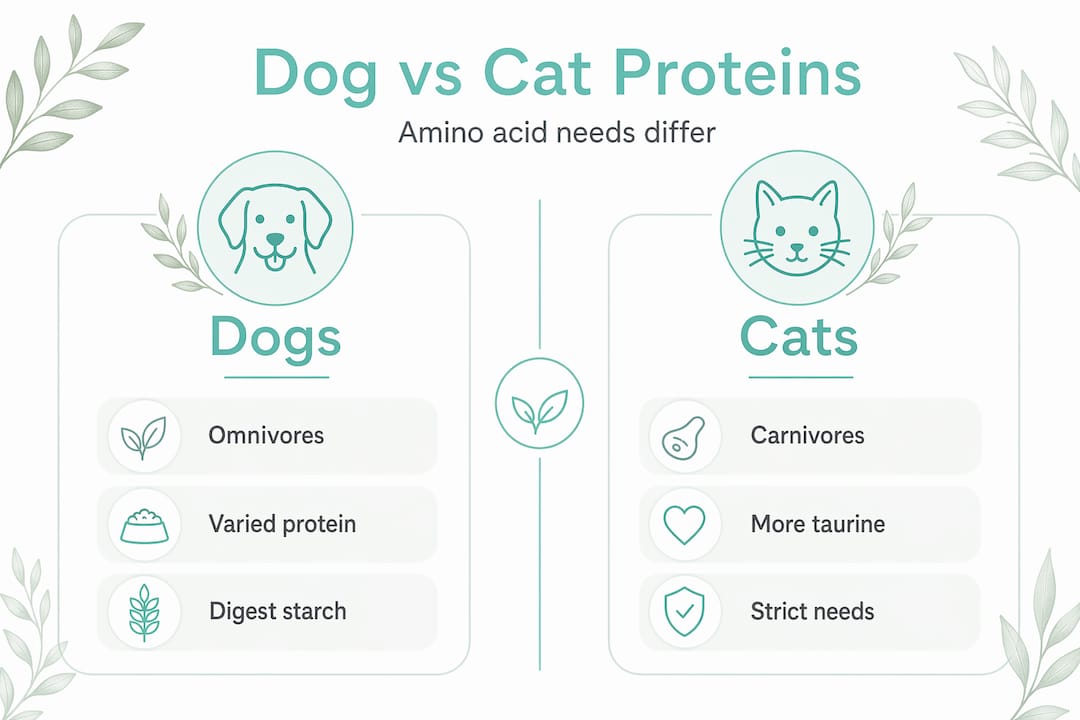
Pro Tip: When evaluating whether a plant-based formula is complete for your cat, look specifically for added taurine and arachidonic acid on the label. These two nutrients are the most common gaps in poorly formulated feline plant-protein products.
Benefits and real challenges of plant protein
The case for plant protein in pet food is not just ideological. There are documented nutritional and health reasons to consider it.
Practical benefits include:
- Reduced exposure to animal protein allergens, which are among the most common triggers for food sensitivities in dogs
- Lower saturated fat content compared to red meat-based formulas
- Increased soluble fiber from ingredients like chickpeas and lentils, supporting gut health and weight management
- A smaller environmental footprint per calorie compared to conventional meat production
- Some pets show improved digestion and stool quality when switched to plant-based formulas, particularly those with chronic digestive issues
The challenges are real, though, and worth stating directly. The biggest risk is not the plant protein itself. It is a poorly formulated product or a homemade diet without professional guidance.
The primary concern with poorly formulated plant diets is slow-developing nutrient deficiencies. These do not show up immediately. A pet can appear healthy for months before a deficiency becomes clinically visible, which is why commercial complete diets or veterinary supervision are non-negotiable for plant-based feeding plans.
Homemade plant-based pet meals are particularly risky without a veterinary nutritionist involved. Owners often underestimate how precise the ratios need to be. A diet that looks balanced on paper may still fall short on bioavailable methionine or taurine after cooking. The market is growing rapidly. The global vegan pet food market is growing at 7.8% CAGR, projected to reach $57 billion by 2034, which means more products and more variation in quality. Not all of them are equal.
Choosing safe and effective plant protein pet foods
Knowing what to look for on a label separates a sound nutritional choice from a marketing-driven mistake. These steps apply whether you are switching a dog from a chicken-based kibble or exploring options for a cat with a beef allergy.
- Check for AAFCO or FEDIAF certification. These bodies set the minimum standards for pet food nutrition. AAFCO requires minimum crude protein of 18% dry matter for adult dogs and 26% for adult cats, plus specified essential amino acid minimums. A “complete and balanced” claim on the label must be backed by this certification.
- Look for multiple complementary protein sources. A product using only pea protein as its sole plant protein source is a flag. Quality formulas use at least two or three plant proteins that complement each other’s amino acid profiles.
- Confirm added amino acids and vitamins. Taurine, L-carnitine, B12, and DHA should appear explicitly in the ingredient list or guaranteed analysis. Do not assume they are present.
- Consult a veterinary nutritionist before a full switch. This is especially relevant for cats, puppies, kittens, and pets with existing health conditions. A board-certified veterinary nutritionist can review a specific formula and flag potential gaps.
- Monitor your pet after the transition. Watch for changes in coat quality, energy, stool consistency, and weight over the first 60 to 90 days. Schedule a vet check at the three-month mark to review bloodwork if concerns arise.
Pro Tip: Ask the pet food company directly for digestibility study results. Reputable brands that invest in proper formulation will have independent lab data on protein digestibility and will share it. If they cannot provide it, that tells you something.
For a deeper look at how nutrient sourcing works across food types, the natural sources for dog nutrition guide at Mindfulbotany covers digestibility and utilization across protein categories in practical detail.
My take on plant protein in pet nutrition
I have watched the plant-based pet food category go from fringe to mainstream, and the science has mostly caught up with the enthusiasm. What I find most interesting is not the debate itself. It is what the debate reveals about how pet owners evaluate food quality.
Most owners I see focus on the protein percentage on the bag. That number alone tells you almost nothing. A diet can hit 30% protein and still leave a pet deficient in two or three critical amino acids if the formulation is careless. The percentage matters far less than the amino acid profile and the digestibility behind it. Surveys of 2,500+ dogs on plant-based diets show health outcomes comparable or better than conventional diets, with 14 to 51% lower illness risk. Those results do not come from the fact that the diet is plant-based. They come from the fact that well-formulated diets, of any type, work.
The skepticism about plant protein for dogs is largely reasonable when aimed at poorly made products. But dismissing the category entirely ignores a body of evidence that is growing year by year. What most pet owners overlook is the supplementation layer. Getting algae-derived DHA and omega-3 fatty acids into a formula matters as much as the protein source itself, and algae provides the same EPA and DHA as fish without the supply chain concerns.
My honest recommendation: apply the same critical eye to plant-based pet food that you would to any other category. Certification, ingredient diversity, and transparent formulation data are the only metrics that matter.
— Ashley
Support your pet’s nutrition with Mindfulbotany
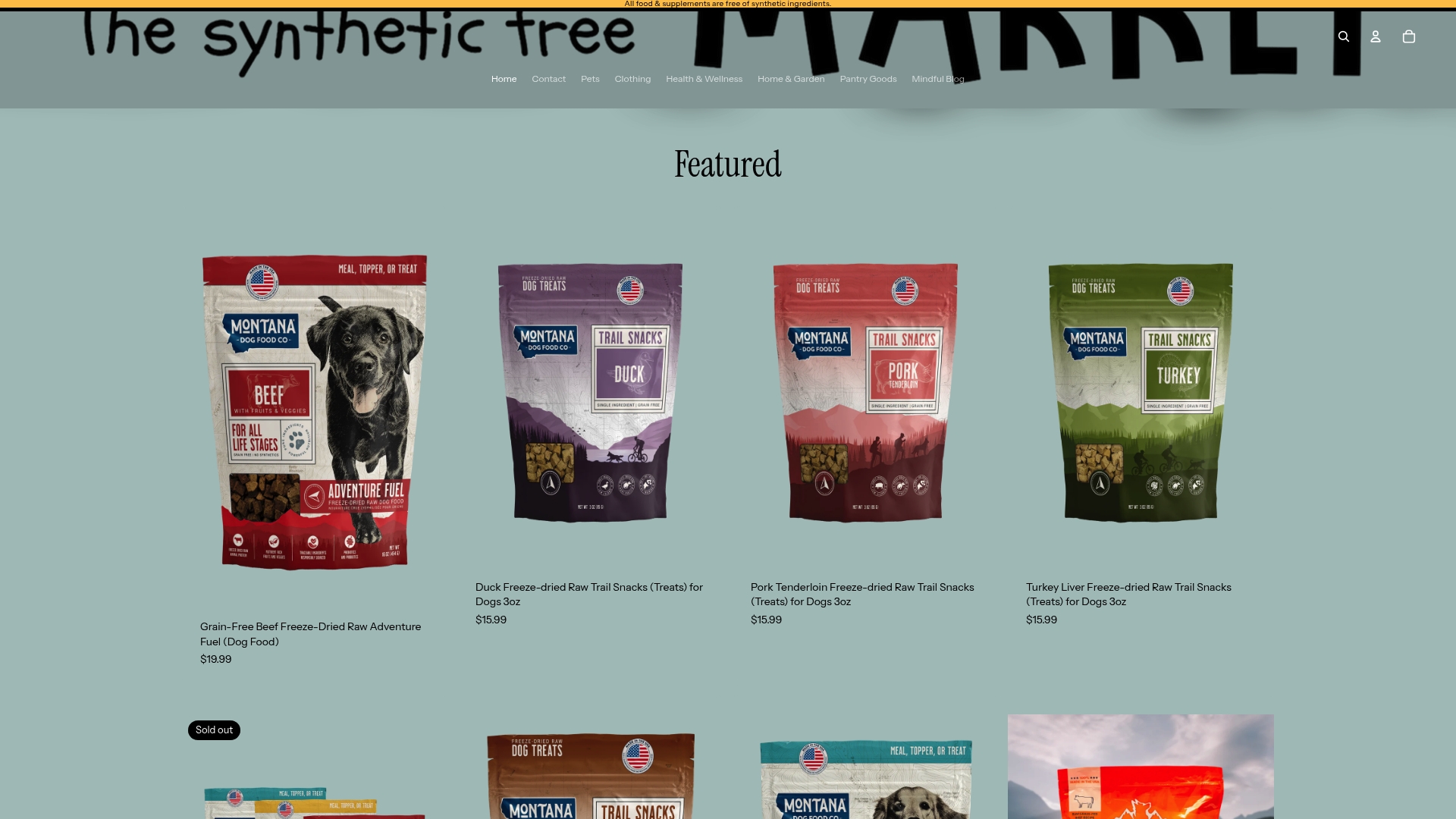
Plant protein diets cover the macros well when properly formulated, but the micronutrient layer is where gaps can quietly develop. Mindfulbotany’s soft chew dog supplements are designed to work alongside plant-based feeding plans, delivering key nutrients like taurine, B vitamins, and omega-3 support in a format dogs accept easily. They complement grain-free and plant-forward diets without adding animal proteins. Browse the full range at Mindfulbotany to find natural wellness products built around the same values as plant-based pet nutrition: clean ingredients, clear labeling, and documented quality.
FAQ
What is plant protein for pets, exactly?
Plant protein for pets refers to protein sourced from ingredients like peas, potatoes, lentils, chickpeas, soy, and brewer’s yeast used in pet food formulas. When multiple sources are combined, they deliver a complete amino acid profile meeting pet nutritional requirements.
Is plant protein safe for pets?
Yes, plant protein is safe for pets when the diet is properly formulated and certified as complete and balanced by AAFCO or FEDIAF. Poorly formulated or homemade plant diets without veterinary oversight carry a real risk of slow-developing nutrient deficiencies.
Can cats eat plant protein?
Cats can eat plant protein as part of a carefully formulated diet, but their obligate carnivore biology requires specific supplementation of taurine, arachidonic acid, and vitamin A. A plant-based diet for cats must be certified and ideally reviewed by a veterinary nutritionist.
What are the best plant protein sources for pets?
The best plant protein sources for pets are pea protein, potato protein, lentils, chickpeas, and brewer’s yeast. Combining two or more of these creates amino acid complementarity, producing a complete protein profile with high digestibility.
Do plant-based diets for dogs really work?
Research supports it. Surveys of over 2,500 dogs on plant-based diets show health outcomes comparable or better than meat-based diets, with up to 51% lower illness risk, provided the diet is complete, balanced, and certified.
0 comments