


TL;DR:
- Natural dog nutrition emphasizes minimal processing, clear ingredient sources, and no artificial additives.
- Named meats, fish, and whole foods form the foundation of quality, evidence-based canine diets.
- Vigilance, variety, and supplementation are essential as all diet types have potential nutritional gaps.
Pet nutrition labels are full of terms designed to sound wholesome, but few of them carry legal weight. Words like “natural,” “holistic,” and “premium” are largely unregulated in the pet food industry, leaving owners to sort through conflicting ingredient lists, diet trends, and wellness claims on their own. The challenge is real: you want to feed your dog food that supports long-term health without synthetic fillers, artificial preservatives, or vague protein sources. This guide breaks down the key natural nutrition sources available for dogs, what the research actually says about each, and how to build a balanced, evidence-based feeding approach.
Table of Contents
- How to evaluate natural dog nutrition sources
- Whole meats and fish: Quality proteins for dogs
- Plant-based ingredients and their nutritional role
- Homemade vs. commercial options: Comparing natural nutrition
- The uncomfortable truth about natural dog nutrition
- Prioritize your dog’s nutrition and wellness
- Frequently asked questions
Key Takeaways
| Point | Details |
|---|---|
| Named proteins matter | Choose clear animal protein sources over vague byproducts for better nutrition. |
| Rotate and diversify | Switch up protein and plant sources to balance nutrition and minimize risk. |
| Check for nutrient gaps | Even natural diets can lack key minerals or vitamins—evaluate and supplement if needed. |
| Watch raw risks | Raw foods may harbor pathogens and lack full mineral balance—cook or consult your vet. |
How to evaluate natural dog nutrition sources
Natural dog nutrition is not defined by a single label or certification. In practice, it means minimal processing, clear ingredient sourcing, and no synthetic additives added beyond what is nutritionally necessary. That last part matters more than most owners realize.
When reviewing a dog food product, these factors signal a genuinely natural and nutritionally sound option:
- Named proteins first: The first ingredient should be a specific protein source, such as chicken, beef, or salmon, not “meat meal” or “animal derivatives.”
- Whole food ingredients: Look for recognizable items like sweet potatoes, blueberries, or brown rice rather than processed grain fractions.
- Clear sourcing information: Reputable brands share where proteins and key ingredients come from.
- No artificial preservatives: Avoid BHA, BHT, and ethoxyquin. Natural preservatives include mixed tocopherols and rosemary extract.
- Complete and balanced labeling: Look for AAFCO (Association of American Feed Control Officials) compliance statements indicating life-stage appropriateness.
Even the most natural-looking diets may require supplementation. Many whole-food-based formulas lack adequate levels of certain minerals, particularly selenium and iodine, without fortification. A feeding real food guide can help you identify which gaps commonly appear in minimally processed options.
Raw diets are popular within the natural feeding community, but evidence does not support their superiority. Raw foods mineral gaps are consistently documented: no preprepared raw foods met FEDIAF (the European pet food industry federation) mineral requirements, with all samples deficient in selenium. That is a significant finding, because selenium plays a key role in immune function and thyroid health in dogs.
Rotating protein sources is a practical strategy for optimizing amino acid balance across meals. Different meats offer different amino acid profiles, so variety is nutritionally beneficial over time. For a broader framework, choosing healthy dog food covers how to apply these criteria when comparing products.
Pro Tip: If a food claims to be “natural” but does not list individual vitamin and mineral sources or carry an AAFCO compliance statement, treat that as a red flag rather than a selling point.
Whole meats and fish: Quality proteins for dogs
Named animal proteins are the most foundational element of natural dog nutrition. Chicken, beef, turkey, lamb, and fish each deliver complete protein profiles, meaning they contain all essential amino acids dogs need to maintain muscle, organ function, and immune health. This is the core reason meat-forward diets remain the reference standard in canine nutrition research.
When selecting protein-rich foods, the following factors matter:
- Named vs. unnamed proteins: Always choose products listing specific meats. “Poultry by-product meal” offers less traceability and quality assurance than “deboned chicken.”
- Fresh vs. meal: Fresh meat has higher moisture content; meal is concentrated and nutrient-dense. Both can be appropriate depending on the overall formula.
- Fish as an omega-3 source: Salmon, sardines, and mackerel are valuable for their EPA and DHA content, supporting coat health and reducing inflammation.
- Game meats: Venison, rabbit, and bison provide novel protein options for dogs with sensitivities, but carry unique handling considerations.
However, variety should be balanced with caution. Raw meat pathogen risks are well-documented, including Salmonella and other harmful bacteria that can affect both dogs and their owners. Game meats, in particular, have shown lead in sampled meats: lead was detected in 2 out of 33 samples tested, and heavy metal exposure is cumulative over time.
“Prioritize named proteins, avoid vague derivatives, and rotate sources for amino acid balance. Raw and game meats carry real risks from pathogens and heavy metals that owners should factor into feeding decisions.”
For owners interested in raw protein options, understanding raw dog food risks is an important first step before making dietary changes. A structured raw feeding guide can provide the practical framework needed to do it as safely as possible if you decide to proceed.
The key takeaway here: whole, named meats and fish are excellent foundations for natural nutrition, but the form they are fed in, raw, cooked, freeze-dried, or as meal, carries meaningful differences in safety and nutrient retention.
Plant-based ingredients and their nutritional role
Plant-based ingredients are not just filler in natural dog foods. Fruits, vegetables, and whole grains contribute fiber, antioxidants, and specific micronutrients that meat alone does not always provide. Blueberries offer polyphenols. Pumpkin supports digestive regularity. Leafy greens supply folate and vitamin K. These are functional contributions, not marketing additions.
Here is what plant ingredients do well in a canine diet:
- Dietary fiber: Supports healthy digestion, stool consistency, and gut microbiome diversity.
- Antioxidants: Found in berries, spinach, and carrots, these compounds help reduce oxidative stress.
- Certain B vitamins: Legumes and whole grains supply thiamine, riboflavin, and niacin.
- Digestive enzymes: Some raw fruits and vegetables contain naturally occurring enzymes that support nutrient absorption.
However, plant-based formulas carry notable limitations when used as the primary protein source. Plant-based diet deficiencies show that plant-based dry dog foods have lower iodine and B-vitamin content compared to meat-based equivalents, and 66% of low-protein veterinary diets tested were deficient in essential amino acids. Dogs are omnivores, but their protein requirements are high and plant proteins are generally less bioavailable than animal proteins.
This does not mean plant ingredients should be avoided. It means they should be used as complements to named meat proteins, not substitutes. A diet combining chicken with sweet potato, green beans, and blueberries gives you the amino acid completeness of meat plus the micronutrient and fiber benefits of plants.

Pro Tip: When reviewing an ingredient list, check whether plant ingredients appear early or late. If legumes or starches appear before any named protein, the food’s protein quality is likely lower than the label implies.
For owners curious about purely plant-forward feeding options, a vegan dog food guide outlines the full picture of benefits and requirements. Integrating specific functional plants is also covered in a guide to superfoods for dogs.
Homemade vs. commercial options: Comparing natural nutrition
Both homemade and commercial natural diets have legitimate advantages and documented risks. The right choice depends on your dog’s health status, your ability to plan balanced meals, and how much time and budget you can commit.
| Factor | Homemade diet | Commercial natural diet |
|---|---|---|
| Ingredient control | High | Moderate |
| Nutritional completeness | Requires supplementation | Varies by brand |
| Pathogen risk | Higher (raw handling) | Controlled (if cooked) |
| Convenience | Low | High |
| Cost | Variable | Predictable |
| Mineral adequacy | Depends on recipe | Often still incomplete |
Pathogen risk is a critical factor in both categories when raw foods are involved. Salmonella and Listeria risks appear in 7 to 24% of raw pet food samples tested, and major veterinary organizations including AVMA, AAHA, and the CDC discourage raw diets due to these risks and the absence of proven health benefits over properly balanced cooked alternatives.
For commercial options, raw mineral gaps are consistent: no preprepared raw foods met FEDIAF mineral standards, and selenium deficiency was universal across samples tested. Even products marketed as premium and complete may fall short of actual mineral requirements.
If you choose to make your dog’s food at home, monitor these factors consistently:
- Confirm the recipe was developed or reviewed by a board-certified veterinary nutritionist.
- Test for protein completeness across the week, not just per meal.
- Supplement with a veterinary-approved multivitamin or targeted minerals.
- Rotate protein and plant sources every 2 to 3 weeks.
- Track your dog’s coat, energy, stool quality, and weight as ongoing indicators.
For commercial buyers, reviewing the healthiest dog food types helps narrow the options by format and nutritional profile. A broader overview of raw food for pets covers both the appeal and the evidence-based limitations of this approach.
The uncomfortable truth about natural dog nutrition
Here is what most guides will not say plainly: the word “natural” does not guarantee nutritional adequacy, and the most expensive or least processed product on the shelf is not automatically the best choice for your dog.
Every major diet category covered in this guide, raw, homemade, plant-based, and even premium commercial, carries documented nutritional gaps. No single source is complete on its own. Selenium deficiency, amino acid shortfalls, and pathogen risks appear across the board. The evidence does not support any single diet style as definitively superior.
What does make a real difference is vigilance and variety. Rotating proteins, mixing plant and animal sources, confirming AAFCO compliance, and supplementing where needed are the practical habits that add up over months and years. For a starting point on natural, safe dog treats, the same principles apply: named ingredients, minimal processing, and verified nutritional adequacy matter more than trend-driven marketing claims.
The goal is a diet built on evidence, not hype.
Prioritize your dog’s nutrition and wellness
Applying the information in this guide is easier when you have access to products and resources that meet the same standards you are looking for. Nutritional gaps are common even in quality diets, and targeted supplementation is often the most practical solution.
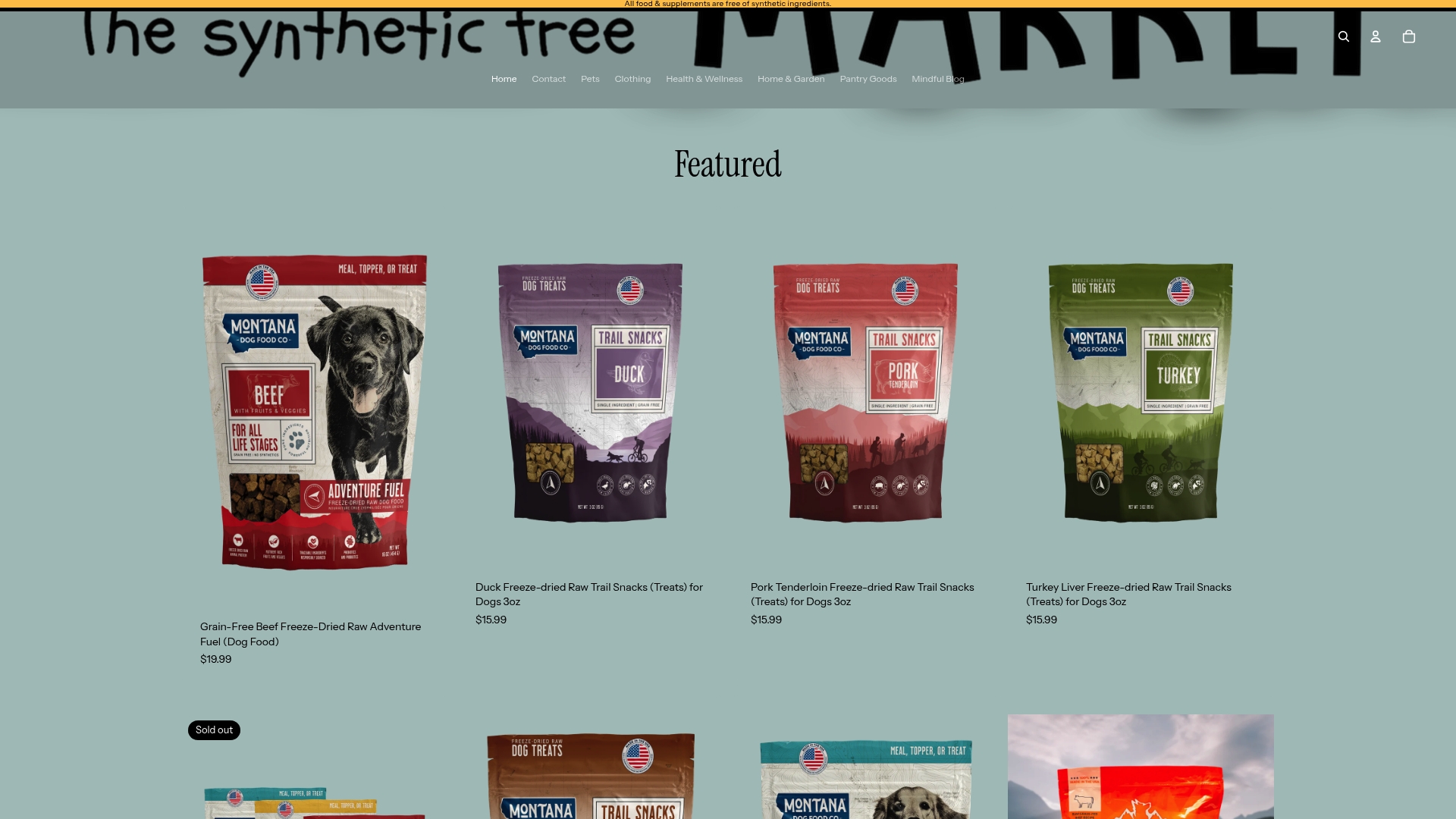
Natural dog supplements in soft-chew format are available for owners looking to address specific mineral or vitamin shortfalls without overcomplicating meal prep. Beyond nutrition, dog grooming essentials and additional wellness tools support overall health as part of a complete care routine. Browse the full range of pet and personal wellness options at the Mindful Botany marketplace to find products matched to your dog’s specific health priorities.
Frequently asked questions
What are the safest sources of natural nutrition for dogs?
Named whole meats, fish, and nutritious vegetables are safest when properly prepared and balanced to meet your dog’s life-stage requirements. Always confirm AAFCO compliance on commercial products.
Are homemade diets better than commercial natural dog foods?
Both have pros and cons. Homemade diets offer ingredient control but can miss key minerals without supplementation, while commercial options are convenient but often lack mineral adequacy even in premium formulations.
Do plant-based ingredients provide enough nutrition for dogs?
Plant ingredients contribute fiber, antioxidants, and some B vitamins, but 66% of low-protein diets tested were deficient in essential amino acids, making plant-only feeding risky without careful supplementation.
Is raw feeding the healthiest way to feed my dog?
Raw diets carry real pathogen and nutrient deficiency risks. AVMA and CDC discourage raw feeding due to Salmonella and Listeria concerns, and balanced cooked diets perform equally well when properly formulated.
Recommended
- Healthy dog food: how to choose the best for your pet – Mindful Botany Market
- What is fresh dog food? A complete guide to healthier choices – Mindful Botany Market
- Step-by-step raw feeding for dogs: A complete how-to – Mindful Botany Market
- Superfoods for dogs: boost canine health naturally – Mindful Botany Market