


TL;DR:
- Transparency in pet food involves full disclosure of ingredients, sourcing, and safety testing to enable informed feeding choices. It helps identify allergens, evaluate nutritional adequacy, and ensure product quality beyond marketing claims. Clear labeling, rigorous testing, and traceability are essential for pet safety and long-term wellbeing.
Transparency in pet food is defined as a brand’s full disclosure of ingredients, sourcing, nutrient profiles, and safety testing so pet owners can make accurate feeding decisions. This is not a marketing trend. It is the foundation of responsible pet nutrition. Without it, you are trusting a label designed to sell, not inform. Full ingredient transparency allows you to identify allergens, confirm nutritional adequacy, and evaluate whether a product genuinely matches your pet’s dietary needs. This article explains why transparency in pet food directly affects your pet’s health, safety, and long-term wellbeing.
Why transparency in pet food helps you evaluate quality
Pet food ingredient transparency gives you the tools to move past marketing claims and assess what is actually in the bowl. Phrases like “premium,” “natural,” or “wholesome” carry no regulated definition in the United States. They are impressions, not facts. Full disclosure of ingredients and sourcing lets you evaluate quality on your own terms, not the brand’s.
The most direct benefit is allergen identification. Pets cannot tell you when a food disagrees with them. Symptoms like itching, digestive upset, or chronic ear infections often trace back to a specific protein or additive. If a brand lists only “meat meal” or “animal digest” without specifying the species, you cannot rule out the allergen. Transparent brands name every ingredient precisely. That specificity matters when your dog has a known sensitivity to chicken, beef, or wheat.
Detailed nutrient panels are equally important. A guaranteed analysis shows minimum and maximum levels of protein, fat, fiber, and moisture. This data lets you compare products on actual nutritional content rather than ingredient marketing. Brands that publish full nutrient breakdowns, including amino acid profiles and mineral content, give you a factual basis for comparison.
The difference between a marketing claim and factual transparency is measurable. A label that says “rich in omega-3s” tells you nothing about the quantity or source. A label that lists salmon oil with a documented DHA percentage tells you something real.
- Ingredient list: Named proteins and whole foods indicate higher disclosure standards.
- Guaranteed analysis: Cross-check protein and fat percentages against your pet’s life stage requirements.
- Sourcing statements: Country of origin and supplier names signal accountability.
- Feeding guidelines: Calorie counts per cup or can allow accurate portion control.
Pro Tip: Ingredient lists are ordered by pre-processing weight, not nutritional contribution. A food listing chicken first may contain more grain by dry weight after moisture is removed. Always cross-check with the guaranteed analysis to understand the actual nutrient profile.
What do AAFCO statements actually tell you?
AAFCO statements are the clearest signal of how rigorously a pet food has been evaluated. The Association of American Feed Control Officials sets two standards: formulation analysis and feeding trials. Understanding the difference between them is one of the most underused tools in a pet owner’s toolkit.
Formulation analysis means a food was designed to meet AAFCO nutrient profiles on paper. The recipe was calculated, not tested on live animals. This is the more common and less rigorous standard. Feeding trials, by contrast, require at least 8 dogs over 26 weeks with active health monitoring. That process is time and resource intensive, which is exactly why it carries more weight as a quality signal.
Here is what to look for when evaluating AAFCO statements on a label:
- Find the AAFCO statement. It appears in small print, often near the guaranteed analysis. It will say either “formulated to meet” or “animal feeding tests.”
- Identify the method. “Formulated to meet” means calculation only. “Animal feeding tests” means the food was actually fed to animals and monitored.
- Check the life stage. The statement will specify “adult maintenance,” “growth,” or “all life stages.” All life stages is the most demanding standard.
- Ask the brand directly. Transparent brands will tell you the duration of their trials, what parameters were monitored, and whether third-party labs were involved.
- Look for published results. Some brands post feeding trial data publicly. That level of disclosure is rare and worth noting.
AAFCO statements have real limitations. They confirm minimum adequacy, not optimal nutrition. A food can pass AAFCO standards and still be mediocre in ingredient quality or sourcing. Transparency about the method used, and its limitations, is what separates honest brands from those hiding behind regulatory minimums.
Pro Tip: If a brand cannot tell you whether their food was validated by feeding trial or formulation, treat that as a transparency gap. Brands that invest in feeding trials typically say so clearly because it is a genuine differentiator.
How does transparency affect pet food safety and recalls?
Traceability is the operational backbone of pet food safety. When a contamination event occurs, a brand’s ability to isolate affected products depends entirely on how well it has documented ingredient sourcing, production batches, and distribution. Traceability across ingredients and production enables rapid recall and limits the scope of what must be pulled from shelves.
A real example illustrates the stakes. In 2026, Raw Energy expanded a pet food recall after Listeria test results flagged additional batches. The company’s recall communications included batch dates and announced planned improvements to safety testing and sanitation procedures. That level of communication, while prompted by a serious problem, reflects a transparency standard that protects consumers and preserves brand credibility.
“Recall communication speed and clarity critically affect consumer trust. Companies that communicate openly preserve brand credibility even through serious safety events.”
The contrast is equally instructive. Brands with traceability gaps cannot confirm which production lots are affected. This forces broad precautionary recalls that pull safe products alongside contaminated ones. That is costly for the brand and disruptive for pet owners who rely on a specific food.
What transparent safety practices look like in practice:
- Lot coding: Every bag or can carries a production lot number tied to specific ingredient batches.
- Supplier documentation: Brands maintain records of where each ingredient came from and when it was received.
- Testing protocols: Finished products are tested for pathogens, heavy metals, and mycotoxins before release.
- Recall response plans: Documented procedures for notifying retailers, distributors, and consumers within defined timeframes.
Effective recall readiness is not just a public recall page. It is internal documentation of sourcing and production that allows a brand to act precisely rather than broadly. When you choose a brand that publishes its testing protocols and sourcing standards, you are choosing one that has built the infrastructure to protect your pet before a problem occurs.
Pet food labeling regulations: US vs. EU standards

Labeling laws shape how much information reaches you as a consumer. The gap between US and EU standards is significant, and understanding it helps you interpret what you see on a label and what might be missing.
| Standard | United States | European Union |
|---|---|---|
| Ingredient naming | AAFCO guidelines; some generic terms permitted | Must be truthful, verifiable, and not misleading |
| Digital supplements | Not required | QR codes allowed but cannot replace mandatory label content |
| Operator accountability | Brand responsible for label accuracy | Accountable operators must substantiate label claims |
| Marketing claims | Loosely regulated; “natural” has limited definition | Claims must be verifiable and not create false impressions |
| Nutrient disclosure | Guaranteed analysis required | Detailed nutrient declaration required |
EU pet food labeling requires information to be truthful, verifiable, and visible, with accountable operators responsible for substantiating every claim. QR codes can supplement label content but cannot replace the mandatory particulars that must appear on the physical package. This means EU consumers have a legal floor of transparency that US regulations do not fully match.
In the US, regulatory frameworks allow technical compliance while leaving room for marketing language that can mislead. A label can be legally accurate and still create a false impression through selective emphasis. Regulatory frameworks allow technical compliance, which means you need to interpret label claims carefully and account for potential marketing bias.
Practical steps for decoding any label:
- Read the ingredient list and guaranteed analysis together, not separately.
- Check whether the AAFCO statement specifies feeding trial or formulation.
- Search the brand’s name in the FDA’s recall database before purchasing.
- Look for a customer service contact and test whether the brand answers sourcing questions directly.
Pro Tip: When a brand uses a QR code on its packaging, scan it. Transparent brands use that space to publish full sourcing details, third-party test results, and feeding trial data. Brands that link only to a homepage are using the code as marketing, not disclosure.
Key takeaways
Transparency in pet food is the single most reliable indicator of a brand’s commitment to your pet’s health, safety, and nutritional adequacy.
| Point | Details |
|---|---|
| Ingredient transparency protects health | Named ingredients and full nutrient panels let you identify allergens and confirm dietary adequacy. |
| AAFCO feeding trials signal rigor | Feeding trial validation over 26 weeks with 8 dogs is stronger evidence than formulation analysis alone. |
| Traceability limits recall damage | Brands with documented sourcing and lot coding can isolate contaminated batches quickly and precisely. |
| Label order can mislead | Ingredient order reflects pre-processing weight; always cross-check with the guaranteed analysis. |
| EU standards set a higher floor | EU labeling law requires verifiable, truthful claims; US owners must apply more independent scrutiny. |
The part of this conversation most pet owners miss
I have spent years reviewing pet food labels, and the pattern I keep seeing is this: most pet owners stop at the ingredient list. They check whether chicken or salmon is listed first, feel reassured, and move on. That habit is understandable. It is also where most transparency failures go unnoticed.
The ingredient list is the starting point, not the conclusion. What I have found actually matters is the combination of the guaranteed analysis, the AAFCO statement method, and the brand’s recall history. A food with a beautiful ingredient list and zero feeding trial data is not a transparent product. It is a well-designed package.
The brands I trust are the ones that answer sourcing questions directly, publish third-party test results, and communicate clearly during recalls rather than going quiet. That behavior tells you more about a brand’s values than any label claim. You can find signs of quality dog food by looking past the front of the bag and asking harder questions.
One more thing worth saying: transparency is not a guarantee of perfection. Even well-documented brands have recalls. What transparency does is give you the information to respond quickly and make a different choice when needed. That is the real value. It is not about finding a flawless brand. It is about choosing one that respects your right to know what you are feeding your pet. For owners who want to go deeper on pet wellness nutrition, combining label literacy with sourcing knowledge is the most practical path forward.
— Ashley
Find transparent pet nutrition at Mindfulbotany
Pet owners who prioritize ingredient clarity and sourcing accountability deserve products that meet the same standard.
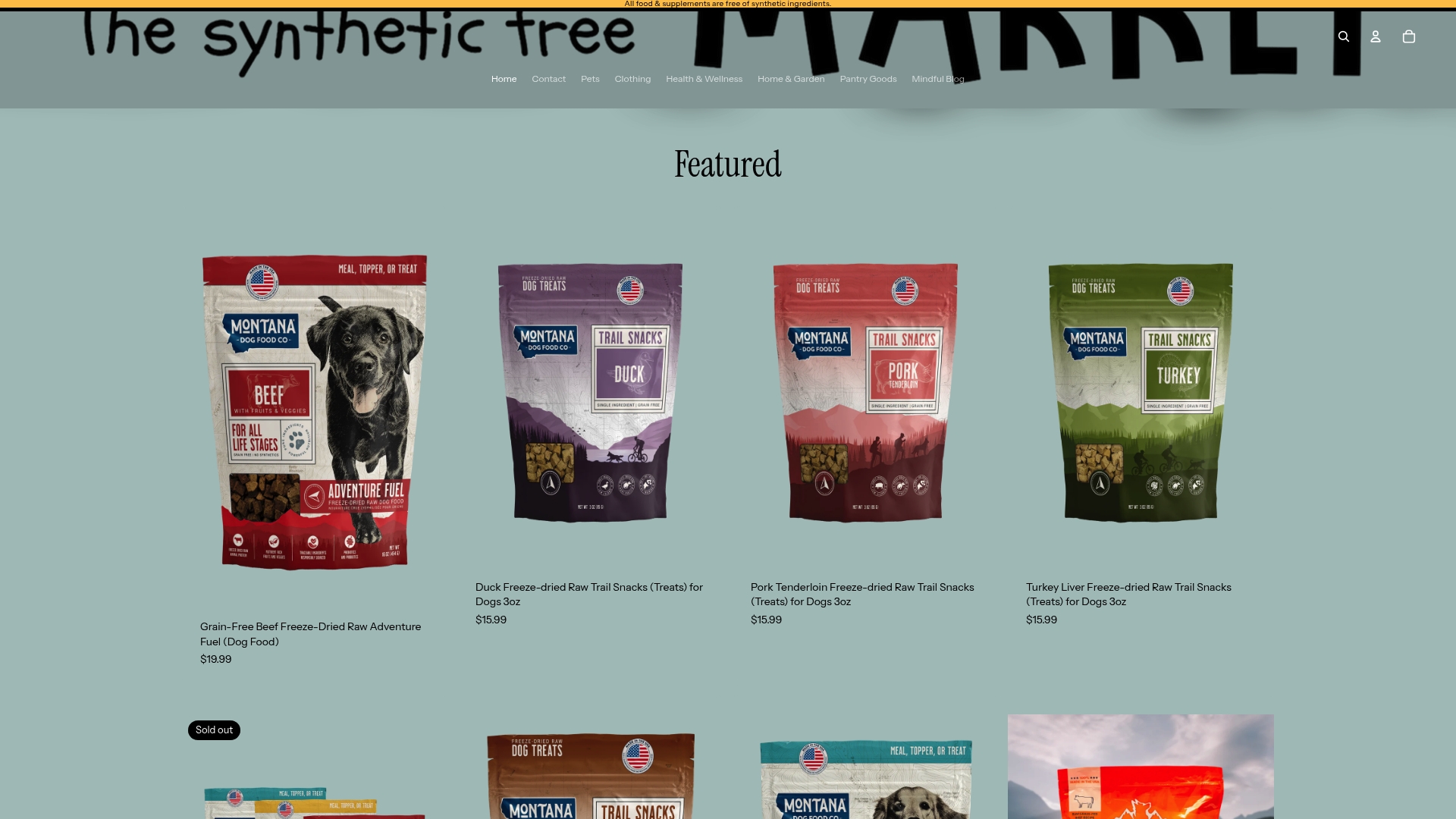
Mindfulbotany carries pet nutrition products with clear ingredient disclosures designed for health-conscious owners. The Soft Chew Dog Supplements are a strong starting point: each product lists every active and inactive ingredient with no proprietary blends obscuring what your dog actually receives. For owners who have done the work of understanding labels, choosing supplements with the same transparency standard is a logical next step. Browse the full Mindfulbotany selection to find products that match your standards for ingredient clarity, sourcing accountability, and nutritional adequacy.
FAQ
What is pet food transparency?
Pet food transparency is a brand’s full disclosure of ingredients, sourcing, nutrient profiles, and safety testing. It allows pet owners to evaluate quality and safety independently rather than relying on marketing claims.
Why do pet food ingredients matter beyond the label?
Ingredient lists reflect pre-processing weight, not nutritional contribution, so a first-listed protein may not dominate the final product. Cross-checking with the guaranteed analysis gives a more accurate picture of what your pet actually consumes.
How can i identify a trustworthy pet food brand?
Look for brands that publish feeding trial data, name specific ingredient sources, maintain accessible recall histories, and answer sourcing questions directly. Brands that communicate openly during recalls demonstrate the kind of accountability that protects your pet long term.
What is the difference between AAFCO formulation and feeding trials?
AAFCO formulation means a recipe was calculated to meet nutrient profiles on paper. Feeding trials require at least 8 animals monitored over 26 weeks, making them a stronger and more rigorous form of diet validation.
Are EU pet food labels more transparent than US labels?
EU regulations require labels to be truthful, verifiable, and not misleading, with accountable operators responsible for every claim. US standards permit more generic ingredient naming and less regulated marketing language, placing more interpretive responsibility on the consumer.
Recommended
- Clean label dog food: Benefits, risks, and how to choose – Mindful Botany Market
- Clean eating for pets: A guide to natural nutrition – Mindful Botany Market
- Raw Dog Food Benefits: Health, Nutrition & Risks – Mindful Botany Market
- 8 Clear Signs of Quality Dog Food for a Healthier Pet – Mindful Botany Market
0 comments