


TL;DR:
- Reading ingredient lists and checking for transparent sourcing are key to identifying genuinely nutritious dog food. Signs of quality include named proteins as the first ingredient, absence of artificial preservatives, and positive reviews from veterinary nutritionists. Price and marketing claims are unreliable indicators; focus instead on objective criteria like ingredient quality, safety testing, and appropriate labeling for your dog’s specific needs.
The dog food aisle is packed with bold claims: “premium,” “natural,” “veterinarian-recommended,” “holistic.” For pet owners trying to do right by their dogs, sorting through those labels without a clear filter is genuinely difficult. Marketing language is designed to sell, not to inform. This article cuts through the noise with concrete, practical signs that identify genuinely nutritious dog food, a useful comparison of quality vs. commercial options, and a situational guide to match the right food to your dog’s specific needs.
Table of Contents
- Why ingredients lists and labels matter most
- 8 clear signs of quality dog food
- Comparison table: Quality vs. commercial dog food
- Situational guide: Adapting choices to your dog’s needs
- Our perspective: What most dog food guides get wrong
- Upgrade your dog’s diet with mindful choices
- Frequently asked questions
Key Takeaways
| Point | Details |
|---|---|
| Check protein source | Real meat should be named as the first ingredient on premium dog foods. |
| Avoid synthetic additives | Quality foods exclude artificial colors, flavors, and preservatives. |
| Prioritize transparency | Trust brands that share sourcing and safety test information on their labels. |
| Adapt to your pet | Adjust food choices for your dog’s age and specific health needs. |
| Value safety over price | Higher cost doesn’t always mean safer or better nutrition—rely on ingredients and testing. |
Why ingredients lists and labels matter most
After setting the stakes in the introduction, let’s start with the core of any dog food: the ingredient list and label transparency.
The ingredients list is the single most honest section of any dog food package. The FDA requires manufacturers to list ingredients in descending order by weight. That means the first ingredient is the most abundant in the product. If that first ingredient is a named protein like “deboned chicken” or “salmon,” that’s a good starting point. If it’s “corn,” “wheat,” or “animal by-products,” the formula’s protein foundation is weaker.
When choosing healthy dog food, the difference between “chicken” and “chicken meal” is worth knowing. Chicken meal is a concentrated, dried form of chicken that can actually deliver more protein per ounce than fresh chicken, which carries a lot of water weight. However, “poultry meal” or “meat meal” without naming the specific animal is a red flag. Vague terms make it impossible to trace the source.
Key warning signs on any label:
- Artificial colors like Red 40, Yellow 5, or Blue 2 (dogs don’t care about color, and these additives serve no nutritional purpose)
- Chemical preservatives such as BHA, BHT, or ethoxyquin (linked to health concerns in long-term studies)
- Generic terms like “animal fat,” “meat by-products,” or “digest” without specifying the species
- Long lists of synthetic vitamins added to compensate for low-quality base ingredients
- Sugar or sweeteners added to improve palatability of otherwise low-grade food
“Whole foods appear at the top of quality labels. The longer and more chemical-heavy an ingredients list looks, the more it signals that the base ingredients are low-grade.”
The AAFCO (Association of American Feed Control Officials) nutritional adequacy statement is another critical marker. Look for the phrase “complete and balanced” along with a life-stage designation such as “adult maintenance,” “growth,” or “all life stages.” This statement means the food meets baseline nutritional requirements, either through formulation or feeding trials.
That said, the AAFCO statement is a floor, not a ceiling. Independent testing reveals just how wide the variation between products can be. When Consumer Reports tested 58 dog foods, most met AAFCO standards for protein and fat, but some contained Listeria and one product (Pedigree) showed excess vitamin D levels, which can cause toxicity in dogs. Passing AAFCO standards doesn’t mean the product has no risks.
For a closer look at what honest labeling looks like in practice, exploring clean label dog food standards helps clarify the difference between marketing language and genuine formulation integrity.
Pro Tip: Flip to the ingredients list before you read any front-of-bag claims. The front is advertising. The back is information.
8 clear signs of quality dog food
Once you know how to read a label, you can start evaluating the most trustworthy signs of a top-tier dog food.
These eight markers apply across kibble, freeze-dried, raw, wet, and grain-free formats. Use them as a practical checklist every time you evaluate a new product.
-
Named protein source is the first ingredient. Chicken, beef, salmon, lamb, turkey — the species and cut should be identifiable. This confirms the formula is built on real animal nutrition, not grain fillers.
-
No artificial preservatives, colors, or flavors. Natural preservatives like mixed tocopherols (vitamin E), rosemary extract, or citric acid are acceptable alternatives that preserve shelf life without synthetic chemicals.
-
Whole fruits and vegetables are included. Ingredients like blueberries, sweet potatoes, peas, spinach, and carrots provide antioxidants, fiber, and natural micronutrients. These aren’t filler; they’re functional additions to the diet.
-
Sourcing and manufacturing are transparent. Quality brands state where their protein is sourced (such as “cage-free chicken from USDA-inspected facilities”) and where the food is manufactured. Generic sourcing language like “sourced from trusted partners” is vague and unhelpful.
-
AAFCO statement matches your dog’s life stage. A food formulated for “adult maintenance” isn’t suitable as the only food for a growing puppy. Match the statement to your dog’s actual life stage.
-
Short, recognizable ingredient list. Fifteen to twenty ingredients, most of which you can identify without a chemistry background, signal a formula that relies on ingredient quality rather than synthetic fortification.
-
Safety and batch testing is disclosed. Top brands publish testing protocols, recall histories, and quality control processes. If a company doesn’t share any of this information publicly, that absence is meaningful.
-
Positive reviews from independent pet nutrition experts. Recommendations from board-certified veterinary nutritionists, not just general practice vets or influencers, carry the most weight. Look for citations, not just endorsements.
When reviewing dog food shopping checklist resources, these eight criteria consistently surface as the most reliable indicators across multiple formats and brands.
The same Consumer Reports testing that found Listeria in some products also confirmed that price alone doesn’t guarantee safety or nutritional superiority. Expensive doesn’t automatically mean better. Cheap doesn’t automatically mean worse. These eight signs cut through price assumptions with objective criteria.
For broader context on what makes specific formats nutritionally sound, the guide to healthiest dog food types covers freeze-dried, raw, wet, and kibble in detail. Understanding natural sources for dog nutrition also helps connect ingredient names to actual health functions.

Pro Tip: Use sign #7 specifically. Go to a brand’s website and search for “quality testing” or “safety standards.” If there’s nothing there, consider that a data point.
Comparison table: Quality vs. commercial dog food
With the signs clarified, let’s make the choice even easier by seeing how quality dog food stacks up next to the usual store brands.
| Feature | Quality/Natural dog food | Mass-market commercial dog food |
|---|---|---|
| First ingredient | Named protein (chicken, salmon) | Corn, soy, or unnamed by-product |
| Preservatives | Natural (tocopherols, rosemary) | BHA, BHT, or ethoxyquin |
| Ingredient list length | 15 to 20 recognizable items | 30 to 50+ items, many synthetic |
| AAFCO statement | Complete and balanced, life-stage specific | Often present but via formulation only |
| Sourcing transparency | Named country/facility disclosed | “Globally sourced” or unspecified |
| Safety testing | Published protocols, batch testing | Rarely disclosed publicly |
| Artificial colors/flavors | Absent | Commonly included |
| Whole food additions | Fruits, vegetables, herbs | Minimal or absent |
| Price per serving | Moderate to high | Low to moderate |
| Recall history transparency | Accessible on brand website | Often difficult to find |
The Consumer Reports review of 58 products showed that even within mass-market brands, nutrient levels varied considerably. Some met all AAFCO standards while others showed safety concerns. This variation is exactly why relying on price tiers or brand recognition alone is unreliable.
The value argument for quality food is also worth considering in practical terms. A higher cost per bag often means higher nutrient density per serving, which can translate to smaller serving sizes and fewer vet visits related to diet-linked conditions. It’s not a guarantee, but the math often balances out over a dog’s lifetime. For a direct breakdown of what separates tier levels, premium dog food explained is a useful resource for understanding what you’re actually paying for when you move up a price tier.
Situational guide: Adapting choices to your dog’s needs
Every dog is unique, so here’s how to apply these quality signs in specific, real-world situations.
The eight signs above apply broadly, but certain health conditions or life stages make some criteria more critical than others.
Dogs with allergies or food sensitivities benefit most from single-protein, limited-ingredient formulas. Common allergens in dog food include chicken, beef, dairy, wheat, soy, and corn. A limited-ingredient food with novel proteins like duck, venison, or rabbit reduces the chance of an immune response. Grain-free options can help some dogs, though they’re not universally superior and grain-free is not the same as low-carbohydrate.
Dogs with medical conditions such as kidney disease, diabetes, or joint problems require foods specifically formulated to support those conditions. In these cases, veterinary guidance is essential before switching formulas. Generic “natural” labeling is not a substitute for targeted nutritional support.
Puppies need higher levels of DHA, calcium, and protein to support brain development, bone growth, and muscle formation. Look for foods labeled “for growth” or “for all life stages.” Adult maintenance formulas often don’t deliver enough of these nutrients for growing dogs.
Senior dogs generally need lower calorie density to prevent weight gain, plus joint-supporting nutrients like glucosamine and omega-3 fatty acids. Some senior formulas also reduce phosphorus to support kidney health.
| Life stage or health goal | Key nutritional priorities | Format options |
|---|---|---|
| Puppy | High protein, DHA, calcium | Kibble, wet, or raw |
| Adult maintenance | Balanced protein, fiber, omega-3s | Any complete format |
| Senior | Lower calories, joint support, reduced phosphorus | Wet, fresh, or senior-specific kibble |
| Allergy/sensitivity | Single protein, limited ingredients | Freeze-dried, limited-ingredient kibble |
| Active/working dog | High protein, high fat | Raw, freeze-dried, high-performance kibble |
| Weight management | High fiber, lean protein | Low-fat kibble or fresh |
Understanding the essential nutrients for dogs at each life stage helps you read the guaranteed analysis section on labels with more precision. The fresh dog food guide is also helpful if you’re considering moving away from kibble toward minimally processed options.
Again, independent research confirms that nutrient profiles vary significantly even among foods marketed for specific life stages, which makes checking actual guaranteed analysis figures and third-party testing more important than trusting the marketing copy on the bag.
Our perspective: What most dog food guides get wrong
Most guides to dog food quality focus heavily on price as a proxy for quality, or they frame “natural” labeling as a reliable safety signal. Neither assumption holds up well when tested against real data.
The word “natural” has no regulated legal definition in pet food. A brand can use it to describe a single ingredient or the entire formula with very different meanings. Consumers who rely on that word without checking the full ingredients list are making decisions based on unverified marketing claims. This is one of the most common mistakes we see.
Expensive foods with impressive packaging sometimes contain ingredient lists almost as problematic as budget brands. Conversely, some mid-tier brands with straightforward marketing produce foods with genuinely clean ingredient profiles. The criteria that actually matter — named proteins, recognizable ingredients, transparent sourcing, disclosed testing — are not automatically tied to a higher price point.
The other persistent myth is that following current trends equals better nutrition. Grain-free diets became enormously popular, and while they genuinely help some dogs, they also led to an FDA investigation into a potential link between grain-free formulas and dilated cardiomyopathy in certain breeds. Trend-following without scientific grounding can create problems. Choosing reputable dog food means looking at consistent quality practices over time, not just alignment with the current popular format.
The most reliable approach is applying objective criteria consistently. Check the ingredients list first. Look for the AAFCO statement. Research the brand’s safety testing practices. If a food scores well on those measures, the label design and marketing copy are largely irrelevant to the actual quality in the bag.
Upgrade your dog’s diet with mindful choices
Knowing what to look for in a quality dog food is the first step. The next is finding products that actually meet those standards without spending hours cross-referencing ingredient lists on your own.
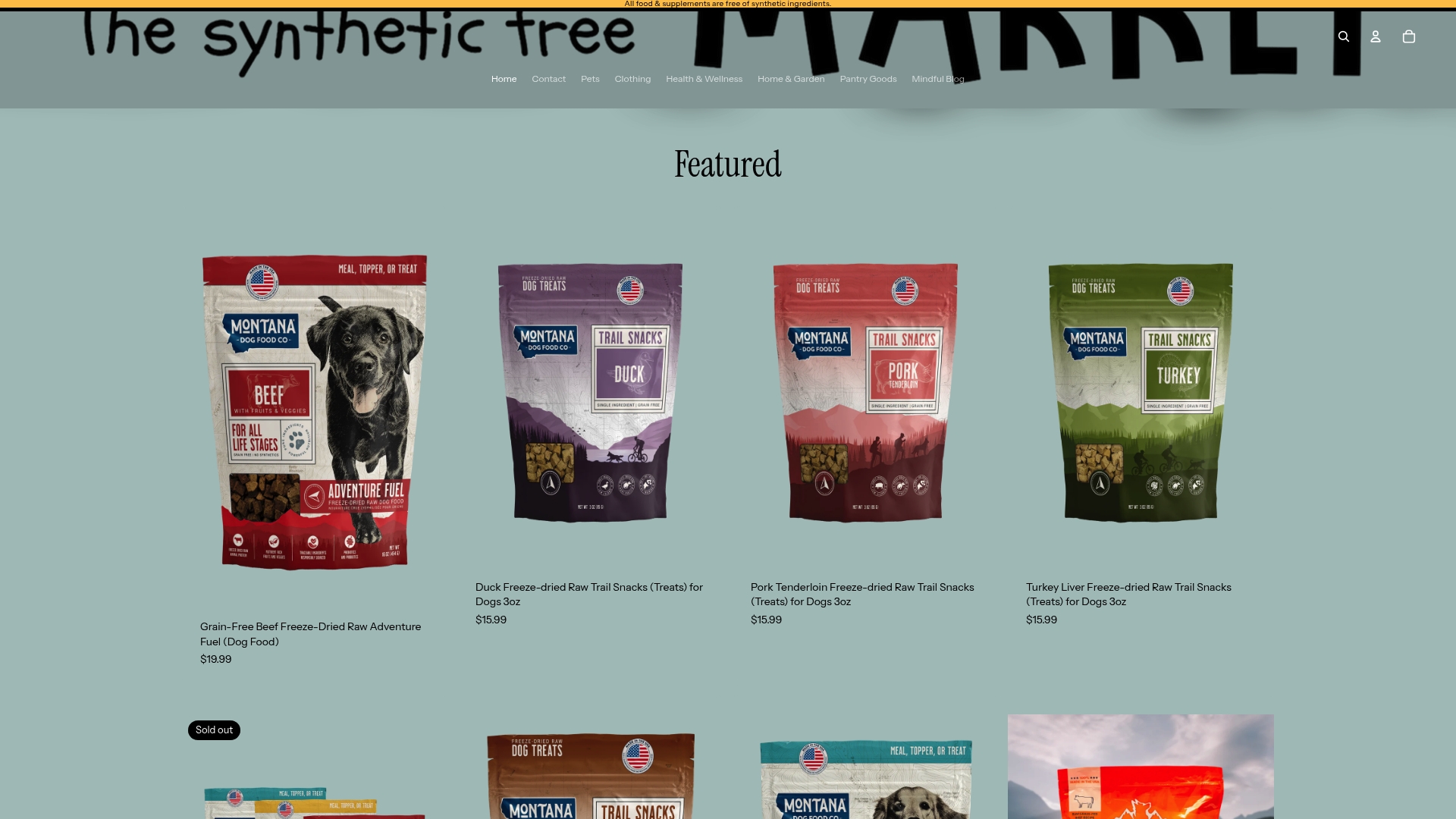
At Mindful Botany Market, the product selection is curated with exactly these criteria in mind. From natural ingredient formats to targeted wellness support, the focus is on options that reflect what you’ve learned in this guide: clean ingredients, honest labeling, and transparent sourcing. For dogs that need more than food alone to support joint health, coat quality, or digestion, the dog supplement chews available on-site are formulated to complement a quality diet without synthetic fillers. Browse the full range to find products that align with your dog’s specific life stage and health needs.
Frequently asked questions
What ingredient should be first on quality dog food labels?
A clearly named protein source, like chicken or beef, should always be the first ingredient in quality dog food. This confirms the formula is protein-based rather than grain or filler-based.
Does price guarantee higher quality in dog food?
Not always. Consumer Reports tested 58 dog foods and found variation in nutrition and safety across both premium and budget brands, confirming that price alone is not a reliable quality indicator.
Why do some “natural” dog foods get recalled?
Even natural-labeled brands can face recalls if contamination like Listeria is detected, as shown in independent product testing. Safety testing and transparent quality controls matter more than the word “natural” on a label.
How important is an AAFCO statement?
An AAFCO statement confirms the food meets baseline nutritional standards for your dog’s life stage. It’s a minimum requirement, not a quality ceiling, so it should be one factor among several.
Are short ingredient lists better for dog food?
Short, simple ingredient lists with recognizable whole foods often signal higher quality and fewer synthetic fillers. A formula that relies on real ingredients generally needs fewer additives to compensate.
Recommended
- Your dog food shopping checklist: Healthier picks made easy – Mindful Botany Market
- Healthy dog food: how to choose the best for your pet – Mindful Botany Market
- Natural pet food benefits for your dog’s health – Mindful Botany Market
- Guide to the healthiest dog food types for canine wellness – Mindful Botany Market