


TL;DR:
- Synthetic dog food additives include preservatives, vitamins, flavor enhancers, and processing aids designed to improve shelf life, palatability, and nutrient content. Regulatory agencies have established safety limits for many of these compounds, and natural alternatives like rosemary extract are increasingly used for health benefits. Reading labels carefully and consulting manufacturers can help owners make informed choices about their dog’s diet and overall wellness.
Common synthetic dog food additives are chemically manufactured ingredients added to commercial pet food to preserve freshness, supply nutrients, and improve palatability. The industry term for this category is “food additives,” regulated under frameworks set by the FDA, AAFCO, and EFSA. Dog owners encounter these substances on nearly every kibble bag, yet few labels explain what each one does or whether it poses any risk. This article covers the most prevalent synthetic additives, their functions, current safety evidence, and what to look for when reading your dog’s food label.
1. common synthetic dog food additives: the main categories
Synthetic dog food additives fall into four primary groups: preservatives, vitamins and minerals, flavor enhancers, and processing aids. Each group serves a distinct function in the final product. Preservatives prevent fat from going rancid. Vitamins and minerals replace nutrients destroyed during high-heat processing. Flavor enhancers make food palatable enough for dogs to eat consistently. Processing aids stabilize texture and moisture. Understanding these categories is the first step toward reading any pet food label with confidence.

2. BHA and BHT: the most debated preservatives
BHA (butylated hydroxyanisole) and BHT (butylated hydroxytoluene) are the two synthetic antioxidant preservatives dog owners see most often. Both prevent oxidation and spoilage of fats and oils in kibble, maintaining shelf life and palatability at concentrations below 200ppm. That level of effectiveness at such a low concentration is why manufacturers continue to use them despite consumer concern.
BHT is currently authorized up to 400mg/kg in pet food as of 2026. BHA carries a similar regulatory clearance profile. Both the FDA and EFSA consider these preservatives safe within regulated limits. The concern among some pet owners stems from older animal studies using doses far above what any commercial food contains. Current scientific consensus holds that the real-world exposure from pet food does not reach harmful thresholds.
Pro Tip: When you see “antioxidants” listed on a dog food label without a chemical name, contact the manufacturer directly and ask whether BHA or BHT is included. Labels are legally permitted to use the functional group name instead of the specific compound.
3. ethoxyquin, propyl gallate, and potassium sorbate
Ethoxyquin is a synthetic antioxidant preservative originally developed as a rubber stabilizer. It prevents fat oxidation in fish meal and other high-fat ingredients. The FDA limits its use in pet food, and while it remains legal, many premium brands have voluntarily removed it in response to owner concerns. Propyl gallate is another antioxidant used alongside BHA and BHT to extend shelf life in fat-rich formulas.
Potassium sorbate and sorbic acid are antimicrobial preservatives that prevent mold and yeast growth, particularly in semi-moist dog foods. Regulatory bodies have set maximum limits for potassium sorbate at 3,400mg/kg and sorbic acid at 2,500mg/kg in pet foods as of 2026. These limits reflect the balance between effective preservation and safe exposure levels for dogs.
One nuance worth knowing: sodium benzoate can form benzene under acidic conditions when combined with vitamin C. This reaction depends on pH and ingredient combinations in the formula. It is a formulation concern, not a guaranteed outcome, but it illustrates why ingredient interactions matter beyond individual additive safety profiles.
4. synthetic vitamins: why they are in every bag of kibble
Synthetic vitamins are not optional extras in commercial dog food. They are legal requirements. Synthetic nutrients compensate for losses caused by industrial processing, particularly the high-heat extrusion used to make kibble. Without supplementation, a finished kibble product would fail to meet AAFCO nutritional profiles. Manufacturers add vitamins in premixed form, often called a “vitamin premix,” to restore what processing destroys.
Common synthetic vitamins in dog food include:
- Vitamin A acetate: A stable synthetic form of vitamin A used because retinol degrades quickly under heat.
- Cholecalciferol (Vitamin D3): Synthesized from lanolin or lichen, added to support calcium absorption and bone health.
- dl-alpha-tocopherol (synthetic Vitamin E): The synthetic form of vitamin E, less bioavailable than its natural counterpart.
- Menadione (Vitamin K3): A synthetic precursor to vitamin K, used in many commercial formulas despite some controversy over its safety at high doses.
Synthetic vitamin E is less bioavailable than natural d-alpha-tocopherol. The trade-off is cost and shelf stability. Synthetic forms are cheaper and more consistent, but dogs absorb a lower percentage of the nutrient. For most healthy dogs eating a complete and balanced diet, this difference does not cause deficiency. For dogs with absorption issues or specific health conditions, the form of vitamin E can matter more.
Pro Tip: Look for “d-alpha-tocopherol” on the label rather than “dl-alpha-tocopherol.” The “d” form is natural and more bioavailable. The “dl” form is synthetic. That single letter difference tells you a lot about the formula’s nutrient sourcing.
5. synthetic minerals and amino acids
Zinc oxide, copper sulfate, ferrous sulfate, and manganese sulfate are the most common synthetic mineral forms in commercial dog food. These inorganic mineral compounds are inexpensive and shelf-stable, but dogs absorb them less efficiently than chelated mineral forms like zinc proteinate or copper amino acid chelate. Chelated minerals are bound to amino acids, which improves absorption through the intestinal wall.
Taurine and methionine are the two synthetic amino acids most frequently added to dog food. Taurine supports heart function and is particularly important in grain-free diets, where the DCM (dilated cardiomyopathy) link has raised questions about taurine bioavailability from certain protein sources. Methionine is an essential sulfur-containing amino acid added to meet minimum protein quality standards. Both are synthesized industrially and added in precise amounts to meet AAFCO and FEDIAF nutritional requirements.
Therapeutic and specialty diets rely heavily on synthetic nutrient precision. A dog with kidney disease needs a diet with controlled phosphorus and protein levels. A dog with hypothyroidism may need iodine supplementation at a specific dose. Natural food sources cannot deliver that level of consistency. In these cases, synthetic nutrients are essential corrections that make medical nutrition possible.
6. synthetic flavors, colors, and processing aids
Synthetic flavors in dog food are typically hydrolyzed proteins or chemically derived compounds that mimic the taste of meat, poultry, or broth. Dogs have fewer taste receptors than humans, but they have a highly developed sense of smell. Synthetic flavor compounds target olfactory appeal as much as taste. Without them, many kibble formulas would be rejected by dogs accustomed to more palatable options.
Synthetic colors are less common in dog food than in human food, but they do appear. Iron oxides produce red and brown tones. Coal tar derivatives like FD&C Red 40 and Yellow 5 appear in some semi-moist products and treats. These colors serve no nutritional purpose. They exist to make food look more appealing to the owner, not the dog. Dogs are dichromats and cannot distinguish the color range that makes a red kibble look “meaty” to a human.
Processing aids include gums like xanthan gum and carrageenan, which stabilize moisture and texture in wet and semi-moist foods. Carrageenan has attracted scrutiny in human food research for potential gut inflammation effects, though the evidence in dogs is limited. Xanthan gum is generally considered safe at the levels used in pet food.
Pro Tip: Ingredient lists group additives under functional names like “natural and artificial flavors” or “color added.” If you want specifics, the manufacturer’s customer service line or a third-party ingredient analyzer like the one at Watt’s Pet can identify the actual compounds.
7. synthetic vs. natural additives: a direct comparison
The choice between synthetic and natural additives involves real trade-offs. Synthetic pet food ingredients offer more consistency, purity, and stability compared to natural plant sources, which vary seasonally and by growing region. A synthetic vitamin premix delivers the same nutrient dose in every batch. A natural herb extract does not.
| Factor | Synthetic Additives | Natural Additives |
|---|---|---|
| Consistency | High, batch-to-batch uniform | Variable by season and source |
| Bioavailability | Often lower (e.g., dl-tocopherol) | Often higher (e.g., d-tocopherol) |
| Cost | Lower | Higher |
| Shelf stability | High | Lower, may require refrigeration |
| Regulatory clarity | Well-defined limits | Less standardized |
| Consumer perception | Often negative | Generally positive |
Natural antioxidants like rosemary extract and green tea extract are the most common synthetic preservative replacements in premium dog food. Clinical trials in 2021 showed that natural antioxidants like rosemary and green tea effectively reduced dog pruritus with no adverse effects. That finding supports their use beyond simple preservation, suggesting functional health benefits that synthetic alternatives do not provide.
The practical advice for dog owners is straightforward. If your dog is healthy and thriving on a food that contains regulated synthetic additives, there is no evidence-based reason to switch. If your dog has chronic skin issues, digestive sensitivity, or a known reaction to specific compounds, a synthetic-free dog food may be worth exploring with your veterinarian. The goal is a complete and balanced diet, not a label free of all chemical-sounding names.
8. precision fermentation: the newest synthetic protein source
Precision fermentation represents a genuinely new category of synthetic pet food ingredient. The FDA cleared Lamb Protein Yeast via precision fermentation for inclusion in dog food at up to 15% of the diet. Hill’s Pet Nutrition and Bond Pet Foods received this FDA No Objection Letter, marking the first animal protein produced this way to receive regulatory clearance for pet food. Precision fermentation uses microorganisms to produce specific proteins with a consistent amino acid profile, no slaughter required, and no seasonal variability.
This development matters because it signals where synthetic pet food ingredients are heading. The next generation of additives will not just preserve or supplement. They will replace conventional protein sources entirely. For dog owners concerned about ingredient sourcing, this creates a new set of questions about transparency and labeling that the industry has not yet fully addressed.
Key takeaways
Synthetic dog food additives are regulated, functional ingredients, and understanding each category helps you make better decisions for your dog’s diet.
| Point | Details |
|---|---|
| Preservatives are regulated | BHA, BHT, and potassium sorbate have defined maximum limits set by FDA and EFSA. |
| Synthetic vitamins are required | High-heat processing destroys nutrients, making synthetic supplementation a legal necessity for AAFCO compliance. |
| Bioavailability varies | Synthetic vitamin E (dl-alpha-tocopherol) is less bioavailable than the natural d-alpha-tocopherol form. |
| Labels obscure specifics | Additives often appear as “antioxidants” or “flavors,” not by chemical name. Contact manufacturers for details. |
| Natural alternatives exist | Rosemary and green tea extracts replace some synthetic preservatives with added health benefits in clinical evidence. |
Reading dog food labels without the anxiety
I have spent years reviewing pet food formulations and talking with dog owners who are genuinely confused by ingredient lists. The most common mistake I see is treating every chemical-sounding name as a red flag. Zinc sulfate is not a toxin. It is a mineral your dog needs to survive. The fear of synthetic additives often outpaces the actual evidence of harm.
That said, I do think the language of pet food labeling is a real problem. When a label says “antioxidants” without naming the compound, that is not transparency. It is a gap that regulators have allowed to persist. I always recommend calling the manufacturer and asking specifically which preservatives are used. Most reputable brands will tell you.
The precision fermentation approval from the FDA is the development I find most interesting right now. It changes the definition of “synthetic” in a way the industry has not fully reckoned with. A protein produced by a yeast microorganism is not the same as a chemical preservative, but it will face the same consumer skepticism. Dog owners deserve clear information about what is new, not just what is familiar.
My practical advice: focus on whether your dog is healthy, maintaining a good weight, and has consistent digestion and coat quality. Those outcomes matter more than whether the vitamin E on the label is synthetic or natural. If something is off, work with your vet and look at the full diet picture, including natural nutrient sources that might complement or replace certain synthetic inputs.
— Ashley
Support your dog’s wellness beyond the food bowl
Understanding what goes into your dog’s food is one part of the picture. Supporting their overall health between meals is another.
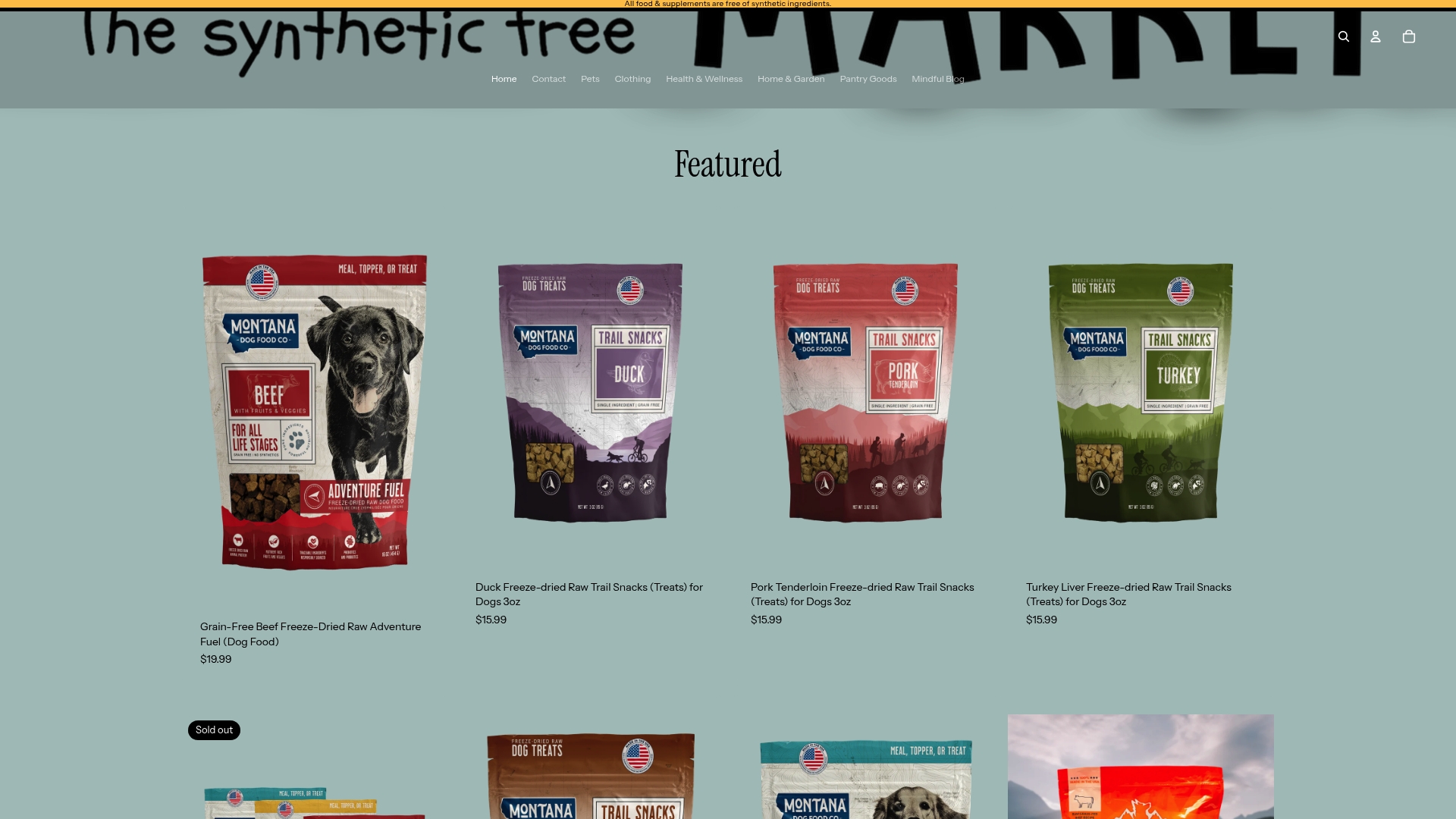
Mindfulbotany carries soft chew dog supplements formulated to support digestion and daily wellness, a practical complement for dogs on any diet, including those transitioning away from additive-heavy foods. For grooming and skin support, the Tropiclean Papaya and Coconut Pet Cleaning Wipes offer a quick, gentle option between baths. Mindfulbotany’s pet wellness catalog is built around the same principle as this article: clear product information, no unnecessary additives, and practical support for your dog’s health.
FAQ
What are the most common synthetic preservatives in dog food?
BHA, BHT, ethoxyquin, propyl gallate, potassium sorbate, and sorbic acid are the most frequently used synthetic preservatives in commercial dog food. Each prevents fat oxidation or microbial growth to extend shelf life.
Are synthetic additives safe for dogs?
Current regulatory guidance from the FDA and EFSA deems synthetic preservatives like BHA and BHT safe at the low concentrations used in pet food. Safety concerns typically arise from studies using doses far above real-world exposure levels.
Why do dog foods contain synthetic vitamins?
High-heat extrusion destroys naturally occurring vitamins in raw ingredients. Synthetic vitamins are added in premix form to restore nutritional content and meet AAFCO minimum requirements for a complete and balanced diet.
How can i identify synthetic additives on a dog food label?
Labels often list additives by functional group names like “antioxidants” or “artificial flavors” rather than specific chemical names. Contact the manufacturer directly or use a third-party ingredient analyzer to identify the exact compounds used.
Is synthetic vitamin e worse than natural vitamin e for dogs?
Synthetic dl-alpha-tocopherol is less bioavailable than natural d-alpha-tocopherol. For most healthy dogs, this difference does not cause deficiency, but dogs with absorption issues or specific health conditions may benefit from the natural form.
Recommended
- The Full List of Artificial Ingredients in Dog Food – Mindful Botany Market
- How to Transition Dogs to Synthetic-Free Food Safely – Mindful Botany Market
- Top types of synthetic-free dog food for healthier pets – Mindful Botany Market
- How to mix supplements with dog food naturally – Mindful Botany Market
0 comments