


TL;DR:
- Switching your dog to synthetic-free, whole-food diets involves gradually replacing artificial ingredients with nutrient-rich ingredients like organs, bones, and fresh proteins. Reading labels carefully for AAFCO compliance and synthetic vitamin additives is essential to ensure a balanced, nutrient-dense transition. A slow, step-by-step process over 7 to 10 days minimizes digestive upset and promotes optimal health improvements.
Transitioning your dog to synthetic-free food means replacing diets built on artificial additives and synthetic vitamin premixes with whole-food-based nutrition that delivers nutrients directly from ingredients like organs, bones, kelp, and fresh proteins. The industry term for this approach is “whole-food nutrition,” and it covers formats including freeze-dried, raw, gently cooked, and limited-ingredient diets. Dog owners making this switch report improvements in coat condition, digestion, and energy. The process requires a gradual change to protect your dog’s gut microbiome and prevent digestive upset. This guide covers how to read labels, choose the right format, execute the transition step by step, and troubleshoot problems along the way.
How to transition dogs to synthetic-free food: reading labels first
Reading the label correctly is the first skill you need before switching dogs to natural food. The ingredient list and nutritional adequacy statement tell you more than any front-of-bag claim.

The nutritional adequacy statement is the single most important line on any dog food package. It confirms whether the food is complete and balanced for your dog’s life stage according to AAFCO (Association of American Feed Control Officials) standards. A food labeled “natural” or “organic” is not automatically balanced. You must verify AAFCO compliance separately.
Spotting synthetic vitamin premixes requires scanning the ingredient list for terms like “vitamin E supplement,” “zinc sulfate,” “ferrous sulfate,” “niacin supplement,” and “pyridoxine hydrochloride.” These are synthetic isolates added to compensate for nutrients lost during high-temperature processing. A genuinely synthetic-free diet sources these nutrients from whole ingredients instead.
Product naming conventions directly indicate ingredient percentages:
- A product named “Beef Dog Food” must contain at least 95% beef by weight
- A “Beef Dinner” or “Beef Formula” requires only 25% beef
- “With Beef” requires a minimum of just 3% beef
This matters because a “Beef Dinner” can contain 72% grain fillers and still legally carry beef as the primary name. The naming convention is a reliable shortcut for gauging actual protein content.
Common synthetic ingredients to avoid on labels include BHA, BHT, ethoxyquin, propylene glycol, artificial colors (Red 40, Yellow 5), and carrageenan. The full list of artificial ingredients in dog food is longer than most owners expect.
| Label Term | Minimum Ingredient % | What It Means |
|---|---|---|
| “[Meat] Dog Food” | 95% | Mostly that protein source |
| “[Meat] Dinner/Formula” | 25% | Significant filler content likely |
| “With [Meat]” | 3% | Minimal protein from named source |
| “Natural” claim | No legal minimum | Does not guarantee synthetic-free |
Pro Tip: Request the manufacturer’s “typical analysis” directly. The guaranteed analysis on the bag shows minimum and maximum values only. The typical analysis gives you actual nutrient levels, which reveals whether the food relies on synthetic fortification or whole-food sources.
What types of synthetic-free dog food are available?
Synthetic-free dog food formats vary significantly in moisture content, processing method, and nutrient delivery. Understanding the differences helps you choose the right starting point for your dog’s healthy food transition.
Freeze-dried raw diets retain approximately 90 to 97% of nutrient content by removing moisture at low temperatures without heat. They avoid fillers like potatoes and peas, and they rehydrate easily with water or broth. Brands like Simple Food Project use this format to deliver organ meats, muscle meat, and bone in a shelf-stable product.
Raw diets (fresh or frozen) provide the highest bioavailability of nutrients and the most natural moisture content. Dogs on raw diets often drink less water because their food supplies hydration directly. This is a normal physiological adjustment, not a sign of dehydration.
Gently cooked diets use low-temperature cooking to preserve enzymes and nutrients while eliminating pathogens. They suit dogs with compromised immune systems or owners uncomfortable with raw feeding.
Limited-ingredient diets (LID) use a single protein source and minimal additional ingredients. They are particularly useful for dogs with food sensitivities or allergies, since isolating one protein makes it easier to identify triggers.
Whole-food-based kibble does exist, though it is rare. Look for products that list whole organ meats, vegetables, and seeds as primary ingredients without synthetic vitamin packs at the end of the ingredient list. The types of synthetic-free dog food available today span a wider range than most owners realize.
Step-by-step guide to switching your dog to natural food
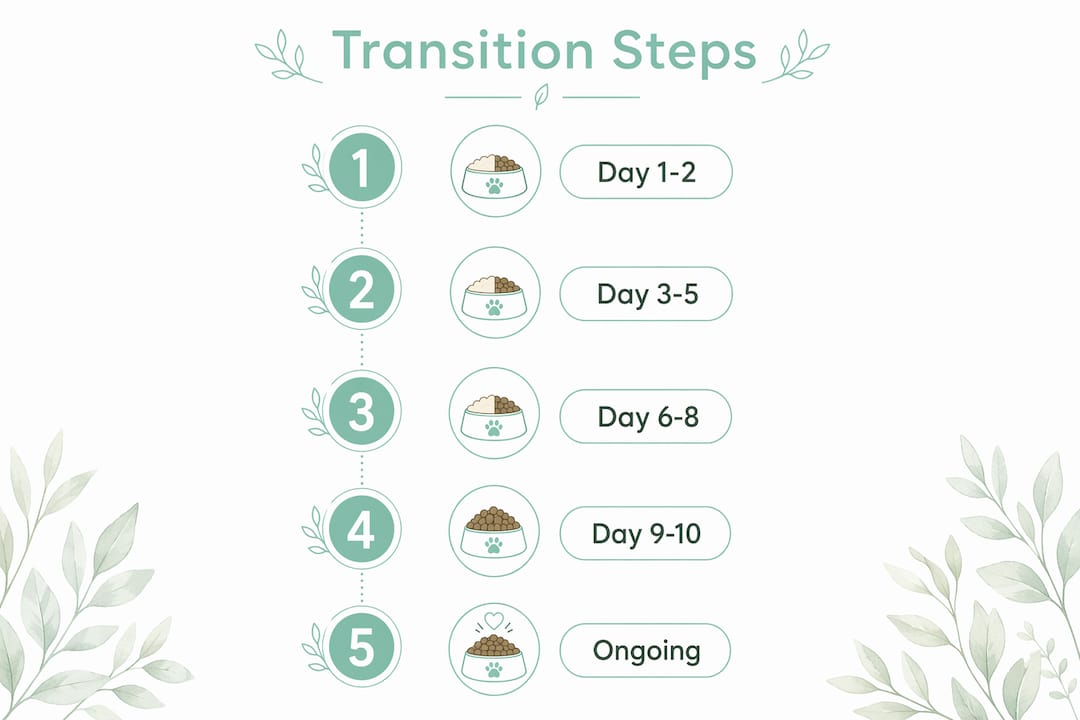
Most dogs need 7 to 10 days of gradual diet change to avoid gastrointestinal upset. Rushing this process is the most common owner mistake, and it creates both digestive problems and behavioral food aversion.
Follow this daily mixing schedule:
- Days 1 to 2: 75% old food, 25% new food. Place new food at the bottom of the bowl with old food on top. Familiar smells reduce resistance in picky eaters.
- Days 3 to 4: 50% old food, 50% new food. Monitor stool consistency. Firm, well-formed stools indicate the gut is adjusting well.
- Days 5 to 6: 25% old food, 75% new food. Watch for any increase in gas, loose stool, or reduced appetite.
- Days 7 to 10: 100% new food. Maintain the same feeding schedule and portion size.
| Day Range | Old Food % | New Food % | What to Monitor |
|---|---|---|---|
| Days 1 to 2 | 75% | 25% | Initial acceptance, no vomiting |
| Days 3 to 4 | 50% | 50% | Stool consistency, energy level |
| Days 5 to 6 | 25% | 75% | Appetite, gas, loose stool |
| Days 7 to 10 | 0% | 100% | Full acceptance, coat, behavior |
For sensitive dogs, extend each phase by two to three days. A 14-day transition is entirely appropriate for dogs with a history of GI issues or food allergies. Using a novel protein source during the switch, such as venison or duck if your dog has only eaten chicken or beef, reduces the risk of allergic reactions and GI sensitivity.
Pro Tip: Add a small amount of warm, low-sodium bone broth to rehydrate freeze-dried food during the first week. The aroma increases palatability significantly, especially for dogs accustomed to heavily processed kibble.
For a detailed walkthrough of raw-specific transitions, the raw feeding guide at Mindfulbotany covers protein rotation and portion calibration.
Common challenges when transitioning pets to an organic or natural diet
Sudden diet changes cause digestive upset and a condition called learned food aversion, where a dog associates GI discomfort with the new food and refuses it long-term. Avoiding this outcome is why the gradual schedule above is non-negotiable.
Watch for these signs that the transition is moving too fast:
- Loose stool or diarrhea lasting more than two days
- Vomiting after meals
- Complete refusal to eat for more than 24 hours
- Lethargy or behavioral changes
If any of these appear, drop back to the previous ratio for three to four days before advancing again. Owners who rush transitions consistently report more setbacks than those who extend the timeline. Picky eaters especially benefit from incremental increases of 10% rather than the standard 25% jumps.
“Veterinary nutritionists emphasize careful monitoring of stool, appetite, and energy to detect nutritional imbalances early when transitioning diets. Consulting a vet ensures individualized feeding adjustments.” — VCA Animal Hospitals
Contact your veterinarian if diarrhea persists beyond 48 hours, if your dog loses more than 5% of body weight, or if you notice blood in the stool. These are not normal transition symptoms. An intermediate diet using a single novel protein in a gently cooked format can serve as a bridge for dogs with severe sensitivities before moving to fully synthetic-free options.
Optimizing your dog’s nutrition after the transition
The transition is complete, but the work of maintaining balanced nutrition without synthetic fortification is ongoing. Transitioning impacts the entire gut microbiome, with changes in stool size, coat sheen, and energy typically visible within two to four weeks.
The key health indicators to track after switching are:
- Coat condition: A shiny, low-shedding coat indicates adequate omega-3 and omega-6 fatty acids from sources like salmon, sardines, or flaxseed.
- Stool quality: Smaller, firmer stools are normal on whole-food diets. Large, loose stools suggest excess fiber or poor protein digestibility.
- Energy and behavior: Stable energy throughout the day, without post-meal lethargy, signals good macronutrient balance.
- Body weight: Monitor monthly. Whole-food diets are calorie-dense, and portion sizes often need adjusting downward from kibble amounts.
A natural diet must balance macro and micronutrients, not just protein sources, to avoid unintended deficiencies. Calcium-to-phosphorus ratio is the most commonly overlooked gap in home-prepared synthetic-free diets. Bone meal, ground eggshell, or raw meaty bones address this when included correctly.
Supplements may still be necessary for specific dogs. Senior dogs, pregnant dogs, and breeds with known metabolic conditions often need targeted support even on high-quality whole-food diets. The essential nutrients guide at Mindfulbotany details which whole-food ingredients cover each micronutrient category. Schedule a veterinary check-up at the 30-day and 90-day marks to confirm bloodwork and weight remain stable.
Key takeaways
A successful transition to synthetic-free dog food depends on gradual diet changes, accurate label reading, and consistent monitoring of your dog’s health indicators throughout the process.
| Point | Details |
|---|---|
| Read labels before buying | Check for AAFCO compliance and scan for synthetic vitamin premixes in the ingredient list. |
| Use a 7 to 10 day schedule | Increase new food by 25% every two days to protect gut health and prevent food aversion. |
| Monitor three key indicators | Track stool quality, coat condition, and energy to catch nutritional gaps early. |
| Extend for sensitive dogs | Picky or GI-sensitive dogs benefit from 14-day transitions with 10% incremental increases. |
| Verify balance, not just ingredients | Whole-food diets still require correct calcium-to-phosphorus ratios and micronutrient coverage. |
What I’ve learned from watching dogs make this switch
The biggest mistake I see owners make is treating “natural” as a synonym for “complete.” A food can be free of every synthetic additive on the market and still leave your dog deficient in calcium, iodine, or vitamin D if the formulation is off. The label reading skills in this article are not optional extras. They are the foundation of the entire process.
What actually works, in my observation, is patience combined with specificity. Owners who pick one format (freeze-dried, raw, or gently cooked), learn that format thoroughly, and execute a slow transition consistently get better results than those who rotate between formats during the switch. Changing too many variables at once makes it impossible to identify what caused a problem if one arises.
The health improvements are real and measurable. Coat changes are usually the first visible sign, appearing within two to three weeks. Reduced stool volume follows, which reflects better protein digestibility. Energy stabilization takes longer, often four to six weeks, because the gut microbiome needs time to fully adapt.
My honest recommendation: partner with a veterinarian who has experience in canine nutrition, not just one who tolerates the idea. The difference in guidance quality is significant. And if your dog resists the new food entirely, do not force it. Slow down, try a different protein source, and let the dog’s appetite guide the pace.
— Ashley
Support your dog’s transition with the right products
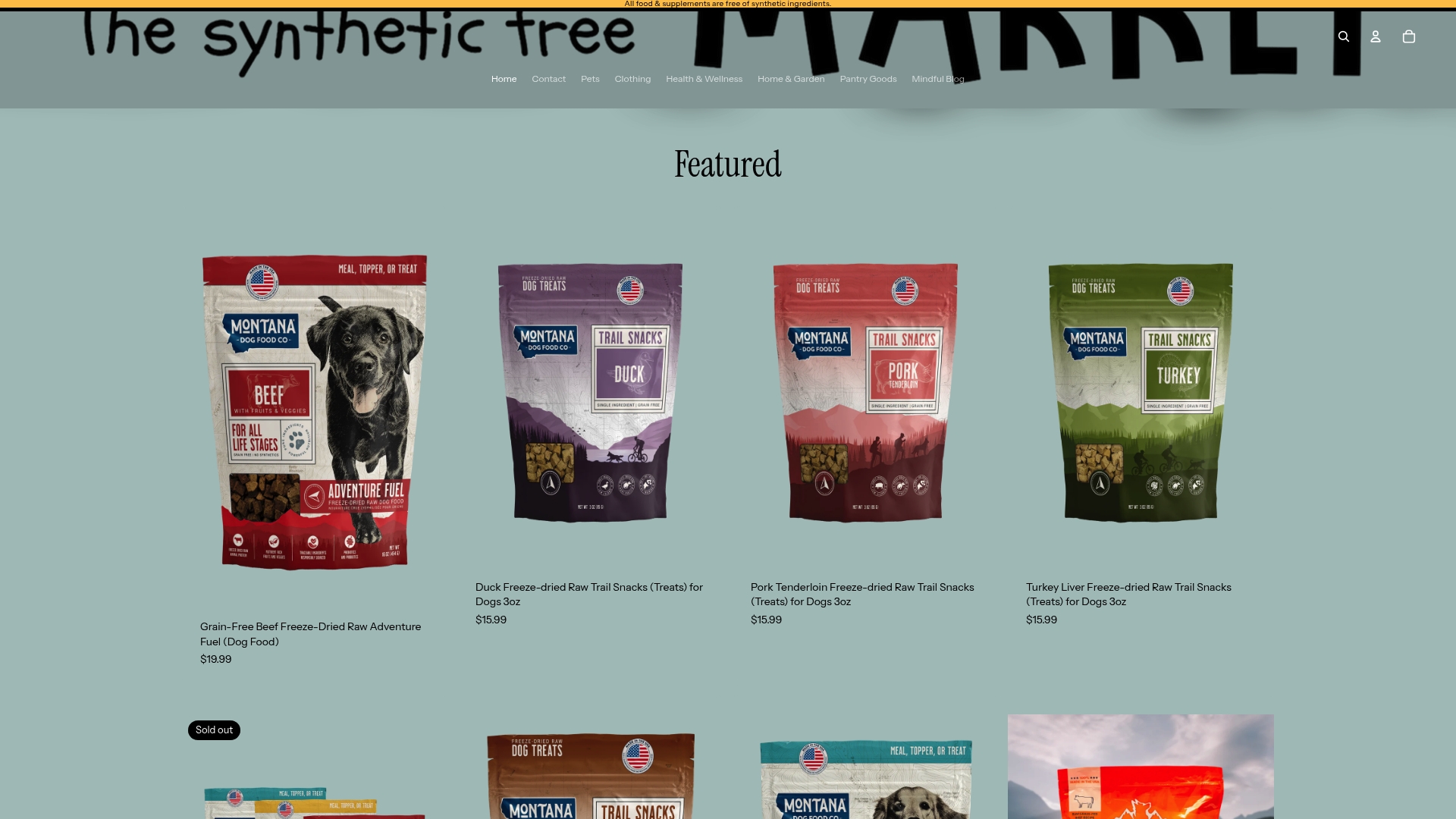
Mindfulbotany carries a curated selection of freeze-dried and whole-food dog food options designed specifically for owners making the switch away from synthetic-heavy diets. Every product in the catalog is selected for ingredient transparency and AAFCO compliance. For dogs that need additional nutritional support during or after the transition, the soft chew dog supplements at Mindfulbotany provide targeted micronutrient coverage without synthetic fillers. Dogs with skin sensitivity during the diet change may also benefit from the TropiClean OxyMed Oatmeal Treatment Shampoo, which supports coat and skin health externally while the diet adjusts internally.
FAQ
What does synthetic-free dog food actually mean?
Synthetic-free dog food delivers all nutrients through whole-food ingredients like organ meats, bones, and kelp rather than synthetic vitamin or mineral powders added at the end of processing. It excludes artificial preservatives, colors, and flavor enhancers.
How long does a healthy dog food transition take?
Most dogs require 7 to 10 days of gradual mixing, increasing the new food by roughly 25% every two days. Dogs with sensitive stomachs or food allergies benefit from a 14-day schedule with smaller 10% increments.
How do I read dog food labels to find synthetic-free options?
Check the ingredient list for synthetic vitamin supplements like “zinc sulfate” or “pyridoxine hydrochloride,” and verify the nutritional adequacy statement confirms AAFCO compliance. A product labeled “natural” is not automatically free of synthetic additives.
What are the dangers of synthetic dog food ingredients?
Synthetic preservatives like BHA and BHT are linked to oxidative stress in long-term studies, while artificial colors like Red 40 have no nutritional value and serve only aesthetic purposes. Synthetic vitamin premixes also indicate that the base ingredients lack sufficient natural nutrient density.
Can I switch my dog to raw or freeze-dried food directly?
A direct switch without a gradual transition risks digestive upset and learned food aversion, where your dog refuses the new food long-term. Start with 25% new food mixed into 75% of the current diet and increase every two days.
Recommended
- Top types of synthetic-free dog food for healthier pets – Mindful Botany Market
- Step-by-step raw feeding for dogs: A complete how-to – Mindful Botany Market
- Guide to safe ingredients for dogs: natural homemade recipes – Mindful Botany Market
- How to mix supplements with dog food naturally – Mindful Botany Market
0 comments