


TL;DR:
- Many artificial ingredients in dog food focus on cosmetic or palatability purposes rather than nutritional benefits, posing health concerns over time. Choosing foods with natural preservatives, clear sourcing, and rotating diets can help reduce artificial additive exposure and promote your dog’s wellbeing. Industry improvements and consumer awareness encourage cleaner formulations, making informed choices essential for your pet’s health.
Flipping over a bag of dog food and staring at a wall of unpronounceable ingredients is a familiar frustration for most dog owners. The list of artificial ingredients in dog food is longer than most people realize, and many of these additives serve cosmetic or palatability purposes rather than any nutritional benefit. Knowing what you’re looking at, and what it may mean for your dog’s health, puts you in a much better position to compare products and choose food that genuinely supports your dog’s wellbeing.
Table of Contents
- Key takeaways
- What qualifies as an artificial ingredient in dog food
- 1. BHA (butylated hydroxyanisole)
- 2. BHT (butylated hydroxytoluene)
- 3. Ethoxyquin
- 4. Propyl gallate
- 5. Artificial colors (Red 40, Yellow 5, Blue 2)
- 6. Artificial flavors and animal digest
- 7. Monosodium glutamate (MSG)
- 8. Carrageenan
- 9. Guar gum and xanthan gum
- 10. Propylene glycol
- 11. Synthetic vitamins and minerals
- 12. Processing contaminants: acrylamide and heavy metals
- How to choose dog food with fewer artificial ingredients
- My take on navigating artificial additives in dog food
- Support your dog’s nutrition with cleaner choices
- FAQ
Key takeaways
| Point | Details |
|---|---|
| Many additives are cosmetic | Artificial additives primarily serve visual or flavor functions, not nutritional ones. |
| Dry kibble carries higher risk | Dry dog food contains significantly more processing contaminants than fresh or frozen alternatives. |
| Labels hide complexity | Ingredients like “animal digest” or “natural flavor” can mask dozens of synthetic compounds. |
| Third-party testing matters | Regulatory minimums don’t guarantee safety; brands with independent audits offer stronger assurance. |
| Diet rotation helps | Rotating food types and adding fresh toppers reduces cumulative exposure to any single additive or contaminant. |
What qualifies as an artificial ingredient in dog food
Before working through a full list, it helps to have a clear definition. An artificial ingredient is any additive that is synthesized chemically rather than derived directly from whole food sources. This includes preservatives, synthetic colorants, artificial flavors, flavor enhancers, texture modifiers, and emulsifiers.
On a dog food label, these often appear under names that sound either clinical or vague. You might see “BHA,” “caramel color,” “sodium hexametaphosphate,” or simply “artificial flavor” with no further explanation. AAFCO (the Association of American Feed Control Officials) and the FDA set allowable limits for many of these substances, but neither agency mandates pre-market safety testing specific to long-term pet exposure. Regulatory floors exist, but they don’t represent a guarantee of optimal safety.
Natural equivalents do exist for most of these categories. Vitamin E (tocopherols) preserves fat naturally instead of BHA. Beet powder provides color instead of Red 40. Rosemary extract functions as an antioxidant without synthetic chemistry. The gap between natural and synthetic versions is meaningful, both in how the body processes them and in what else they may carry along.
Pro Tip: When reading a dog food label, scan the final third of the ingredient list. That’s where most preservatives, colorants, and synthetic additives appear, often after the main protein and carbohydrate sources.
1. BHA (butylated hydroxyanisole)
BHA is a synthetic antioxidant used to prevent fats from going rancid. It extends shelf life, which benefits manufacturers and retailers. The concern is that BHA and BHT have raised consumer concerns over carcinogenicity and potential liver and kidney injury, even though regulatory agencies consider them safe at allowable doses. BHA is listed as a possible human carcinogen by the National Toxicology Program. For dogs eating the same kibble every day for years, cumulative exposure is worth factoring in.
2. BHT (butylated hydroxytoluene)
BHT is chemically similar to BHA and used for the same purpose. It appears frequently in dry kibble and pet treats. Like BHA, it is permitted by the FDA at low concentrations, but some studies have linked high doses to liver toxicity in animals. The risk profile at typical dietary levels remains debated, but it’s a straightforward item to avoid when cleaner alternatives are available on the shelf.
3. Ethoxyquin
Ethoxyquin was originally developed as a pesticide and rubber stabilizer. It has been used as a preservative in fish meal, which means it can appear in dog food even when it’s not listed directly on the label, because it was added to an ingredient before that ingredient entered the food. The FDA has received more adverse event reports connected to ethoxyquin than any other dog food additive. While it remains technically permitted, many reputable brands have voluntarily removed it.
4. Propyl gallate
Propyl gallate is another synthetic preservative used to stabilize fats and oils. It often appears alongside BHA and BHT because the combination is more effective than any single preservative alone. Some research points to endocrine-disrupting potential at higher doses. In dog food, it’s relatively uncommon but worth noting when you see it on a label.
5. Artificial colors (Red 40, Yellow 5, Blue 2)
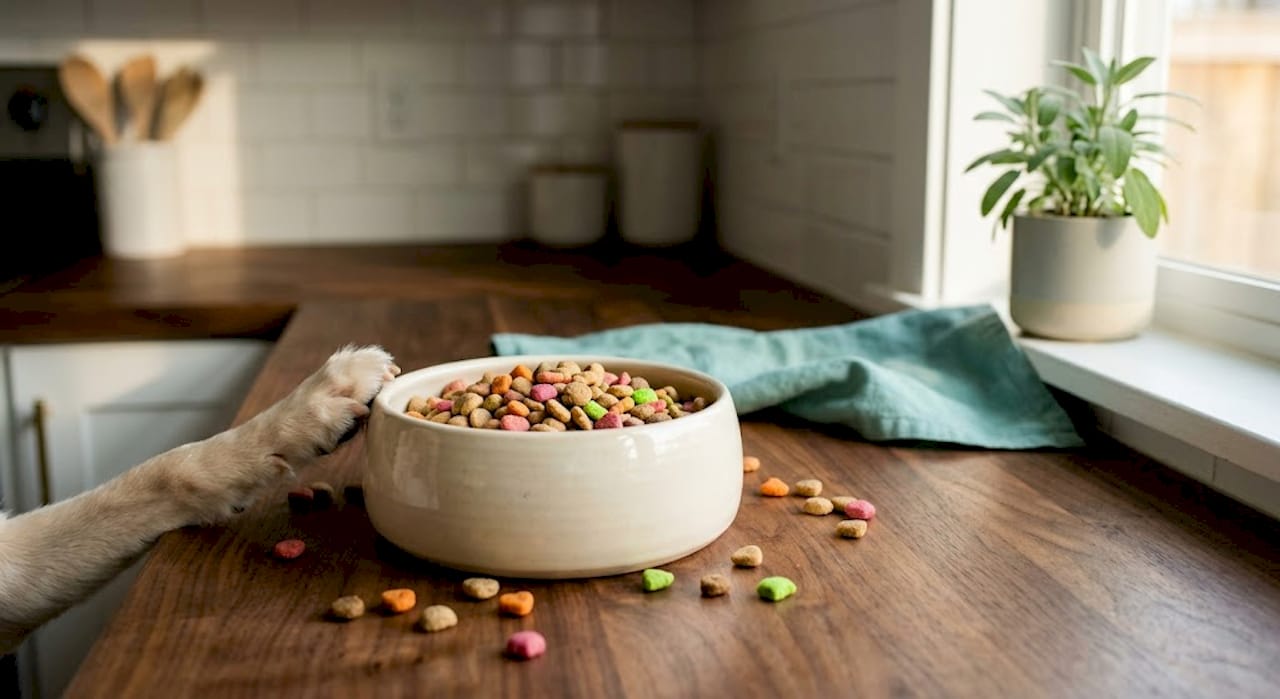
Synthetic dyes serve no nutritional purpose in dog food whatsoever. Dogs don’t evaluate their food by color. These dyes exist to make the product look more appealing to the human buying it. Additives like colors and flavors disguise undesirable sensory aspects of low-quality ingredients. Red 40, Yellow 5, and Blue 2 are all petroleum-derived compounds, and several have been associated with hypersensitivity reactions in sensitive animals.
6. Artificial flavors and animal digest
“Artificial flavor” on a label can legally represent a blend of dozens of synthetic compounds. More specific but equally concerning is “animal digest,” which is enzymatically processed tissue from unspecified animal sources. Animal digests used as flavor enhancers may carry residues of drugs administered to source animals before death. They are added in low concentrations, typically at 1 to 5 percent sprayed directly onto kibble, specifically to make the food more palatable and encourage consistent consumption.
7. Monosodium glutamate (MSG)
MSG appears in some dog foods as a flavor enhancer, though it’s less common than in human food. It amplifies savory taste signals and can make lower-quality protein sources more appealing to dogs. Some dogs show sensitivity to glutamate-based compounds, including gastrointestinal upset or increased thirst. It’s worth noting when present, especially in foods already loaded with sodium.
8. Carrageenan
Carrageenan is derived from red seaweed, which makes it sound natural. Technically it is, though its processed form behaves differently in the body than whole seaweed. Carrageenan has been linked experimentally to intestinal inflammation, and concerns about its use in wet and canned pet foods have grown steadily. It functions as a thickener and stabilizer, improving the texture of pâtés and gravies. If your dog has a history of digestive sensitivity, carrageenan is one of the first ingredients to check.
Here’s a quick comparison of common texture modifiers found in commercial dog food:
| Ingredient | Function | Concern level |
|---|---|---|
| Carrageenan | Thickener, stabilizer | Moderate. Linked to intestinal inflammation. |
| Guar gum | Thickener | Low to moderate. May impair protein digestion in seniors. |
| Xanthan gum | Emulsifier, stabilizer | Generally considered low risk at typical levels. |
| Sodium hexametaphosphate | Dental tartar control | Low, but synthetic processing origin. |
9. Guar gum and xanthan gum
Both guar gum and xanthan gum appear frequently in canned and wet dog foods. They improve texture, prevent ingredient separation, and create a more uniform product. Guar gum may impair protein digestibility, particularly in senior dogs. Xanthan gum is generally considered lower risk, though some dogs show sensitivity to fermentation-derived compounds. Neither provides nutritional value.
10. Propylene glycol
Propylene glycol is a humectant used to retain moisture in semi-moist foods and treats. It extends shelf life and maintains soft texture. It has already been restricted for use in cat food due to toxicity concerns. In dogs, it’s still permitted, but at higher doses it can interfere with red blood cell function. Propylene glycol in semi-moist pet foods has a documented safety history that should give cautious owners pause when better-formulated alternatives exist.
11. Synthetic vitamins and minerals
This one surprises most people. The vitamin and mineral premixes added to nearly all commercial dog foods are synthetic. They’re added at the end of processing to replace nutrients destroyed by heat. Synthetic vitamins and minerals often lack the cofactors and enzyme complexes found in whole food sources, which reduces their bioavailability compared to nutrients from real ingredients. This doesn’t make them harmful, but it does mean the nutritional value on the label may overstate what your dog actually absorbs.
12. Processing contaminants: acrylamide and heavy metals
This category doesn’t appear on any ingredient list, which is exactly the problem. Acrylamide forms at temperatures above 248°F and is created during the high-heat extrusion process used to make dry kibble. Dry dog food has been found to contain acrylamide levels 24 times higher than fresh or frozen alternatives. Lead and mercury levels in dry kibble run approximately 21 times higher than in fresh food options. Heavy metals like lead accumulate in dogs over time, posing neurotoxicity and kidney damage risks. These are present even in foods with clean-looking ingredient lists.
Pro Tip: Look for dog food brands that publish batch-level heavy metal and contaminant testing results. This goes beyond what AAFCO requires and signals a brand taking dog food ingredient safety seriously.
How to choose dog food with fewer artificial ingredients
Reducing your dog’s exposure to artificial additives starts with label literacy and a few practical habits.
- Choose foods where a named meat source (chicken, beef, salmon) appears as the first ingredient, not “meat meal” or “animal by-product”
- Avoid any product listing BHA, BHT, ethoxyquin, propyl gallate, or artificial colors
- Look for foods preserved with mixed tocopherols or rosemary extract rather than synthetic antioxidants
- Prioritize brands that publish third-party testing results and disclose sourcing origins
- Consider adding fresh food toppers or rotating between food types. Diet rotation with fresh or gently cooked foods reduces reliance on any single additive source
- Review Mindfulbotany’s guide to synthetic-free dog food options for brands that consistently meet higher ingredient standards
The natural vs artificial dog food distinction isn’t just marketing. It reflects genuine differences in ingredient origin, processing, and how those compounds interact with your dog’s digestive system over time. Healthy pet habits extend beyond food alone, but what goes in the bowl daily is the single biggest lever you control.
My take on navigating artificial additives in dog food
I’ll be honest: completely eliminating every artificial ingredient from a dog’s diet is not realistic for most households. Commercial dog food exists on a spectrum, and even well-intentioned labels can hide complexity in vague terms like “natural flavor.”
What I’ve found actually works is prioritizing the high-risk additives, specifically BHA, BHT, ethoxyquin, and synthetic dyes, and treating everything else as a lower-priority concern. Spending energy avoiding carrageenan while feeding a kibble preserved with BHA is working on the wrong problem first.
The rotation approach changed how I think about dog food entirely. No single food, no matter how good, should be the only thing a dog eats for ten years. Adding fresh food components even a few times a week dilutes cumulative additive exposure and introduces bioavailable nutrients that synthetic premixes simply can’t replicate.
The industry is improving. More brands are pulling BHA and ethoxyquin voluntarily. Third-party testing is becoming an expected practice rather than a differentiator. Consumer pressure works here. Choosing differently is the clearest signal a market responds to.
— Ashley
Support your dog’s nutrition with cleaner choices
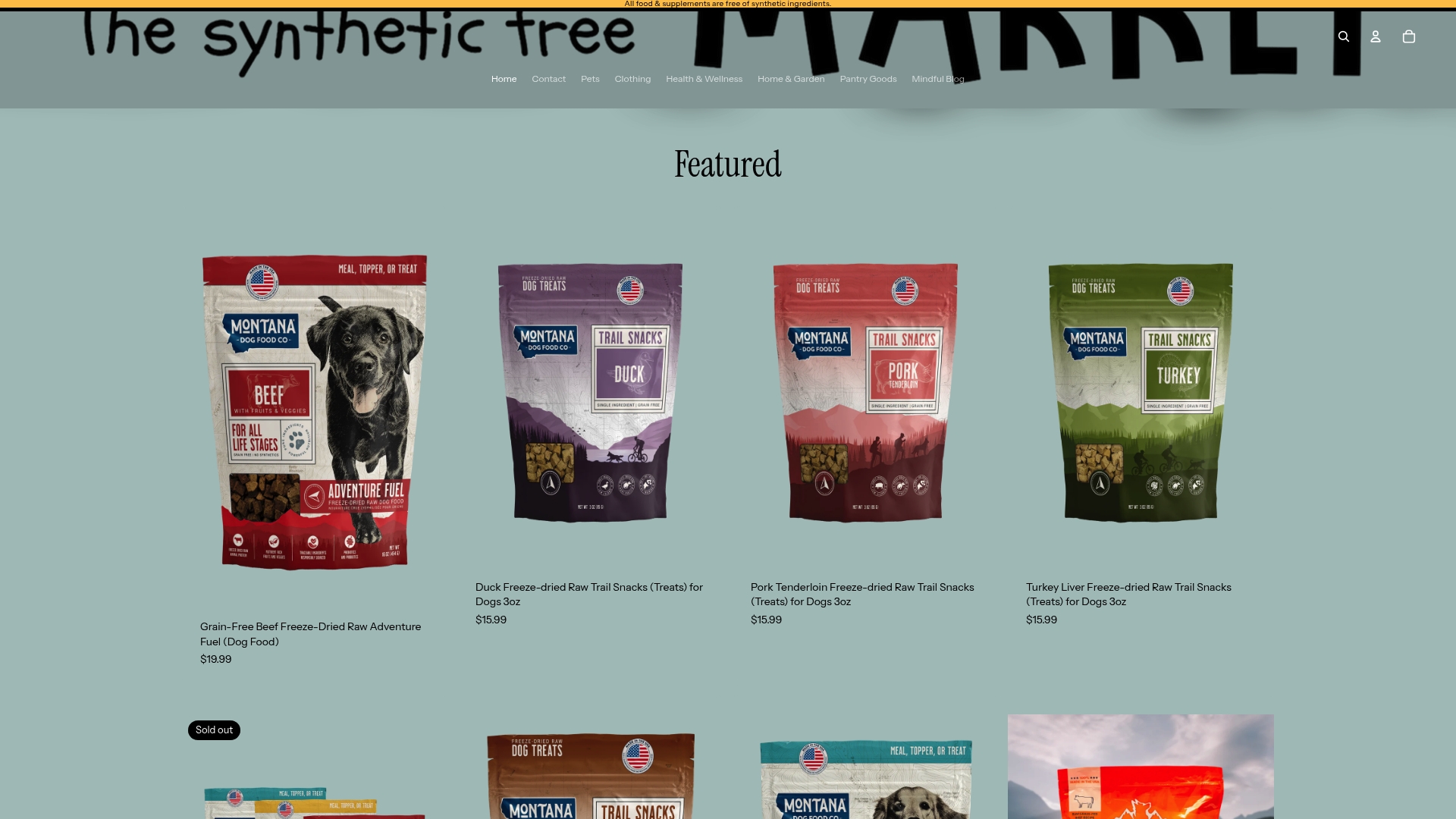
Understanding what’s in your dog’s food is one part of the equation. Giving your dog the nutritional support they need is the other. At Mindfulbotany, the focus is on products that complement a cleaner diet without adding unnecessary synthetic compounds.
The soft chew dog supplements at Mindfulbotany are formulated to support everyday nutrition without artificial preservatives or synthetic colorants. They’re a practical addition for dogs whose diets may still include some commercial kibble. For owners building a fuller wellness routine, the essential nutrients guide covers how to fill nutritional gaps through food-first strategies. Mindfulbotany carries dog care products designed with the same ingredient-conscious standards this article is built around.
FAQ
What are the most harmful artificial ingredients in dog food?
BHA, BHT, ethoxyquin, and artificial dyes like Red 40 are among the most frequently flagged. These carry concerns ranging from potential carcinogenicity to organ stress and offer no nutritional benefit to your dog.
How do I know if my dog’s food has artificial preservatives?
Check the ingredient list for BHA, BHT, ethoxyquin, propyl gallate, and sodium benzoate. Foods preserved with mixed tocopherols or rosemary extract are using natural alternatives instead.
Is carrageenan safe for dogs?
Carrageenan is permitted in pet food but has been linked to intestinal inflammation in experimental studies. Dogs with chronic digestive issues may benefit from avoiding it. Look for wet foods thickened with alternatives like agar.
Does “natural flavor” mean no artificial ingredients?
Not necessarily. “Natural flavor” is a loosely regulated term that can include processed animal digests and flavor compounds that behave similarly to synthetic additives. It does not guarantee the food is free from artificial processing.
Can dry kibble be free of artificial ingredients?
The ingredient list can be free of synthetic additives, but the extrusion process itself creates contaminants like acrylamide regardless of what was added intentionally. Mixing in fresh food toppers is the most practical way to offset this.
Recommended
- Best natural sources for dog nutrition: a complete guide – Mindful Botany Market
- 8 Clear Signs of Quality Dog Food for a Healthier Pet – Mindful Botany Market
- How to mix supplements with dog food naturally – Mindful Botany Market
- Your dog food shopping checklist: Healthier picks made easy – Mindful Botany Market
0 comments