


TL;DR:
- Freeze-dried dog food preserves 95-97% of nutrients from raw ingredients through a cold, multi-phase process.
- Made from whole foods like meat, organs, bones, and vegetables, it offers higher nutrient retention than kibble.
- While convenient and palatable, it is more expensive, requires careful handling, and is not sterile.
Freeze-dried dog food looks like a dry product, but it is nothing like kibble. Many pet owners assume both are shelf-stable and similar in nutrition, but that comparison misses the point entirely. Freeze-dried food starts as raw, whole-food ingredients, and the process that preserves it is designed to keep 95-97% of nutrients intact while eliminating the need for refrigeration. This guide breaks down how the process works, what ingredients you should expect to see, how nutrition stacks up against other formats, and exactly how to feed it safely and effectively.
Table of Contents
- How freeze-dried dog food is made
- What’s inside: Nutrition and ingredient quality
- Freeze-dried dog food: Benefits and drawbacks
- How to safely feed freeze-dried dog food
- Our perspective: The real payoff and pitfalls of freeze-dried dog food
- Support your dog’s health with mindful choices
- Frequently asked questions
Key Takeaways
| Point | Details |
|---|---|
| Nutrient-rich convenience | Freeze-dried dog food delivers raw-like nutrition with shelf stability and minimal mess. |
| Premium ingredients matter | Look for brands using quality whole foods, clear safety steps, and AAFCO compliance. |
| Balance benefits and risks | Enjoy high nutrition, but understand proper transition, rehydration, and safe handling is critical. |
| Ideal for toppers or full meals | Freeze-dried food works as a main diet or to boost other meals, especially for picky or sensitive dogs. |
| Handle safely like raw meat | Despite lower bacteria, treat freeze-dried food carefully to protect both pets and humans. |
How freeze-dried dog food is made
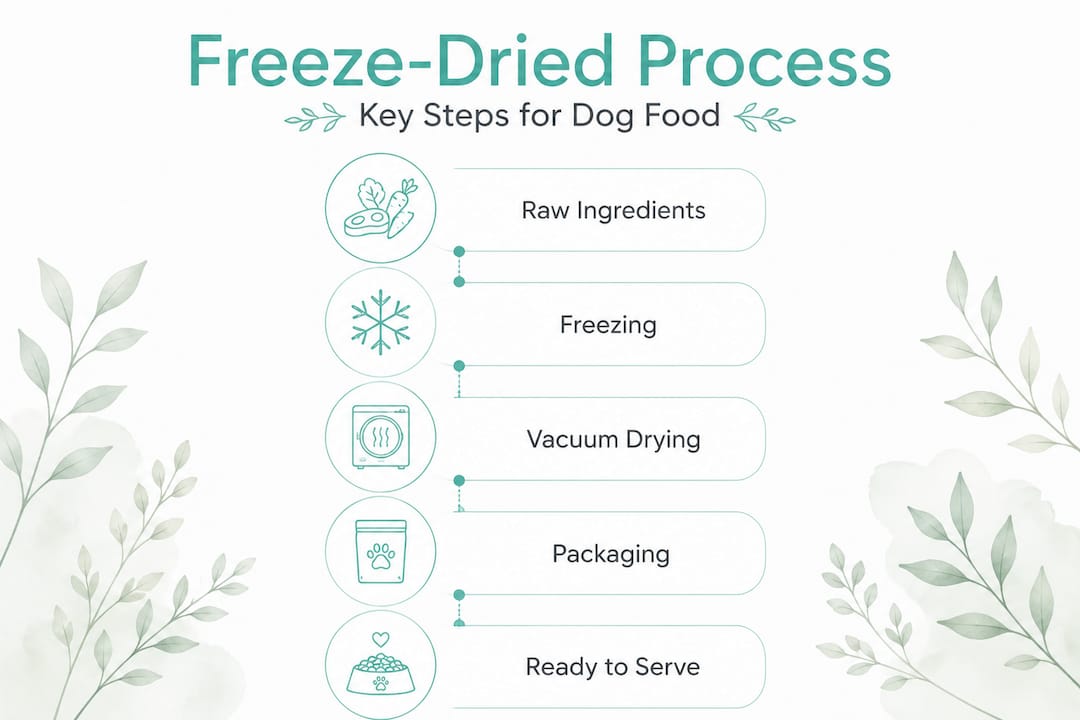
Freeze-drying is not a simple dehydration process. It is a precise, multi-phase method that removes nearly all water from raw food while preserving its cellular structure, enzymes, and nutrients. Understanding this process helps explain why the end product behaves so differently from other dog foods.
Here is how it works, step by step:
- Ingredient preparation: High-quality raw ingredients, typically meat, organs, raw bones, and vegetables, are sourced and prepared. Quality at this stage matters because the process preserves what is already there.
- Flash freezing: Ingredients are rapidly frozen to temperatures between -30°C and -40°C. This flash freezing step locks in nutritional value by preventing large ice crystal formation, which would otherwise damage cell walls.
- Primary drying (sublimation): The frozen product moves into a vacuum chamber. Under low pressure, ice converts directly to vapor without passing through a liquid stage. This removes approximately 95% of the water content.
- Secondary drying: Any remaining bound moisture is removed through carefully controlled temperature increases inside the vacuum chamber. The final product typically contains less than 5% moisture.
- Packaging: The finished food is sealed in airtight, moisture-barrier packaging to preserve shelf stability.
This process is notably different from high-heat extrusion (how kibble is made) or simple air-drying. Heat is not used as the primary drying force, which is why nutrient degradation stays minimal.
| Feature | Freeze-dried | Kibble | Fresh raw |
|---|---|---|---|
| Moisture content | Under 5% | 8-12% | 60-75% |
| Nutrient retention | 95-97% | 60-70% | ~100% (but perishable) |
| Shelf life (unopened) | 1-5 years | 12-18 months | 3-6 months (frozen) |
| Refrigeration needed | No | No | Yes |
“The sublimation process is what sets freeze-drying apart from conventional drying. By bypassing the liquid phase entirely, ingredients retain their structure, color, and nutritional density in a way that heat-based methods simply cannot achieve.”
Understanding the production method also reinforces why natural pet food benefits are more accessible in freeze-dried formats than in highly processed alternatives. The food is not manufactured with synthetic nutrient sprays to replace what heat destroyed. The nutrition was preserved from the start.
What’s inside: Nutrition and ingredient quality
With the process understood, it is time to examine what is actually inside the bag, and how freeze-dried compares to “regular” dog food.
Freeze-dried dog foods are built on whole-food ingredients. Most formulas include:
- Muscle meat: Beef, chicken, turkey, lamb, or salmon as the primary protein source
- Organ meat: Liver, kidney, and heart for concentrated vitamins and minerals
- Raw bone: Ground or whole bone for calcium and phosphorus balance
- Vegetables and fruits: Spinach, blueberries, carrots, and similar items for fiber, antioxidants, and micronutrients
This ingredient profile reflects the raw dog food benefits that many health-focused pet owners seek, but in a format that does not require a chest freezer or careful thawing.
The nutritional gap between freeze-dried and kibble is significant. Kibble processing involves temperatures that exceed 150°C in many cases, which degrades heat-sensitive vitamins, denatures proteins, and destroys enzymes. Freeze-dried food, by contrast, retains up to 97% of nutrients compared to the original raw ingredients.
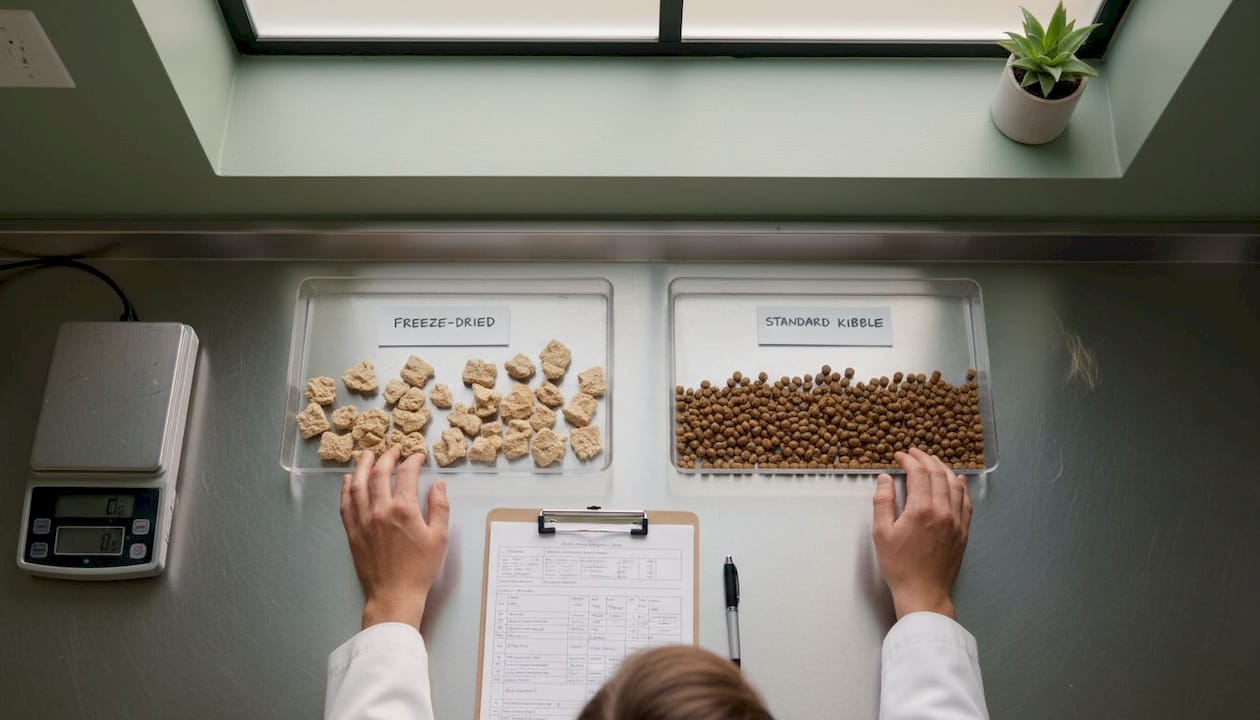
| Comparison point | Freeze-dried | Kibble | Fresh raw |
|---|---|---|---|
| Nutrient retention | 95-97% | 60-70% | ~100% |
| Digestibility | High | Moderate | High |
| Carbohydrate content | Low to moderate | High (30-60%) | Very low |
| Processing temperature | None (cold process) | 150°C+ | None |
| Shelf life | Long (no refrigeration) | Moderate | Short (frozen) |
| Cost per serving | High | Low | High |
One important nuance: not all freeze-dried dog foods are made from uncooked raw ingredients. Some brands gently cook before freeze-drying as an added safety step to reduce bacterial risks. This lowers pathogen concerns but may reduce some heat-sensitive vitamins. Both raw and pre-cooked variants are available, and neither is universally better. The right choice depends on your dog’s health status and your household’s risk tolerance.
For a practical example of a quality product, Green Juju freeze-dried foods use whole-food ingredients and simple formulas that align with this ingredient and nutrition standard.
Pro Tip: When comparing brands, check for AAFCO (Association of American Feed Control Officials) compliance on the label. AAFCO compliance means the product meets minimum nutritional standards for dogs. Brands using high-pressure processing (HPP) add an extra layer of pathogen reduction without using heat.
Freeze-dried dog food: Benefits and drawbacks
Freeze-dried is not all upside. Here is a clear, practical breakdown of the real-world pros, cons, and a few important watch-outs every pet owner should know before committing to this food format.
Benefits:
- Nutrient retention: With 95-97% retention versus kibble’s 60-70%, freeze-dried delivers more complete nutrition per serving
- Better digestibility: Whole food proteins and the absence of heavy starch binders make the food easier for most dogs to process
- Improved coat, energy, and stool quality: Many pet owners report noticeable changes within four to eight weeks of transitioning
- Shelf stability: No freezer needed, making it practical for travel and homes without much freezer space
- Palatability: Dogs with picky eating habits often accept freeze-dried food more readily than kibble or even some fresh foods
- Portability: Lightweight and compact, making it useful as a travel meal or training treat replacement
Drawbacks:
- Cost: Freeze-dried food costs significantly more than most alternatives, running approximately $120-200 per month for a 30-pound dog fed exclusively on freeze-dried
- Bacterial risk: Freeze-drying reduces but does not eliminate pathogens. Salmonella reduction runs about 90-99.9% (1-3 log units), but the product is not sterile
- Calorie density: Because so much water is removed, freeze-dried food is calorie-dense. Overfeeding is easy without careful portion control
- Safe handling required: Must be treated like raw meat in terms of food hygiene, including hand washing and utensil cleaning
Cost context is important here. The $120-200 per month figure for a 30-pound dog is based on using freeze-dried as a complete diet. Using it as a topper, mixed in at 25-30% of the daily meal, dramatically reduces cost while still delivering nutritional benefits. Many pet owners use this middle-ground approach, combining kibble or fresh food with freeze-dried as a nutrient booster.
For comparison with another specialized format, the grain-free dog food pros and cons discussion also involves cost and safety trade-offs worth understanding before deciding on a full diet approach.
Pro Tip: Introduce freeze-dried over 7-10 days by replacing 10-20% of the current food at a time. A too-rapid switch with high-protein, high-fat food often causes loose stools, gas, or stomach upset, even in healthy dogs.
How to safely feed freeze-dried dog food
Ready to take the next step? Follow these feeding and safety steps to make freeze-dried food work for your dog’s health and your peace of mind.
Step-by-step feeding guide:
- Rehydrate the food: Add warm water or unsalted bone broth to the freeze-dried pieces and allow them to absorb moisture for 2-5 minutes. Rehydrating maximizes digestion and reduces the risk of choking, particularly for small dogs or fast eaters.
- Portion carefully: Follow the brand’s weight-based feeding guidelines. Remember the calorie density is higher than kibble, so a smaller volume delivers the same or greater calorie count.
- Use as a complete meal or topper: Freeze-dried works as a standalone complete diet if the product is AAFCO-compliant for that purpose. It also works well mixed into kibble or fresh food as a nutrient-dense topper.
- Store securely: Keep opened packaging in a sealed container in a cool, dry location. Avoid humid environments, which reintroduce moisture and shorten shelf life.
- Wash hands and surfaces: After handling freeze-dried food, particularly raw variants, wash hands thoroughly with soap and water. Clean bowls and utensils with hot water and dish soap.
Transitioning your dog:
Start at 10-20% freeze-dried and 80-90% current food. Every 2-3 days, increase the freeze-dried portion by another 10-20%. Watch for loose stools, gas, or low energy during the transition. These are common in the first week and usually resolve as the digestive system adjusts. If symptoms persist beyond 10 days, slow the transition pace further.
Freeze-dried food is also a strong option for fresh dog food comparisons when evaluating format trade-offs, particularly for owners who want raw-like nutrition without refrigeration requirements.
“Freeze-dried dog food should be handled with the same care as raw meat. Wash hands and surfaces after contact. This is not a sterile product.” — Cornell University Riney Canine Health Center
This point from Cornell’s guidance is particularly relevant for households with young children, elderly individuals, or anyone with a compromised immune system. In those situations, pre-cooked freeze-dried variants or HPP-processed brands are a more cautious choice.
Pro Tip: Always rehydrate freeze-dried food for puppies, senior dogs, and dogs prone to digestive sensitivity. Dry feeding is possible but increases choking risk and reduces digestibility, particularly in dogs with dental issues or slower digestion.
Our perspective: The real payoff and pitfalls of freeze-dried dog food
Having laid out the facts and steps, here is an unvarnished take on when freeze-dried dog food truly delivers and where to proceed carefully.
The marketing around freeze-dried food tends to focus on the “raw” label as though it is a single, uniform thing. It is not. Some freeze-dried products start as raw and stay raw through the process. Others are gently cooked first, then freeze-dried. The nutrition profiles are similar, but the bacterial risk profiles are not. Reading the label carefully and checking whether a brand uses HPP or pre-cooking for safety is not optional. It is a basic due diligence step.
The second thing marketing often omits is the hygiene responsibility. Freeze-dried food is a convenience product compared to handling frozen raw, but it is not a low-maintenance product compared to kibble. If you are not willing to wash your hands, clean food surfaces, and store the product correctly, the residual pathogen risk is real, particularly for Salmonella, which can shed from dogs to humans even if the dog shows no symptoms.
Where freeze-dried food genuinely earns its premium price is with picky eaters, senior dogs with declining appetite, dogs managing food sensitivities, and owners who want closer to raw-level nutrition without the logistics of a raw diet. Used as a complete diet or as a meal topper, the nutrient density and palatability advantages are measurable and well-documented.
For the right owner, a premium freeze-dried option built on clean, whole-food ingredients is one of the most practical ways to close the gap between what dogs historically ate and what modern storage and convenience demands. The key is buying from transparent brands, handling the food correctly, and transitioning slowly.
Support your dog’s health with mindful choices
If freeze-dried food aligns with your priorities, starting with a quality, AAFCO-compliant product matters more than any single ingredient or claim.
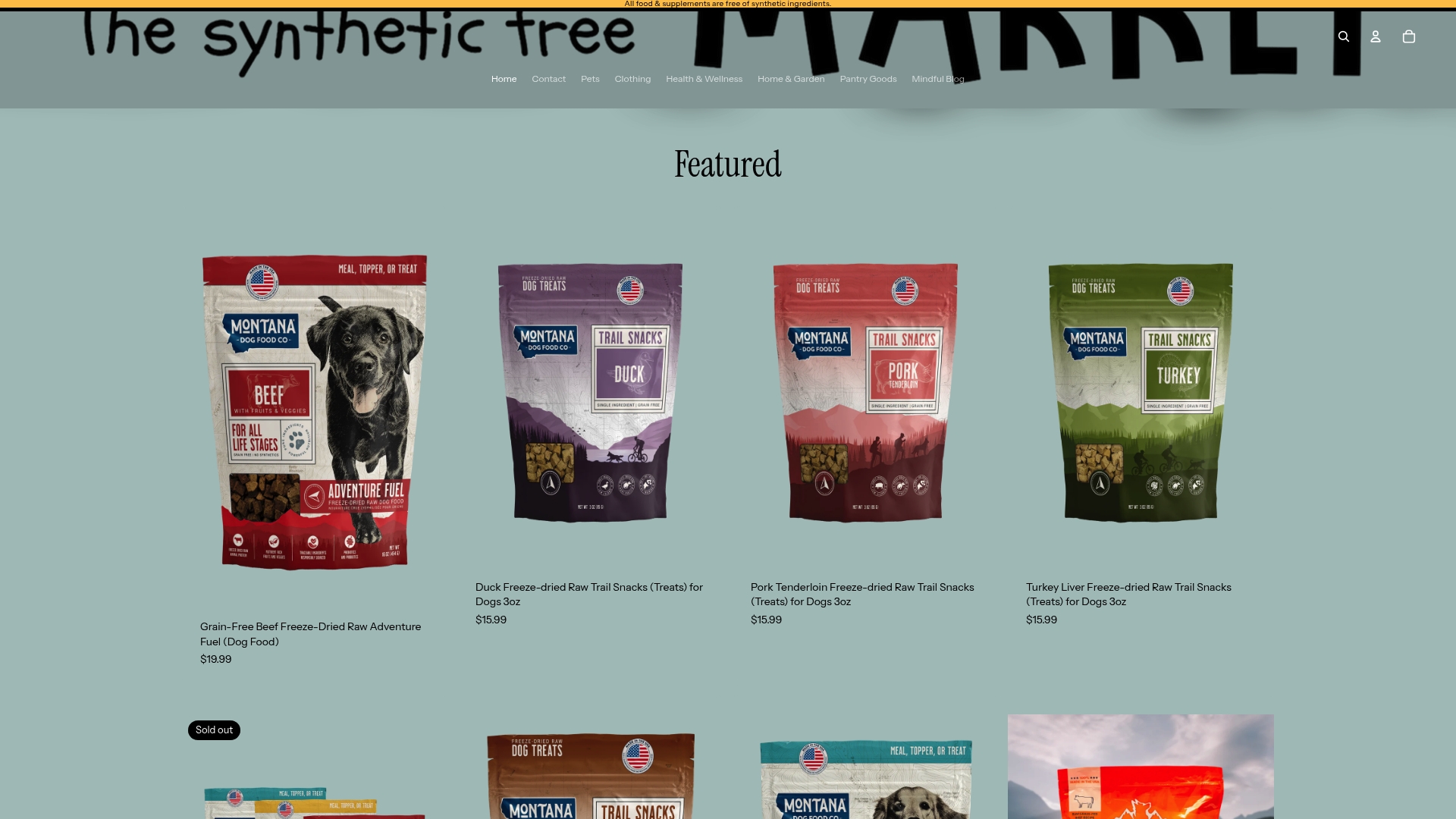
The premium freeze-dried dog food available at Mindful Botany Market uses clean, whole-food beef ingredients and meets the nutritional standards health-focused pet owners expect. Pair that with a gentle, natural grooming routine using OxyMed Oatmeal Pet Shampoo to support skin and coat health alongside a nutrition-forward diet. For a full view of natural pet care options, browse the broader wellness essentials across the store to find products that match your dog’s specific needs.
Frequently asked questions
Is freeze-dried dog food safe for all dogs?
Freeze-dried dog food suits most healthy adult dogs, but extra care is warranted for puppies, seniors, and immune-compromised pets. Always consult your vet before switching.
Do I need to refrigerate freeze-dried dog food after opening?
No refrigeration is required because the product is shelf-stable without refrigeration, but store it in a sealed container in a cool, dry location to maintain freshness and prevent moisture absorption.
Is freeze-dried dog food the same as raw dog food?
Freeze-dried food is made from raw ingredients and retains raw-like nutrition, but moisture removal gives it a longer shelf life and easier handling. Some variants are pre-cooked before freeze-drying.
Does freeze-drying kill all bacteria and pathogens?
Freeze-drying reduces Salmonella by 90-99.9% but does not sterilize the product. Brands using high-pressure processing (HPP) offer additional pathogen reduction without heat.
Recommended
- What is fresh dog food? A complete guide to healthier choices – Mindful Botany Market
- Raw Dog Food Benefits: Health, Nutrition & Risks – Mindful Botany Market
- PREMIUM RAW FREEZE DRIED DOG FOOD BEEF – Mindful Botany Market
- Clean label dog food: Benefits, risks, and how to choose – Mindful Botany Market
0 comments