


TL;DR:
- True gluten sensitivity in dogs is rare; most process gluten-containing grains without issues.
- Gluten-free dog food excludes wheat, barley, and rye but may still contain other grains like rice or corn.
- Consult a veterinarian for confirmed diagnosis before switching to a gluten-free diet, especially for health reasons.
Most pet owners assume that gluten-free dog food is simply a healthier choice for every dog. That assumption drives billions of dollars in specialty pet food sales each year. The reality is more nuanced. True gluten sensitivity in dogs is rare, and the term “gluten-free” on a label does not automatically mean superior nutrition. This guide covers what gluten-free dog food actually is, which dogs genuinely benefit from it, how it compares to grain-free and regular options, and how to make practical, informed decisions for your pet’s diet.
Table of Contents
- What does gluten-free dog food really mean?
- Does your dog need gluten-free food? Who truly benefits
- Comparing gluten-free, grain-free, and regular dog food
- How to choose or prepare a nutritious gluten-free meal for your dog
- The truth about gluten-free dog food: Beyond the labels
- Support your pet’s wellness beyond diet
- Frequently asked questions
Key Takeaways
| Point | Details |
|---|---|
| Gluten-free is not grain-free | Gluten-free excludes certain grains but may still include others, unlike grain-free diets. |
| Most dogs tolerate gluten | Gluten-free food is mainly for dogs with diagnosed sensitivities, not the general population. |
| Diagnosis needs a vet | Only veterinary diet trials can confirm gluten sensitivity—not blood tests alone. |
| Label trends aren’t always necessary | Gluten-free options are often pricier and often unnecessary without a specific medical reason. |
| Balanced nutrition is key | Homemade or commercial gluten-free foods must meet your dog’s complete nutritional needs. |
What does gluten-free dog food really mean?
Starting with the basics, let’s clarify what gluten-free dog food means and what makes it different from other pet food labels.
Gluten is a protein found in specific grains: wheat, barley, and rye. When a dog food is labeled gluten-free, it means those three grains have been removed from the formula. That’s it. Nothing more, nothing less. The label says nothing about overall grain content, carbohydrate levels, or ingredient quality.
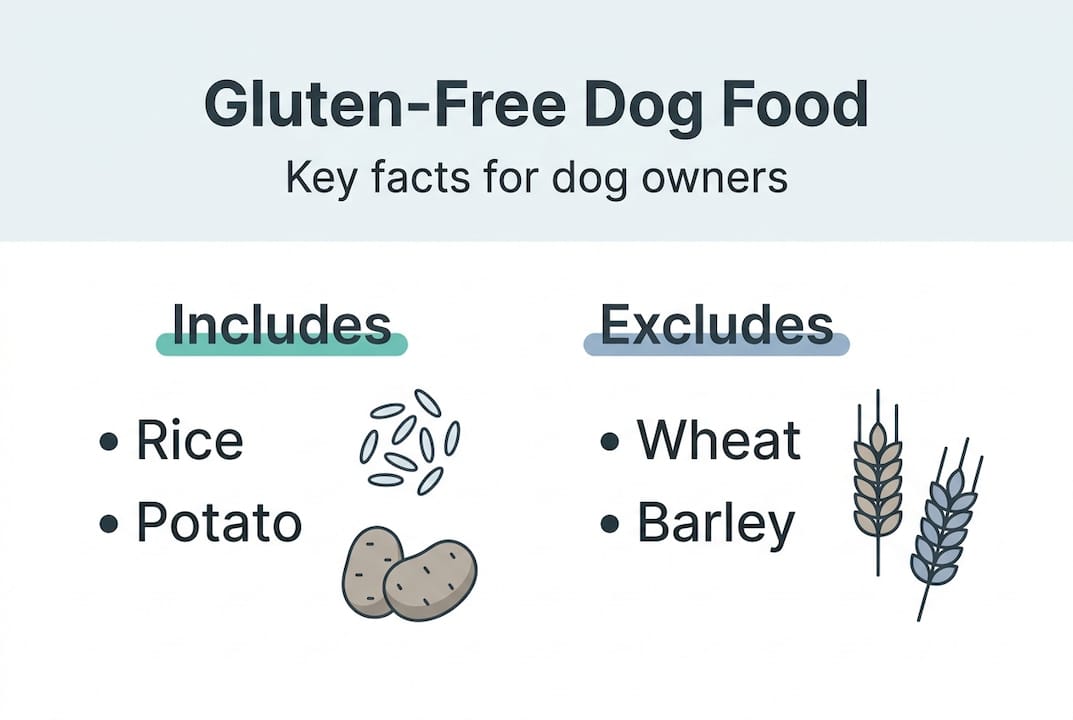
This is where most pet owners get confused. Gluten-free dog food excludes gluten-containing grains such as wheat, barley, and rye, but may include other grains like rice, corn, oats, or quinoa that are naturally gluten-free. So a bag of dog food can be labeled “gluten-free” while still containing several grain-based ingredients.
Here’s a quick breakdown:
Grains that contain gluten:
- Wheat
- Barley
- Rye
- Triticale (a wheat-rye hybrid)
Grains and carbohydrates that are naturally gluten-free:
- White and brown rice
- Corn
- Oats (if certified gluten-free)
- Quinoa
- Sweet potatoes
- Lentils
- Chickpeas
Understanding the difference between grain-free vs gluten-free labeling is essential before you shop. Grain-free means all grains are excluded. Gluten-free means only the gluten-containing grains are excluded. These are not the same thing, and mixing them up can lead to purchasing the wrong food for your dog’s actual needs.
Important: Gluten-free does not equal carbohydrate-free. Many gluten-free dog foods are still rich in carbohydrates from rice, corn, or legumes. If carbohydrate reduction is your goal, check the full ingredient list, not just the front-of-bag claim.
For a broader look at healthiest dog food types available today, ingredient transparency is a key factor regardless of the gluten-free label.
Does your dog need gluten-free food? Who truly benefits
Now that we know what gluten-free means, let’s tackle whether your dog actually needs a gluten-free diet.

The short answer for most dogs is no. True gluten sensitivity in dogs is rare. The vast majority of dogs process gluten-containing grains without any digestive or immune reaction. Switching to gluten-free food without a confirmed medical reason provides no measurable health benefit and typically costs more.
That said, a small subset of dogs does benefit from a gluten-free diet:
- Dogs with confirmed gluten sensitivity or wheat allergy: These dogs show symptoms like chronic diarrhea, vomiting, skin irritation, or poor coat condition linked to gluten consumption.
- Irish Setters with gluten-sensitive enteropathy: This is a rare, breed-specific condition where gluten damages the intestinal lining, similar to celiac disease in humans.
- Dogs undergoing elimination diet trials: A vet may temporarily prescribe gluten-free or hydrolyzed food to identify the source of a food reaction.
Diagnosing gluten sensitivity is not as simple as switching foods and watching for improvement. According to veterinary research, a proper diagnosis requires an 8-12 week elimination diet trial using hydrolyzed food, supervised by a vet. Blood tests alone are not reliable for confirming gluten sensitivity in dogs.
Steps to diagnose gluten sensitivity in your dog:
- Schedule a full veterinary examination to rule out other causes of symptoms.
- Discuss an elimination diet trial using a hydrolyzed or novel protein food.
- Maintain the elimination diet strictly for 8 to 12 weeks with no other food, treats, or flavored medications.
- Reintroduce gluten-containing food to confirm if symptoms return.
- Receive a formal diagnosis and dietary recommendation from your vet.
Gluten-free options are also useful for synthetic-free dog food formulations, where ingredient simplicity is a priority.
Pro Tip: If you have celiac disease yourself, you may want to consider gluten-free dog food purely for handling safety. Touching gluten-containing dog food and then accidentally ingesting trace amounts can trigger a reaction. This is a practical reason for the owner, not a health necessity for the dog.
Comparing gluten-free, grain-free, and regular dog food
Understanding who benefits leads to the next question: how does gluten-free dog food compare with other popular options?
The three categories are often confused, but they serve different purposes. Here is a direct comparison:
| Feature | Gluten-free | Grain-free | Regular dog food |
|---|---|---|---|
| Excludes wheat, barley, rye | Yes | Yes | No |
| Excludes all grains | No | Yes | No |
| May contain rice, corn, oats | Yes | No | Yes |
| Suitable for gluten-sensitive dogs | Yes | Yes | No |
| Suitable for grain-sensitive dogs | Not always | Yes | No |
| Generally more expensive | Yes | Yes | No |
| Recommended for most healthy dogs | No | No | Yes |
| Requires vet confirmation to justify | Yes | Situational | No |
As noted, gluten-free dog food excludes gluten but not all grains, while grain-free eliminates all grains entirely. This matters because some dogs are sensitive to corn or rice, not just gluten. In those cases, a gluten-free label alone won’t solve the problem.
An important statistic worth noting: the overwhelming majority of dogs tolerate gluten without any adverse reaction. Gluten-free formulas are primarily justified for confirmed medical reasons, not general wellness or trend-following.
Before exploring the pros and cons of grain-free diets for your pet, it’s worth understanding where gluten-free fits within that broader conversation. Similarly, if you’re interested in minimizing processed ingredients, reviewing GMO-free dog food options can inform a more complete dietary approach.
How to choose or prepare a nutritious gluten-free meal for your dog
With the differences clarified, here’s how you can act on the information: choosing or making healthy gluten-free meals for your dog.
Checklist for evaluating commercial gluten-free dog food:
- Confirm no wheat, barley, or rye in the ingredient list
- Look for a named protein source (chicken, salmon, beef) as the first ingredient
- Check for AAFCO nutritional adequacy statement
- Verify the formula is complete and balanced, not a supplemental food
- Compare carbohydrate sources (rice, sweet potato, lentils)
- Avoid foods with excessive fillers or unnamed by-products
- Review the calcium-to-phosphorus ratio if feeding large breeds
For pet owners who want to prepare food at home, a gluten-free diet is achievable with the right planning. Homemade gluten-free diets using proteins like chicken and carbohydrate sources like sweet potatoes can work well, but they require careful veterinary balancing to avoid nutritional deficiencies.
Sample ingredients for a homemade gluten-free dog meal:
| Ingredient category | Example ingredients |
|---|---|
| Protein | Chicken, turkey, beef, salmon, eggs |
| Carbohydrate | Sweet potato, white rice, quinoa, lentils |
| Vegetables | Carrots, zucchini, green beans, spinach |
| Healthy fats | Salmon oil, flaxseed oil |
| Supplements | Calcium, omega-3s, vitamin E (vet-guided) |
Key nutrients to balance in any gluten-free diet include protein, fat, calcium, phosphorus, omega fatty acids, and vitamins A, D, E, and B12. Skipping any of these can lead to long-term deficiencies, especially in homemade diets.
For broader guidance, reviewing tips on making homemade dog food and how to choose healthy dog food provides a solid foundation before committing to any formula change.
Pro Tip: Always consult your vet before switching to a homemade gluten-free diet. Even well-intentioned recipes can miss critical nutrients. Ask your vet about a board-certified veterinary nutritionist referral for customized meal planning.
The truth about gluten-free dog food: Beyond the labels
Now that you know how to select or make gluten-free food, let’s look at a perspective few discuss candidly.
The gluten-free movement for pets has grown largely in parallel with human dietary trends. Pet owners who avoid gluten themselves often extend that preference to their dogs. That’s understandable. But dogs are not humans, and their digestive systems have evolved differently. Following a human wellness trend without a confirmed veterinary reason is unlikely to benefit your dog and will almost certainly cost you more.
Label-chasing is a real problem in the pet food industry. “Gluten-free,” “grain-free,” “raw,” and “freeze-dried” are all powerful marketing terms. They communicate quality to a concerned pet owner. But none of those labels alone guarantee that the food is nutritionally complete, well-sourced, or appropriate for your specific dog.
The most overlooked factor in pet nutrition isn’t the absence of gluten. It’s the presence of a genuine veterinary partnership. A vet who knows your dog’s age, weight, health history, and activity level is worth more than any label. Supporting natural pet nutrition makes sense when it’s grounded in actual need. Most dogs thrive on wholesome, balanced food whether or not it contains gluten.
Support your pet’s wellness beyond diet
Rounding out this guide, consider supporting your dog’s health with additional resources.
Nutrition is a critical foundation, but your dog’s overall wellness extends beyond what’s in the food bowl. Targeted dog supplements can address joint health, immune function, and coat condition, especially for dogs on restricted diets. For dogs with sensitive skin or allergies, a hypoallergenic pet shampoo can reduce skin irritation caused by environmental allergens.
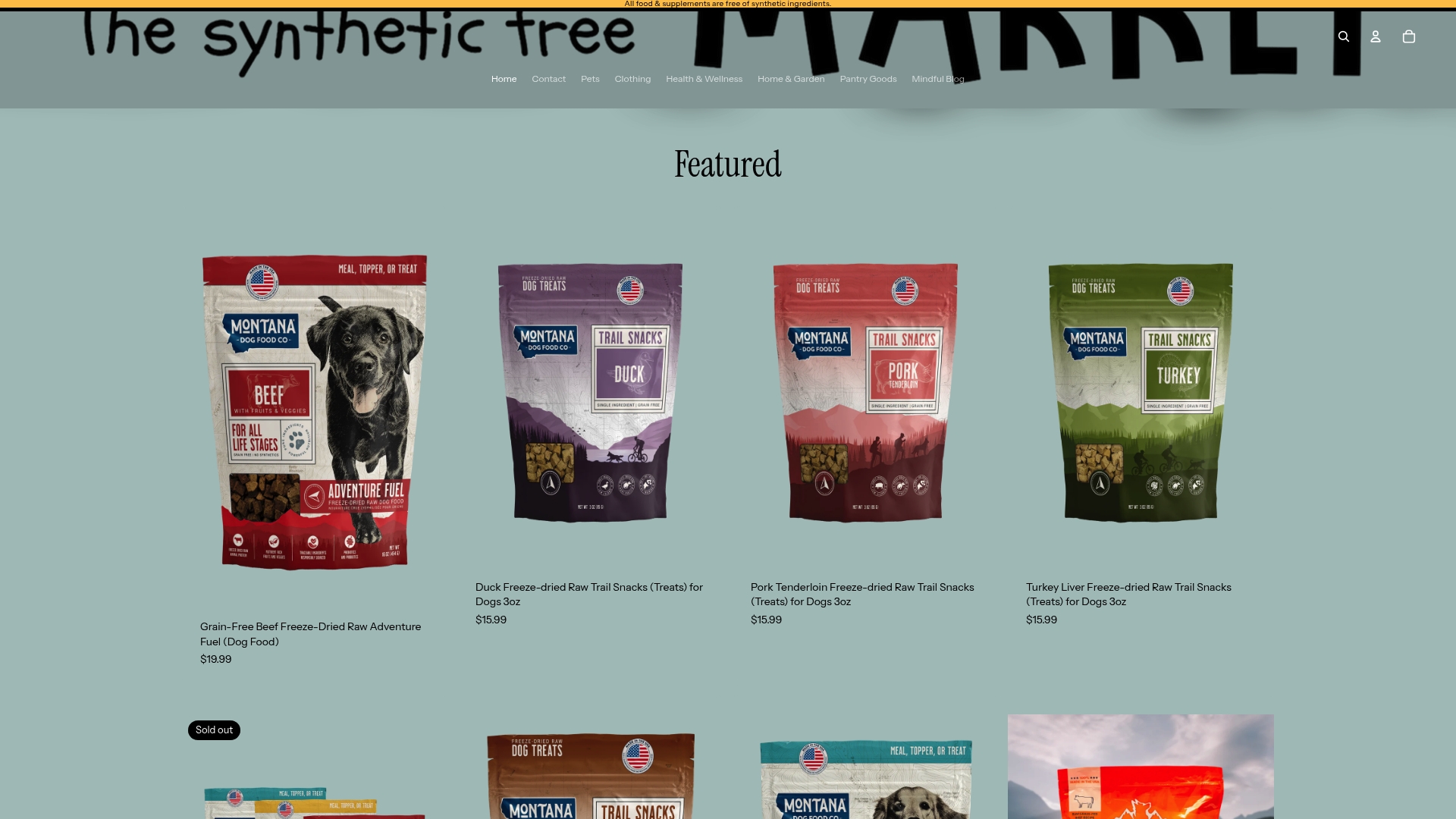
At Mindful Botany Market, the focus is on products that are functional, clean-ingredient, and practical for everyday pet care. Whether your dog needs dietary support or topical relief, explore our wellness store to find products aligned with a natural, evidence-informed approach to pet health.
Frequently asked questions
Is gluten-free dog food the same as grain-free?
No. Gluten-free excludes only wheat, barley, and rye, while grain-free eliminates all grains entirely, including rice, corn, and oats.
Can I make gluten-free dog food at home?
Yes, but homemade gluten-free diets require careful ingredient selection and veterinary oversight to ensure complete and balanced nutrition.
How do I know if my dog is gluten sensitive?
A vet-supervised elimination trial lasting 8 to 12 weeks is the standard diagnostic process. Blood tests alone are not considered reliable for this diagnosis.
Are gluten-free dog foods more expensive?
Generally yes. Gluten-free formulas tend to cost more than standard options and are not necessary unless your vet has confirmed a sensitivity or allergy.
Can humans with celiac disease benefit from their dog eating gluten-free?
In some cases, yes. Gluten-free dog food reduces handling exposure to gluten, which can be relevant for owners managing celiac disease at home.
Recommended
- Grain-free dog food: what the science says in 2026 – Mindful Botany Market
- GMO-free dog food: what it means for your dog’s health – Mindful Botany Market
- Grain-free dog food: pros, cons, and what owners need – Mindful Botany Market
- Guide to the healthiest dog food types for canine wellness – Mindful Botany Market