


TL;DR:
- Grain-free dog food replaces grains with legumes and potatoes but is not inherently healthier.
- Current research shows complex effects of grain-free diets on heart, gut, and metabolism in dogs.
- Personalized veterinary advice is essential to determine if a grain-free diet suits your dog.
Grain-free dog food lines the shelves of every pet store, and the marketing is convincing. But assuming grain-free automatically means healthier is a mistake many owners make. Research on grain-free diets shows real effects on gut health, metabolism, and even cardiac function, and the picture is more nuanced than the label suggests. This article breaks down what grain-free actually means, what current studies reveal, and how to decide whether it fits your dog’s specific needs. No buzzwords. Just clear, evidence-based information.
Table of Contents
- What does grain-free actually mean?
- What the science says about grain-free diets and dog health
- Grain-free myths and expert perspectives
- Is grain-free right for your dog? Practical checklist
- An honest take: Why ‘one size’ dog diets don’t fit all
- Where to find grain-free and wellness-focused products
- Frequently asked questions
Key Takeaways
| Point | Details |
|---|---|
| Grain-free defined clearly | Grain-free dog food usually means grains are replaced with potatoes or legumes, not simply healthier meals. |
| Science is mixed | Recent research shows that grain-free diets may impact some dogs’ hearts but not all; most healthy dogs digest grains well. |
| Individual needs matter | Dogs have unique dietary requirements, so personal and veterinary insights are more valuable than trends. |
| Focus on overall wellness | Look past buzzwords and prioritize balanced, nutrient-rich, synthetic-free ingredients for your dog’s best health. |
What does grain-free actually mean?
Grain-free dog food excludes ingredients like wheat, corn, rice, and barley. These are the grains most commonly found in conventional kibble, used as carbohydrate sources and binding agents. When manufacturers remove them, they need to replace those calories and textures with something else.
The most common substitutes are legumes and root vegetables. Peas, lentils, and chickpeas are widely used, as are potatoes and sweet potatoes. These ingredients are not inherently bad, but they behave differently in your dog’s body than grains do. Grain-free diets replace grains with legumes and potatoes and may affect gut and metabolic health in ways that are still being studied.
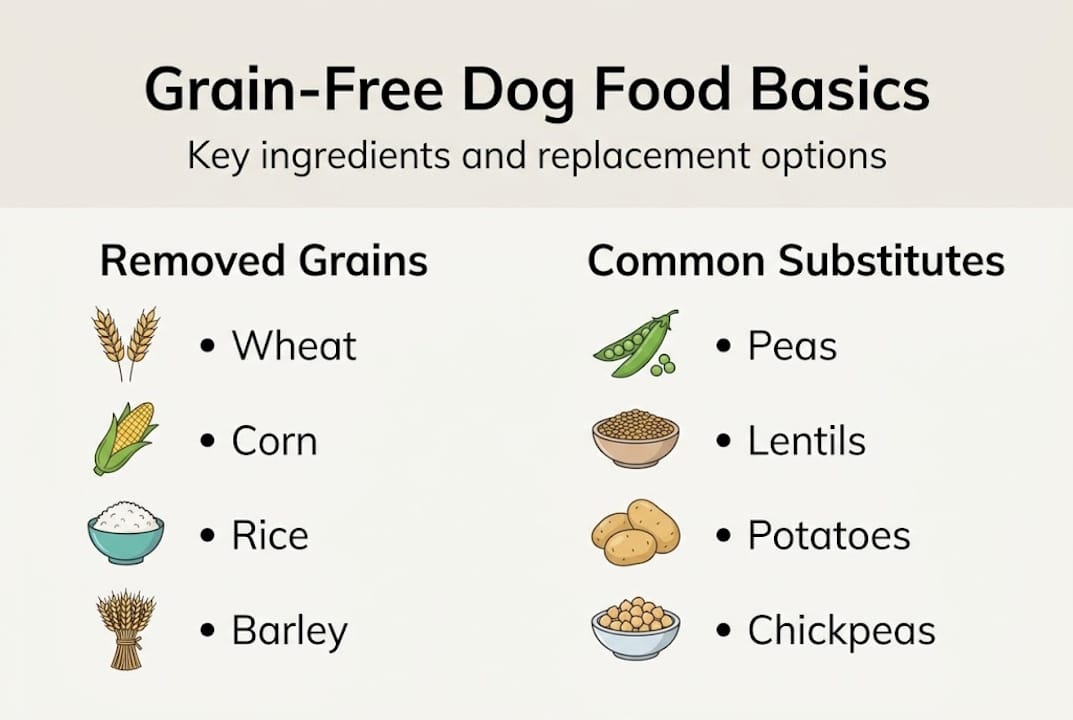
Here is a quick comparison of common grain ingredients versus their grain-free substitutes:
| Ingredient type | Examples | Primary role |
|---|---|---|
| Grains | Wheat, corn, rice, barley | Carbohydrate source, binder |
| Legumes | Peas, lentils, chickpeas | Carbohydrate, protein source |
| Root vegetables | Potatoes, sweet potatoes | Carbohydrate, texture |
One important point: grain-free does not mean low-carb. Many grain-free formulas are just as high in carbohydrates as grain-inclusive options, just from different sources. And grain-free does not mean allergen-free either. Dogs with food sensitivities may react to legumes or potatoes just as they might to grains.
Key things to look for when reading a grain-free label:
- The first five ingredients (these make up the bulk of the food)
- Whether legumes or potatoes appear multiple times under different names
- Whether a named protein source is listed first
- Whether the food has been formulated by a board-certified veterinary nutritionist
For a broader look at the grain-free pros and cons for dog owners, it helps to understand the full picture before committing to a formula. You may also want to review GMO-free food insights if ingredient sourcing matters to you.
Pro Tip: Flip the bag over before you buy. The front label is marketing. The ingredient list on the back is the actual product.
What the science says about grain-free diets and dog health
Now that you know what grain-free means, it is essential to see what research reveals about these diets and their real effects on dogs.
The most discussed concern is cardiac health. Several years ago, the FDA began investigating a potential link between grain-free diets and dilated cardiomyopathy (DCM), a condition where the heart muscle weakens and enlarges. Early reports showed that some dogs on grain-free diets had cardiac changes, and in some cases, those changes improved after switching away from grain-free food.

However, the science has continued to evolve. A more recent 18-month controlled trial found no significant cardiac difference across carbohydrate sources in healthy adult dogs. This does not dismiss earlier findings, but it does suggest that the relationship between grain-free diets and heart disease is more complex than a simple cause-and-effect.
Gut health is another area of active research. Studies show that grain-free diets affect gut microbiota and taurine utilization. Taurine is an amino acid essential for heart function, and some grain-free formulas may interfere with how dogs produce or absorb it.
“Dogs fed grain-free diets showed measurable changes in cardiac structure. Some of those changes reversed after diet modification, suggesting diet plays a direct role in heart health outcomes.” (PMID: 40642821)
Here is a summary of documented outcomes across diet types:
| Health area | Grain-inclusive diets | Grain-free diets |
|---|---|---|
| Cardiac structure | Generally stable in healthy dogs | Some changes observed in certain studies |
| Gut microbiota | Well-studied, generally favorable | Differences noted, ongoing research |
| Taurine levels | Typically adequate | Potentially lower in some formulas |
| Metabolic response | Consistent baseline data | Variable depending on substitute ingredients |
If you switch your dog’s diet, monitor these areas in order:
- Stool consistency and frequency (first 1 to 2 weeks)
- Energy levels and coat condition (weeks 2 to 6)
- Weight stability (monthly)
- Cardiac screening if your dog is a breed at risk for DCM (every 6 to 12 months)
For dogs that already eat organ-based proteins, beef heart and heart health is worth reading. And if you are evaluating the full spectrum of options, reviewing synthetic-free food options can help you compare formulas side by side.
Grain-free myths and expert perspectives
We have reviewed the health effects, but misinformation and myths still lead many owners in the wrong direction. Let’s clarify what experts really say.
One of the most persistent myths is that grains cause allergies in dogs. True grain allergies exist, but they are far less common than most owners assume. The more frequent culprits in food sensitivities are animal proteins like beef, chicken, and dairy, not grains.
Another common belief is that dogs evolved to eat a grain-free, ancestral diet and therefore all dogs should avoid grains. This ignores thousands of years of co-evolution between dogs and humans, during which dogs adapted to digest starch more efficiently than their wolf ancestors. Most dogs digest grains well, and there is no evidence that grains are harmful to dogs without a specific sensitivity or medical condition.
“There is no evidence that grains are harmful to dogs. Nutritional decisions should focus on the individual animal’s needs, not broad dietary trends.” (WSAVA Global Nutrition Committee)
Common grain-free myths, and the reality behind them:
- Myth: All dogs benefit from grain-free food. Reality: Most healthy dogs thrive on grain-inclusive diets.
- Myth: Grains are fillers with no nutritional value. Reality: Whole grains provide fiber, B vitamins, and digestible energy.
- Myth: Grain-free is always more natural. Reality: Legumes and potatoes are also processed and not inherently more ancestral.
- Myth: Grain-free is better for dogs with allergies. Reality: Allergies need to be identified through elimination trials, not assumed.
For a complete breakdown of what goes into high-quality dog food, the fresh dog food guide offers practical context.
Pro Tip: Before switching to or away from grain-free, ask your vet to run a basic panel. Baseline data makes it much easier to track whether a new diet is helping or not.
Is grain-free right for your dog? Practical checklist
Now that you are equipped with science and myth-busting, use this section to apply those insights to your own dog’s diet.
The WSAVA recommends focusing on individual pet needs and discussing with a veterinarian whether a grain-free diet is actually necessary. That guidance is practical and worth taking seriously.
Work through this checklist before making a decision:
- Confirmed allergy or sensitivity: Has your vet identified a specific grain allergy through an elimination diet? If yes, grain-free may be appropriate.
- Age and life stage: Puppies, seniors, and pregnant dogs have different nutritional requirements. Check that any formula meets AAFCO standards for your dog’s life stage.
- Activity level: Highly active dogs may need more digestible carbohydrates. Grain-free formulas vary widely in energy density.
- Underlying health conditions: Dogs with heart disease, kidney issues, or metabolic conditions need vet-approved diets, not trend-based choices.
- Your values as an owner: If ingredient sourcing and synthetic-free formulas matter to you, that is a valid factor, but it should be balanced with nutritional science.
Situations where grain-free may not be ideal:
- Dogs with no diagnosed grain sensitivity
- Breeds genetically predisposed to DCM (Dobermans, Great Danes, Boxers)
- Dogs already on a stable, well-tolerated diet
- Owners without access to regular veterinary monitoring
For a practical framework on feeding real, whole-food diets, the guide on feeding your dog real food is a useful next read.
Pro Tip: Keep a simple food journal for the first 60 days after any diet change. Note energy, stool quality, coat, and any new symptoms. This data is invaluable at your next vet visit.
An honest take: Why ‘one size’ dog diets don’t fit all
You have just reviewed the checklist for your own dog. Now let’s step back and look at the bigger picture.
Diet trends in the pet industry move fast, and grain-free is not the first trend to be oversimplified. Raw, vegan, ancestral, and now grain-free diets each carry real merit for specific dogs in specific situations. The problem is when a niche solution gets marketed as a universal answer.
Every dog carries a unique history: genetics, gut microbiome, past illnesses, and stress responses. A diet that transformed one dog’s coat and energy may do nothing for another dog, or cause harm. That is not a failure of the diet. It is a reminder that biology is individual.
The most consistent pattern seen across pet owners who navigate diet changes well is not that they found the perfect formula. It is that they stayed curious, tracked results, and kept their vet in the loop. Labels like “grain-free” or “raw” are starting points, not conclusions. For a grounded look at another popular option, the raw dog food perspective offers a similarly balanced view.
Personalization, not trends, produces the best outcomes.
Where to find grain-free and wellness-focused products
If you have decided to explore a grain-free approach, or you are simply looking for cleaner, synthetic-free options, the next step is finding products that match those values.
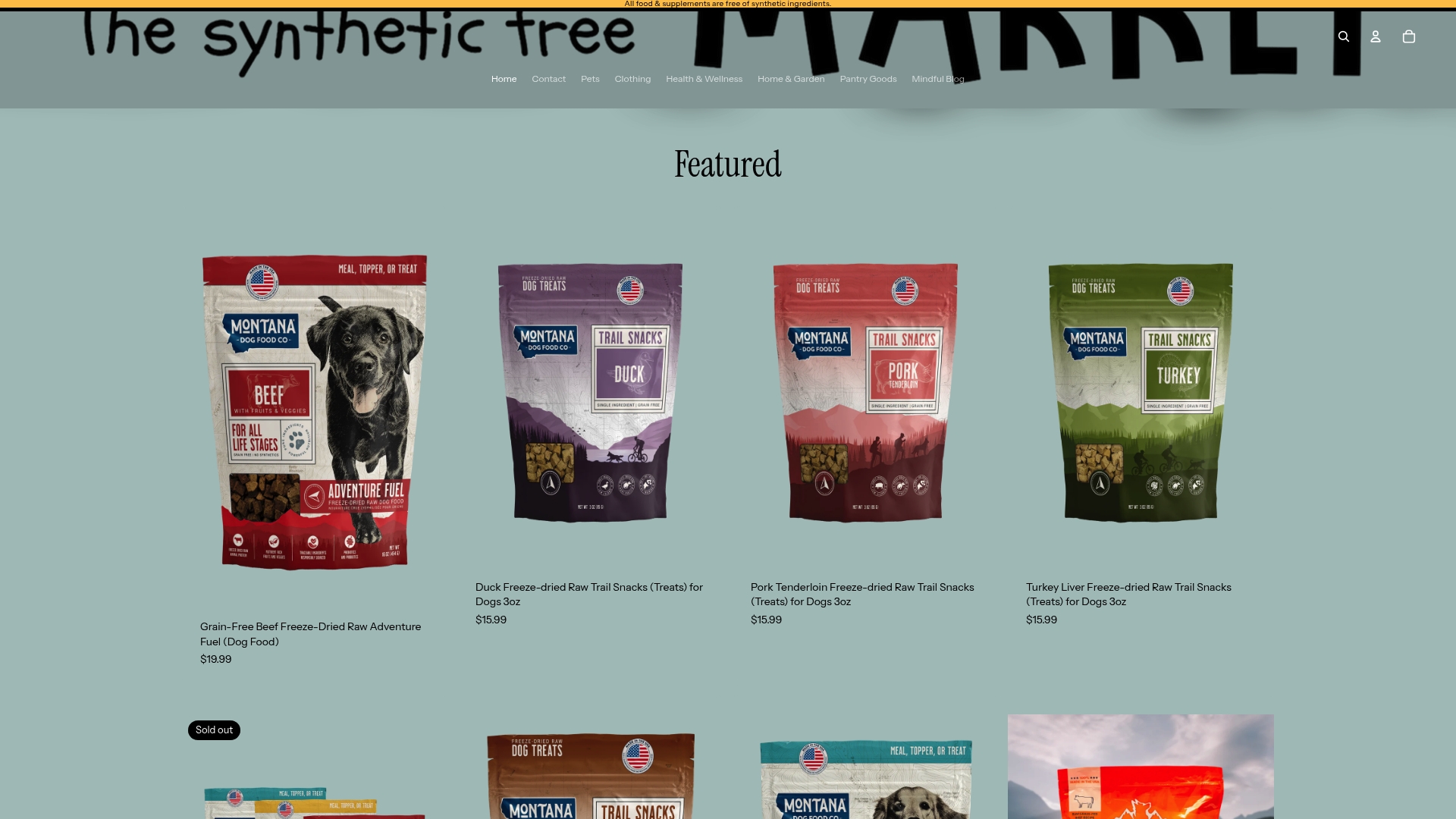
Mindful Botany Market offers a curated selection of pet wellness products, including grain-free and synthetic-free formulas sourced with ingredient transparency in mind. From everyday nutrition to targeted support, the catalog is built around the same principles covered in this article: real ingredients, clear labels, and options suited to individual needs. If your dog needs additional support alongside a diet change, soft chew dog supplements are available in formulas free from artificial additives. Browse the full range and find what fits your dog’s profile.
Frequently asked questions
Are grain-free diets always healthier for dogs?
No. Evidence shows healthy dogs digest grains well, and grain-free is not universally healthier. The right diet depends on your dog’s individual health profile.
Can grain-free diets cause heart problems in dogs?
Some dogs on grain-free diets showed heart changes, but a recent 18-month trial found no cardiac difference in healthy dogs. The relationship is still being studied and is not a simple cause-and-effect.
What ingredients are in grain-free dog food?
Grain-free diets substitute grains with legumes or potatoes, such as peas, lentils, chickpeas, and sweet potatoes, as the primary carbohydrate sources.
How do I know if my dog should avoid grains?
Focus on individual pet needs and consult your veterinarian before choosing grain-free. A confirmed allergy or sensitivity, identified through an elimination diet, is the clearest reason to avoid grains.
Recommended
- Grain-free dog food: pros, cons, and what owners need – Mindful Botany Market
- GMO-free dog food: what it means for your dog’s health – Mindful Botany Market
- Raw Dog Food Benefits: Health, Nutrition & Risks – Mindful Botany Market
- Top types of synthetic-free dog food for healthier pets – Mindful Botany Market
- Grain-free dog food basics: a guide for 2026