


TL;DR:
- Natural dog food spoils faster and requires strict handling to prevent bacterial contamination.
- Use dedicated containers, track storage times, and store at proper temperatures for safety.
- Regularly check for signs of spoilage and maintain hygiene routines to keep food safe.
Natural dog food, whether raw, freeze-dried, or freshly prepared, spoils faster than conventional kibble, and improper storage puts your dog’s health at serious risk. Bacterial contamination, nutrient loss, and cross-contamination in the kitchen are real concerns that every pet owner needs to address before opening that first bag or package. This guide walks through the exact steps to store natural dog food correctly, covering everything from the right containers and temperatures to labeling, thawing, and spotting spoilage before it reaches your dog’s bowl.
Table of Contents
- Understanding the risks of storing natural dog food
- What you need to store natural dog food properly
- Step-by-step: Storing natural and raw dog food safely
- Troubleshooting common storage mistakes
- How to know your natural dog food is stored safely
- What most guides miss about storing natural dog food
- Support your dog’s health with safe products
- Frequently asked questions
Key Takeaways
| Point | Details |
|---|---|
| Separate storage is vital | Always use dedicated containers and spaces for natural dog food to minimize cross-contamination risks. |
| Hygiene protects pets and humans | Wash hands, dishes, and surfaces thoroughly after handling all forms of raw or natural food. |
| Never refreeze thawed food | Once natural dog food has thawed, use it promptly and never put it back in the freezer. |
| Label and rotate stock | Dating and prioritizing portions ensures freshness and lowers chances of spoilage. |
| Monitor for spoilage | Regularly check food for off-odors, discoloration, or texture changes before feeding. |
Understanding the risks of storing natural dog food
Natural and raw dog foods behave very differently from processed kibble. Kibble is shelf-stable because moisture has been removed and preservatives added. Raw and minimally processed foods retain moisture, active enzymes, and naturally occurring bacteria, which means the window for safe storage is much shorter.
The most significant concern is bacterial contamination. Raw pet food carries a higher risk of pathogens like Salmonella and Listeria, which can make both pets and people sick. This is not a minor risk. These bacteria can spread from the food to surfaces, utensils, and hands, creating a contamination chain throughout your kitchen.
Cross-contamination is a serious household issue. If raw dog food touches a cutting board, countertop, or bowl that later contacts human food, the risk transfers. Children, elderly family members, and anyone with a compromised immune system are especially vulnerable. Understanding the full scope of raw food risks and benefits helps you make informed decisions about your storage setup.
Key risks to understand before storing natural dog food:
- Bacterial growth accelerates above 40°F (4°C)
- Freeze-dried food can rehydrate and spoil if not sealed properly
- Homemade fresh food lacks the pathogen testing that commercial raw brands perform
- Shared utensils and bowls spread bacteria rapidly
- Thawed food left at room temperature becomes unsafe within two hours
“Natural” does not mean “bacteria-free.” Even high-quality, premium raw dog food can carry pathogens. Treating every handling session as a hygiene event, not just an occasional precaution, is the baseline for safe storage.
Understanding the hazards is the first step. Next, let’s break down what you’ll need to store natural dog food safely.
What you need to store natural dog food properly
Before you open a single package, having the right equipment in place makes the difference between safe storage and a contamination risk. This is not about overcomplicating the process. It is about being organized and consistent.
Essential storage equipment:
- A dedicated refrigerator shelf or separate mini-fridge for raw pet food
- A chest freezer or freezer with clearly labeled sections for bulk storage
- Airtight, food-grade containers (glass or BPA-free plastic)
- Resealable freezer bags rated for food storage
- A permanent marker and freezer-safe labels
- Dedicated cutting boards, knives, and serving spoons used only for pet food
- Paper towels for surface cleanup (easier to discard than reusable cloths)
| Storage type | Recommended container | Max storage duration |
|---|---|---|
| Refrigerator (opened) | Airtight glass or BPA-free container | 2 to 3 days |
| Freezer (raw portions) | Resealable freezer bags or containers | 3 to 6 months |
| Freeze-dried (opened) | Airtight, moisture-proof container | Per package label |
| Dehydrated (opened) | Sealed glass jar or airtight bag | 2 to 4 weeks |
| Homemade fresh food | Airtight container, refrigerated | 2 to 3 days |
The CDC guidance on raw pet food handling makes clear that commercial raw brands do conduct pathogen testing, but homemade raw food lacks that safety net entirely. This means homemade preparations require stricter hygiene standards and shorter storage windows.
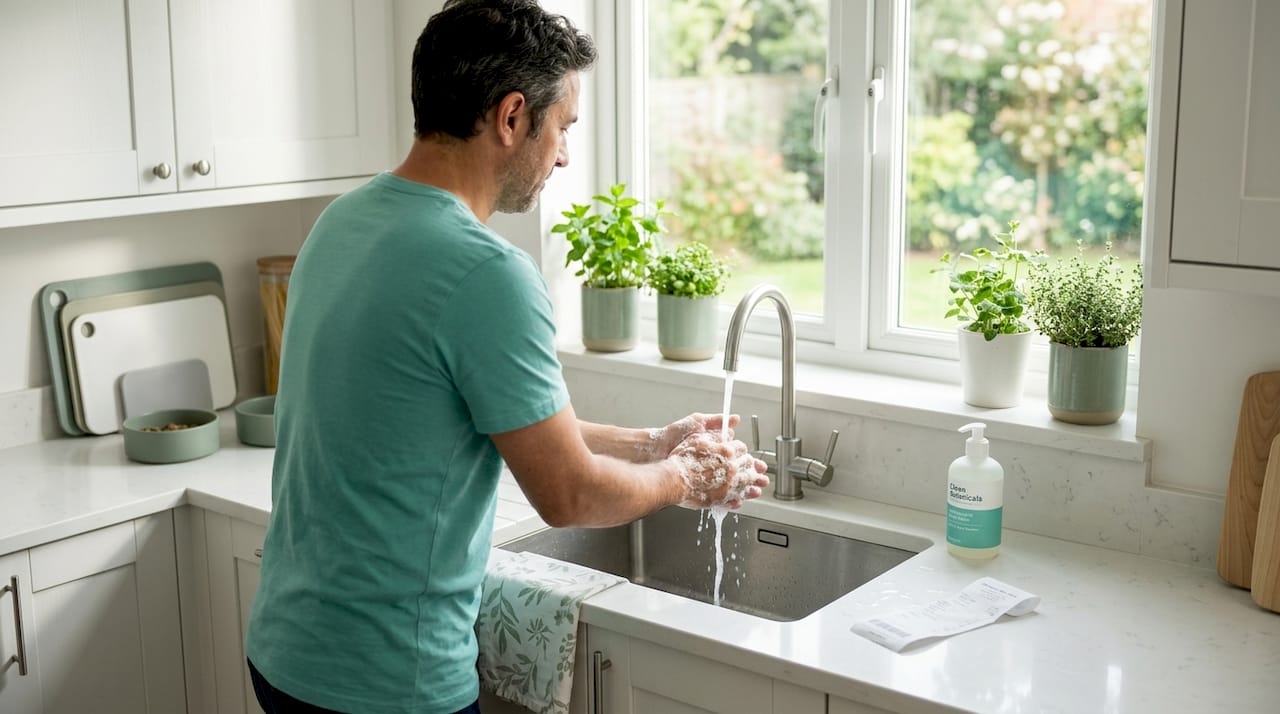
Hygiene supplies matter as much as containers. Keep antibacterial soap at the sink and use it every time you handle raw food. Sanitize surfaces with a food-safe disinfectant after each session. If you use cloth towels, wash them separately from household laundry at high heat.
Pro Tip: Color-code your pet food tools. Use a specific color of cutting board and serving utensils exclusively for dog food prep. This visual cue prevents accidental cross-use and builds a consistent hygiene habit without extra mental effort.
Learning more about preparing fresh dog food can also help you set up an efficient, safe kitchen routine from the start.
With the hazards in mind and all materials at hand, it is time to tackle each phase of storage step by step.
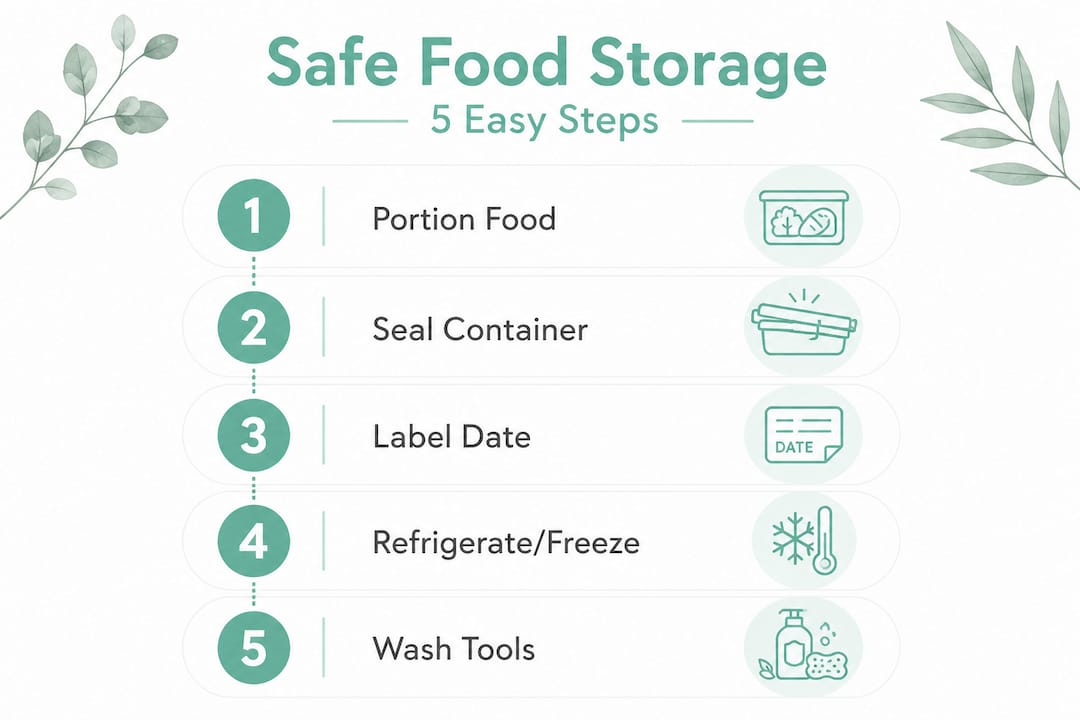
Step-by-step: Storing natural and raw dog food safely
Different types of natural dog food require slightly different approaches. Here is a practical walkthrough covering each major category.
Refrigerated and fresh food:
- Transfer opened packages or freshly prepared food into an airtight, food-grade container immediately.
- Label the container with the date opened or prepared.
- Place on the lowest refrigerator shelf to prevent drip contamination onto other foods.
- Use within 2 to 3 days. Discard anything beyond that window without exception.
- Never leave food sitting at room temperature longer than 20 minutes during prep.
Frozen raw food:
- Portion raw food into single-meal servings before freezing.
- Place each portion into a labeled freezer bag or container with the date and weight.
- Lay bags flat to freeze, then stack vertically to save space.
- Thaw only in the refrigerator, never on the counter or in warm water.
- Use thawed food within 24 hours and never refreeze thawed food. Refreezing allows bacteria to multiply through repeated temperature changes.
Dehydrated and freeze-dried food:
- Seal the original bag tightly after each use or transfer to an airtight container.
- Store away from heat, light, and moisture.
- Keep in a cool, dry pantry or cabinet, not near the stove or dishwasher.
- Check the manufacturer’s recommended storage window and stick to it.
| Food type | Thaw method | Thaw time | Safe to refreeze? |
|---|---|---|---|
| Raw meat portions | Refrigerator only | 12 to 24 hours | No |
| Freeze-dried (rehydrated) | Room temperature | 5 to 10 minutes | No |
| Homemade cooked food | Refrigerator only | 8 to 12 hours | No |
| Commercial raw patties | Refrigerator only | Overnight | No |
Pro Tip: Freeze portions in weekly batches on Sunday. Pull the next day’s portion from the freezer each evening and let it thaw overnight in the fridge. This routine eliminates last-minute counter thawing, which is one of the most common storage mistakes.
For a broader look at daily raw feeding routines, the raw feeding guide for dogs covers portioning, meal planning, and transitioning in detail. You can also find practical everyday tips in this practical guide to real food for dogs.
Knowing the right steps does not guarantee success unless you avoid common mistakes that trip up even experienced pet owners.
Troubleshooting common storage mistakes
Even pet owners with good intentions make storage errors that compromise food safety. Identifying these mistakes early prevents illness and wasted food.
The most common storage problems:
- Leaving food in the original bag without resealing or transferring to an airtight container
- Storing raw dog food on upper refrigerator shelves where drips contaminate produce and human food below
- Using the same spoon or scoop for dog food and human food preparation
- Thawing raw food on the counter or in hot water, which raises the surface temperature into the bacterial danger zone
- Failing to label containers, leading to guessing how old food is
- Refreezing thawed portions because “it still looks fine”
The CDC recommends keeping raw pet food completely separate from household food, washing hands and surfaces thoroughly after every contact, and never refreezing thawed food. These are not optional guidelines. They are the minimum standard for household safety.
Cross-contamination from shared surfaces is a particularly underestimated risk. A countertop that looks clean after a quick wipe can still harbor bacteria. Sanitizing with a food-safe disinfectant spray and letting it air dry for the recommended contact time is the correct approach, not a fast wipe with a damp cloth.
Failure to rotate stock is another frequent issue. If you buy in bulk, older portions should always move to the front of the freezer. First in, first out is the rule. Eating through older stock before newer stock prevents portions from sitting frozen for too long and losing nutritional quality.
Pro Tip: Set a monthly “freezer audit” reminder on your phone. Pull everything out, check dates, discard anything past the safe window, and reorganize. It takes 10 minutes and prevents you from feeding your dog food that has been frozen too long.
Understanding the full picture of raw dog food health risks and exploring best dog nutrition sources can help you build a storage and feeding plan that is both safe and nutritionally sound.
After troubleshooting the most common hazards, you will want to confirm your storage setup is actually working and safe.
How to know your natural dog food is stored safely
Effective storage is not just about following steps. It is also about regularly checking that those steps are working. Here is a practical checklist to audit your storage practices.
Signs that food is stored safely and still fresh:
- The food smells neutral or as expected, with no sour, rancid, or ammonia-like odor.
- Color is consistent with the original product. No gray patches, dark spots, or unusual discoloration.
- Texture is firm and intact. Sliminess or mushiness indicates spoilage.
- The container is sealed, labeled with a clear date, and stored at the correct temperature.
- The refrigerator temperature reads at or below 40°F (4°C) and the freezer at 0°F (minus 18°C) or lower.
Your monthly storage audit checklist:
- Check all container seals and replace any that are cracked or no longer airtight.
- Verify refrigerator and freezer temperatures with a separate thermometer, not just the built-in display.
- Review all labels and discard any food past its safe storage window.
- Sanitize storage shelves and containers with a food-safe disinfectant.
- Confirm that raw dog food is stored on the lowest shelf, separated from human food.
According to CDC raw pet food guidelines, strict hygiene and proper temperature control are the two most critical factors in reducing bacterial risk from raw pet food. Both require consistent monitoring, not just initial setup.
A useful benchmark: if you would not eat the food yourself based on smell, color, or texture, do not feed it to your dog. Dogs are not immune to foodborne illness. In fact, contaminated food can cause severe vomiting, diarrhea, and dehydration in dogs, and some pathogens can be passed from pets to people.
For additional guidance on selecting high-quality food to begin with, the resource on choosing the best dog food covers ingredient quality, sourcing, and what to look for on labels.
Once you can consistently identify proper storage and freshness, it is time to bring it all together with lessons learned from real experience.
What most guides miss about storing natural dog food
Most storage guides treat the topic as a checklist. Follow these steps, buy these containers, and you are done. That approach misses the bigger picture.
The reality is that every household is different. A single-person apartment with one small dog has very different storage needs than a family of five with two large dogs eating raw food daily. There is no single rulebook that works for every situation. What matters is building a routine that fits your actual kitchen, your actual schedule, and your actual household members, including children who might not understand why they cannot use the dog food spoon.
The most overlooked issue in natural dog food storage is not equipment. It is habit. Hygiene routines need to be automatic, not something you think about when you remember. Washing hands before and after handling food, sanitizing surfaces every time, and labeling every container without exception: these need to become as routine as brushing your teeth. Occasional compliance is not enough.
The phrase “natural is safe” creates a false sense of security that leads to real mistakes. A raw chicken-based dog food from a premium brand is still raw chicken. It carries the same bacterial risks as raw chicken in your own kitchen. The quality of the ingredients does not reduce the need for strict handling. Thoughtful, consistent routines matter far more than the prestige of the brand or the quality of the sourcing.
The fresh dog food guide offers a solid foundation for understanding what fresh dog food actually is and what it requires, which is a useful starting point for building realistic storage expectations.
Support your dog’s health with safe products
Proper storage is one part of a complete natural feeding approach. Supplementing a well-stored, nutrient-rich diet with targeted wellness products helps fill any nutritional gaps and supports overall health.
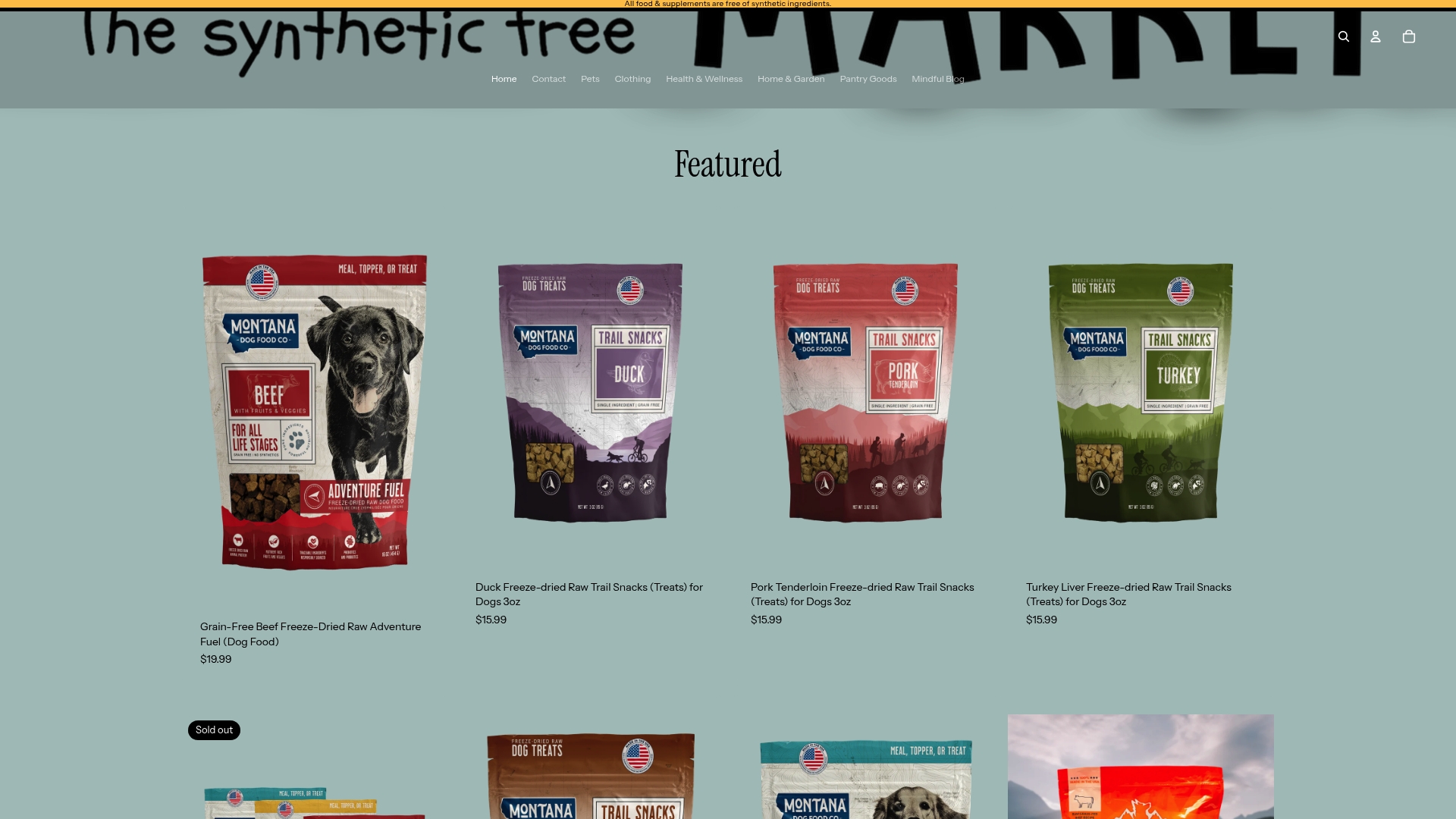
At Mindful Botany Market, you will find a curated selection of products designed to complement natural and raw feeding routines. The soft chew dog supplements are a practical addition to any natural diet, offering targeted nutritional support in a format dogs readily accept. Whether you are managing joint health, digestion, or immune function, these supplements pair well with the clean, whole-food diets that natural feeding prioritizes. Browse the full wellness catalog to find products that fit your dog’s specific needs and your feeding routine.
Frequently asked questions
Can you refreeze thawed natural dog food?
No. Thawed natural dog food should never be refrozen because refreezing thawed food allows bacteria to multiply through repeated temperature changes, creating a serious contamination risk.
How long can natural dog food stay in the fridge after opening?
Natural dog food should be used within 2 to 3 days of refrigeration. The CDC guidelines recommend using refrigerated pet food within a few days to maintain both safety and nutritional quality.
What containers are best for storing natural dog food?
Airtight, food-grade containers made from glass or BPA-free plastic are the best choice. They prevent moisture and air exposure, which slows spoilage and reduces the risk of bacterial contamination.
How can I tell if natural dog food has spoiled?
Spoiled natural dog food typically smells sour or rancid, appears discolored or grayish, and feels slimy or mushy to the touch. Any one of these signs is enough reason to discard the food.
Is it safe to store natural dog food with regular household food?
No. Raw pet food must be stored separately from human food at all times. Shared storage creates cross-contamination risk for both your pet and every person in your household.
Recommended
- What is fresh dog food? A complete guide to healthier choices – Mindful Botany Market
- How to mix supplements with dog food naturally – Mindful Botany Market
- Best natural sources for dog nutrition: a complete guide – Mindful Botany Market
- Natural pet food benefits for your dog’s health – Mindful Botany Market
0 comments