


TL;DR:
- More dog owners are switching to raw diets for whole ingredients and better control.
- Proper preparation, portioning, and veterinary oversight are essential for safe and balanced raw feeding.
- Raw diets carry risks of pathogen contamination and nutritional imbalances without careful management.
More dog owners are moving away from processed kibble and toward raw, natural diets with no synthetic additives. The appeal is clear: whole ingredients, recognizable proteins, and greater control over what goes in the bowl. But conflicting advice online, real safety concerns, and the sheer volume of preparation steps leave many feeling stuck before they even start. This guide cuts through the noise. It walks through exactly what to prepare, how to calculate portions, how to transition safely, and what to watch for once raw feeding is underway. Every step is grounded in practical evidence, not just anecdote.
Table of Contents
- Raw feeding essentials: What you need before you start
- Calculate portions: How much raw food does your dog need?
- Transitioning to raw: Step-by-step switch for your dog
- Troubleshooting raw feeding: Risks, safety, and how to check results
- Our take: What most raw feeding guides leave out
- Give your dog the healthiest start with mindful products
- Frequently asked questions
Key Takeaways
| Point | Details |
|---|---|
| Prep and hygiene matter | Starting with clean tools, quality meat, and safe handling practices greatly reduces risks from raw feeding. |
| Portion for your dog’s needs | Feed 2-3% of your dog’s body weight daily with the right ratio for muscle, bone, and organ content. |
| Change diets slowly | A gradual transition over 7-21 days supports digestive health and helps monitor your dog’s response. |
| Watch for health changes | Monitor energy, coats, and stools and consult a vet to catch issues early and optimize diet. |
| Balance and safety first | DIY and commercial raw diets can be unbalanced or carry contamination; strict hygiene and professional advice are best. |
Raw feeding essentials: What you need before you start
Before you make your first raw meal, it is crucial to get prepared. Walking into raw feeding without the right setup is the fastest way to run into problems, both for your dog’s health and your household’s hygiene.
The 80/10/10 framework
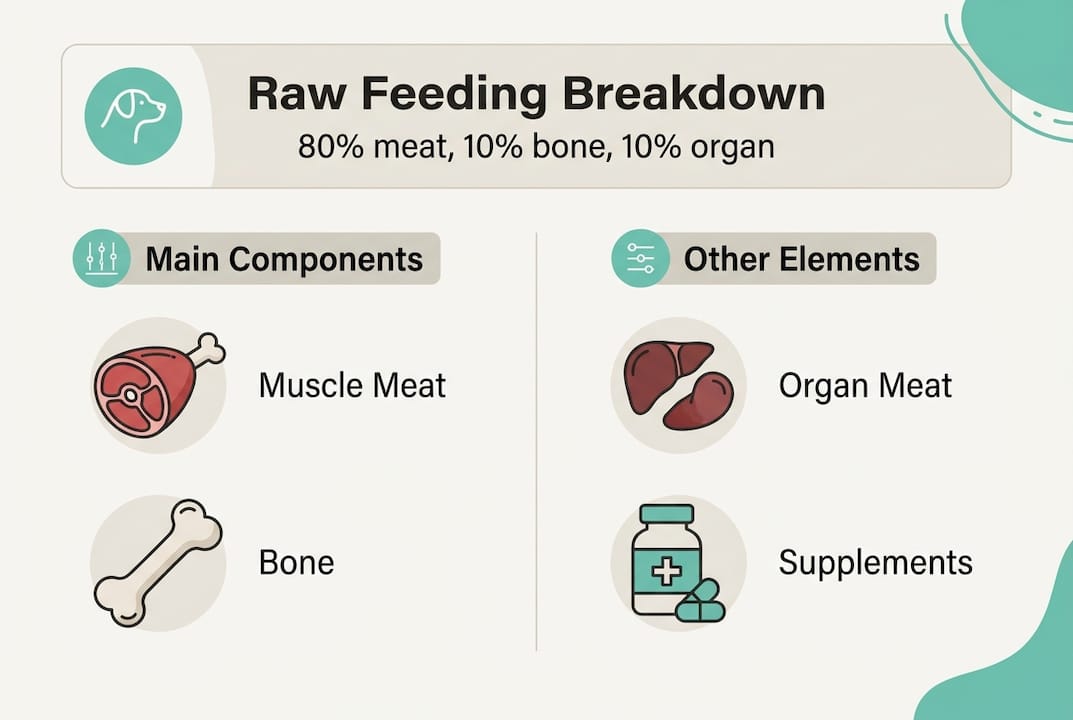
The foundation of raw feeding is the 80/10/10 model. Raw feeding follows an 80% muscle meat, 10% bone, 10% organ meat structure, with half of that organ portion being liver. This ratio mimics what a dog would consume from whole prey. Muscle meat provides protein and fat. Raw edible bone delivers calcium and phosphorus. Organs, especially liver, supply dense micronutrients.
When sourcing ingredients, quality matters. Look for clean label dog food principles: single-source proteins, no additives, and transparent ingredient lists. For a detailed breakdown of which proteins and organs to use, a trusted raw feeding ingredient guide can help you build variety safely.
Essential supplies checklist
- A dedicated meat-only cutting board (never share with human food)
- Stainless steel or glass storage containers with tight lids
- A kitchen scale for accurate portioning
- Leak-proof freezer bags for batch prepping
- Cleaning supplies: food-safe disinfectant, separate sponges
Hygiene is non-negotiable
Wash hands for at least 20 seconds before and after handling raw meat. Clean all prep surfaces immediately after use. Never let raw meat sit at room temperature for more than 30 minutes.
| Factor | Safe practice | Risky behavior |
|---|---|---|
| Meat sourcing | Human-grade, reputable supplier | Unknown or discount sources |
| Surface cleaning | Disinfect after every use | Wipe down occasionally |
| Storage | Sealed containers, below 40°F | Open bowls, fridge door shelf |
| Handling | Dedicated tools, gloves optional | Shared utensils, no handwashing |
Who should not feed raw
Households with immunocompromised individuals, infants, or elderly people face elevated risk from raw meat pathogens. In these situations, commercially prepared, high-pressure processed (HPP) raw options reduce but do not eliminate risk. A vet consultation is essential before starting.
Pro Tip: Batch prep a week’s worth of meals on one day, portion into individual servings, and freeze. It saves time and reduces how often you handle raw meat.
Calculate portions: How much raw food does your dog need?
With your supplies ready, the next crucial step is proper portioning. Feeding too little leads to weight loss and nutrient gaps. Feeding too much adds unnecessary weight and cost.
The 2 to 3 percent rule
Portion size is 2 to 3% of body weight daily, adjusted for life stage and activity level. The breakdown works like this:
| Dog type | Daily food amount |
|---|---|
| Puppy (under 12 months) | 3% of current or expected adult weight |
| Active adult dog | 2.5 to 3% of body weight |
| Average adult dog | 2 to 2.5% of body weight |
| Senior or sedentary dog | 1.5 to 2% of body weight |
For a deeper look at how the 80/10/10 raw dog food structure connects to portion ratios, it helps to understand how each component contributes to calorie and nutrient density.
Step-by-step calculation for a 50 lb adult dog
- Identify ideal body weight: 50 lbs
- Choose percentage: 2.5% for a moderately active dog
- Calculate: 50 x 0.025 = 1.25 lbs per day
- Convert to ounces: 1.25 lbs = 20 oz per day
- Split into meals: 10 oz per meal (twice daily)
- Apply the 80/10/10 ratio: 16 oz muscle meat, 2 oz bone, 2 oz organs
That final step matters. Raw food is not just protein. The bone and organ fractions carry nutrients that muscle meat alone cannot provide.
Monitoring and adjusting
Portions are a starting point. Watch body condition every two weeks. You should be able to feel the ribs without pressing hard, but not see them. If ribs become prominent, increase by 10%. If your dog is gaining unwanted weight, reduce by the same amount.
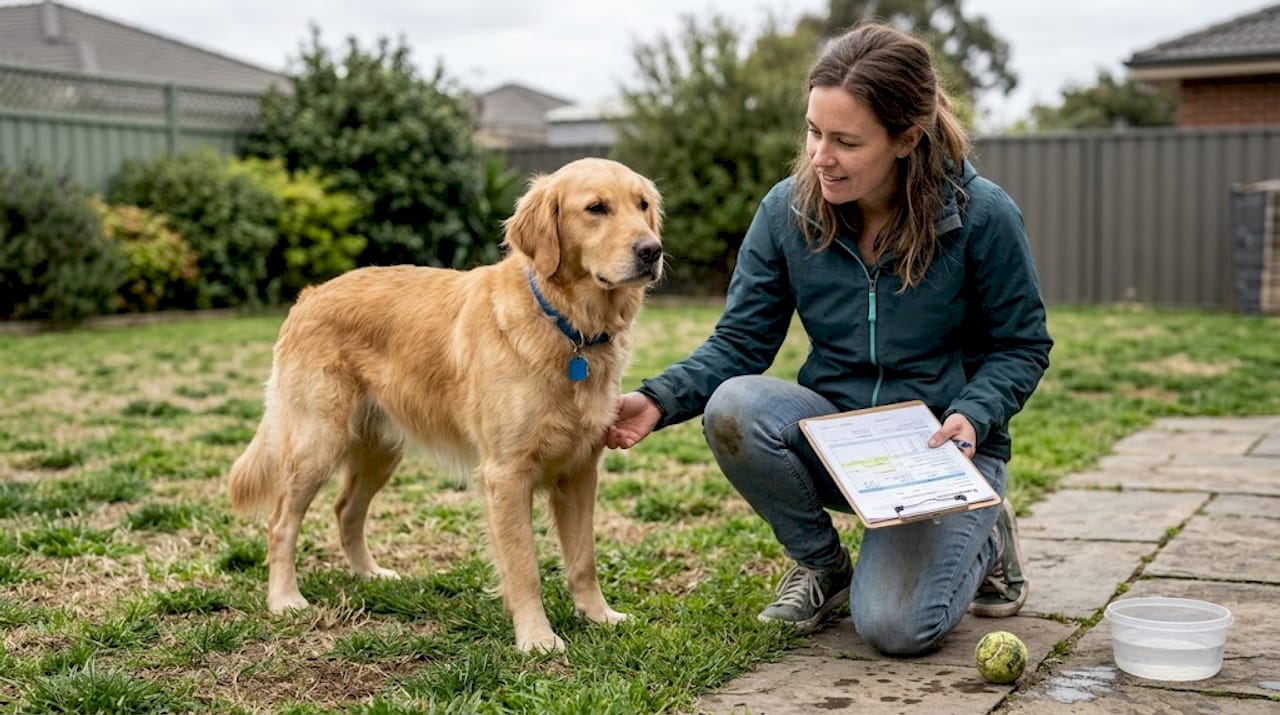
Choosing healthy dog food that fits your dog’s life stage also shapes how you adjust portions over time. Puppies growing rapidly may need weekly recalculations as they gain weight.
Pro Tip: Weigh food with a kitchen scale, not a measuring cup. Raw meat varies in density, and eyeballing leads to consistent underfeeding or overfeeding.
Transitioning to raw: Step-by-step switch for your dog
After calculating portions, it is time to shift your dog’s diet with care. Abrupt changes to any dog’s diet can cause digestive upset. A slow, structured transition minimizes that risk.
The transition timeline
Transition gradually over 7 to 21 days to avoid GI upset. A standard starting mix for Days 1 to 3 is 75% old food and 25% raw. Sensitive dogs may need to spend more time at each stage. Here is a practical breakdown:
- Days 1 to 3: 75% current food, 25% raw
- Days 4 to 7: 50% current food, 50% raw
- Days 8 to 14: 25% current food, 75% raw
- Day 15 onward: 100% raw
For a more thorough dog raw transition guide that covers special cases like sensitive stomachs and rescue dogs, external resources can fill in the gaps.
Pre-transition support
Giving a canine probiotic or digestive enzyme supplement for 5 to 7 days before starting helps prep the gut. This is especially useful for dogs that have been on kibble for years and have a different bacterial balance in their digestive system.
Practical pointer: Stool changes are one of the most reliable signals during transition. Loose stools for 1 to 3 days is common and not immediately alarming. Watery diarrhea lasting more than 3 days, blood in stool, or vomiting warrants a vet call.
Signs to watch during transition
- Normal: Slightly soft stools, more frequent bowel movements early on, mild lethargy
- Concerning: Bloody stool, repeated vomiting, complete loss of appetite beyond 48 hours, extreme lethargy
Special cases
For guidance on how to feed your dog real food safely across different life stages, puppies and seniors both need slower timelines and more frequent monitoring. Senior dogs with underlying conditions may need bloodwork before and after the switch.
Troubleshooting raw feeding: Risks, safety, and how to check results
During and after transition, knowing what to check and how to troubleshoot is vital. Raw feeding has real benefits for many dogs, but it also carries documented risks that owners must take seriously.
Pathogen risk is real
20 to 54% of commercial raw products test positive for contamination, and organizations including the AVMA, AAHA, WSAVA, and CDC advise against raw feeding due to pathogen risk outweighing claimed benefits. Salmonella, Listeria, and E. coli can spread from the dog’s bowl, feces, or mouth to human family members.
For a broader look at raw dog food risks before committing, it helps to read through both the benefits and the documented downsides.
Nutritional imbalance is common
Homemade raw diets are imbalanced 60 to 95% of the time, with even commercial raw options sometimes lacking key minerals like zinc, iodine, and manganese. The 80/10/10 ratio is a starting framework, not a complete nutrition guarantee.
Warning sign: A dull coat, flaky skin, or persistent low energy after 6 to 8 weeks on raw may signal a nutrient gap. These are not signs of detox. They are signs something is missing.
How to verify raw feeding is working
- Stool quality: Firm, small, and low-odor stools indicate good digestion
- Coat condition: Glossy, dense coat with no excessive shedding
- Energy level: Consistent, age-appropriate activity
- Weight stability: No unexpected gain or loss over 4 to 6 weeks
- Bloodwork: Annual or semi-annual panels to catch deficiencies early
For smart raw feeding choices that reduce risk while preserving the benefits, HPP-treated commercial raw foods and strict hygiene routines are the most practical safety layers available. Peer-reviewed raw feeding research continues to evolve, so staying current matters.
Pro Tip: Run a full bloodwork panel 3 months after switching to raw. It gives objective data rather than relying on visual cues alone.
Our take: What most raw feeding guides leave out
Raw feeding has clear appeal. Whole ingredients, fewer additives, and dogs that often visibly thrive on it. But most guides skip over what makes it genuinely hard: not the prep, but the uncertainty.
Some dogs do exceptionally well on raw. Others do not. Their microbiomes, health histories, and individual metabolisms vary more than breed or size alone can predict. Anecdotal success stories spread fast online, but controlled data is still limited, and the studies that do exist tend to reflect risks that owners in enthusiastic communities routinely dismiss.
Veterinarians who push back on raw feeding are not being overly cautious. They see the cases that do not get posted as success stories: the dog with persistent deficiency, the household salmonella case, the puppy with bone-related injury. Their concern is grounded in real case experience.
The strongest position on raw feeding is not all-in or all-out. It is: proceed with oversight. Get a vet or canine nutritionist involved. Run bloodwork. Look at healthiest dog food options across the full spectrum rather than assuming raw is automatically superior. Owner intuition is valuable but not a substitute for objective data.
Give your dog the healthiest start with mindful products
Raw feeding works best when it is supported by the right products alongside it. A strong gut foundation, clean skin and coat, and consistent wellness checks all play a role in how well a dog adapts to a new diet.
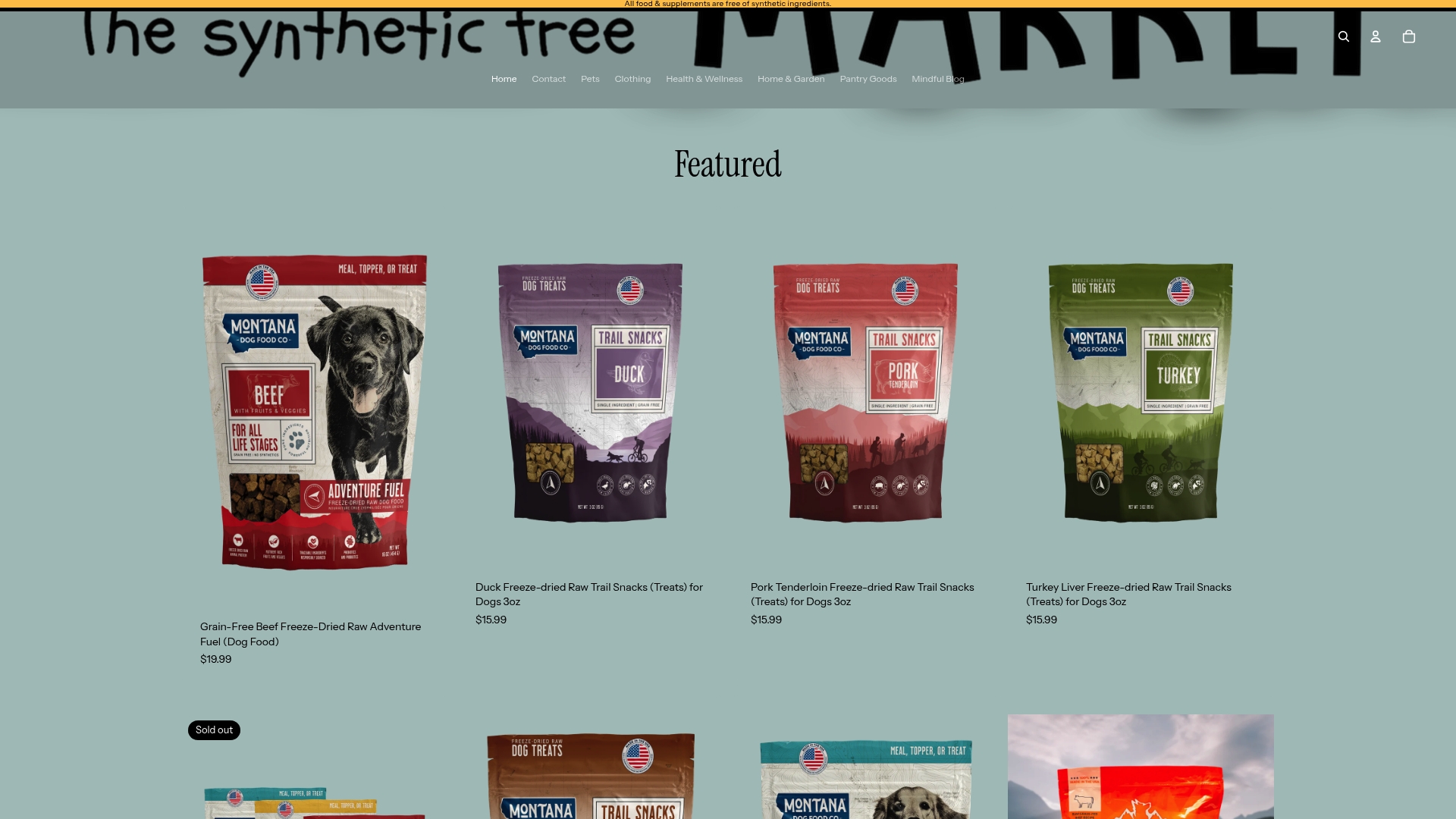
At Mindful Botany Market, the focus is on practical, natural support for dogs at every stage of the raw feeding process. Natural dog supplements in soft chew form can help bridge nutritional gaps during transition. For coat and skin care that complements a raw diet, a gentle pet shampoo keeps your dog clean without harsh chemicals. Browse the full range at Mindful Botany Market to find curated wellness products that align with a natural feeding approach.
Frequently asked questions
How do I safely prepare raw dog food at home?
Thaw meat in the fridge for 24 hours, serve at room temperature, and clean all surfaces thoroughly after every prep session to reduce pathogen exposure.
Can I feed raw food to puppies or senior dogs?
Yes, but adjust portions and transition more slowly than you would for a healthy adult dog. Consult a vet for dogs with existing medical conditions or complex health histories.
What are the main risks with raw feeding?
Pathogen contamination rates between 20 and 54% in commercial raw products make foodborne illness a primary concern, alongside nutritional imbalances that require strict safety practices and professional oversight to manage.
How do I know if my dog is doing well on raw food?
Shinier coats, firmer stools, and better energy levels are commonly reported signs of a dog adapting well. Regular weigh-ins and health checks confirm whether the diet is maintaining proper body condition.
Is a homemade raw diet complete and balanced?
Homemade raw diets are nutritionally incomplete in the majority of cases, often lacking key minerals. Professional guidance from a vet or canine nutritionist is the most reliable way to avoid long-term deficiencies.
Recommended
- Feed your dog real food: a practical how-to guide – Mindful Botany Market
- Raw Dog Food Benefits: Health, Nutrition & Risks – Mindful Botany Market
- Raw food for pets: benefits, risks & smart choices – Mindful Botany Market
- What is fresh dog food? A complete guide to healthier choices – Mindful Botany Market