


TL;DR:
- Superfoods are nutrient-dense ingredients that support dogs’ health beyond basic nutrition.
- Scientific evidence is strongest for monk fruit extract and omega-3 fatty acids like salmon oil.
- Introduce superfoods gradually, monitor responses, and consult your veterinarian for safe use.
Not all dog foods deliver equal nutrition, and the gap between a standard commercial diet and a superfood-enriched one can be significant. Superfoods are nutrient-dense ingredients that go beyond basic caloric needs, offering targeted compounds that support skin, digestion, immunity, and energy. While monk fruit extract improved atopic dermatitis signs in 32 dogs in a controlled study, most superfood claims still rely heavily on owner observation and veterinary opinion. This guide covers what superfoods are, what the science actually supports, which ones are worth adding to your dog’s bowl, and how to do it safely.
Table of Contents
- What are superfoods and why do they matter for dogs?
- Science and evidence: Do superfoods really improve dog health?
- Popular superfoods: What can and should you feed your dog?
- Using superfoods for targeted health issues: Skin, digestion, energy, and more
- A mindful perspective: Why the superfood craze needs more science and level-headed pet owners
- Natural solutions from Mindful Botany Market
- Frequently asked questions
Key Takeaways
| Point | Details |
|---|---|
| Superfoods defined | Superfoods are nutrient-rich foods used to boost dog health naturally, offering an alternative to synthetic additives. |
| Evidence is emerging | Scientific support exists for some superfoods, like monk fruit for skin issues, while most rely on owner and vet opinion. |
| Targeted health benefits | Selecting specific superfoods can address canine health problems such as skin, digestion, and energy. |
| Safe introduction is key | Introduce superfoods gradually and always monitor your dog’s response for optimal results and safety. |
| Balanced perspective urged | Pet owners should balance excitement for superfoods with evidence, safety, and real-world observation. |
What are superfoods and why do they matter for dogs?
The term “superfood” is not a regulated scientific category. It refers to whole foods or extracts that are unusually rich in vitamins, minerals, antioxidants, or bioactive compounds. For dogs, these are ingredients that go beyond filling a bowl and may actively support health at a cellular level.
Most commercial dog foods rely on synthetic additives to meet nutritional minimums. These additives can include artificial preservatives, synthetic vitamins, and chemical flavor enhancers. Superfoods offer a natural alternative, delivering nutrition in forms the body can more readily use. Pet owners who are choosing healthy dog food are increasingly looking past the ingredient panel and toward functional nutrition.
Here is why the shift toward natural options is growing:
- Synthetic additives in conventional foods raise concerns about long-term exposure
- Whole food ingredients provide co-factors that synthetic nutrients often lack
- Owner awareness of human nutrition trends is spilling into pet care decisions
- Veterinary interest in functional diets is increasing, especially for chronic conditions
- Transparency in sourcing and ingredients is now a baseline expectation for many buyers
That said, the evidence base is still developing. As noted in current research benchmarks, most claims about superfoods in dog diets are based on anecdotal reports or veterinary opinion rather than randomized controlled trials. Specific extracts like monk fruit show genuine promise for targeted issues, but broad claims about “superfoods” as a category should be read with healthy skepticism.
“The most honest position is this: superfoods are not magic. They are nutrient-rich ingredients that, when used correctly, can meaningfully support a dog’s health. The key word is ‘correctly.’”
For those exploring sustainable dog nutrition or looking to feed your dog real food, superfoods represent a practical starting point rather than a complete solution.
Science and evidence: Do superfoods really improve dog health?
The science on superfoods for dogs is narrow but notable. Most research focuses on specific extracts rather than broad food categories. The clearest example comes from a 2025 study on monk fruit extract.

In a controlled trial involving 32 dogs with atopic dermatitis, a functional diet containing Siraitia grosvenorii (monk fruit) extract produced measurable improvements across three clinical markers: TEWL (transepidermal water loss), CADESI-04 (skin inflammation score), and PVAS (owner-assessed itch severity). Owner satisfaction was high. These are not vague wellness claims. These are measured clinical outcomes tied to a specific ingredient.
| Outcome measure | What it tracks | Result in study |
|---|---|---|
| TEWL | Skin barrier integrity | Significant reduction |
| CADESI-04 | Skin inflammation severity | Significant reduction |
| PVAS | Owner-reported itch score | Significant reduction |
| Owner satisfaction | Overall diet rating | High |
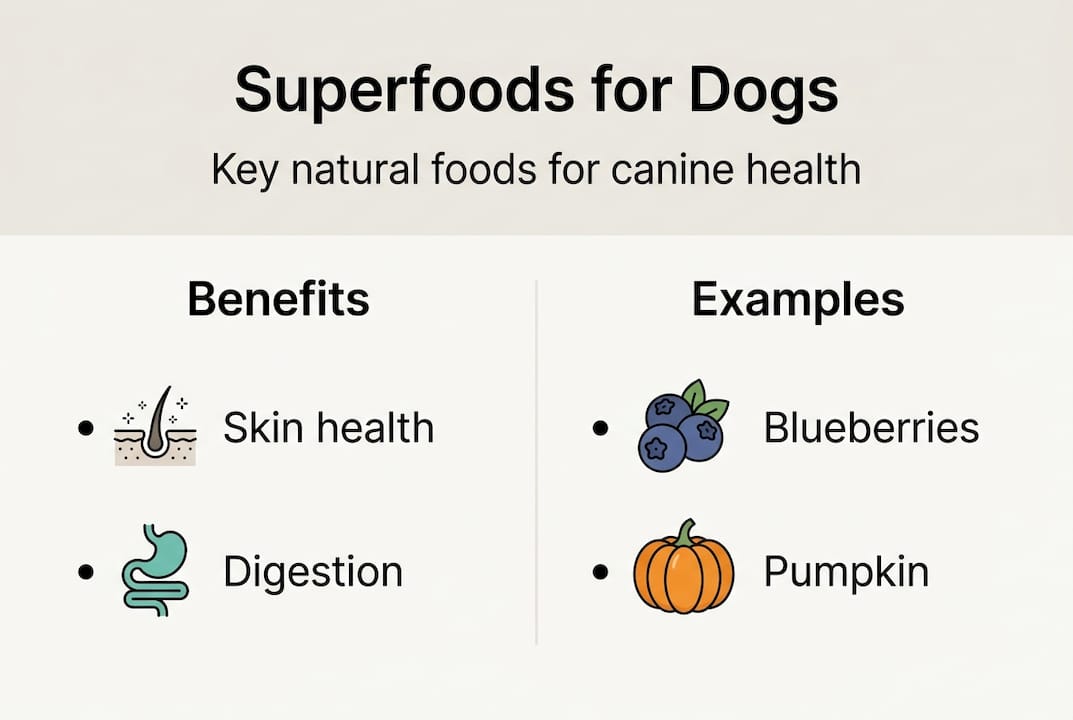
Beyond monk fruit, the evidence thins out quickly. Blueberries show antioxidant activity in lab settings. Pumpkin is widely recommended for digestion, though mostly by vets based on clinical experience. Salmon oil has a stronger evidence base in both human and veterinary nutrition for omega-3 fatty acid delivery.
The honest read on raw dog food benefits and superfood-enriched diets is that owner-reported outcomes are real data, even if they are not randomized trials. Dogs eating better food often look better, scratch less, and have more consistent digestion. That pattern matters, even when the mechanism is not fully mapped.
Pro Tip: When evaluating any superfood product, look for formulas that reference specific functional ingredients and their studied benefits. Vague claims like “supports overall wellness” are less useful than labels citing specific compounds and their roles.
For a broader view of what works across diet types, the healthiest dog food types guide covers the full landscape alongside the dog diet studies that inform current recommendations.
Popular superfoods: What can and should you feed your dog?
Not every superfood that works for humans is appropriate for dogs. Here is a practical breakdown of the most commonly used options, their benefits, and what to watch.
| Superfood | Primary benefit | Caution |
|---|---|---|
| Monk fruit extract | Skin health, anti-inflammatory | Use only in formulated products |
| Blueberries | Antioxidants, cognitive support | High sugar; limit quantity |
| Pumpkin | Digestive regularity | Avoid sweetened canned versions |
| Salmon oil | Omega-3s, coat and joint health | Watch for rancidity; store properly |
| Sweet potatoes | Fiber, beta-carotene | High glycemic; use in moderation |
| Chia seeds | Omega-3s, hydration support | Introduce slowly; can cause bloating |
As noted in current evidence reviews, specific extracts like monk fruit have targeted research support, while broader superfood claims remain mostly anecdotal. That does not make them useless. It means you should use them as additions to a solid diet, not replacements for one.
Key safety points to keep in mind:
- Introduce one superfood at a time so you can identify any reaction
- Stick to dog-safe forms: plain, unseasoned, and free from additives like xylitol or onion
- Watch portion size: even beneficial foods cause problems in excess
- Check with your vet if your dog has a known condition or is on medication
Pro Tip: Start with a single teaspoon of any new food mixed into your dog’s regular meal. Wait 48 to 72 hours before adding anything else. This slow approach makes it easy to spot intolerance early.
For ready-made options that already include vetted ingredients, the natural dog treats guide and the fresh dog food guide both cover products that incorporate these superfoods in appropriate amounts.
Using superfoods for targeted health issues: Skin, digestion, energy, and more
Superfoods are most useful when matched to a specific health goal. General wellness is a valid aim, but the clearest results come when owners and vets identify a problem and select ingredients accordingly.
Here is a step-by-step approach to targeted superfood use:
- Identify the issue: skin irritation, loose stool, low energy, or recurring infections
- Research ingredients with documented relevance to that issue
- Select a formula or whole food that includes that ingredient at a meaningful level
- Introduce gradually and track changes over two to four weeks
- Adjust or discontinue based on what you observe
For skin conditions, the evidence is clearest. Monk fruit extract reduced atopic dermatitis signs in dogs across multiple clinical measures, making it one of the few superfoods with direct study support. Dogs with chronic itching, redness, or flaking may benefit from a functional diet that includes this extract.
For digestion, pumpkin and chia seeds are the most commonly used options. Both add soluble fiber, which supports gut motility and stool consistency. Probiotic-rich foods like plain kefir are also gaining traction among owners managing dogs with sensitive stomachs.
For energy and immunity, salmon oil and blueberries are practical additions. Omega-3 fatty acids from salmon oil support cell membrane function, which affects everything from joint flexibility to immune response. Blueberries provide anthocyanins, a class of antioxidants linked to cognitive and immune support.
“High owner satisfaction scores in functional diet studies reflect something real: when dogs feel better, owners notice. That feedback loop is worth taking seriously, even when the science is still catching up.”
For dogs with active skin issues, pairing a functional diet with a topical solution like an itch relief dog shampoo can address both internal and external factors. Those interested in a broader dietary approach can explore the raw pet food guide or review specialty dog food categories designed for specific conditions.
A mindful perspective: Why the superfood craze needs more science and level-headed pet owners
The superfood category in pet nutrition moves fast, and marketing often outruns the research. That gap is worth naming directly. Most ingredients labeled as superfoods for dogs have limited controlled trial data behind them. That does not mean they are ineffective. It means owners should stay observant and skeptical in equal measure.
The practical wisdom here is straightforward: use what has evidence first, then layer in other ingredients cautiously. Monk fruit extract has a study. Salmon oil has decades of omega-3 research behind it. Blueberries have plausible mechanisms. Start there before reaching for exotic or expensive additions with no data trail.
Owners who treat their dogs as individuals, tracking responses and adjusting over time, tend to get better outcomes than those chasing trends. The best diet for your dog is the one that produces visible, consistent results in coat quality, digestion, energy, and comfort. Exploring fresh dog food choices with functional ingredients is a reasonable, grounded place to start.
Natural solutions from Mindful Botany Market
For pet owners ready to act on what the evidence supports, Mindful Botany Market offers a curated selection of natural wellness products for dogs. The focus is on clean ingredients, functional formulas, and transparency in sourcing.
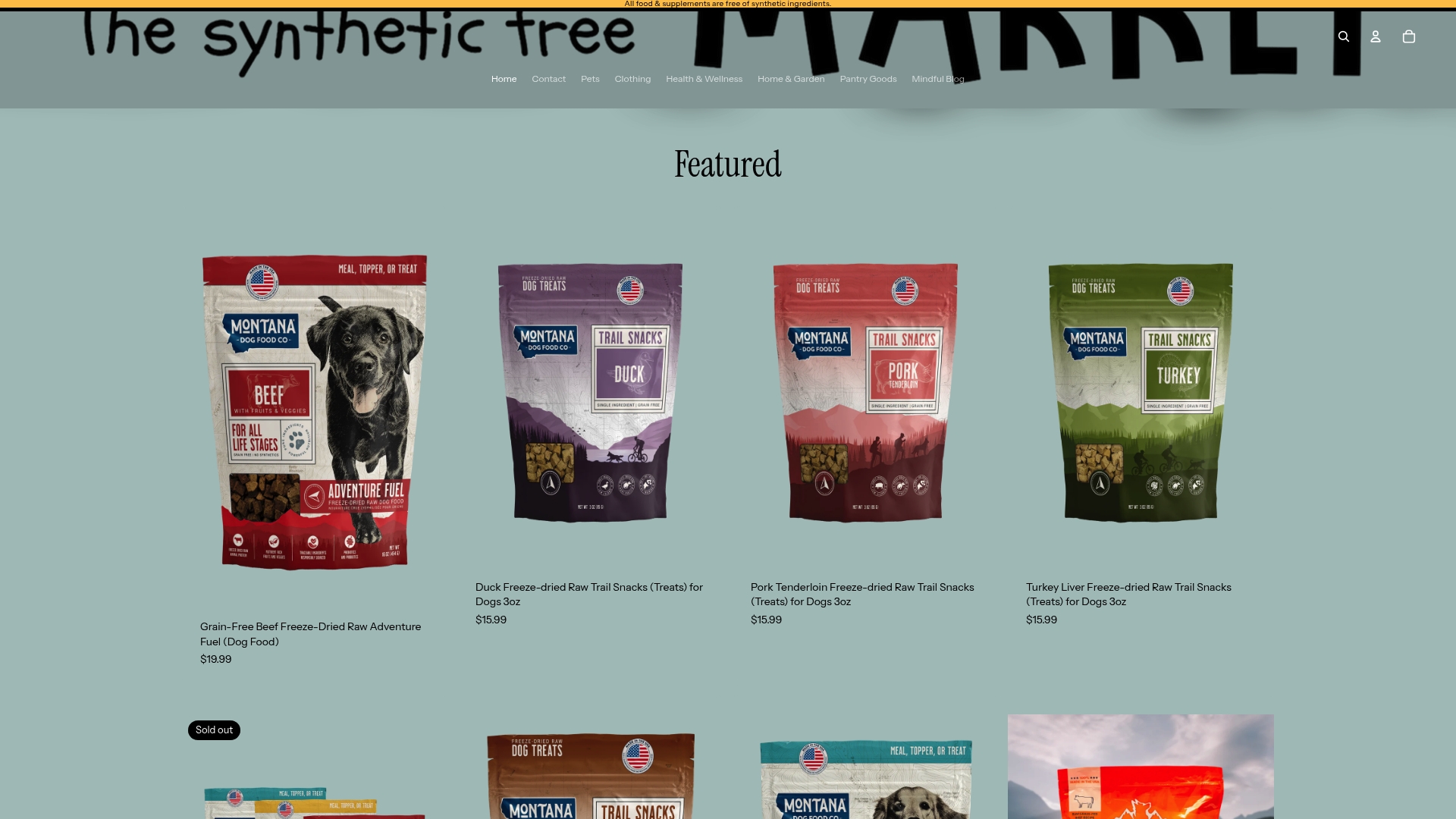
The dog supplement chews available on the platform are formulated with targeted functional ingredients, not filler compounds. For dogs with skin concerns, the oatmeal pet shampoo supports topical relief alongside dietary changes. Both products reflect the same standard: natural, specific, and purposeful. Browse the full range of dog-safe wellness options at Mindful Botany Market to find what fits your dog’s needs.
Frequently asked questions
Are superfoods safe for all dogs?
Most superfoods are safe in moderation, but individual dogs may have intolerances or underlying health conditions that change the picture. Consult your vet before making significant dietary changes, especially if your dog is on medication or has a diagnosed condition. As current evidence shows, safety depends on careful observation rather than blanket assumptions.
Which superfoods have actual scientific backing for dogs?
Monk fruit extract has the clearest study support, with documented improvements in atopic dermatitis signs across clinical markers. Salmon oil also has a strong evidence base for omega-3 delivery. Most other superfoods rely on anecdotal reports or veterinary opinion rather than controlled trials.
How can I introduce superfoods into my dog’s diet?
Start with small portions mixed into your dog’s regular food, and monitor for 48 to 72 hours before adding anything new. Owner satisfaction and measured health improvements in functional diet studies consistently follow cautious, gradual introduction rather than sudden dietary overhauls.
Can superfoods help with skin conditions in dogs?
Yes, particularly monk fruit extract. A 2025 study showed that monk fruit extract reduced atopic dermatitis severity across multiple clinical measures in 32 dogs, with high owner satisfaction reported throughout the trial period.
Recommended
- Healthy dog food: how to choose the best for your pet – Mindful Botany Market
- Healthy dog treats: Natural, safe, and vet-approved options – Mindful Botany Market
- Guide to the healthiest dog food types for canine wellness – Mindful Botany Market
- Raw Dog Food Benefits: Health, Nutrition & Risks – Mindful Botany Market