


TL;DR:
- Tailored dog nutrition focuses on creating personalized diets based on individual dogs’ age, breed, health, and activity, rather than relying solely on standard commercial formulas. It involves data-driven recipe formulation overseen by veterinary nutritionists, emphasizing ingredient transparency and high-quality, whole-food ingredients. This approach benefits dogs with specific health needs or sensitivities while maintaining safety, adaptability, and nutritional completeness.
Most dog owners assume a bag of kibble labeled “complete and balanced” covers everything their pet needs. The reality is more complicated. Off-the-shelf diets often miss unique canine needs, especially when a dog has food sensitivities, a chronic health condition, or simply a metabolism that does not match the breed average. Tailored dog nutrition takes a different approach, using real ingredient transparency, veterinary expertise, and data-driven personalization to build diets that match what individual dogs actually require. This guide breaks down what tailored nutrition is, how it works, and how to decide whether it belongs in your dog’s bowl.
Table of Contents
- What is tailored dog nutrition?
- How tailored dog diets are created
- Key ingredients in personalized dog food
- Who should (and shouldn’t) choose tailored nutrition?
- Why tailored dog nutrition is changing how we feed our pets
- Next steps: Practical solutions to support your dog’s nutrition
- Frequently asked questions
Key Takeaways
| Point | Details |
|---|---|
| Defined tailored nutrition | Tailored dog nutrition uses customized plans to meet each pet’s unique dietary needs. |
| Expert-driven process | Veterinary oversight and data-gathering tools create safe, effective personalized meals. |
| Natural, whole ingredients | Personalized foods use human-grade meats and functional additives for health support. |
| Best for special needs | Dogs with allergies, chronic issues, or specific health goals benefit most from customization. |
| Regular expert review is essential | Always involve veterinarians to ensure nutritional balance and safety in custom plans. |
What is tailored dog nutrition?
Tailored dog nutrition means building a diet around a specific dog rather than an average one. Instead of selecting from standard formulas, owners and veterinary professionals assess variables unique to that pet and use that data to shape feeding recommendations.
Key variables that go into a tailored nutrition plan include:
- Age and life stage: Puppies, adults, and seniors have different protein, fat, and mineral requirements
- Breed and size: A 90-pound Labrador and a 12-pound Shih Tzu process calories and nutrients at very different rates
- Activity level: Working dogs and highly active breeds need more caloric density and protein than sedentary dogs
- Health status: Conditions like kidney disease, diabetes, pancreatitis, and food allergies each require specific dietary adjustments
- Body condition score: Overweight and underweight dogs need portion control and macronutrient calibration
- Known food sensitivities: Ingredient exclusions are central to managing chronic allergies
Tailored nutrition plans use questionnaires, breed data, and algorithms overseen by veterinary nutritionists to translate this information into a workable daily feeding plan. Some services are digital and subscription-based, while others rely on a one-on-one consultation with a board-certified veterinary nutritionist.
This is quite different from feeding your dog real food on a trial-and-error basis. Guessing which ingredients work is not the same as formulating a diet that meets all National Research Council (NRC) or AAFCO nutritional guidelines. When choosing healthy dog food, understanding what personalized formulation actually involves is the first practical step.
Pro Tip: Ask your vet for your dog’s most recent body condition score and bloodwork results before pursuing any tailored nutrition plan. These numbers give a nutritionist real data to work with rather than estimates.
How tailored dog diets are created
Creating a personalized diet is a structured process. It is not as simple as swapping kibble for fresh chicken. Each step is designed to ensure the final diet is both appropriate for the dog’s condition and nutritionally complete.
The typical creation process works like this:
- Data collection: The owner fills out a detailed questionnaire covering breed, age, weight, health history, current diet, activity level, and any known food sensitivities or diagnosed conditions
- Algorithm or expert review: The data is either processed through a proprietary algorithm or reviewed directly by a veterinary nutritionist, or both
- Recipe formulation: A recipe is built to meet defined caloric and nutritional targets, specifying proteins, carbohydrates, fats, and micronutrient sources
- Ingredient sourcing: Most premium services select whole-food, human-grade ingredients, avoiding meat meals, artificial preservatives, and low-quality fillers
- Preparation and portioning: Food is prepared fresh or gently cooked, then portioned into daily or weekly servings based on caloric targets
- Delivery and monitoring: Subscription services deliver meals at regular intervals, with built-in prompts to update dog data as the animal ages or its health status changes
Leading companies like Farmer’s Dog and Ollie use algorithms and veterinary nutritionists to turn owner-submitted data into bespoke recipes built from whole-food ingredients. This combination of technology and human expertise is what separates properly tailored nutrition from simple fresh-food brands.
The table below shows how tailored diets compare to conventional preparation methods:
| Feature | Tailored/Personalized diet | Standard commercial kibble |
|---|---|---|
| Ingredient quality | Human-grade, whole-food | Variable; often includes meals and fillers |
| Nutritional targeting | Individual dog profile | Average dog by weight class |
| Allergy management | Ingredient exclusions built in | Limited options |
| Veterinary oversight | Usually included | Rarely included |
| Cost | Higher | Lower |
| Freshness | Gently cooked or raw, portioned fresh | Shelf-stable, processed |
For dogs that benefit from functional superfoods, tailored services often incorporate ingredients covered in depth on superfoods for dogs, including blueberries, pumpkin, and leafy greens that support immune function and digestion.

Key ingredients in personalized dog food
One of the strongest arguments for tailored nutrition is ingredient quality and transparency. Standard commercial dog food frequently uses meat meals, corn syrup, artificial colors, and synthetic preservatives to extend shelf life and reduce manufacturing costs. Personalized diets take a fundamentally different approach.
Personalized pet food frequently features human-grade meats, vegetables, hemp oil, probiotics, and prebiotics as core components. Here is what each of these contributes:
- Whole meats (chicken, turkey, beef, salmon): Primary protein and amino acid sources; easier for most dogs to digest than rendered meat meals
- Seasonal vegetables (sweet potato, peas, carrots, spinach): Provide fiber, beta-carotene, potassium, and antioxidants without artificial additives
- Hemp oil: Rich in omega-3 and omega-6 fatty acids, supporting skin health, coat condition, and anti-inflammatory responses
- Probiotics (Lactobacillus acidophilus, Bifidobacterium animalis): Live bacterial cultures that support gut microbiome balance; often measured in hundreds of millions of CFUs per serving
- Prebiotics (chicory root, inulin): Feed beneficial gut bacteria and improve stool consistency
- Targeted supplements (zinc, vitamin E, taurine): Added to correct known nutritional gaps based on the dog’s health profile
Comparison: Personalized vs. standard commercial ingredients
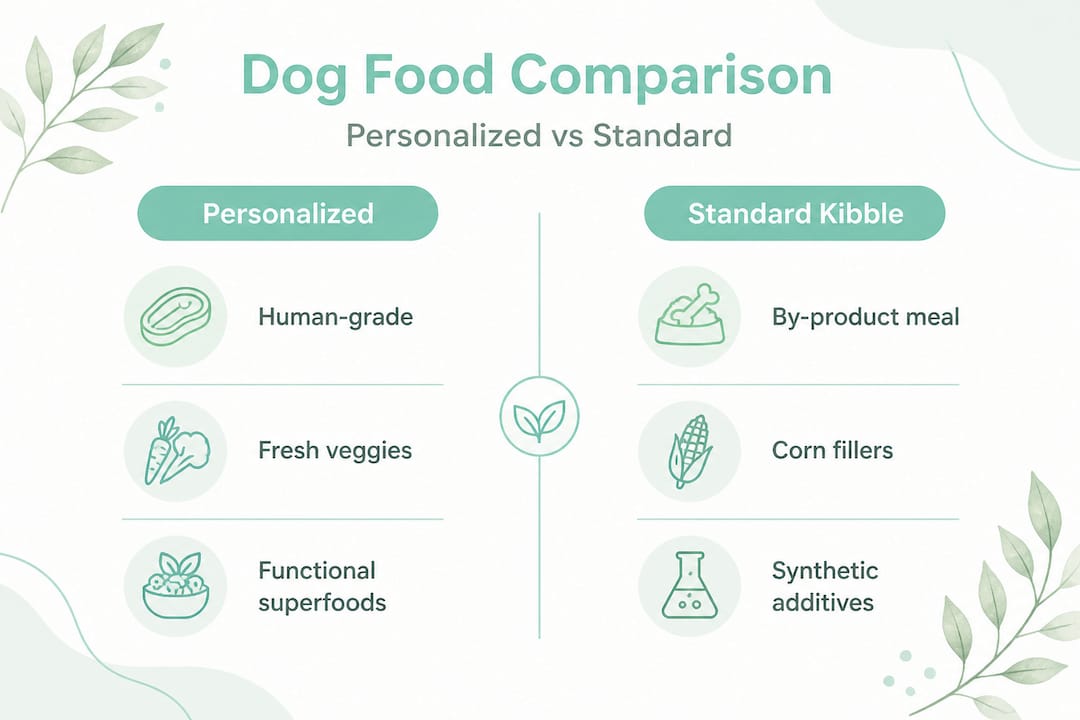
| Ingredient category | Personalized diet | Standard commercial kibble |
|---|---|---|
| Protein source | Whole chicken breast, salmon fillet | Chicken meal, poultry by-product meal |
| Carbohydrate | Sweet potato, brown rice | Corn, wheat, soy |
| Fat source | Flaxseed oil, hemp oil | Animal fat (generic) |
| Gut support | Live probiotics and prebiotics | Occasionally included |
| Preservatives | None or natural (vitamin E) | BHA, BHT, ethoxyquin |
Dogs with skin problems, chronic loose stools, or dull coats are often candidates for the benefits of raw dog food or gently cooked fresh diets. Owners who want a clear picture of what to avoid should also review clean label dog food options before committing to any formula. For a full breakdown of ingredient sourcing, natural sources for dog nutrition covers key whole-food categories in practical detail.
Key stat: Probiotic blends in personalized pet foods commonly deliver 200 million to 1 billion CFUs per serving, which is significantly higher than most standard commercial formulas.
Who should (and shouldn’t) choose tailored nutrition?
Tailored nutrition works best for dogs with specific, identifiable needs. It is not automatically superior for every dog. Understanding who benefits most, and who may be fine on a well-chosen commercial diet, helps owners make practical decisions.
Dogs most likely to benefit from personalized nutrition:
- Dogs diagnosed with food allergies or intolerances (chicken, beef, wheat, dairy are common triggers)
- Dogs managing chronic conditions including kidney disease, diabetes, inflammatory bowel disease, or pancreatitis
- Senior dogs with declining digestive efficiency or muscle mass loss
- Highly active working dogs or sporting breeds with elevated caloric and protein needs
- Dogs recovering from surgery or illness requiring targeted nutrient support
- Picky eaters who consistently refuse standard commercial formulas
Situations where standard diets may be sufficient or safer:
- Healthy dogs with no known sensitivities and normal bloodwork
- Situations where a board-certified veterinary nutritionist is not available to review the tailored plan
- Owners attempting to formulate home diets without expert support
Board-certified veterinary nutritionist involvement is essential because deficiencies and excesses of nutrients are often invisible until they cause clinical problems. The Dog Aging Project found that most home-prepared diets studied were not nutritionally complete, even when owners believed they were following a balanced approach.
“Home-prepared diets feature diverse ingredients, but few are nutritionally complete without board-certified veterinary nutritionist guidance.” Dog Aging Project Research Findings
Pro Tip: If a personalized nutrition service does not clearly state that a board-certified veterinary nutritionist (not just a general nutritionist or pet dietitian) oversees recipe formulation, ask for clarification before subscribing.
Building a plan around essential dog nutrients ensures that personalization does not accidentally remove something critical. Personalized services need to demonstrate nutritional completeness, not just ingredient quality.
Personalized nutrition efficacy is strongest when targeting specific conditions. Dogs with general wellness needs and no diagnosed problems may see only marginal improvement over a well-chosen commercial option. The cost-benefit analysis matters here.
Why tailored dog nutrition is changing how we feed our pets
There is a tendency in pet nutrition marketing to position personalized diets as the solution to every health problem a dog might have. That framing overclaims. Clinical outcomes are more robust when tailored diets target specific conditions rather than promise generalized longevity or wellness gains.
The real shift happening in dog nutrition is not about miraculous health transformations. It is about three practical things: ingredient transparency, expert accountability, and adaptability.
Ingredient transparency matters because most dog owners have no clear idea what “chicken by-product meal” or “animal digest” actually means in a standard kibble. Tailored services that publish full ingredient lists and sourcing information give owners actionable knowledge. That knowledge transfer changes how people make decisions, not just for one purchase, but ongoing.
Expert accountability is the piece most often missing in DIY approaches. Plenty of owners cook for their dogs with good intentions and still produce diets that are deficient in zinc, calcium, or vitamin D. Professional oversight closes that gap. It is not a luxury for health-obsessed pet owners. It is a safety measure.
Adaptability is perhaps the most underrated benefit. A dog’s nutritional needs change with age, activity level, and health status. Subscription-based tailored nutrition services build in a mechanism to update the dog’s profile and adjust the diet accordingly. Standard kibble does not do that.
The honest position on conventional diets is that they should not be dismissed. Many AAFCO-approved commercial foods are safe, complete, and appropriate for healthy dogs. Hybrid approaches, using high-quality commercial food as a base and adding targeted supplements like omega-3s or probiotics, can bridge the gap for owners who want better nutrition without a full subscription commitment. Phased transitions also reduce digestive disruption when moving toward fresh or raw components.
The brands and services doing this well, including options now carried in major retail chains, are making natural pet food benefits more accessible to mainstream pet owners. That wider access is genuinely positive. Just match the product level to the dog’s actual need.
Next steps: Practical solutions to support your dog’s nutrition
Understanding tailored nutrition is the first step. Implementing it does not always require a full subscription service from day one. For many owners, starting with targeted, vet-relevant supplements alongside a quality base diet is a practical and lower-barrier entry point.
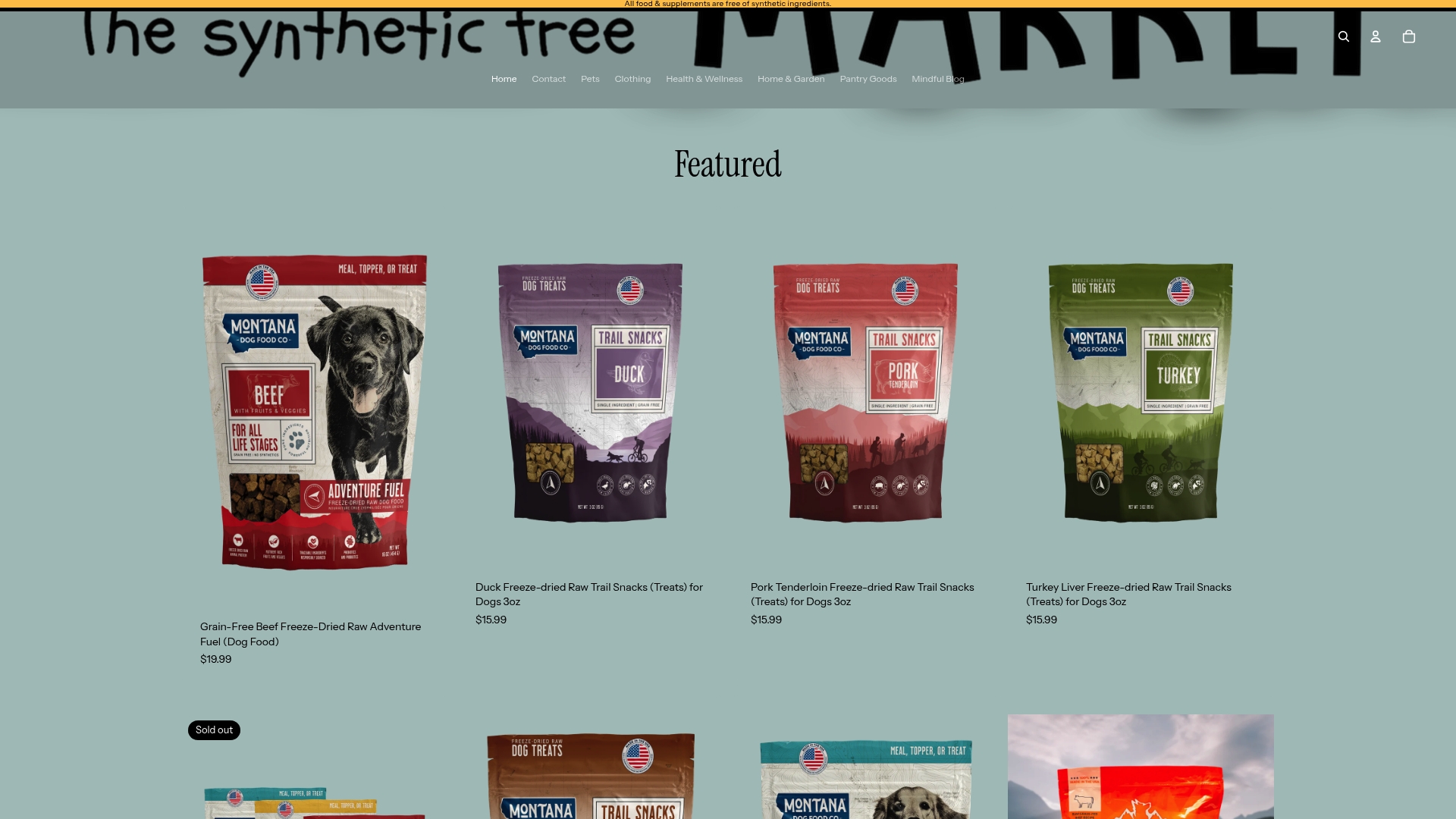
Mindful Botany Market offers a focused selection of natural health and wellness products for pets, including options designed for dogs with specific nutritional needs. If your dog is showing signs of gut sensitivity, coat issues, or immune concerns, soft chew dog supplements provide a straightforward way to add functional ingredients like probiotics, hemp oil, and omega fatty acids without overhauling the entire diet. Each product listing includes clear ingredient information so owners can match the supplement to what their dog actually needs. It is a practical starting point for supporting personalized nutrition goals with transparent, natural ingredients.
Frequently asked questions
How do I know if my dog needs a tailored diet?
Look for consistent signs like chronic itching, recurring digestive upset, poor coat condition, or a diagnosed health condition. Personalization works best for allergies or chronic needs, and a veterinary assessment is the most reliable first step.
Are personalized dog foods safe?
They are safe when formulated or reviewed by a board-certified veterinary nutritionist and when regular vet check-ups monitor the dog’s response. Nutritionist review is essential for safety, particularly for dogs with medical conditions.
Can I make tailored nutrition at home?
Homemade diets are possible but carry real risk without professional guidance. Home-prepared diets often lack completeness unless a board-certified veterinary nutritionist designs or reviews the specific recipe.
What health conditions benefit most from personalized nutrition?
Personalized recipes can target allergies, ailments, and digestive support with the strongest clinical results seen in dogs managing food allergies, inflammatory bowel disease, kidney disease, and pancreatitis.
Recommended
- Healthy dog food: how to choose the best for your pet – Mindful Botany Market
- Essential nutrients for dogs: optimize health with natural foods – Mindful Botany Market
- Superfoods for dogs: boost canine health naturally – Mindful Botany Market
- Feed your dog real food: a practical how-to guide – Mindful Botany Market
0 comments