


TL;DR:
- Reputable dog food features transparent ingredients, natural preservatives, and meets official nutritional standards.
- High-quality diets improve digestion, coat health, energy levels, and can extend a dog’s lifespan.
- Choosing the right brand requires ongoing review of ingredient sourcing, recalls, certifications, and ingredient integrity.
Cheap dog food sits on store shelves with attractive packaging, bold claims, and low price tags. What it often hides is a long list of synthetic dyes, meat byproduct meals, and chemical preservatives that can quietly erode your dog’s health over months or years. Choosing a reputable dog food brand is not just a preference. It is a direct investment in your dog’s digestion, coat quality, immune function, and overall lifespan. This guide breaks down exactly what makes a brand reputable, how food quality affects your dog’s body, and the practical steps to make the right call at the store.
Table of Contents
- What makes dog food reputable?
- How does reputable dog food impact your dog’s health?
- Risks of choosing non-reputable dog food
- How to identify and choose reputable dog food brands
- Our perspective: Beyond reputation—why ingredient integrity matters most
- Find reputable solutions and supplies for your dog
- Frequently asked questions
Key Takeaways
| Point | Details |
|---|---|
| Ingredient transparency matters | Always look for clear, natural ingredients and avoid synthetic fillers in your dog’s food. |
| Health impact is significant | Feeding reputable dog food leads to better digestion, energy, and overall wellness for your pet. |
| Avoid non-reputable brands | Cheap, synthetic dog foods increase risk for allergies, poor nutrition, and chronic issues. |
| Actionable selection steps | Learn to compare brands, read labels, and seek vet recommendations for the healthiest options. |
| Supplement with healthy treats | Natural, vet-approved treats support your dog’s health alongside reputable food products. |
What makes dog food reputable?
Reputable dog food is not just a marketing term. It reflects a specific set of practices and standards that set certain brands apart from the rest.
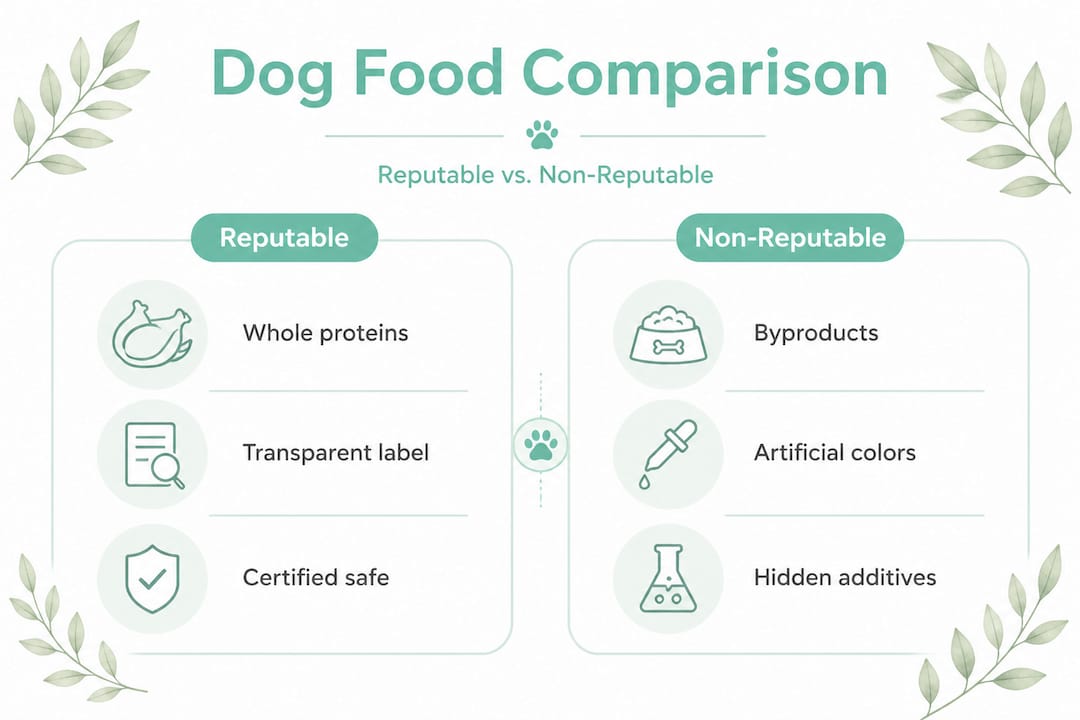
The foundation is ingredient transparency. Reputable brands list every ingredient clearly, starting with whole protein sources like chicken, salmon, or lamb, rather than vague terms like “animal digest” or “poultry byproduct meal.” Transparent sourcing and nutritional standards are core to reputable dog food products. This means you can trace each ingredient back to its source.
Regulatory alignment is the next marker. Reputable brands comply with standards set by the Association of American Feed Control Officials (AAFCO). AAFCO sets the minimum nutritional requirements that a dog food must meet to be considered complete and balanced. Brands that meet or exceed these standards typically display it clearly on packaging. This is not optional for trustworthy companies. It is a baseline.
Absence of synthetic additives is equally important. Artificial colors like Red 40 or Yellow 5, chemical preservatives like BHA and BHT, and synthetic flavor enhancers are common in budget brands. Reputable brands rely on natural preservation methods, such as mixed tocopherols (vitamin E), and whole food ingredients for flavor rather than synthetic shortcuts. Learning about natural nutrition sources for dogs helps you understand what genuinely healthy ingredient lists look like.
Reputable vs. non-reputable dog food at a glance
| Feature | Reputable brands | Non-reputable brands |
|---|---|---|
| Protein source | Whole meats (chicken, beef, salmon) | Byproduct meals, animal digest |
| Preservatives | Natural (tocopherols, rosemary) | Synthetic (BHA, BHT, ethoxyquin) |
| Grain use | Whole grains or grain-free with cause | Corn syrup, unnamed grain fractions |
| Ingredient listing | Specific, traceable | Vague, generic |
| AAFCO compliance | Clearly stated | Often absent or unclear |
| Recall transparency | Publicly disclosed | Rarely acknowledged |
Key qualities to look for when evaluating a brand include:
- Named protein as the first ingredient (e.g., “deboned chicken” not “meat”)
- Short, recognizable ingredient lists with no chemical names you cannot pronounce
- No artificial dyes or colors listed in the ingredients
- Country of origin labeled for primary ingredients
- Third-party testing or certifications where available
Pro Tip: Flip the bag over and read the guaranteed analysis section. Reputable brands will show specific minimum crude protein and fat percentages, alongside clear moisture content. Vague ranges or missing values are a warning sign.
Understanding feeding real food principles for dogs also helps frame what your dog actually needs nutritionally, and why whole ingredients matter more than processed alternatives. A great companion resource is this fresh dog food guide, which outlines the growing movement toward minimally processed options.
How does reputable dog food impact your dog’s health?
The difference between a reputable and a non-reputable food shows up in your dog’s body. Sometimes within weeks.
Digestion is one of the first areas to improve. Dogs eating whole protein sources, balanced fiber, and natural ingredients typically produce less stool volume, firmer stools, and fewer episodes of gas or bloating. This happens because more of the food is actually digestible. Cheap fillers like corn grit and soy hulls pass through largely unused, putting extra load on the digestive system with minimal nutritional return.
Coat and skin health respond noticeably to food quality. Dogs fed healthiest dog food types with adequate omega-3 and omega-6 fatty acids show reduced shedding, less itching, and shinier coats. Skin conditions like hot spots and dry patches often trace back to nutritional deficiencies or food sensitivities triggered by synthetic additives or low-quality protein sources.

Energy and behavior also shift. A dog running on filler-heavy food may be lethargic or have irregular energy spikes caused by high glycemic carbohydrates. Reputable foods with balanced macronutrients support steadier energy throughout the day. Many pet owners report that switching brands correlates with noticeably better mood and activity levels in their dogs.
Measurable health differences from food quality
| Health marker | Reputable food outcome | Non-reputable food outcome |
|---|---|---|
| Stool consistency | Firm, low volume | Loose, high volume |
| Coat quality | Shiny, reduced shedding | Dull, excessive shedding |
| Skin condition | Minimal itching | Frequent hot spots, dryness |
| Energy levels | Steady throughout day | Irregular spikes and crashes |
| Allergy frequency | Reduced over time | Recurring seasonal or chronic |
| Longevity | Associated with longer lifespan | Associated with early onset illness |
Selecting reputable dog food brands directly affects pet health outcomes. Here are the most consistent improvements pet owners and veterinarians report after a dietary switch to higher quality food:
- Fewer digestive episodes within the first two to four weeks
- Reduced allergy symptoms, including itching, tear staining, and paw licking
- Improved coat texture and shine, often visible within six to eight weeks
- Better weight management due to higher bioavailable nutrition per serving
- Increased activity and playfulness, especially in younger and middle-aged dogs
- Fewer veterinary visits related to chronic issues like ear infections or skin inflammation
“High quality, reputable food products provide better nutrition and directly support long-term canine wellness across every life stage.”
Adding dog superfoods like blueberries, pumpkin, and fish oil to a reputable base diet can further amplify these benefits. Understanding essential nutrients for dogs also helps you evaluate whether a specific food actually delivers what it promises on the label.
Risks of choosing non-reputable dog food
Non-reputable dog food is not just nutritionally inadequate. It can actively cause harm.
Digestive distress is the most immediate risk. Foods loaded with corn syrup, animal byproducts, and artificial thickeners irritate the gut lining in many dogs. Chronic loose stools, vomiting after meals, and persistent bad breath are not normal. They are signals that the digestive system is struggling with what it is being fed.
Allergies and intolerances develop frequently in dogs fed low-quality food over extended periods. Common culprits include artificial food dyes, unnamed protein sources (which can be inconsistent from batch to batch), and cheap grain fractions. A dog that seems perpetually itchy or has recurring ear infections may be reacting to synthetic ingredients rather than a genuine food allergy.
Nutrient deficiency is a long-term risk that builds silently. A food that appears to meet AAFCO minimums on paper may still use low-bioavailability sources. For example, using bone meal as a calcium source is nutritionally inferior to whole bone or bioavailable mineral supplements. Non-reputable or poor quality food can pose nutritional risks that compound over time, leading to joint problems, immune issues, and organ stress.
Red flags to watch for on dog food labels and in brand behavior:
- “Animal digest” listed as a protein source - a vague, highly processed ingredient
- Artificial colors like Red 40, Blue 2, or caramel color - no nutritional purpose
- Preservatives BHA, BHT, or ethoxyquin - linked to liver and kidney stress in animals
- No AAFCO statement anywhere on the packaging
- No clear country of origin for ingredients, especially proteins
- History of undisclosed recalls or delayed recall announcements
Pro Tip: Visit the FDA’s pet food recall database regularly. Any brand with multiple recalls in a short period, especially without clear public explanations, should be removed from your consideration list regardless of price point or marketing.
“Understanding dog food risks is essential before switching your pet to a new diet or evaluating current feeding choices.”
Consulting the clean label dog food resource is a practical step toward identifying what transparent labeling actually looks like in practice and what to do if you suspect your current brand is cutting corners.
How to identify and choose reputable dog food brands
Knowing the risks is useful. Having a clear selection process is more useful.
Start with the label. Ingredients are listed by weight, so the first three to five ingredients tell you most of what you need to know. Look for a specific named protein (not “poultry” but “deboned chicken”) in the first position. The second or third ingredient should be a whole food, not a filler grain or byproduct.
Research brand history. A quick search of any brand name plus “recall” will surface their full recall history. Reputable brands are transparent about recalls and issue public statements. Non-reputable brands may deny, delay, or minimize issues. The FDA maintains a publicly searchable database of all pet food recalls, which is a reliable starting point.
Check for certifications. Third-party testing certifications from organizations like NSF International or the Non-GMO Project are strong positive signals. These certifications require brands to submit to independent verification of their ingredient claims, which is a meaningful step beyond self-reporting.
Look for breed and life stage specificity. Reputable brands formulate differently for puppies, adults, and seniors. They also offer options based on size and breed. A brand with a single formula for all life stages and sizes is cutting corners on nutritional tailoring.
Consult natural and holistic pet communities. Online communities of pet owners focused on healthy dog treats and natural nutrition often maintain actively updated lists of recommended brands. These communities flag issues faster than official channels and offer real-world experience from owners, not just marketing materials.
Key criteria for brand selection at a glance:
- Named whole protein as first ingredient
- Clear AAFCO compliance statement for life stage
- Natural preservatives only (tocopherols, rosemary extract)
- Published recall history or documented absence of recalls
- Ingredient sourcing transparency (country of origin for proteins)
- No artificial colors, flavors, or synthetic additives
- Life stage and size-specific formulations available
- Accessible customer service and transparent brand communications
Pro Tip: Cross-reference any brand you are considering on two or three independent rating platforms. No single platform is perfect, but consistent low scores or frequent complaints about ingredient changes across multiple sources are meaningful warning signals worth taking seriously.
Our perspective: Beyond reputation—why ingredient integrity matters most
Brand reputation is a useful starting point. It is not the finish line.
We have seen well-known, widely recommended brands quietly swap out ingredient sources after acquisition by larger corporations. A brand that earned its reputation using wild-caught salmon may later shift to farmed salmon from lower-quality suppliers without changing its label claims or marketing language. The reputation stays. The ingredient quality drops.
This is why ingredient integrity matters more than brand name recognition alone. Ingredient integrity means consistent sourcing, honest labeling, and zero tolerance for synthetic shortcuts regardless of cost pressure or market competition. It means a brand that embraces clean label benefits as an operating principle, not just a marketing angle.
The practical implication for pet owners is straightforward. Do not pick a brand once and stop paying attention. Review the ingredient panel every time you buy, particularly after a packaging update. Brands often signal a formula change with new packaging. If the ingredient order shifts or a familiar named ingredient disappears, ask questions before continuing to purchase.
The most trustworthy brands in the natural and raw pet food space tend to share a few common traits. They are smaller or mid-size operations that have not been acquired by large conglomerates. They publish sourcing information proactively rather than only in response to customer pressure. They test for contaminants including heavy metals, pesticide residues, and mycotoxins, and they make those results available.
Reputation is built over time. Ingredient integrity is proven every batch. The brands worth choosing are the ones working to earn both, continuously.
Find reputable solutions and supplies for your dog
Making the switch to higher quality dog food is a practical decision with real health payoffs.
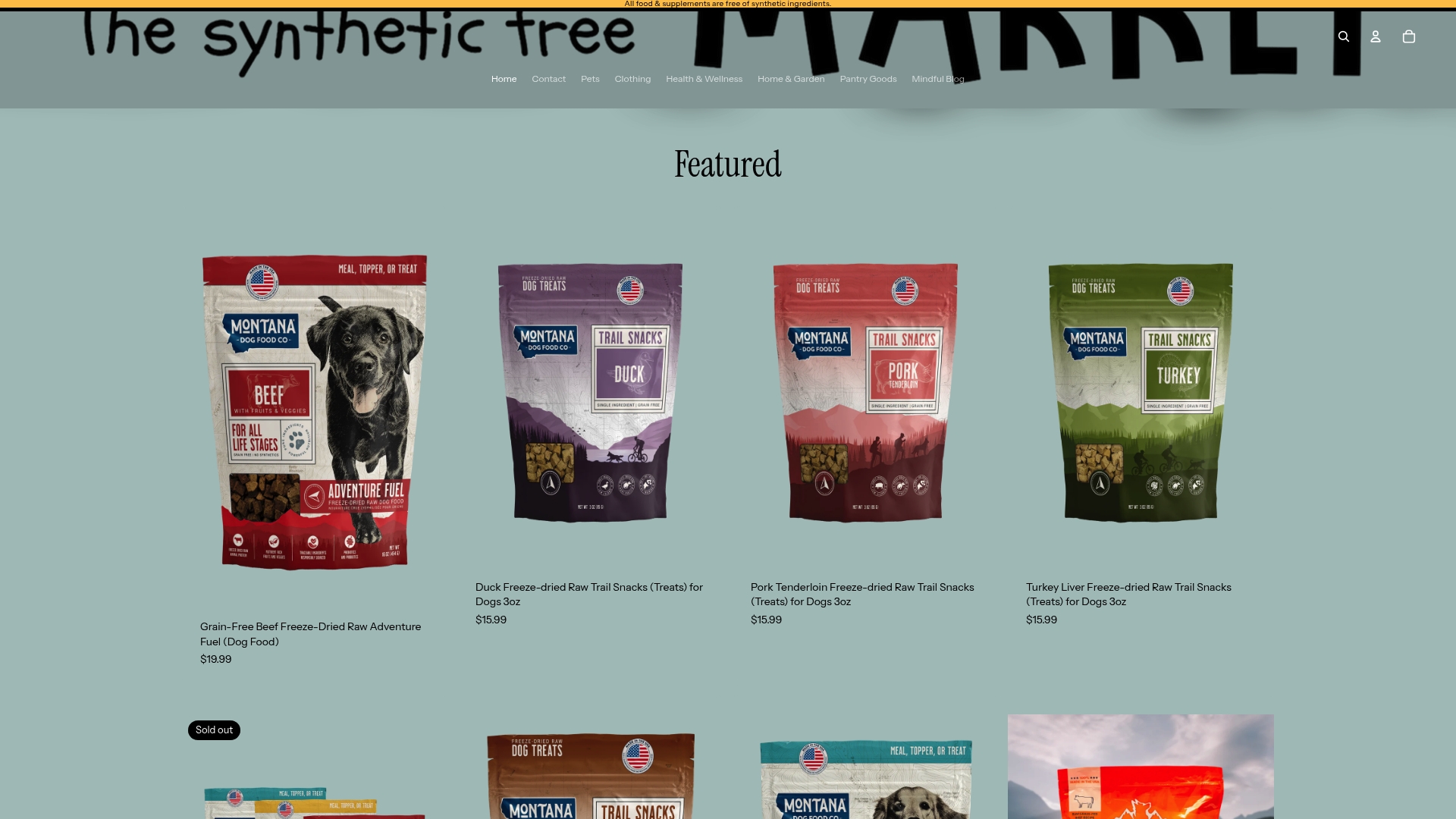
Mindful Botany Market supports that decision with a curated selection of natural, reputable pet products designed to complement a clean-label feeding approach. Explore dog food selection tips to deepen your knowledge and make more confident purchasing choices. For owners also focused on their own wellness alongside their pets, the hydrating multivitamin pack supports daily health goals. Keep your dog mentally stimulated and physically active with the Bark Buddy dog toys, a practical complement to any nutrition-forward routine. Reputable food and reputable products. One straightforward marketplace.
Frequently asked questions
What are the signs of high-quality dog food?
High-quality dog food has clear ingredient lists, natural sourcing and nutritional standards, and avoids artificial additives or fillers. Named whole proteins appear first, and no synthetic dyes or chemical preservatives are present.
Is synthetic dog food harmful to my dog?
Synthetic dog food is linked to digestive issues, allergies, and reduced wellness in pets. Poor quality food poses nutritional risks that compound over time and can contribute to chronic health conditions.
How can I research reputable dog food brands?
Check ingredient transparency, read independent reviews, and look for third-party certifications or recall histories. Natural and vet-approved treat resources often include brand recommendations grounded in real owner experience.
Do reputable dog foods improve my dog’s health quickly?
Many owners report faster recovery from allergies, better digestion, and increased energy within weeks of switching. Healthiest dog food types support these improvements by delivering more bioavailable nutrition per serving.
Can I use healthy treats to supplement reputable dog food?
Natural, vet-approved treats are a great complement to reputable dog foods for balanced nutrition. Healthy dog treats made from whole ingredients add nutritional variety without introducing synthetic additives into your dog’s diet.
Recommended
- Healthy dog food: how to choose the best for your pet – Mindful Botany Market
- Guide to the healthiest dog food types for canine wellness – Mindful Botany Market
- Superfoods for dogs: boost canine health naturally – Mindful Botany Market
- Essential nutrients for dogs: optimize health with natural foods – Mindful Botany Market