


TL;DR:
- Price does not guarantee better nutrition in dog food; ingredient quality and processing matter more.
- Genuine premium dog food features named proteins, whole foods, and transparent sourcing and processing.
- High-heat methods like extrusion can degrade nutrients, while raw and freeze-dried options retain more bioavailability.
Most pet owners assume a higher price tag means a better product. That assumption drives billions in annual pet food sales, but the reality is more complicated. Research shows that more expensive dog food is not necessarily better, with some premium-priced kibbles containing more heat-induced compounds and less usable protein than their cheaper counterparts. Understanding what actually defines quality, from ingredient sourcing to processing methods to label transparency, gives you a real advantage when choosing what goes in your dog’s bowl every single day.
Table of Contents
- What does ‘premium’ really mean in dog food?
- Key ingredients that define premium dog food
- How processing impacts dog food quality
- Premium vs regular dog food: What’s the real difference?
- Why most owners overpay for ‘premium’ dog food
- Support your pet’s wellness journey with trusted choices
- Frequently asked questions
Key Takeaways
| Point | Details |
|---|---|
| Price isn’t quality | Expensive dog food does not always mean better nutrition or fewer additives. |
| Ingredients matter most | Look for named animal proteins and minimal synthetic ingredients in premium foods. |
| Processing affects nutrition | Heat processing can lower nutrient quality, so choose minimally processed or freeze-dried options when possible. |
| Stay label-savvy | Read labels carefully for source transparency and marketing tricks that don’t signal real premium value. |
What does ‘premium’ really mean in dog food?
Price is not enough. That’s the starting point for any honest conversation about premium dog food. Walk down any pet store aisle and you’ll find bags labeled “premium,” “super premium,” “ultra premium,” or “gourmet.” None of those terms are regulated. No government body defines what makes a dog food “premium,” which means any manufacturer can use the word freely regardless of ingredient quality.
So what should “premium” actually indicate? At its core, a genuinely high-quality dog food prioritizes three things: named protein sources, limited synthetic additives, and transparent labeling. When a bag lists “chicken” as the first ingredient rather than “poultry” or “animal protein,” that specificity signals accountability. The manufacturer is naming the exact source, which makes tracing quality back to the supplier much easier.
“Premium dog food is not a regulatory category. It’s a marketing claim. True quality lives in the ingredient list, the sourcing practices, and the processing method, not in the price or the packaging.”
Understanding the specialty dog food value behind different product tiers helps clarify what you’re actually paying for. Some brands genuinely invest in better ingredients and stricter quality controls. Others invest in better packaging and advertising campaigns. The bag looks similar from the outside.
Here’s what a genuinely premium product should deliver:
- Named animal proteins as the first ingredient (chicken, beef, salmon, lamb, turkey)
- Whole food carbohydrate sources such as sweet potato, brown rice, or oats rather than corn syrup or white flour
- No artificial preservatives like BHA, BHT, or ethoxyquin
- No synthetic colorings or flavor enhancers added purely for appearance
- Limited ingredient lists with recognizable, whole-food components
- Clear sourcing information either on the label or the brand’s website
Research on healthy dog food tips consistently points back to label literacy as the single most powerful tool for dog owners. A $90 bag of kibble that opens with “chicken meal, brewers rice, corn gluten meal” is not delivering premium nutrition, regardless of what the front of the bag claims.
It’s also worth noting that the price-quality gap found by Hacettepe University researchers applies directly here. Foods tested at higher price points still produced advanced glycation end-products (AGEs), which are heat-induced compounds that reduce the bioavailability of key amino acids like lysine. Price alone did not protect dogs from lower nutritional return on those ingredients.
Key ingredients that define premium dog food
Reading an ingredient list is a practical skill that takes about two minutes to learn and can fundamentally change the quality of food you buy. Ingredients are listed by weight before processing, so the first five items on any list tell you the most important story about that product.
For genuinely high-quality dog food, the first three to five ingredients should be named protein sources or specific, whole carbohydrates. The best dog food consistently puts real, identifiable proteins at the top of the list, not generic terms that could refer to a mix of lower-grade materials. “Deboned salmon” is specific. “Fish” is not.
Here’s what to prioritize and what to avoid:
Prioritize:
- Deboned chicken, beef, or salmon as the first ingredient
- Whole eggs, which offer highly bioavailable protein
- Named organ meats (chicken liver, beef kidney) in moderate amounts
- Whole vegetables: sweet potato, peas, carrots, blueberries, spinach
- Healthy fat sources: chicken fat (named), salmon oil, flaxseed
- Natural preservatives: mixed tocopherols (vitamin E), rosemary extract
Avoid:
- “Meat meal” or “poultry meal” without a named source
- “Animal fat” without specification
- Corn syrup or sugar added as ingredients
- Artificial dyes (Red 40, Yellow 5, Blue 2) that serve no nutritional purpose
- BHA, BHT, and ethoxyquin as synthetic preservatives
Looking at essential nutrients for dogs and how food sources deliver them is another layer worth understanding. For example, omega-3 fatty acids from whole fish or fish oil support coat health and inflammation response. But if “fish” appears far down the ingredient list, the actual omega-3 content may be negligible.
Whole foods bring synergistic benefits that isolated nutrients don’t replicate. A dog food containing real blueberries delivers anthocyanins, fiber, and vitamin C together. A synthetic vitamin C supplement added to an otherwise poor-quality kibble doesn’t replicate that. This is why superfoods for dogs matter in context, as part of a well-formulated diet, not as add-ons to a low-quality base.
Pro Tip: Rotate between two or three different protein sources across bags or meal types. Chicken one month, salmon the next, beef after that. This variation supports a broader amino acid intake and reduces the chance of developing a sensitivity to any single protein over time.
How processing impacts dog food quality
Ingredients are only part of the picture. What happens to those ingredients before they reach your dog’s bowl can significantly change their nutritional value. This is where the conversation about premium dog food gets more technical, but also more important.
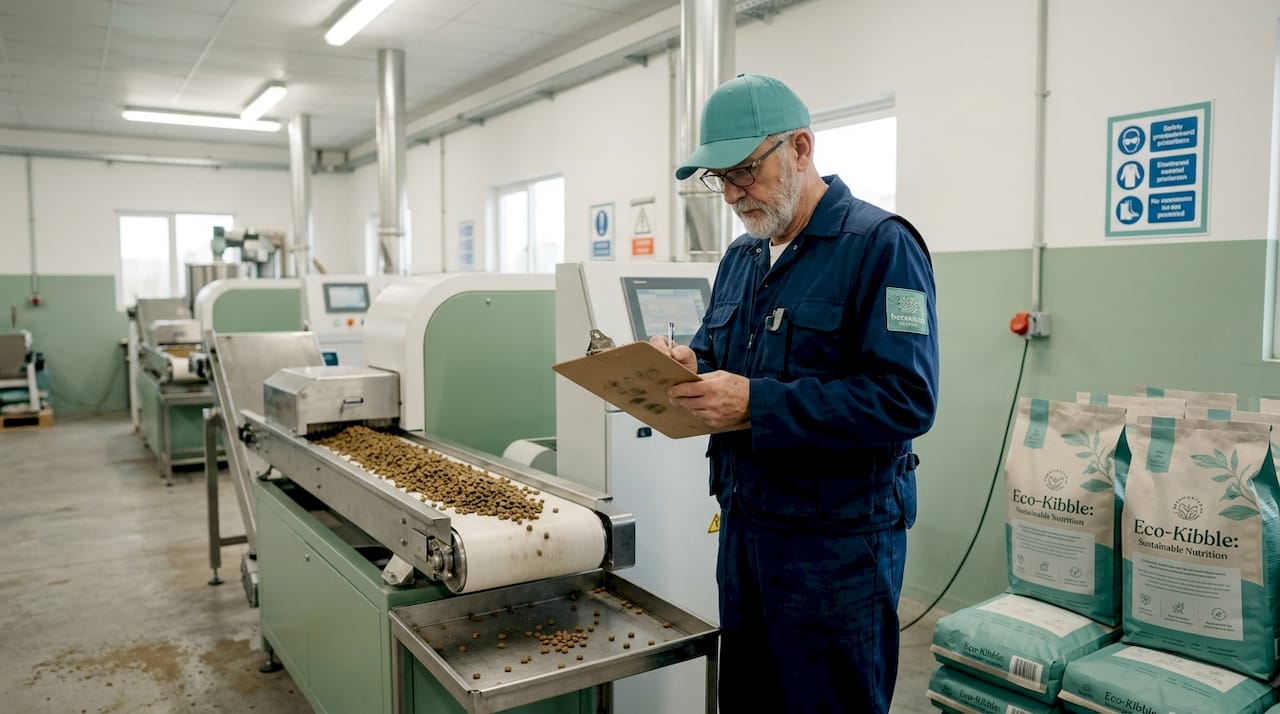
Standard dry kibble is made through a process called extrusion. Raw ingredients are mixed into a slurry, then pushed through a machine under high heat and pressure to form the familiar crunchy pieces. Temperatures during extrusion typically exceed 150°C (300°F). At those temperatures, heat-sensitive nutrients like B vitamins, certain enzymes, and amino acids can degrade substantially.
Lysine is the specific amino acid most affected by high-heat processing. It reacts with carbohydrates during cooking to form compounds that the body cannot use effectively. This is directly connected to the AGE research from Hacettepe University: heat-related compounds appeared in processed foods regardless of price point, meaning a $75 bag of kibble is not necessarily protecting your dog from this issue any more than a $30 bag.
| Processing method | Heat level | Nutrient retention | Typical cost |
|---|---|---|---|
| Extruded kibble | Very high | Lower | Low to high |
| Baked dry food | High | Moderate | Moderate to high |
| Dehydrated | Low to moderate | Better | Moderate to high |
| Freeze-dried | None (cold) | Highest | High |
| Raw (fresh/frozen) | None | Highest | Moderate to high |
Freeze-dried and raw formats skip the high-heat step entirely, which means nutrients stay largely intact from their original state. For context, the raw dog food pros and cons discussion is worth reviewing before making a full switch, because raw feeding carries its own handling considerations, particularly around bacterial contamination if not managed correctly.
“The question isn’t just what’s in the food, but what’s left after processing. High-heat methods can convert quality ingredients into a less nutritionally available product.”
Pro Tip: Check the brand’s website or label for processing details. If the brand doesn’t disclose how the food is made, that lack of transparency is itself useful information about their approach to quality. Look for brands that clearly describe whether they use cold pressing, freeze-drying, or low-temperature baking.
The clean label dog food guide is a reliable resource for understanding which brands provide this transparency and what to do with that information when comparing options side by side.
Premium vs regular dog food: What’s the real difference?
With ingredient knowledge and processing context in hand, the comparison between premium and regular dog food becomes more concrete. The differences aren’t always about price. They’re about sourcing decisions, formulation philosophy, and how much a brand is willing to disclose.
| Feature | Premium dog food | Regular dog food |
|---|---|---|
| Protein source | Named animal proteins | Generic “meat” or “poultry” |
| Ingredient quality | Whole, recognizable foods | Processed by-products, fillers |
| Additives | Natural preservatives only | Synthetic preservatives, dyes |
| Labeling | Specific and transparent | Vague or minimal detail |
| Third-party testing | Often available | Rarely disclosed |
| Processing method | Varies; often lower heat | Typically high-heat extrusion |
| Nutrient density | Higher per serving | Lower, more filler content |
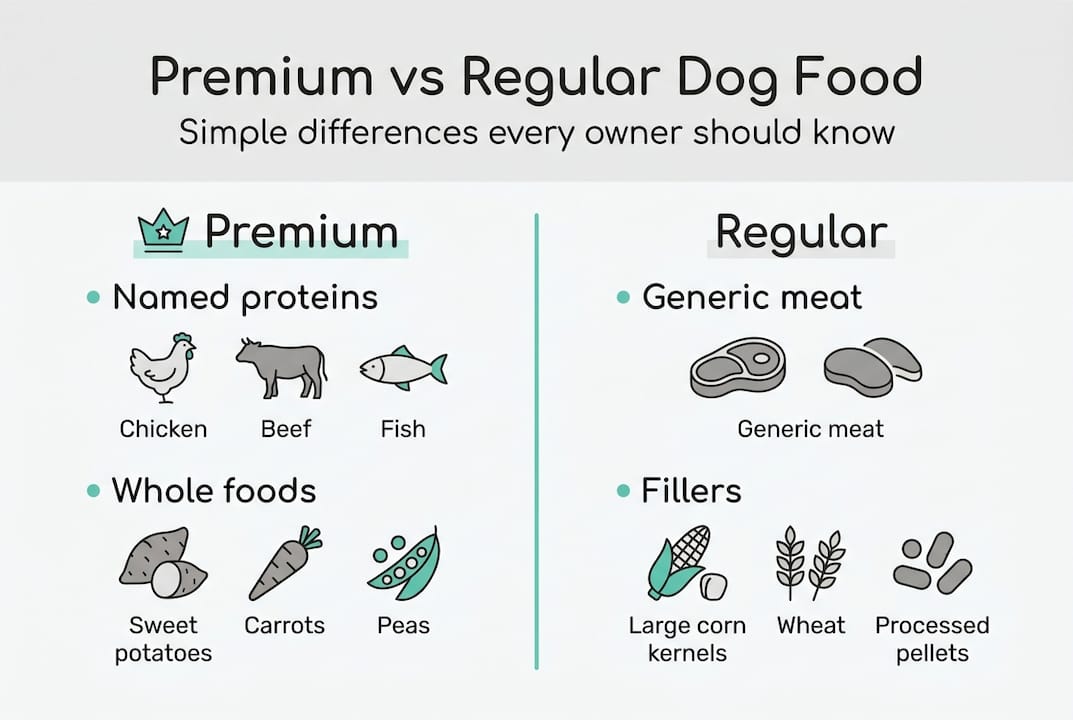
That table captures the structural differences, but applying them in practice is what matters. The healthiest dog food types break down by format, protein source, and dietary need, giving a useful framework when you’re evaluating options at the store or online.
Here’s a practical step-by-step for upgrading from regular to premium dog food:
- Read the current label. Write down the first five ingredients in the food you’re using now.
- Identify the gaps. Note any vague protein names, synthetic preservatives, or artificial colors.
- Research alternatives. Find two or three options with named proteins in the first position and natural preservatives only.
- Check for third-party certifications. AAFCO statements, NSF testing, or independent nutritional analysis add credibility.
- Transition gradually. Swap 25% of the old food for new over about 10 days to avoid digestive upset.
- Monitor your dog. Watch for coat condition, energy levels, stool quality, and appetite as real-world indicators of how the food is working.
Switching your dog to real food step by step is a reliable method that avoids stomach issues while giving your dog’s digestive system time to adjust to higher-quality ingredients.
One more point worth stating clearly: research confirms that premium pricing does not protect against over-processing or heat-induced nutrient loss. This means choosing premium food is not simply a matter of spending more. It’s a matter of choosing more carefully.
Why most owners overpay for ‘premium’ dog food
Here’s the honest reality: most of what gets marketed as premium dog food is premium branding, not premium nutrition. Attractive packaging, influencer endorsements, and store placement all drive price upward without improving what’s inside the bag. The pet food industry spends heavily on marketing, and that cost gets passed directly to the consumer.
Studies confirm the price-quality relationship in dog food is weak. A $90 bag can underperform a $45 bag on actual nutrient bioavailability if the cheaper option uses better sourcing and a lower-heat processing method.
What actually matters is ingredient transparency and independent verification. Does the brand publish nutritional analyses? Do they name every protein and carbohydrate source? Are their processing methods disclosed? These questions separate genuine quality from marketing performance.
The actionable step is simple: read the label first, then look at the price. Not the other way around. When you evaluate food by ingredients and processing rather than cost or branding, you’ll often find that a more affordable, transparent product outperforms an expensive one with vague ingredient sourcing. Real food for dogs doesn’t need a luxury price point to deliver meaningful nutritional value.
Support your pet’s wellness journey with trusted choices
Ready to make a more informed choice about what goes in your dog’s bowl?
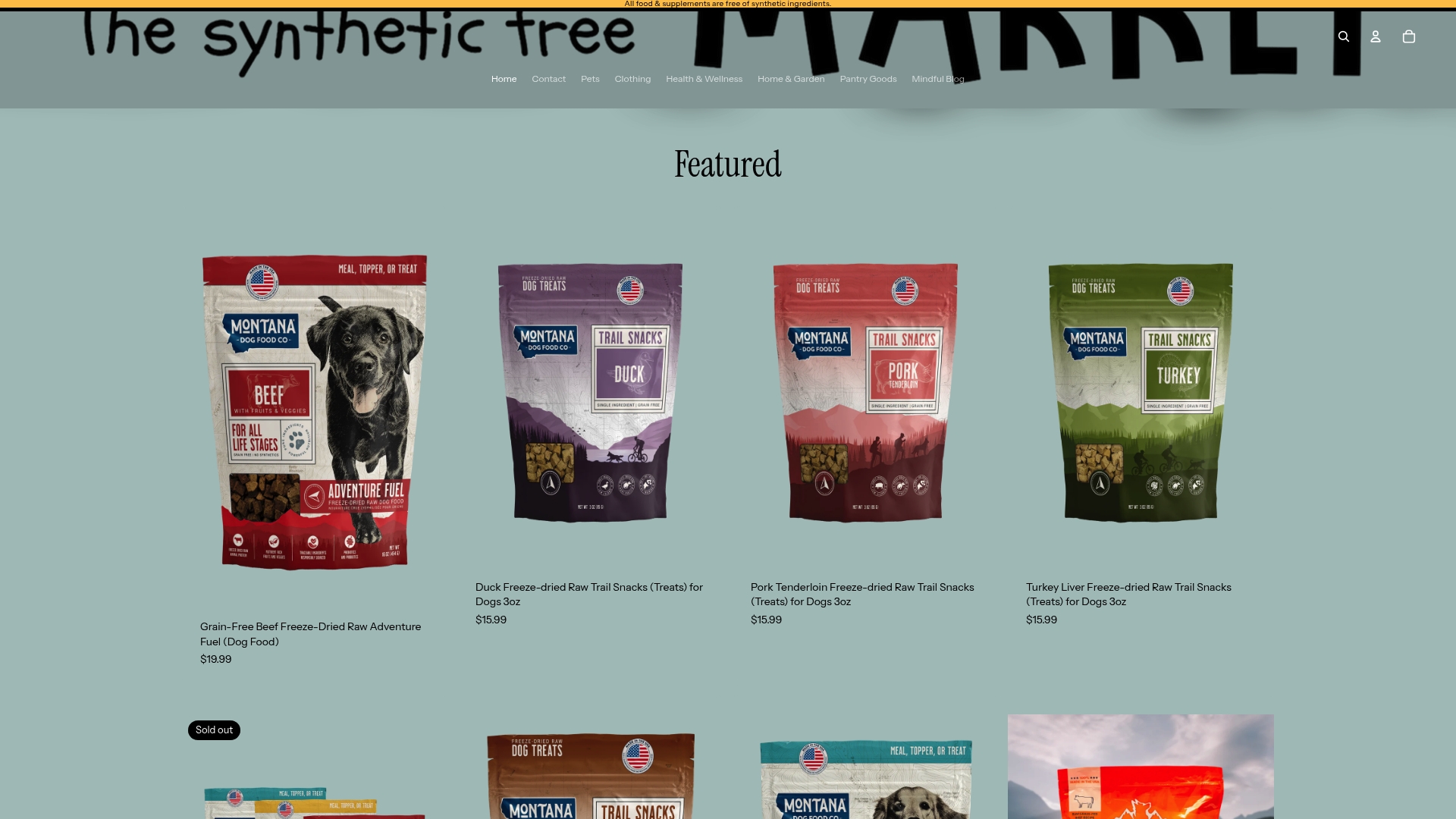
At Mindful Botany Market, you’ll find a curated selection of dog food, treats, and supplements built around clean-label standards and transparent sourcing. Browse Freeze-Dried, Raw, and Grain-Free options from brands that prioritize real ingredients over marketing claims. The collection also includes soft chew dog supplements designed to complement a whole-food diet, supporting joint health, digestion, and coat condition. Explore the full wellness range to find products that match your dog’s specific nutritional needs, without the guesswork that comes with overpriced, under-labeled products.
Frequently asked questions
Is expensive dog food always better for my pet?
No. Price doesn’t guarantee better ingredients or nutrition. Check the ingredient list directly rather than relying on cost as a quality indicator.
How can I spot high-quality ingredients in dog food?
Look for real, named proteins as the first ingredients, and avoid vague terms like “meat meal” without a specified source. The first 3-5 ingredients tell you the most about actual food quality.
Does how dog food is processed matter for nutrition?
Yes. High-heat processing can reduce available lysine and create AGEs that lower the usable nutritional value of otherwise good ingredients, regardless of price.
Are ‘by-products’ and ‘fillers’ always bad in dog food?
Not always, but genuinely premium foods focus on named, quality protein sources and keep unnecessary fillers to a minimum to maximize nutrient density per serving.
Recommended
- What is specialty dog food? Benefits, types, and real value – Mindful Botany Market
- Healthy dog food: how to choose the best for your pet – Mindful Botany Market
- Gluten-Free Dog Food: What It Is and Who Needs It – Mindful Botany Market
- What is fresh dog food? A complete guide to healthier choices – Mindful Botany Market