


TL;DR:
- Preparing homemade dog meals allows owners to control ingredients and ensure nutritional balance, taking only 60 to 90 minutes weekly for a full week’s supply. A proper feeding routine includes precise portioning, rapid cooling, safe storage, and regular recipe recalculation to prevent deficiencies and maintain dog health. Consulting veterinary nutritionists and using formulation software are essential steps to create safe, customized diets for all life stages.
Dog meal prep is the process of preparing and storing nutritionally balanced, homemade meals in bulk to save time and provide fresh, wholesome food tailored to your dog’s specific needs. This approach gives you direct control over every ingredient your dog consumes, unlike commercial kibble where formulations change without notice. Over 67% of pet owners now prepare home-cooked meals for their dogs, with most completing a full week’s worth of food in 60 to 90 minutes. Tools like BalanceIT software and resources from the AKC and Houndsy make it easier than ever to get the nutrition right from the start.
What does a dog meal prep guide actually cover?
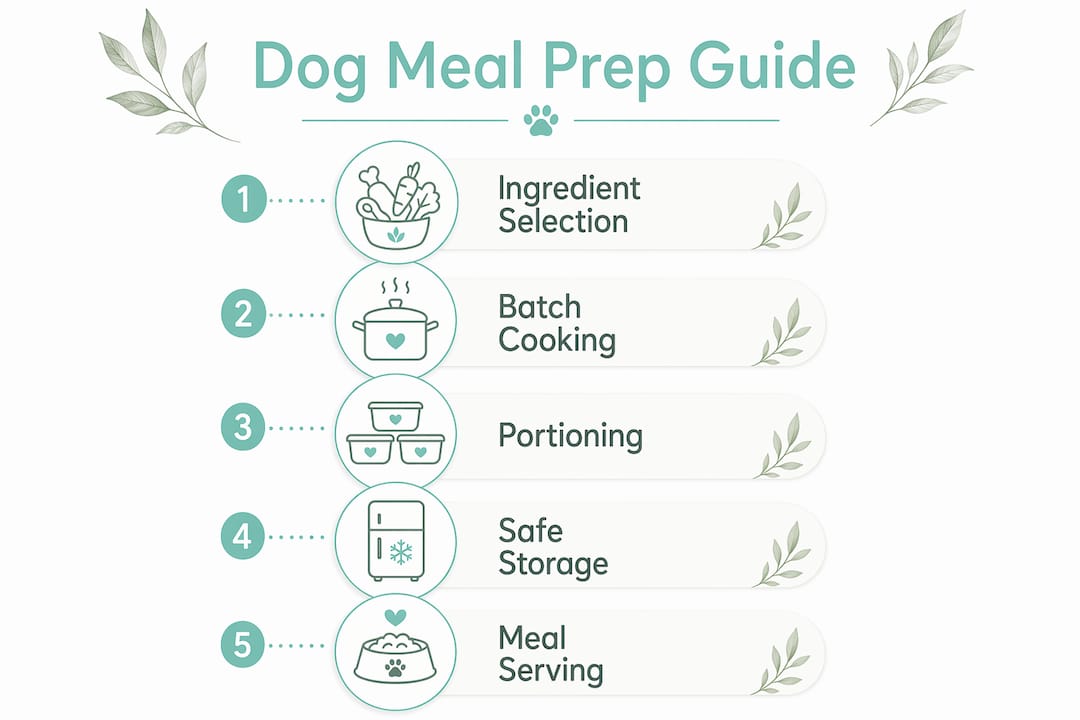
A proper dog meal prep guide covers four core areas: ingredient selection, batch cooking, portioning, and safe storage. Miss any one of these and you risk either nutritional gaps or food safety problems. The industry term for this practice is home-prepared canine nutrition, and it requires more precision than simply cooking chicken and rice. Veterinary nutritionists at the AKC consistently note that homemade diets must be carefully balanced and supplemented to avoid deficiencies. This guide walks through each phase so you can build a repeatable, safe routine.
What ingredients are essential for homemade dog meals?
Balanced homemade dog food requires five nutritional categories: protein, carbohydrates, healthy fats, vegetables, and targeted supplements. Leaving out any category creates gaps that compound over weeks and months. Here is what each category looks like in practice:
- Proteins: Chicken thighs, ground turkey, lean beef, salmon, sardines, and organ meats like chicken liver (limit organ meat to 10% of total protein to avoid vitamin A toxicity)
- Carbohydrates: Brown rice, quinoa, and sweet potatoes are the most digestible options for dogs; white rice works well during digestive upset
- Fats: Fish oil and flaxseed oil provide omega-3 fatty acids; small amounts of coconut oil add medium-chain triglycerides
- Vegetables: Carrots, zucchini, green beans, spinach, and peas are safe and nutrient-dense; always avoid onions, garlic, grapes, raisins, and macadamia nuts
- Supplements: Calcium, zinc, vitamin D, and vitamin E are the most commonly deficient nutrients in homemade diets
Specialized formulation software like BalanceIT cross-references your recipe against AAFCO nutrient profiles to flag deficiencies before they become health problems. This is not optional for long-term feeding. Homemade diets are also not one-size-fits-all. Puppies, pregnant dogs, and seniors require adjusted calcium, phosphorus, and protein levels compared to healthy adult dogs. Refer to Mindfulbotany’s natural nutrition sources guide for a deeper breakdown of ingredient quality by life stage.
Pro Tip: Consult a board-certified veterinary nutritionist through the American College of Veterinary Nutrition (ACVN) before finalizing any homemade recipe. A one-time consultation typically costs $200 to $400 and prevents years of nutritional imbalance.
How to portion and prepare dog meals in bulk
Batch cooking for dogs follows a clear sequence. Skipping steps or improvising mid-process is where most owners introduce errors. Follow this workflow for consistent, safe results:
- Select a vet-approved recipe using BalanceIT or a board-certified nutritionist’s formulation. Never use a recipe pulled from a random blog without verifying its nutrient profile.
- Gather and weigh all ingredients using a digital kitchen scale. Eyeballing portions introduces cumulative errors that distort nutrient ratios over time.
- Cook proteins to safe internal temperatures. Chicken and turkey must reach 165°F; beef reaches safe consumption at 160°F. For maximum nutrient retention, sous-vide at 145°F preserves approximately 88% of thiamine versus only 60% with pressure cooking.
- Cook carbohydrates and vegetables separately to control texture and avoid overcooking nutrient-sensitive vegetables. Steam vegetables rather than boiling to retain water-soluble vitamins.
- Combine and cool rapidly. Place the finished batch in an ice bath to bring the temperature below 40°F within 30 to 60 minutes. This prevents bacterial growth in the danger zone between 40°F and 140°F.
- Portion by body weight. Dogs require approximately 2 to 3% of their ideal body weight in food daily, split across two meals. A 50-pound dog needs roughly 1 to 1.5 pounds of food per day.
- Label and store. Mark each container with the date, dog’s name, and portion weight. Refrigerate portions for the next 3 to 4 days; freeze the rest.
| Dog Weight | Daily Food Amount (2.5% body weight) | Per Meal (2 meals/day) |
|---|---|---|
| 20 lbs | 0.5 lbs (8 oz) | 4 oz |
| 50 lbs | 1.25 lbs (20 oz) | 10 oz |
| 80 lbs | 2 lbs (32 oz) | 16 oz |
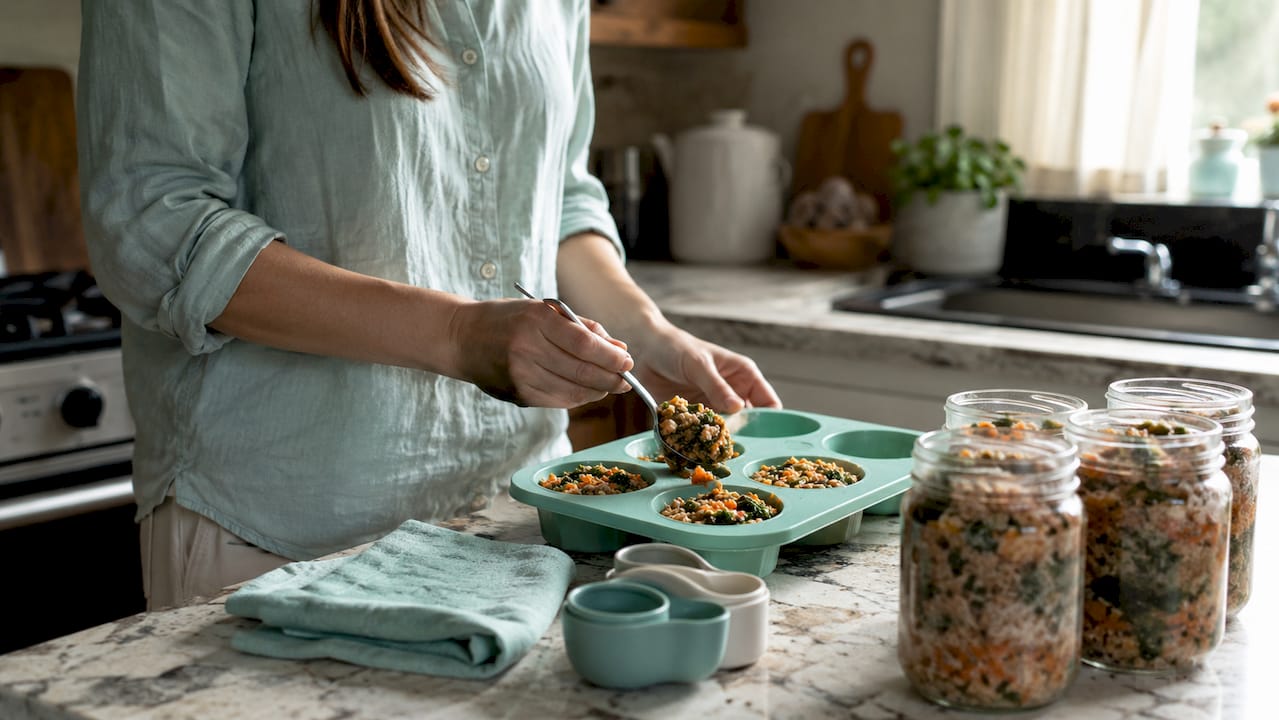
Pro Tip: Use silicone freezer molds or standardized glass containers to pre-portion meals before freezing. This eliminates the need to thaw and re-portion a large block of frozen food every morning.
How should you store and thaw homemade dog food safely?
Proper storage is where the nutritional work you put into cooking is either preserved or lost. Cooked dog food stored in airtight containers lasts 3 to 4 days in the refrigerator and 6 to 12 months in the freezer with vacuum sealing. Nutrient degradation begins after 6 months of freezer storage, so rotating your stock every 4 to 5 months is the practical standard.
Key storage practices to follow:
- Rapid cooling before storage: Use an ice bath to drop the batch below 40°F within 60 minutes. Batch cooling via ice baths prevents spore-forming bacteria from multiplying in warm food.
- Vacuum sealing for freezer portions: Vacuum-sealed bags remove oxygen, which slows both bacterial growth and oxidative nutrient loss. FoodSaver and Zwilling Fresh and Save are two reliable vacuum sealer options.
- Safe thawing methods: Thaw frozen portions overnight in the refrigerator. For same-day thawing, place the sealed bag in a cold water bath and change the water every 30 minutes. Never thaw on the counter at room temperature.
- Reheating safely: Warm refrigerated food to room temperature before serving. Avoid microwaving, which creates hot spots and destroys heat-sensitive nutrients like B vitamins.
Never refreeze food that has already been thawed. Once a portion moves from the freezer to the refrigerator, it must be used within 4 days or discarded.
Mindfulbotany’s safe dog food storage guide covers container types and labeling systems in more detail, including which plastics are safe for long-term food contact.
What are the most common mistakes in homemade dog meal prep?
The most damaging mistake in DIY dog meals is recipe drift. Recipe drift occurs when owners substitute ingredients without recalculating the nutrient profile, creating mineral deficiencies that accumulate silently over months. A dog fed a calcium-deficient diet for six months can develop bone density loss before any visible symptoms appear.
Watch for these specific pitfalls:
- Substituting proteins without recalculating: Swapping chicken for beef changes the fat, phosphorus, and amino acid ratios. Every substitution requires a full nutrient recalculation.
- Skipping supplements: Whole food ingredients alone rarely meet AAFCO minimums for zinc, vitamin D, and manganese. Supplements are not optional additions. They are structural components of a complete diet.
- Ignoring life stage changes: A recipe formulated for a 3-year-old adult dog is not appropriate for the same dog at age 10. Senior dogs need adjusted protein quality and lower phosphorus to protect kidney function.
- Failing to monitor health markers: Weigh your dog weekly. Check stool consistency, coat quality, and energy levels monthly. These are the earliest indicators of nutritional imbalance.
- Using unverified online recipes: A 2021 study published in the Journal of Nutritional Science found that the majority of homemade dog food recipes available online were nutritionally incomplete. Use BalanceIT or consult the ACVN directory instead.
Pro Tip: When transitioning your dog to homemade food, use a 9-day phase-in plan that gradually increases the homemade food ratio while decreasing commercial food. Add a probiotic like Purina Pro Plan FortiFlora or Zesty Paws Probiotic Bites during the transition to support gut flora stability.
Mindfulbotany’s safe ingredient guide provides a detailed list of substitution-safe swaps with pre-calculated nutrient equivalents, which removes the guesswork from ingredient changes.
Key takeaways
Successful dog meal prep requires precise portioning, vet-approved recipes, rapid cooling, and consistent storage practices to maintain both nutrition and food safety.
| Point | Details |
|---|---|
| Use vet-approved formulations | BalanceIT or ACVN nutritionists prevent nutritional gaps that online recipes miss. |
| Portion by body weight | Feed 2 to 3% of ideal body weight daily, split into two equal meals. |
| Cool rapidly after cooking | Ice baths bring food below 40°F within 60 minutes, blocking bacterial growth. |
| Rotate freezer stock every 5 months | Nutrient degradation begins after 6 months; vacuum sealing extends shelf life. |
| Avoid recipe drift | Every ingredient substitution requires a full nutrient recalculation to prevent mineral deficiencies. |
What I’ve learned from years of watching owners prep dog meals
Most dog owners who start home-prepping meals do so after a health scare. A dog develops allergies, gains weight on commercial food, or a recall notice shakes their confidence in the bag they have been buying for years. What surprises me is how quickly the practice becomes routine once the first batch is done. The 60 to 90 minutes of weekly prep feels significant until you realize you are spending that same time reading ingredient labels in a pet store aisle.
The part most guides understate is the monitoring work. Cooking the food is the easy part. Tracking your dog’s weight weekly, noting stool changes, and adjusting portions as your dog ages requires consistent attention. Owners who treat the recipe as a fixed document and never revisit it are the ones who call a vet two years later with a dog showing signs of deficiency.
My honest recommendation: partner with a veterinary nutritionist for the initial formulation, then use BalanceIT to audit the recipe every six months or whenever you make a substitution. The cost is minimal compared to a diagnostic workup for a preventable deficiency. Home-prepped meals done correctly produce real results. Coat quality improves, weight stabilizes, and dogs with sensitive stomachs often show marked improvement within four to six weeks of transitioning.
— Ashley
Support your dog’s wellness routine with Mindfulbotany
A strong homemade diet is the foundation of your dog’s health, and the right grooming tools complete the picture. Mindfulbotany carries the Four Paws Magic Coat Professional Series Self-Cleaning Slicker Brush, a practical tool for maintaining coat condition between baths. Coat quality is one of the first visible indicators of nutritional status, so regular brushing helps you spot changes early. Mindfulbotany also stocks the Tropiclean Papaya and Coconut Pet Waterless Shampoo for between-bath hygiene. Browse the full pet wellness catalog at Mindfulbotany for grooming and supplement options that support the healthy diet you are building at home.
FAQ
How much homemade food should I feed my dog daily?
Feed your dog 2 to 3% of their ideal body weight per day, divided into two meals. A 50-pound dog needs approximately 1 to 1.25 pounds of food daily.
How long does homemade dog food last in the fridge?
Cooked dog food stored in airtight containers lasts 3 to 4 days in the refrigerator. Freeze any portions beyond the 4-day window immediately after cooling.
Can I substitute ingredients in a homemade dog food recipe?
Every ingredient substitution requires a full nutrient recalculation. Swapping proteins or carbohydrates without recalculating creates recipe drift, which causes mineral deficiencies over time.
Do homemade dog meals need supplements?
Yes. Whole food ingredients alone rarely meet AAFCO minimums for zinc, vitamin D, manganese, and calcium. Supplements are a structural requirement, not an optional addition.
How do I transition my dog to homemade food without digestive upset?
Use a 9-day gradual transition plan, starting with 10% homemade food and increasing daily. Add a probiotic like Purina Pro Plan FortiFlora to support gut flora during the switch.
Recommended
- How to prepare fresh food for pets: owner’s guide – Mindful Botany Market
- Step-by-step raw feeding for dogs: A complete how-to – Mindful Botany Market
- Feed your dog real food: a practical how-to guide – Mindful Botany Market
- Your dog food shopping checklist: Healthier picks made easy – Mindful Botany Market
0 comments