


TL;DR:
- Dog food toxins include harmful ingredients like xylitol, heavy metals, and synthetic preservatives, which pose health risks to dogs. Proper label reading, brand transparency, safe storage, and rotation of diets help prevent exposure to these contaminants. Regular veterinary bloodwork and attentive handling practices are essential for long-term canine health and safety.
Dog food toxins are defined as harmful substances present in commercial or homemade canine diets, ranging from specific ingredients like xylitol to environmental contaminants like heavy metals and mycotoxins. Knowing how to avoid common dog food toxins starts with identifying which substances pose the greatest risk, then applying consistent label reading, brand vetting, and storage practices. The good news: most exposure is preventable. This article covers the key toxic ingredients and contaminants, how to read labels with precision, how to choose safer brands, and how to store and handle food correctly to protect your dog’s long-term health.
How to avoid common dog food toxins: key ingredients and contaminants
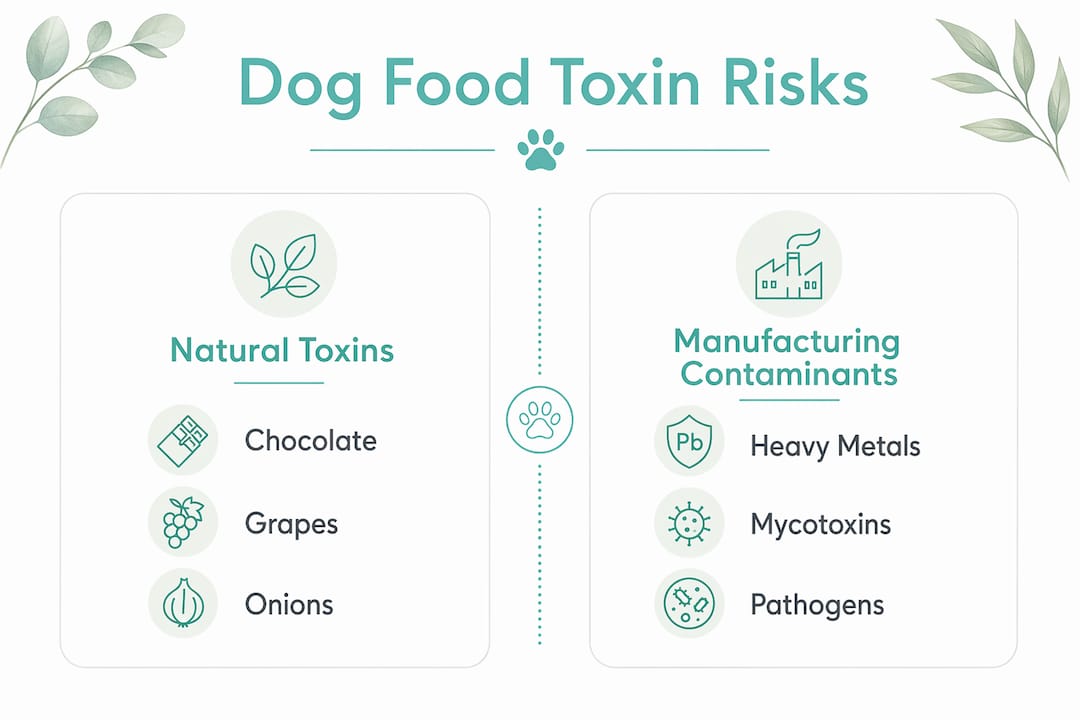
The most dangerous substances in dog food fall into two categories: naturally toxic ingredients and manufacturing contaminants. Both categories carry real risk, and both are manageable once you know what to look for.
Naturally toxic ingredients include a well-documented list of foods that cause acute harm in dogs. Chocolate, grapes, onions, macadamia nuts, and xylitol are among the most common culprits, producing symptoms that range from vomiting and diarrhea to kidney failure and seizures. Xylitol is particularly dangerous: acute hypoglycemia occurs at just 0.1 g/kg of body weight, meaning a small dog can be critically affected by a single piece of xylitol-containing gum. This threshold is low enough that even trace amounts in peanut butter or flavored supplements warrant serious attention.
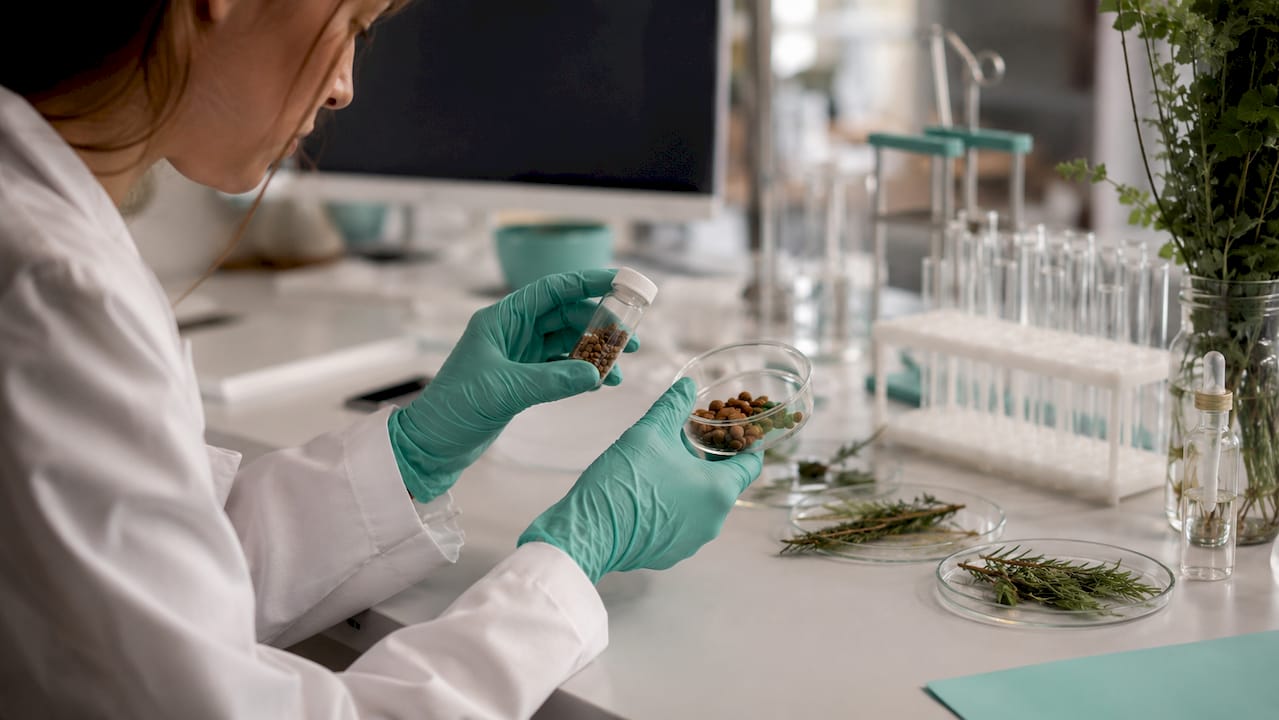
Contaminants from manufacturing are less visible but equally concerning. Elevated heavy metal levels including arsenic, cadmium, mercury, and lead have been detected in dry, air-dried, and freeze-dried commercial dog foods, often traced to low-quality meat by-products and untested vitamin and mineral premixes. The Clean Label Project compared pet food samples against over 3,280 human food and supplement samples collected over 10 years and found significantly higher metal concentrations in pet products. That finding means your dog may be ingesting more heavy metals per meal than most humans consume in a day.
Synthetic preservatives add another layer of risk. BHA and BHT, both common in budget kibble, carry potential carcinogenic concerns. Natural preservatives like mixed tocopherols and rosemary extract provide effective shelf stability without those risks. The difference appears on the ingredient label, so reading it matters.
Common symptoms of toxin exposure include:
- Vomiting or diarrhea within hours of eating
- Lethargy, weakness, or sudden collapse
- Excessive thirst or urination (a sign of kidney stress)
- Tremors, seizures, or loss of coordination
- Pale gums or jaundice (yellowing of skin or eyes)
Pro Tip: Watch for generic ingredient terms like “animal fat” or “meat by-products” on labels. These vague descriptors can mask low-quality ingredients with higher contamination risk, including elevated heavy metals and rancid fats.
How to read dog food labels to spot potential toxins
Label reading is the most direct tool for preventing dog food toxins before they reach your dog’s bowl. The ingredient list, not the front-of-package claims, is where the real information lives.
The ingredient list is ordered by weight before processing. A label listing “chicken” or “salmon” as the first ingredient signals a named protein source. A label listing “poultry by-product meal” or “meat and bone meal” first signals lower quality and higher contamination potential. Front-of-package marketing such as “natural,” “premium,” or “holistic” carries no regulatory definition and tells you nothing about ingredient quality or contaminant levels.
Here is what to look for and avoid on any dog food label:
- Look for: Named animal proteins (chicken, beef, salmon, lamb) in the first two ingredients
- Look for: Natural preservatives (mixed tocopherols, rosemary extract, vitamin E, vitamin C)
- Avoid: BHA, BHT, or ethoxyquin listed as preservatives
- Avoid: Artificial colorants like Red 40, Yellow 5, or Blue 2, which add no nutritional value
- Avoid: Added sugars or sweeteners, including corn syrup, cane molasses, and xylitol
- Avoid: Vague protein sources like “animal digest” or “meat meal” without a named species
The Mindfulbotany resource on artificial dog food ingredients provides a detailed breakdown of additives to watch for, organized by category and risk level.
Pro Tip: Cross-reference the brand’s recall history on the FDA’s pet food recall database before purchasing. A single voluntary recall is not necessarily alarming, but three or more recalls for the same contaminant type is a clear warning sign.
Which dog food brands minimize toxin exposure?
Choosing reputable brands is the second pillar of safe dog food practices. Not all commercial dog foods carry equal contamination risk, and brand transparency is a reliable proxy for quality control.
Brands that publish Certificates of Analysis (COAs) for heavy metals, mycotoxins, and pathogens demonstrate active third-party testing. COAs are lab reports confirming that a specific batch meets safety thresholds. If a brand cannot provide one on request, that absence is informative. Brands like The Farmer’s Dog, Nom Nom, and Open Farm publish sourcing details and testing results publicly, setting a transparency standard that budget brands rarely match.
Occasional voluntary recalls can actually indicate active quality monitoring rather than chronic failure. The distinction matters: a brand that proactively pulls a batch after detecting elevated aflatoxin levels is behaving responsibly. A brand with repeated recalls for the same issue, particularly Salmonella or heavy metals, signals a systemic problem in its supply chain.
The table below compares common dog food formats by relative toxin exposure risk:
| Food format | Toxin exposure risk | Key concern |
|---|---|---|
| Standard dry kibble | Moderate to high | Heavy metals, mycotoxins, synthetic preservatives |
| Freeze-dried raw | Moderate | Heavy metals from meat sources, pathogen risk if mishandled |
| Air-dried | Moderate | Similar metal risks to freeze-dried; check COAs |
| Fresh/refrigerated | Lower | Pathogen risk if thawed or stored incorrectly |
| Grain-free dry kibble | Moderate | Aflatoxin risk from alternative starches; not inherently safer |
Rotating protein and carbohydrate sources reduces chronic exposure to contaminants that accumulate from single-source feeding. A dog fed exclusively one brand of salmon-based kibble for years may accumulate more mercury than a dog whose diet rotates between chicken, beef, and fish proteins. Rotation also supports a more balanced gut microbiome, which adds a secondary health benefit.
Pro Tip: Grain-free diets are not automatically safer. Alternative starches like peas, lentils, and chickpeas carry their own aflatoxin risks. Diversifying the diet is more protective than eliminating grains alone.
Safe storage and handling practices that prevent contamination
Buying a quality dog food product does not guarantee safety if storage and handling introduce new risks. Contamination after purchase is a common and underappreciated source of toxin exposure.
Follow these steps to maintain food safety from bag to bowl:
- Store kibble in its original bag. The bag’s inner lining is designed to limit oxygen and moisture exposure. Transferring kibble to a plastic container accelerates fat oxidation and can introduce residual contaminants from previous contents.
- Keep dry food in a cool, dry location. Heat and humidity accelerate mold growth and mycotoxin production. A pantry or cabinet away from the stove or dishwasher is preferable to a garage or outdoor storage area.
- Thaw frozen or fresh food in the refrigerator. Thawing at room temperature allows rapid bacterial growth that mimics the same pathogen risks seen in mishandled human food. The refrigerator method keeps the food below 40°F throughout the thaw.
- Wash your dog’s bowl daily. Dog bowls accumulate biofilms, which are bacterial layers that form particularly fast on plastic and ceramic surfaces. Stainless steel or glass bowls washed with hot soapy water after each meal prevent this buildup from becoming a source of digestive illness.
- Inspect food before every serving. Discoloration, unusual odor, clumping, or visible mold are signs that the food has degraded. Discard any portion showing these signs immediately, even if the bag is within its best-by date.
- Rotate your stock. Use older bags before opening new ones. Keeping two or more open bags simultaneously increases the window for oxidation and mold exposure.
Monitoring your dog’s health is the final layer of protection. Annual bloodwork can detect early signs of chronic toxin exposure, including elevated liver enzymes or kidney markers, before clinical symptoms appear. A dog that seems healthy may still be accumulating low-level contaminants that only show up in lab results. Early detection allows dietary correction before organ damage occurs.
Pro Tip: Keep a simple feeding log noting the brand, batch number, and date opened for each bag. If your dog develops symptoms, this record helps your vet trace a potential dietary cause quickly.
Key takeaways
Avoiding dog food toxins requires consistent attention to ingredients, brand transparency, and storage conditions rather than any single fix.
| Point | Details |
|---|---|
| Know the acute risks | Xylitol causes hypoglycemia at 0.1 g/kg; chocolate, grapes, and onions cause organ damage. |
| Read labels precisely | Named animal proteins and natural preservatives signal safer formulations than vague terms. |
| Vet your brand | Brands publishing COAs and recall histories demonstrate active quality control. |
| Store food correctly | Keep kibble in its original bag in a cool, dry place; thaw frozen food in the refrigerator. |
| Monitor with bloodwork | Annual lab work detects early toxin accumulation before symptoms develop. |
What I’ve learned from years of watching dog owners navigate food safety
The most common mistake I see is treating dog food safety as a one-time decision rather than an ongoing practice. A pet owner researches a brand thoroughly, buys a 30-pound bag, and then stops paying attention for the next three months. But recalls happen mid-bag. Storage conditions change with the seasons. Ingredient formulations get quietly updated without fanfare.
The second mistake is overcorrecting into anxiety. Not every unfamiliar ingredient is a toxin. The dose-dependent nature of toxicity means context always matters. A single trace of rosemary extract is not a health threat; a bowl of grapes is. The goal is calibrated vigilance, not fear.
What actually works, based on watching real households manage this well, is building a short routine: check the recall database quarterly, rotate proteins every few months, wash the bowl daily, and schedule annual bloodwork. That routine costs almost no time and covers the majority of real-world risk. The pet food industry is improving on transparency, but it is not there yet. Owners who stay informed and use resources like the dog food shopping checklist at Mindfulbotany are genuinely ahead of the curve.
— Ashley
Support your dog’s health with clean, targeted nutrition
Avoiding harmful dog food is one part of the equation. Supporting your dog’s body with clean, well-formulated supplements is the other.
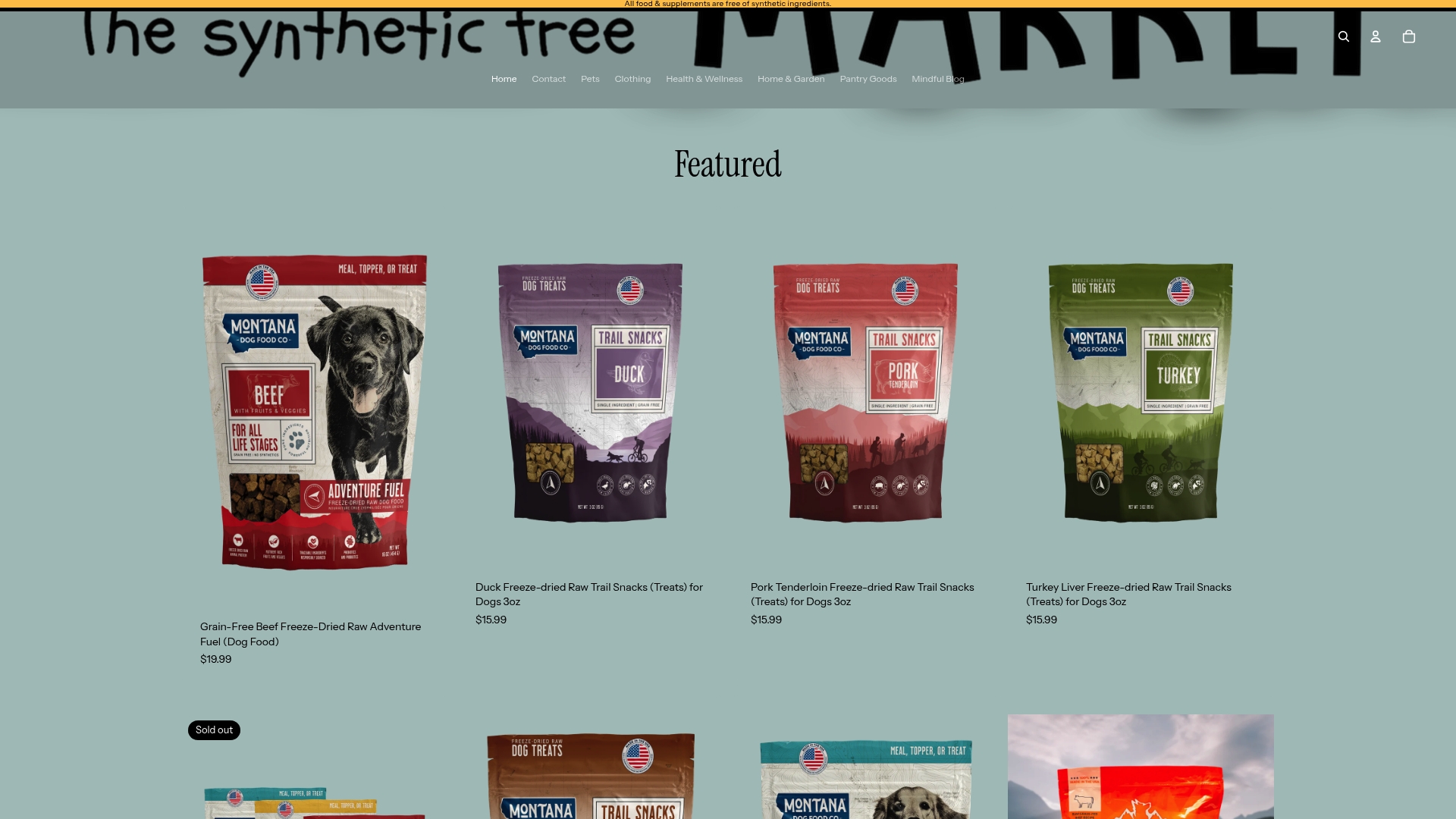
Mindfulbotany carries soft chew dog supplements formulated with natural ingredients and free from the synthetic additives flagged in this article. These chews are designed to complement a toxin-conscious diet by supporting immune function, joint health, and digestive balance. For pet owners who have already cleaned up their dog’s food routine, adding a targeted supplement is a practical next step. Browse the full selection at Mindfulbotany to find options matched to your dog’s specific health needs.
FAQ
What is the most toxic ingredient commonly found in dog food?
Xylitol is one of the most acutely dangerous substances, causing severe hypoglycemia at doses as low as 0.1 g/kg. It appears in sugar-free peanut butter, flavored supplements, and some commercial treats.
Are grain-free dog foods safer from toxins?
Grain-free formulas are not inherently safer. Alternative starches like peas and lentils carry their own aflatoxin risks, and heavy metal contamination depends on ingredient sourcing rather than grain content.
How do I know if a dog food brand is trustworthy?
Look for brands that publish Certificates of Analysis for contaminants, disclose ingredient sourcing, and have a clean or transparent recall history. Voluntary recalls for isolated batches are less concerning than repeated recalls for the same issue.
Can storage practices introduce new toxins into safe dog food?
Yes. Improper storage accelerates mold growth and mycotoxin production. Keeping kibble in a hot garage, transferring it to unclean plastic containers, or thawing frozen food at room temperature all create contamination risks that were not present at purchase.
How often should I check my dog for signs of toxin exposure?
Schedule annual bloodwork with your veterinarian to detect early markers of chronic toxin accumulation, including elevated liver enzymes or kidney values. Between checkups, monitor for vomiting, lethargy, excessive thirst, or changes in coat and energy levels.
Recommended
- Guide to safe ingredients for dogs: natural homemade recipes – Mindful Botany Market
- How to store natural dog food safely and keep it fresh – Mindful Botany Market
- How to mix supplements with dog food naturally – Mindful Botany Market
- Healthy dog treats: Natural, safe, and vet-approved options – Mindful Botany Market
0 comments