


TL;DR:
- “Specialty dog food” is a marketing term, not a regulated classification or certification.
- The benefits of specialty formulas depend on the dog’s specific needs and ingredient quality.
- Focus on nutritional adequacy, ingredient transparency, and your dog’s individual health when choosing food.
Most pet owners assume “specialty dog food” is a strictly regulated, clinically superior category. It is not. “Specialty dog food” is a marketing term for targeted formulas, not a defined legal classification. That gap between perception and reality matters, because it shapes every buying decision you make at the pet food shelf. This guide breaks down what specialty dog food actually means, what the research says about its benefits, and how to evaluate whether a formula is genuinely worth it for your dog.
Table of Contents
- What does ‘specialty dog food’ actually mean?
- Nutrition and benefits: Why choose specialty over regular dog food?
- Popular specialty dog food types: How do they compare?
- What matters most: Nutrition, not just a ‘specialty’ label
- A clearer perspective: When specialty dog food makes sense, and when it doesn’t
- Find the right specialty solutions and supplements for your pet
- Frequently asked questions
Key Takeaways
| Point | Details |
|---|---|
| Specialty is marketing | Specialty dog food is a marketing term, not a formal regulatory category. |
| Focus on nutrition | A balanced, complete diet is more important than a ‘specialty’ label for most dogs. |
| Human-grade and synthetic-free | Specialty options like synthetic-free or human-grade can benefit digestion and allergy-prone dogs. |
| Ingredient transparency matters | Always read the label and check for AAFCO nutritional completeness when evaluating specialty food. |
| Consult your vet | Work with your vet to decide if a specialty food fits your dog’s needs. |
What does ‘specialty dog food’ actually mean?
The phrase “specialty dog food” gets used constantly in pet store aisles, online listings, and brand marketing. But there is no legal definition backing it up. When you see that label, it is a brand’s way of signaling differentiation, not a regulatory certification.
Here is where the confusion often starts: AAFCO distinguishes “pet food” (food for dogs and cats) from “specialty pet food” (food for animals like birds, reptiles, and small mammals). That official “specialty” category has nothing to do with dogs or cats at all. So when a dog food brand uses “specialty” on its packaging, it is operating outside that regulatory framework entirely.
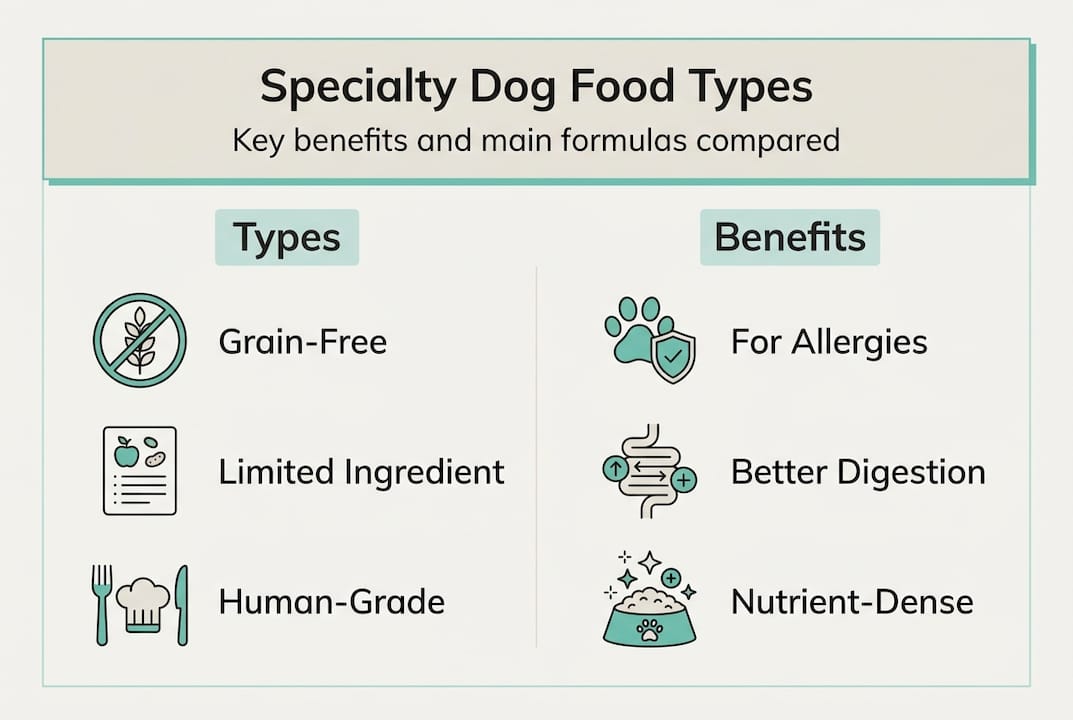
What most people actually mean when they say specialty dog food is a formula designed to address a specific health concern, life stage, or owner preference. That is a useful and honest way to think about it.
Common categories marketed as specialty dog food include:
- Grain-free formulas targeting dogs with grain sensitivities or owner preference for low-carb diets
- Limited ingredient diets (LID) built for dogs with food allergies or digestive sensitivities
- Breed-specific formulas sized and balanced for particular breeds
- Life-stage specific foods for puppies, seniors, or dogs managing weight
- Synthetic-free or clean-label foods made without artificial preservatives, colors, or flavors
- Human-grade or whole-food blends using ingredients held to food-safety standards for humans
“Specialty dog food” is a marketing designation, not a regulatory one. The actual AAFCO specialty category applies only to food for animals other than dogs and cats.
Understanding this distinction helps when choosing healthy dog food for your pet. It shifts focus from the label to the actual ingredients and nutritional profile. Whether a food is marketed as specialty or not, what matters is what is inside it. For owners specifically seeking clean label dog food, understanding these distinctions helps cut through noise. The same applies when evaluating synthetic-free dog food options, where ingredient sourcing and processing matter more than any marketing badge.
Nutrition and benefits: Why choose specialty over regular dog food?
Understanding what sets specialty dog food apart is important, but do these features really benefit your pet’s health? The answer depends on the formula, the dog, and what problem you are trying to solve.

The most meaningful nutritional difference between specialty and standard commercial dog food tends to be protein quality and digestibility. Human-grade specialty foods show over 90% protein and fat digestibility, while premium kibble averages around 80%. A 2022 study also found gut microbiome improvements in dogs fed human-grade diets. Better digestibility means your dog absorbs more nutrients from each meal, which matters especially for dogs with sensitive digestion.
Beyond digestibility, here is how specialty formulas generally compare to standard commercial dog food:
| Feature | Standard commercial food | Specialty dog food |
|---|---|---|
| Protein source quality | Variable, often by-product-based | Whole meat, named sources |
| Digestibility | Around 75 to 80% | Up to 90%+ (human-grade) |
| Artificial additives | Common | Minimal or absent |
| Allergen management | Limited control | LID or hypoallergenic options |
| Gut microbiome support | Not a focus | Evidence of improvement |
| Price per serving | Lower | Higher |
For dogs with recurring skin issues, coat dullness, or digestive upset, switching to a high-quality specialty formula can produce visible results. Reduced itching, improved coat texture, and more consistent digestion are among the most commonly reported changes. These are real outcomes tied to ingredient quality, not just marketing claims.
Pro Tip: If your dog has a known food sensitivity, track symptoms for two weeks before and after switching formulas. That baseline makes it much easier to tell whether the new food is working.
For owners interested in the full range of healthiest dog food types, this comparison provides useful context. It also helps frame the decision around synthetic-free options, which eliminate additive-related concerns entirely. The core message is that specialty food is not automatically better, but when matched to the right dog and the right need, it often delivers measurable nutritional advantages.
Popular specialty dog food types: How do they compare?
With nutrition basics explained, let’s break down the major specialty options available and see when each might be right for your dog.
Grain-free formulas replace wheat, corn, and rice with ingredients like sweet potato, lentils, or chickpeas. They suit dogs with grain sensitivities and owners seeking lower-carb diets. However, the FDA has been monitoring a potential link with DCM (dilated cardiomyopathy) in some grain-free diets, so vet guidance is worth seeking before switching.
Limited ingredient diets (LID) use a single protein and minimal other components. They are specifically useful for diagnosing food allergies through elimination diets.
Human-grade formulas use ingredients held to the same safety standards as human food. Premium vs. regular food shows higher protein bioavailability and evidence of improved gut microbiome in dogs. These are among the most science-backed specialty categories.
Raw and freeze-dried raw diets are minimally processed and retain more natural enzymes and nutrients. Explore raw dog food benefits separately if this category interests you.
Organic and GMO-free formulas prioritize ingredient sourcing and farming standards. If this matters to you as an owner, review GMO-free dog food options to understand what certifications actually mean.
Synthetic-free blends remove artificial preservatives, flavors, and colors. This category aligns with clean-label preferences and is often combined with whole-food or organic sourcing.
Key selection criteria to evaluate any specialty type:
- Named, whole protein source as the first ingredient
- AAFCO nutritional adequacy statement on the label
- Short, recognizable ingredient list
- No artificial colors, flavors, or chemical preservatives
- Sourcing transparency from the brand
Not every specialty formula is the right fit for every dog. Breed-specific foods, for example, often rely more on kibble shape than nutritional uniqueness. The most reliable approach is to match the type of specialty food to a documented need in your dog, not to a marketing trend.
What matters most: Nutrition, not just a ‘specialty’ label
Now that you know the main specialty types, it is time to refocus on what truly matters in any dog food: nutritional adequacy. A specialty label does not guarantee superior nutrition. No superior long-term outcomes have been proven for specialty food over balanced premium kibble; what matters is nutritional completeness.
Here is a practical checklist for evaluating whether any dog food, specialty or not, is worth buying:
- Check the AAFCO statement. It should say the food is “complete and balanced” for your dog’s life stage. This is the baseline. Without it, the food may not meet your dog’s daily nutritional requirements.
- Read the first five ingredients. A named protein (chicken, salmon, lamb) should appear first. If corn syrup, meat by-products, or artificial preservatives appear early, reconsider.
- Look for whole-food sources. Real vegetables, named organ meats, and whole grains (when included) indicate higher ingredient integrity.
- Evaluate the brand’s sourcing transparency. Brands that list where ingredients come from are generally more trustworthy than those using vague language.
- Factor in your dog’s individual needs. A senior dog with joint issues has different requirements than a healthy two-year-old retriever. No single formula is universally best.
Pro Tip: Ask your vet to review the ingredient panel of any new specialty food before making the switch, especially if your dog has a known health condition. This takes five minutes and prevents costly mistakes.
For owners who have considered plant-based approaches, the vegan dog food guide covers nutritional completeness in that context specifically. If you are leaning toward minimally processed options, the fresh dog food guide offers a practical breakdown. For those ready to move away from heavily processed food, feeding real food provides an actionable starting point. In all cases, the AAFCO statement and ingredient quality remain the most reliable filters.
A clearer perspective: When specialty dog food makes sense, and when it doesn’t
Taking a step back from features and benefits, what really matters is what is actually in the bowl and whether it meets your dog’s needs consistently.
Specialty food makes clear sense in a few specific situations: a dog with confirmed food allergies, a pet with a documented sensitivity to certain proteins or grains, or an owner with firm ingredient standards around synthetic additives and sourcing. In these cases, the targeted nature of specialty formulas is genuinely useful.
For most healthy dogs, though, a high-quality, balanced standard food performs just as well. Nutritional completeness is the priority; a specialty label alone does not guarantee superiority. The real differentiator is ingredient transparency and nutritional completeness, not the word “specialty” on the front of the bag.
Spending more time choosing the best for your pet based on the actual ingredient panel will consistently outperform chasing whatever category is trending. The owners who get it right are the ones reading labels carefully, not the ones paying a premium for branding.
Find the right specialty solutions and supplements for your pet
If you’re ready to put these lessons to work, here’s where you can find thoughtful specialty dog foods and wellness products.
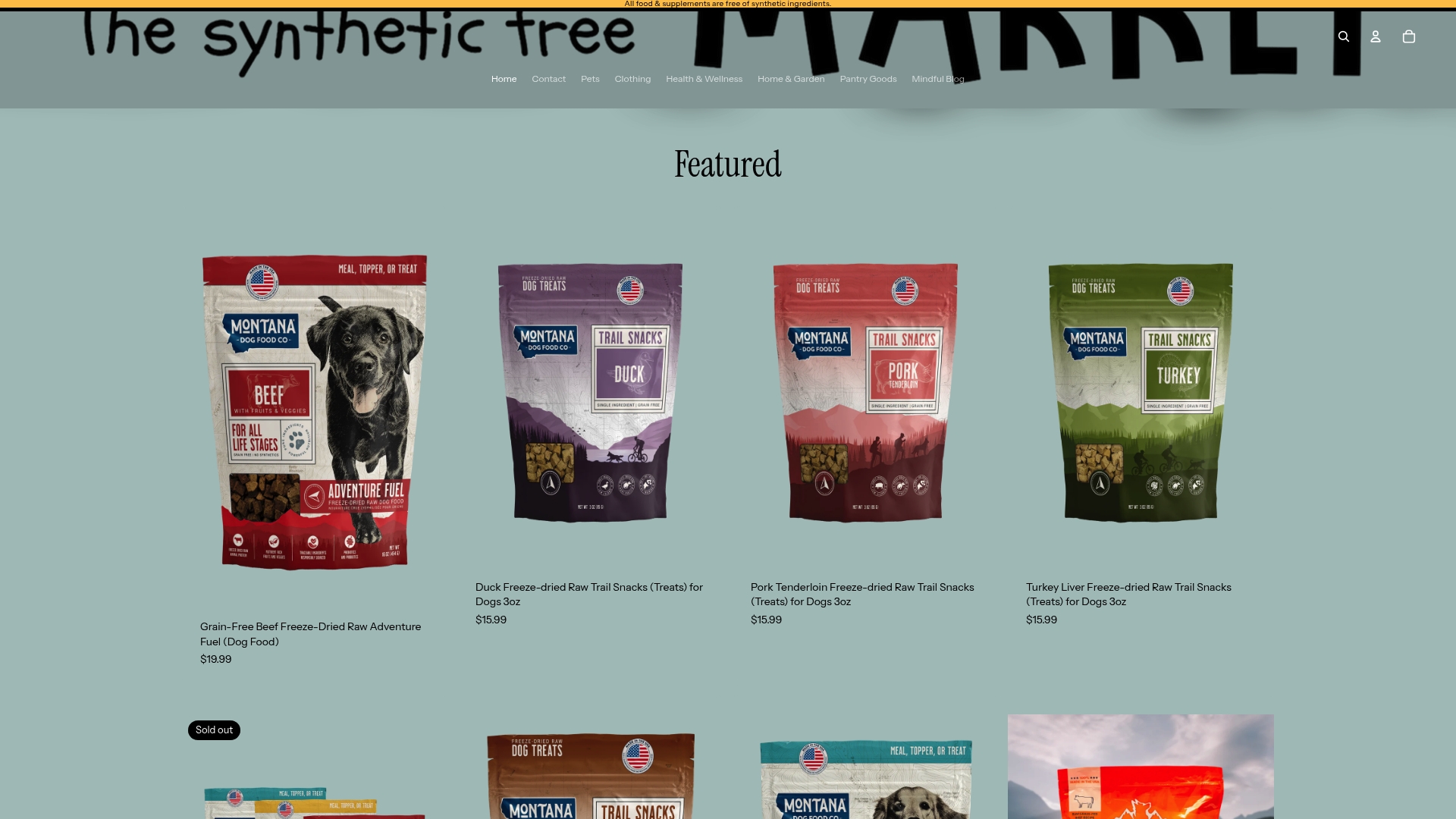
Mindful Botany Market offers a curated selection of synthetic-free dog food, treats, and supplements designed to match your pet’s specific health and dietary needs. Products are sourced with ingredient transparency and wellness in mind, covering everything from whole-food formulas to targeted support options. For a practical starting point, browse soft chew dog supplements formulated without synthetic additives. Whether your dog needs allergy support, digestive balance, or clean-label everyday nutrition, the range covers real-need categories rather than trend-driven marketing.
Frequently asked questions
Is specialty dog food regulated differently than regular dog food?
No. “Specialty dog food” is not an official regulatory term; AAFCO only distinguishes between food for dogs and cats versus food for other pets like birds or reptiles.
Who should consider buying specialty dog food?
Dogs with allergies or sensitivities may benefit from targeted specialty formulas, but most healthy dogs do well on any complete, balanced, high-quality food.
Are synthetic-free or human-grade recipes always better?
They can offer real benefits like improved digestibility, but the most important factor remains complete, balanced nutrition that meets AAFCO completeness standards.
How can I tell if a specialty food is healthy for my dog?
Look for an AAFCO nutritional adequacy statement on the packaging and consult your vet for recommendations based on your dog’s individual health history.
Recommended
- What is fresh dog food? A complete guide to healthier choices – Mindful Botany Market
- Feed your dog real food: a practical how-to guide – Mindful Botany Market
- Raw Dog Food Benefits: Health, Nutrition & Risks – Mindful Botany Market
- Top types of synthetic-free dog food for healthier pets – Mindful Botany Market