


TL;DR:
- Many pet owners are confused by unregulated marketing claims on dog food labels, which do not guarantee higher nutrition. Nutrient density measures beneficial nutrients relative to calories, and real quality depends on ingredient lists highlighting whole proteins, identifiable fats, and natural produce. Evaluating actual ingredients and nutrient content, rather than marketing words like “premium” or “senior,” ensures better long-term health for dogs.
Pet owners often spend significant time reading dog food labels, only to walk away more confused than before. Terms like “premium,” “holistic,” and “senior” are printed boldly on packaging, but these words carry no regulated nutritional standard. The actual nutrient content inside the bag may tell a very different story. This guide cuts through that confusion by explaining what nutrient density really means for dogs, how to spot it in the ingredient list, and how to make practical choices that support your dog’s long-term health without relying on marketing claims.
Table of Contents
- What does nutrient dense mean for dog food?
- How to recognize nutrient-dense dog food
- Comparing types of dog food for nutrient density
- Practical ways to increase your dog’s nutrient intake
- Why the focus on nutrient density is often misunderstood
- Ways to support your dog’s nutrition naturally
- Frequently asked questions
Key Takeaways
| Point | Details |
|---|---|
| Nutrient density defined | Nutrient-dense dog food provides more essential vitamins, minerals, and quality protein per calorie. |
| Marketing can mislead | Labels like ‘senior’ or ‘premium’ don’t always mean more nutrients—check ingredients and analysis. |
| How to choose wisely | Favor foods with whole, natural ingredients and be wary of synthetic additives and fillers. |
| Type matters | Different food types (kibble, raw, wet, homemade) offer unique nutrient profiles and trade-offs. |
| Boost nutrition at home | You can increase your dog’s nutrient intake by rotating proteins and adding natural superfoods safely. |
What does nutrient dense mean for dog food?
Nutrient density, at its most basic, means the amount of beneficial nutrients per calorie in a food. A nutrient-dense food delivers more vitamins, minerals, proteins, and other beneficial compounds relative to its calorie count. For dogs, this concept is especially important because their bodies depend on specific proteins, fatty acids, and micronutrients to maintain muscle mass, coat health, joint function, and immune response.
The confusion starts when pet owners assume that certain label categories guarantee higher nutrition. Research published in Frontiers in Veterinary Science found that diets marketed as “senior” formulas do not consistently deliver higher nutrient density compared to standard adult dog foods. The label tells you who the food is marketed to, not necessarily what’s inside.
“Nutrient density is about ingredient quality and composition, not the category printed on the front of the bag.”
Real nutrient density in dog food comes from:
- Whole animal proteins such as chicken, beef, salmon, or lamb listed as the first ingredient
- Natural fats from identifiable sources like chicken fat or fish oil rather than generic “animal fat”
- Vegetables and fruits that provide antioxidants, fiber, and trace minerals
- Minimal or no synthetic preservatives, artificial colors, or flavoring agents
Understanding essential nutrients for dogs gives you a clearer picture of what your dog actually needs daily. From there, reading ingredient lists becomes a much more productive exercise than scanning front-label claims. Learning about pet food benefits tied to natural ingredients can also help you set realistic expectations for what good nutrition looks like in practice.
Pro Tip: When evaluating a food, flip the bag over immediately and skip the front entirely. The ingredient list and guaranteed analysis panel are where the real information lives.
How to recognize nutrient-dense dog food
Understanding what to look for is the first step; next, let’s see how various food types stack up in terms of nutrient density.
A dog food shopping checklist is one of the most practical tools you can use before purchasing. It removes the guesswork and keeps your focus on what matters. Studies show that many products fall short of all minimum nutrition standards, so reading beyond marketing claims is not optional — it is essential.
Here is a step-by-step process for evaluating any dog food:
- Check the first three ingredients. Meat or a named meat meal should appear at the top. If corn, wheat, or soy appears before any protein, move on.
- Look for an AAFCO statement. This tells you the food meets baseline nutritional requirements. Look for “formulated to meet” or “feeding trial” language.
- Count the fillers. Ingredients like brewers rice, corn gluten meal, and cellulose add bulk without meaningful nutrition.
- Verify fat sources. Named fats like salmon oil are more informative and stable than generic “animal fat.”
- Scan for synthetic additives. Artificial colors (Red 40, Yellow 5), BHA, BHT, and ethoxyquin are red flags.
- Cross-reference serving size with guaranteed analysis. Higher protein percentages are only meaningful if the serving size is not inflated.
Knowing how to choose the best dog food involves combining this step-by-step process with an understanding of your specific dog’s age, breed, and activity level.
Comparison: Marketing claims vs. actual ingredient quality
| Label claim | What it means legally | What to check instead |
|---|---|---|
| Premium | Nothing regulated | Ingredient quality and protein source |
| Senior | Nothing regulated | Adjusted protein and fat levels |
| Holistic | Nothing regulated | Presence of whole food ingredients |
| Natural | Minimal processing required | Absence of artificial preservatives |
| Grain-free | No grains used | Quality of alternative carbohydrate sources |
Pro Tip: The AAFCO statement is a floor, not a ceiling. A food can technically meet minimums while still relying heavily on low-quality fillers. Use it as a starting check, not a final verdict.
Comparing types of dog food for nutrient density
Comparing these types gives a clearer picture of options, but what practical steps can you take to boost your dog’s daily nutrition?
Not all dog food formats are created equal when it comes to nutrient density. Knowing the differences helps you make a more informed choice or combination of food types for your dog.
Dry kibble is the most widely used format. It is convenient and shelf-stable, but the high-heat extrusion process used to make it can degrade heat-sensitive nutrients like certain B vitamins and enzymes. Manufacturers often add synthetic versions back in after processing. Kibble can also include a higher percentage of starch-based ingredients to hold the pellet together, which dilutes protein density per calorie.

Wet and canned food typically contains higher moisture content (70 to 80 percent water) and often higher protein levels than dry kibble. The protein tends to come from muscle meat, which is more bioavailable. The downside is that some canned foods are high in fat or low in dietary fiber, and cost per serving is significantly higher than dry food.
Freeze-dried and dehydrated food preserves nutrients more effectively than heat extrusion. The removal of moisture concentrates nutrients without destroying their structure. Freeze-dried raw food, for example, retains enzymes and natural amino acid profiles that high-heat processing eliminates.
Raw food diets, whether fresh or frozen, offer the highest potential nutrient density when properly formulated. Research consistently shows that some products marketed for special needs do not outperform standard diets, but raw and minimally processed foods can genuinely raise the nutrient bar when they include balanced ratios of protein, fat, organ meat, and bone content.
Homemade diets can be excellent but carry risk. An unbalanced homemade diet can create serious deficiencies in calcium, zinc, or specific vitamins over time. A vet or veterinary nutritionist consultation is essential before committing to homemade feeding.
Explore a detailed breakdown of healthiest dog food types to see how each format performs across different health goals. You can also review raw dog food benefits and risks to understand if that option fits your situation.
Nutrient density comparison by food type
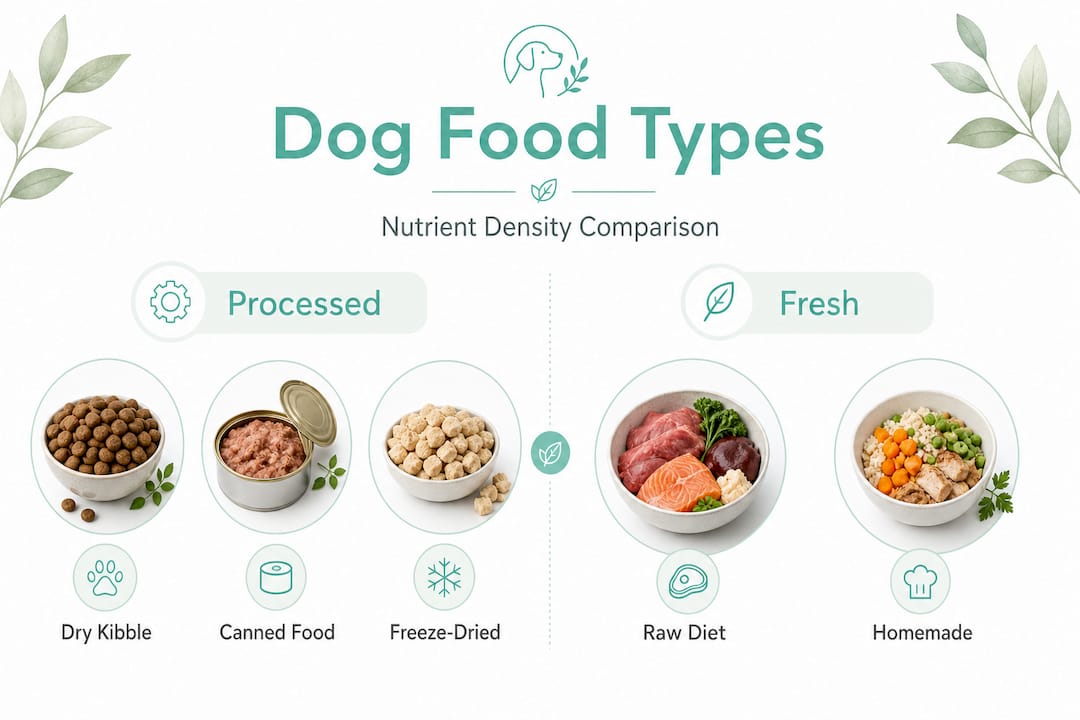
| Food type | Protein density | Processing level | Nutrient preservation | Fiber content |
|---|---|---|---|---|
| Dry kibble | Moderate | High | Lower | Moderate |
| Wet/canned | High | Moderate | Moderate | Low to moderate |
| Freeze-dried | Very high | Minimal | High | Variable |
| Raw (fresh/frozen) | Very high | None to minimal | Highest | Low (add veggies) |
| Homemade | Variable | Variable | High if balanced | Variable |
Including natural boosters like superfoods for dogs can help fill gaps regardless of the primary food format you choose.
Practical ways to increase your dog’s nutrient intake
With these steps, you can directly impact your dog’s health daily. But what’s the real bottom line for nutrient density in pet nutrition?
You do not have to overhaul your dog’s entire diet to improve their nutrition. Small, consistent additions of whole food ingredients can make a measurable difference, especially when your dog’s current food skews toward fillers or moderate-quality protein sources.
- Add whole food toppers. Blueberries, cooked sweet potato, scrambled eggs, and steamed broccoli are all safe and nutrient-rich additions for most dogs. Start with small amounts to monitor digestion.
- Rotate proteins regularly. Feeding the same protein source daily limits your dog’s amino acid and micronutrient range. Rotating between chicken, salmon, beef, and lamb over time broadens the nutritional profile.
- Use organ meats sparingly. Chicken liver or beef kidney are extremely dense in vitamins A, B12, and iron. A small weekly portion (no more than 5 percent of diet) adds real nutritional value without overwhelming the body.
- Choose whole food options over synthetic supplements when safe. Fish oil for omega-3s, pumpkin seeds for zinc, and eggs for biotin are practical examples where real food does the same job as a capsule.
- Eliminate unnecessary fillers where possible. If your current food lists three or more filler ingredients (corn syrup, cellulose, soy flour) in the first ten ingredients, it may be worth transitioning to a higher-quality base food.
- Introduce new foods gradually. Add one new ingredient at a time over five to seven days to identify any sensitivities and give your dog’s gut microbiome time to adjust.
Research confirms that natural whole ingredients provide the most bioavailable nutrition for dogs. Synthetic vitamins and minerals can fill gaps, but the body recognizes and absorbs nutrients from whole food sources more efficiently.
Learn the specifics of mixing supplements with dog food if you want to enhance nutrition without disrupting your dog’s current routine. For a broader overview of what real food can offer, the best natural sources for dog nutrition guide covers ingredients and their specific benefits in detail.
Pro Tip: Pumpkin puree (plain, not pie filling) is one of the most underrated dog food additions. It supports digestion, adds fiber and beta-carotene, and most dogs accept it readily mixed into their bowl.
Why the focus on nutrient density is often misunderstood
Many pet owners approach dog food shopping with the best intentions but end up chasing trends rather than focusing on actual ingredient composition. The natural, premium, and holistic pet food market grows every year, yet the average shopper still relies heavily on front-label imagery and marketing language.
The core issue is that label marketing terms like “senior” and “premium” are not backed by regulated nutrient content standards. A company can use those words freely without any measurable difference in what goes into the bag. This matters because pet owners spend money based on those words, assuming they signal quality.
A second misunderstanding is that a single highlighted ingredient makes a food nutrient-dense. Brands frequently spotlight minor additions such as a small amount of blueberry powder or a trace of turmeric while the base formula remains starch-heavy and protein-light. The overall composition of a food determines its actual nutrient density. One tablespoon of a superfood ingredient in a 30-pound bag of kibble has negligible real impact.
What genuinely works is evaluating the complete ingredient list, not just the top line or the highlighted ingredients on the packaging. A food with chicken as the first ingredient, followed by chicken meal, sweet potato, and pea protein, is structurally more nutrient-dense than one with chicken first, followed immediately by corn, wheat, and soy flour.
Revisiting optimizing nutrient intake with this whole-picture mindset shifts the evaluation from trendy claims to practical, ingredient-level analysis. That shift is where real improvement in your dog’s diet happens.
The practical takeaway is straightforward. Buy for ingredient quality and overall composition. Ignore the front of the bag. Rotate proteins and food types where possible. Add whole food boosters when practical. That approach delivers more than any single “superfood” label ever will.
Ways to support your dog’s nutrition naturally
Putting these principles into practice is easier when you have access to products that actually align with them.
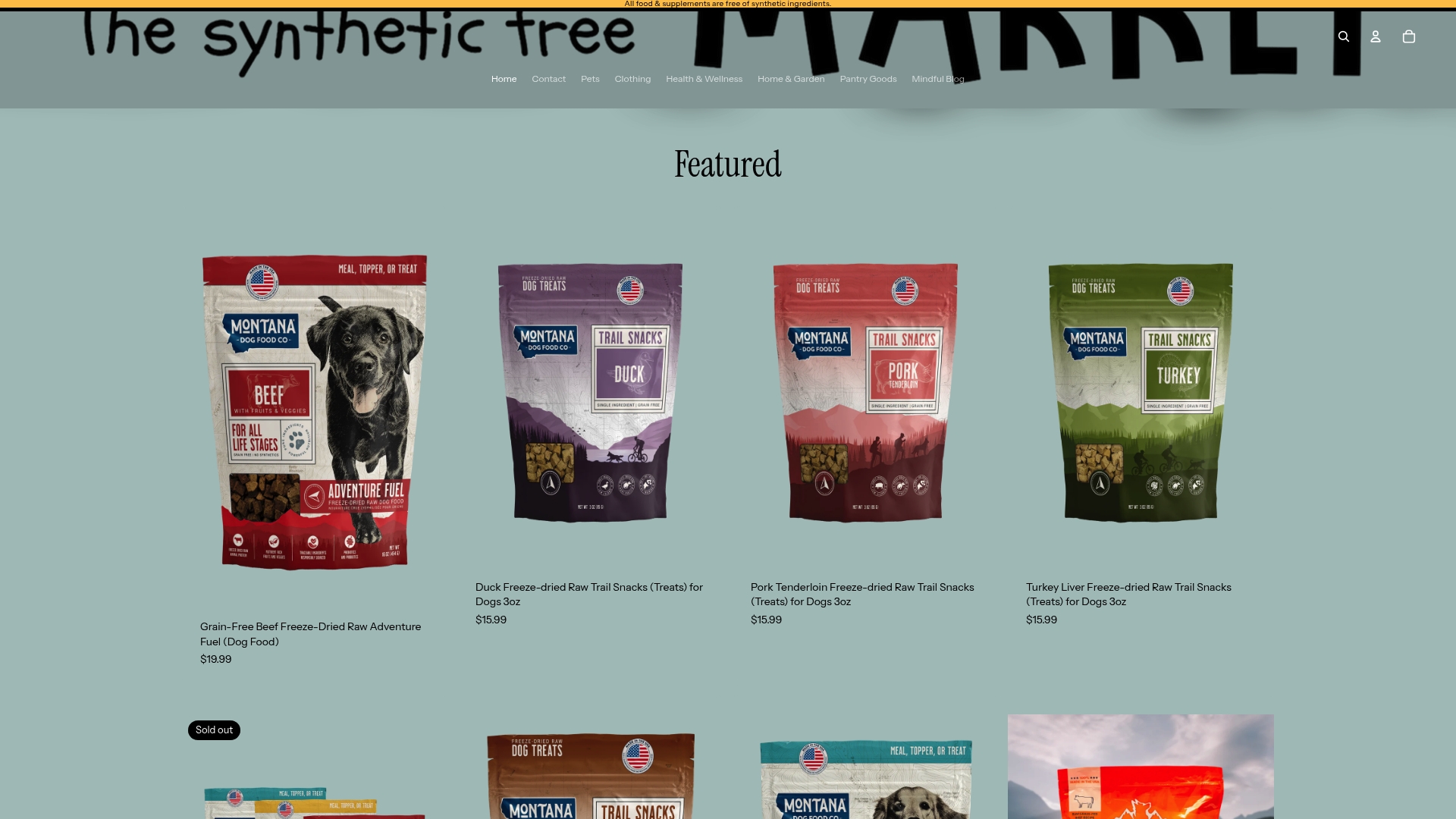
Mindful Botany Market carries a curated selection of natural, minimally processed pet wellness products designed to support real nutritional goals. From freeze-dried raw options to grain-free formulas with identifiable protein sources, the catalog focuses on ingredient transparency and whole food composition. Whether you are looking to upgrade your dog’s base diet or add targeted nutritional support through natural toppers and supplements, the product range at Mindful Botany Market is built around the same ingredient-first standards this guide covers. Browse current offerings and filter by dietary need, protein source, or format to find options that fit your dog’s specific health profile.
Frequently asked questions
How can I tell if a dog food is actually nutrient dense?
Look for whole food ingredients with meat listed as the primary protein source, and check that fillers appear low on the ingredient list. Do not rely on packaging claims like “premium” or “senior” since label claims are unreliable and measured nutrient differences among foods are inconsistent.
Do “senior” or “premium” labels guarantee higher nutrition?
No. Studies found that nutrient content varies widely, and “senior” food does not consistently deliver higher nutrient density than standard adult formulas. Always evaluate the actual ingredient list and guaranteed analysis instead.
Is homemade dog food always more nutrient dense?
Homemade food has the potential to be highly nutrient dense, but it requires careful planning, protein rotation, and professional guidance to avoid deficiencies. Balanced whole foods deliver optimal nutrition only when the diet is properly designed across all macro and micronutrient needs.
Should I avoid all synthetic ingredients in my dog’s food?
Minimizing synthetic preservatives, artificial colors, and synthetic flavors is a reasonable goal for better nutrient quality. Natural whole ingredient approaches provide more bioavailable nutrition, though some synthetic vitamins may be necessary to meet minimums in certain formulations.
Recommended
- Healthy dog food: how to choose the best for your pet – Mindful Botany Market
- Essential nutrients for dogs: optimize health with natural foods – Mindful Botany Market
- What is fresh dog food? A complete guide to healthier choices – Mindful Botany Market
- Guide to the healthiest dog food types for canine wellness – Mindful Botany Market
0 comments