


TL;DR:
- “Farm-to-bowl” signifies sourcing dog food ingredients directly from identified farms with minimal processing, emphasizing transparency and quality. However, brands vary greatly in actual standards, making verification through ingredient lists, certifications, and detailed sourcing essential. Responsible pet owners should scrutinize claims and consult professionals to ensure nutrient adequacy and suitability for their dogs’ specific needs.
Walk down the pet food aisle and you will find “farm-to-bowl,” “regeneratively farmed,” and “natural” on nearly every bag. These terms sound meaningful. But they do not all mean the same thing, and some of them have no agreed definition at all. For pet owners who want genuinely clean, high-quality food for their dogs, that ambiguity creates real risk. This guide breaks down what farm-to-bowl actually means, what nutritional benefits the approach can offer, how to spot misleading claims, and how to evaluate brands before you buy.
Table of Contents
- Defining farm-to-bowl dog food: More than just a label
- How farm-to-bowl practices impact your dog’s health
- Pitfalls and greenwashing: What to watch for
- How to evaluate farm-to-bowl dog food brands
- A fresh perspective: Why farm-to-bowl should prompt better questions—not blind trust
- Support your dog’s wellness journey with trusted farm-to-bowl products
- Frequently asked questions
Key Takeaways
| Point | Details |
|---|---|
| No single definition | Farm-to-bowl means different things to different brands, so definitions are not standardized. |
| Health depends on formulation | True nutritional benefit relies on a food being complete, balanced, and tailored to your dog’s needs. |
| Scrutinize greenwashing | Many products use buzzwords without delivering meaningful benefits, so verify claims and ingredients. |
| Actionable evaluation steps | Use ingredient transparency, certification, and feeding trial evidence to choose quality farm-to-bowl foods. |
Defining farm-to-bowl dog food: More than just a label
With the confusion around buzzwords, let’s break down exactly what “farm-to-bowl” means in the pet food aisle.
At its core, farm-to-bowl is a sourcing and processing philosophy. It describes dog food made from ingredients that come directly from identified farms or producers, with minimal steps between harvest and your dog’s dish. The idea is that shorter supply chains preserve ingredient quality, reduce opportunities for contamination, and give pet owners clearer visibility into what they are feeding. In practice, however, brands apply this term very differently, which matters a great deal when you are choosing the best dog food for your dog.
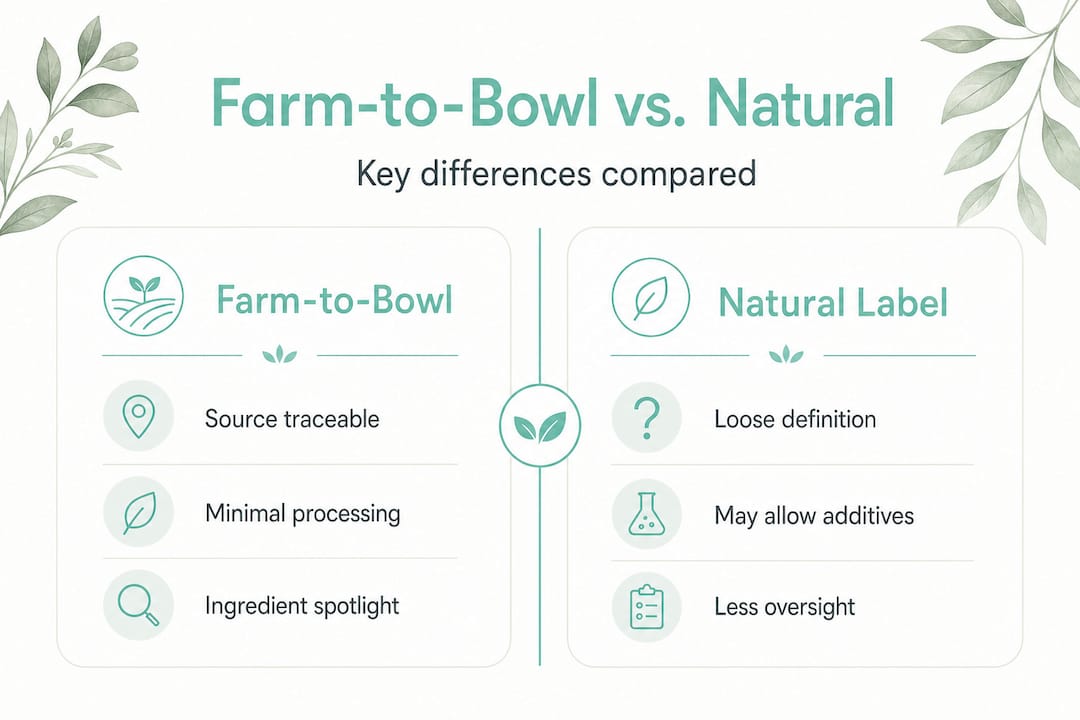
| Component | Strong farm-to-bowl standard | Loose or absent standard |
|---|---|---|
| Ingredient sourcing | Named farms or suppliers listed | Vague regional or country-level claims |
| Synthetic additives | None or minimal, clearly disclosed | Undisclosed synthetic vitamins or preservatives |
| Animal welfare | Certified humane, free-range, or pasture-raised | No welfare claims or unverified statements |
| Processing method | Minimal processing, freeze-dried, or raw | Heavily processed with unnamed methods |
| Supply chain transparency | Full traceability documents available | Marketing copy only, no documentation |
| Environmental claims | Verified third-party audited sustainability | Unsubstantiated “eco-friendly” language |
The differences in that table are not cosmetic. A brand listing named farms and third-party audited practices is operating from a genuinely different foundation than one that prints “farm-sourced” on a bag with no further detail.
A note on definitions: As regenerative farming language grows in pet food marketing, farm-to-bowl messaging often overlaps with environmental claims, leading to nuance and disagreement about what any of these terms actually require. Without regulatory definitions, greenwashing risk is real.
It is also worth understanding how “farm-to-bowl” differs from related terms. “Natural” in pet food has a loose regulatory meaning: it simply requires that ingredients are not chemically synthesized. “Regenerative” goes further, referring to farming practices that actively restore soil health and biodiversity, but this term has no universal certification standard in pet food. Farm-to-bowl sits somewhere between the two, emphasizing sourcing transparency over environmental outcome. Knowing these distinctions protects you from assuming that one label implies another.
How farm-to-bowl practices impact your dog’s health
Now that you know what the farm-to-bowl label suggests, how does this approach truly impact your dog’s health?
The most consistent benefit claimed for farm-to-bowl formulations is ingredient quality. When protein sources come from named farms using verified animal welfare standards, the resulting meal tends to have a cleaner nutritional profile with fewer fillers, fewer synthetic additives, and higher bioavailability of nutrients. Bioavailability simply means how much of a nutrient your dog’s body can actually absorb and use. A fresh, minimally processed chicken breast contributes differently to your dog’s diet than a mystery-source meat meal.
The natural pet food benefits extend across several areas of wellness:
- Better digestibility. Fresh, whole ingredients are easier for dogs to break down than heavily processed alternatives, which may include artificial binders or fillers that contribute to loose stools or excess gas.
- Fewer synthetic additives. Synthetic preservatives like BHA and BHT are avoided in genuine farm-to-bowl formulations, reducing potential long-term exposure concerns.
- Reduced allergy triggers. Cleaner ingredient lists with identifiable protein and vegetable sources make it easier to isolate and manage food sensitivities or intolerances.
- Visible, recognizable ingredients. Pet owners can see whole blueberries, sweet potato, or pumpkin in the food, which builds confidence and traceability.
- Support for skin and coat health. Higher-quality fats from pasture-raised animals or identified fish sources tend to deliver better omega fatty acid profiles, which directly affect coat condition and skin barrier function.
Including ingredients like leafy greens, organ meats, and antioxidant-rich fruits places farm-to-bowl food into similar territory as superfoods for dogs, which research increasingly links to reduced inflammation, better gut health, and improved energy in dogs.
However, it is important to note that source quality and clean processing do not automatically guarantee that a diet is complete and balanced. Nutrient adequacy may still vary significantly across brands. A food can come from beautiful farms and still lack the correct calcium-to-phosphorus ratio, or fall short on essential vitamins if the formulator has not done the work.

Pro Tip: Always look for the AAFCO (Association of American Feed Control Officials) nutritional adequacy statement on any farm-to-bowl product. It should say something like “formulated to meet AAFCO nutrient profiles” or “complete and balanced for all life stages.” If this statement is missing, the food should only be used as a supplement, not a primary diet.
Your dog’s specific needs also matter. A senior dog with kidney issues, a large-breed puppy, or a working dog all have different caloric and nutrient requirements. No label, however clean, replaces a diet tailored to your dog’s life stage and health status.
Pitfalls and greenwashing: What to watch for
But with so many brands jumping on buzzwords, it is crucial to understand potential pitfalls and how to avoid common traps.
Greenwashing in pet food is not rare. It refers to the practice of using environmental or health-focused language to market products without genuine backing. Because there is no agreed definition for regenerative or farm-to-bowl claims in pet food, brands can use this language freely with little accountability.
| Practice | Genuinely transparent brand | Potentially misleading brand |
|---|---|---|
| Ingredient sourcing claim | Named farms with verifiable location | “Farm-sourced” with no further detail |
| Animal welfare | Certified Humane or equivalent certification listed | “Humanely raised” with no certifier named |
| Processing claims | Defined method (freeze-dried raw, cold-pressed) | “Minimal processing” undefined |
| Sustainability | Third-party audited environmental reports | “Eco-friendly” with no documentation |
| Nutrition statement | AAFCO adequacy statement present | Nutrition claim absent or vague |
The transparency gap is significant. Studies on food labeling practices show that the majority of sustainability-related claims on consumer products lack sufficient documentation to verify the underlying practices. Pet food is no exception. When a brand invests in bold photography of rolling green fields but does not disclose its actual supplier list, that is a red flag worth noting.
Steps to vet marketing claims before you buy:
- Read the full ingredient list. Specific, named ingredients are a positive signal. Vague terms like “animal fat” or “meat by-products” indicate low traceability.
- Search for the AAFCO statement. This single line confirms the food meets minimum nutritional standards.
- Look for named certifications. Certified Humane, Non-GMO Project Verified, or USDA Organic are third-party verified. Generic phrases like “all-natural” are not.
- Visit the brand’s website. Genuine transparency brands typically have detailed sourcing pages, supplier lists, or farm partnership information. If the website is pure lifestyle imagery without specifics, ask why.
- Check for recall history. The FDA maintains a public database of pet food recalls. A history of recalls for contamination issues can signal supply chain gaps.
- Ask the brand directly. Email or call customer service and ask where a specific protein ingredient is sourced. A trustworthy brand will answer clearly.
Understanding the signs of quality dog food goes beyond the front panel claims. The back of the bag and the brand’s sourcing documentation tell a more accurate story. Choosing a reputable dog food brand means doing this research once per brand and then updating it periodically as brands change ownership or formulations.
How to evaluate farm-to-bowl dog food brands
You are almost ready to shop. Here is a clear checklist to guide your search for a genuinely high-quality farm-to-bowl dog food.
Edge cases are common: brands use similar language while differing significantly in actual formulation or nutrient adequacy. The following criteria help you cut through the noise and compare brands on substance rather than packaging.
- Ingredient transparency. Every protein source, fat source, and carbohydrate should be named specifically. “Chicken” is specific. “Poultry meal” is less so. “Meat” tells you almost nothing.
- Supply chain information. Look for named sourcing partners, farm locations, or at minimum, country-of-origin details. The more specific, the better.
- AAFCO nutritional adequacy statement. This is non-negotiable for a primary diet. Check whether the statement is based on formulation or on actual feeding trials. Feeding trials represent a higher standard.
- Third-party certifications. Certifications from recognized bodies such as Certified Humane, USDA Organic, or the Non-GMO Project Verified program indicate external verification rather than self-reported claims.
- Processing method disclosure. Freeze-dried raw, cold-pressed, gently cooked, and air-dried are specific enough to evaluate. “Minimally processed” alone is not.
- Recall and safety record. Use the FDA recall database to check the brand’s history. Consistent clean records suggest reliable quality control.
- Vet or nutritionist involvement. Some brands disclose that a board-certified veterinary nutritionist formulated the diet. This is a meaningful distinction, especially for dogs with health conditions.
Using a dog food shopping checklist helps you apply these criteria consistently across different brands without relying on gut feeling or packaging design alone.
Pro Tip: Do not assume that a premium price tag equals better nutrition. Some of the most expensive farm-to-bowl brands on the market still lack AAFCO statements or clear sourcing data. Price is not a proxy for quality. Checking for essential nutrients for dogs in the formulation is more reliable than checking the price.
It is also worth involving your vet in any diet transition. Even a genuinely excellent farm-to-bowl food may not be the right fit for a specific dog’s health profile. A vet check before switching ensures the transition supports rather than disrupts your dog’s current health.
A fresh perspective: Why farm-to-bowl should prompt better questions—not blind trust
Before you choose, there is one more angle every responsible pet owner should consider.
Farm-to-bowl is a useful concept. It signals an intention to source responsibly and process minimally. But treating it as a seal of approval is where many pet owners go wrong. As this term functions as a proxy for multiple concepts at once, edge cases arise regularly where brands use similar language while differing in actual formulation or nutrient adequacy. The label is an invitation to investigate, not a reason to stop investigating.
What most guides on farm-to-bowl food do not say is this: the brands doing it right are actually glad to answer hard questions. They publish sourcing data. They name their farms. They welcome transparency because transparency is part of their model. If a brand responds to direct sourcing questions with vague marketing language, that response itself is informative.
The deeper lesson is that no single label or trend replaces a pet owner’s ongoing attention. Brands change ownership. Formulations shift without obvious notice. Ingredients get substituted due to supply chain pressures. What premium dog food truly means is not a fixed marketing category but a standard that requires periodic re-evaluation.
Skepticism here is not cynicism. It is care. Applying the same level of scrutiny to your dog’s diet that you apply to your own is a mark of responsible ownership, not excessive worry. The farm-to-bowl category is genuinely producing better food for dogs. The work is finding which brands within that category are actually delivering on the promise.
Support your dog’s wellness journey with trusted farm-to-bowl products
For pet owners ready to put these principles into action, here is where you can start making practical, healthier choices.
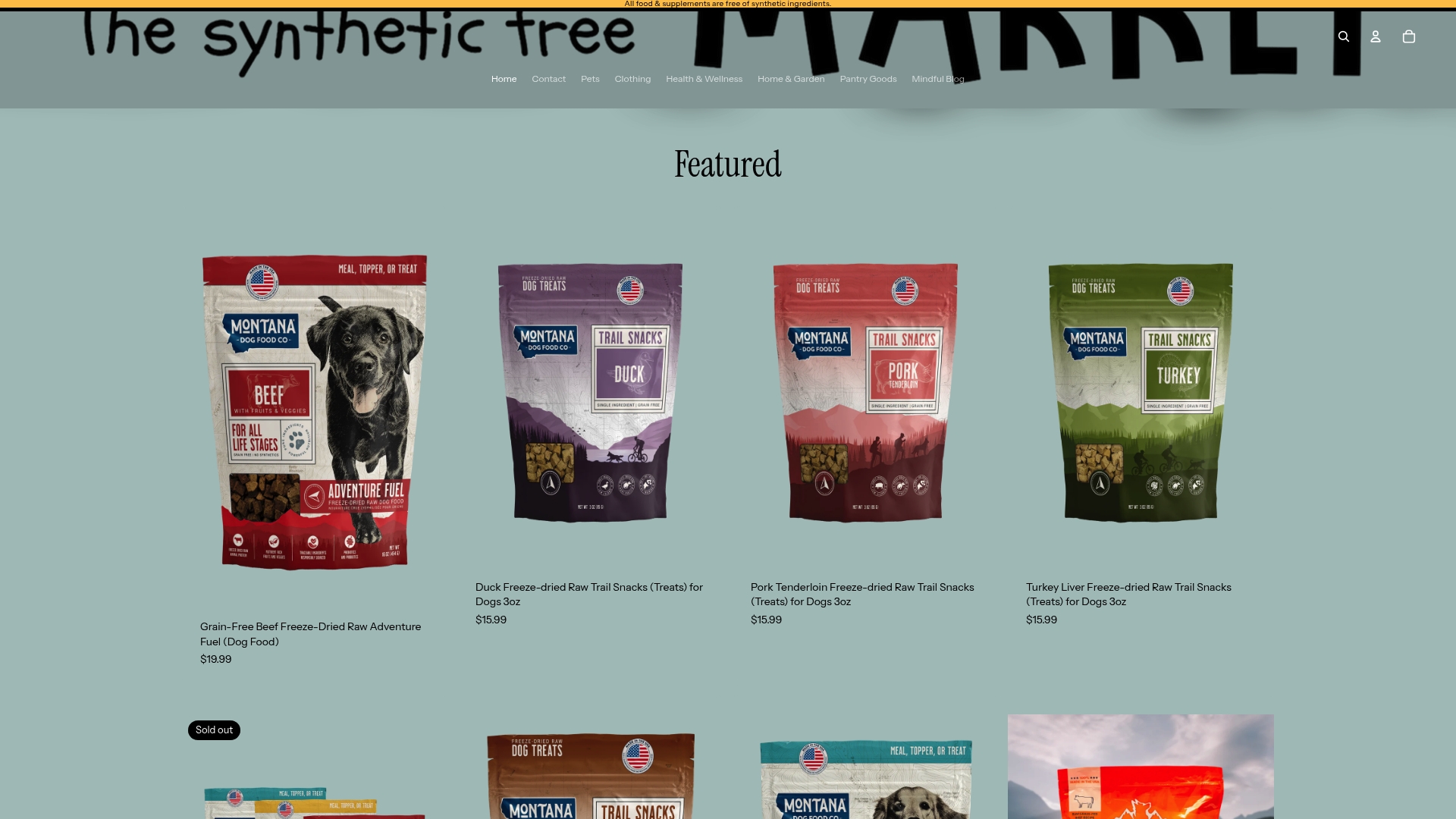
Mindful Botany Market curates health and wellness products for people and pets, with a focus on ingredient transparency and nutritional integrity. The selection includes soft chew dog supplements formulated with identifiable, quality ingredients, as well as a broader range of natural pet wellness products designed to complement a clean, whole-food diet. Each product in the collection is selected with the same criteria this guide recommends: clear ingredients, defined sourcing, and verifiable nutritional standards. Browse the full range at Mindful Botany Market to find options that align with a farm-to-bowl nutrition philosophy.
Frequently asked questions
What ingredients are usually found in farm-to-bowl dog food?
Farm-to-bowl foods typically include high-quality named meats, fresh fruits and vegetables, and minimal synthetic additives, prioritizing source quality and clean processing over shelf-life extension. Recognizable whole food ingredients like chicken, sweet potato, blueberries, and pumpkin are common.
Is farm-to-bowl dog food always more nutritious?
Not always. Brands differ in formulation and nutrient adequacy even when using similar marketing language, so clean sourcing does not automatically equal a complete and balanced diet. Always verify the AAFCO nutritional adequacy statement.
How can I verify farm-to-bowl claims when shopping?
Read the full ingredient list, check for specific sourcing details, and look for third-party certifications. Because there is no agreed definition for these claims, documentation and certifications are the most reliable verification tools available.
Do veterinarians recommend farm-to-bowl diets?
Veterinarians generally support any diet that meets AAFCO standards for nutritional adequacy. Before switching your dog to a farm-to-bowl food, confirm the product meets these standards and consult your vet to ensure the diet fits your dog’s individual health profile.
Recommended
- Healthy dog food: how to choose the best for your pet – Mindful Botany Market
- Clean label dog food: Benefits, risks, and how to choose – Mindful Botany Market
- Raw Dog Food Benefits: Health, Nutrition & Risks – Mindful Botany Market
- Choose reputable dog food for better health and wellness – Mindful Botany Market
0 comments